 Michelle
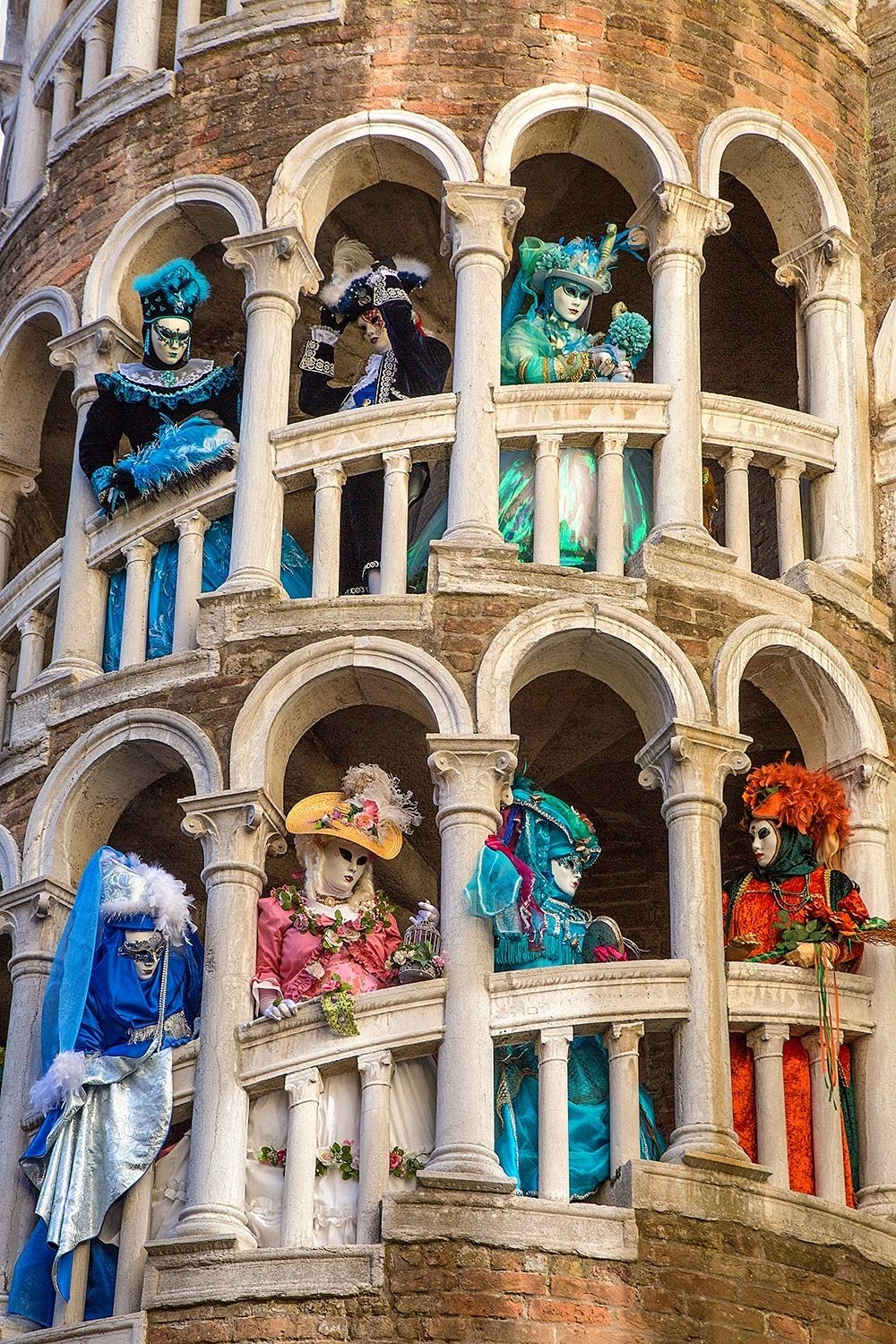
 There are festivals that entertain you, and then there are festivals that transport you, that lift you out of your own time and place and set you down in a world of mystery, art and timeless beauty. The Venice Carnival is one of those festivals. For two extraordinary weeks each year, the floating city sheds its everyday skin and becomes something else entirely: a stage, a masquerade, a dream from which you do not want to wake. The canals reflect glittering costumes, the squares fill with masked figures from another century, and the air carries the sound of laughter, music and the gentle lapping of water against ancient stone. If you are planning to experience the Carnevale di Venezia for the first time, you are in for something truly unforgettable.
What Makes the Venice Carnival Unlike Any Other Festival
The Venice Carnival is not merely a party; it is a tradition that stretches back more than 900 years. The first recorded mention of Carnival in Venice dates to 1094, but the tradition almost certainly existed long before that. At its heart, Carnival was a moment of liberation: a time when social hierarchies dissolved behind the anonymity of a mask, when a noble could walk unnoticed among commoners, when the strict rules of Venetian society were suspended and pleasure became the only law.
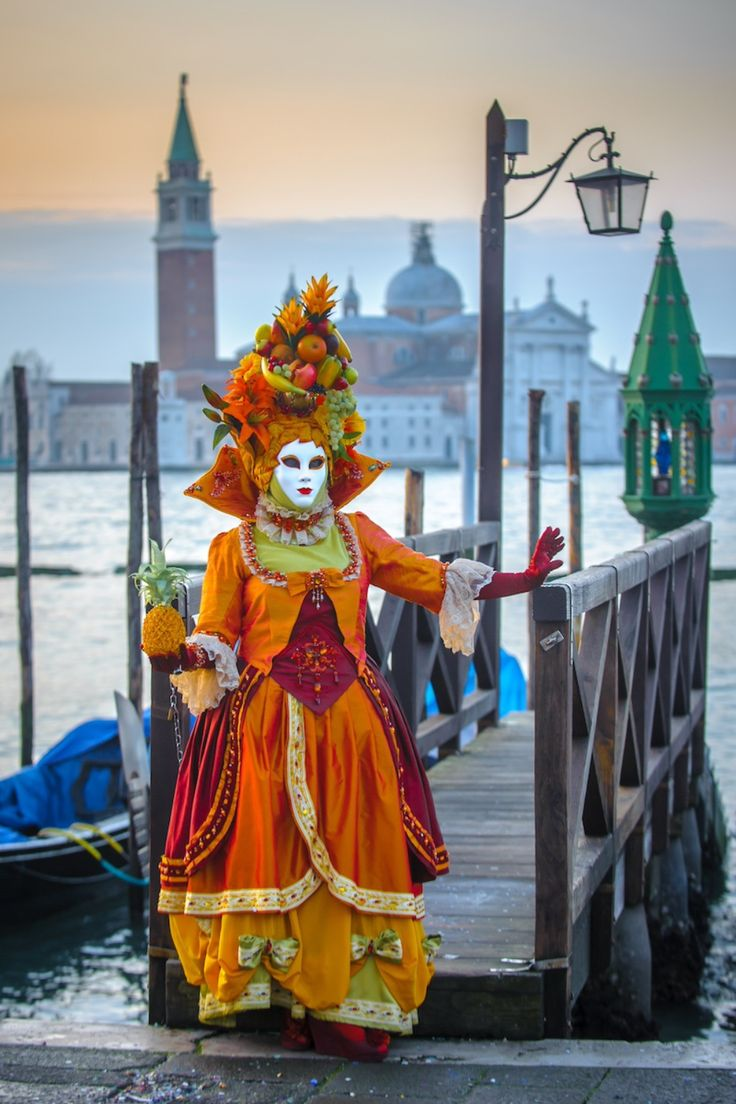
Today, that spirit lives on. The modern Venice Carnival, revived in 1979 after being suppressed for nearly two centuries, has grown into one of the world's most celebrated festivals. But it is not a brash, loud, commercial affair. The Venice Carnival retains a quality of elegance and mystery. The most breathtaking costumes are often the quietest: a figure in black velvet and a white bauta mask standing alone on a bridge at dawn, or a couple in 18th-century attire descending the steps of a palazzo as if they have stepped out of a Canaletto painting.
Did you know? The word "Carnival" comes from the Latin carnem levare, "to remove meat", referring to the feast before the fasting of Lent. In Venice, the Carnival season once lasted for months, from December 26th until Ash Wednesday, with a brief interruption during the 40 days of Lent.
When Is the Best Time to Visit the Venice Carnival?
The dates of the Venice Carnival change every year because they are tied to Easter. Carnival always begins two weeks before Ash Wednesday and ends on Shrove Tuesday, Martedì Grasso in Italian, the day before Lent begins. The Carnival typically falls in February, though it can sometimes extend into early March.
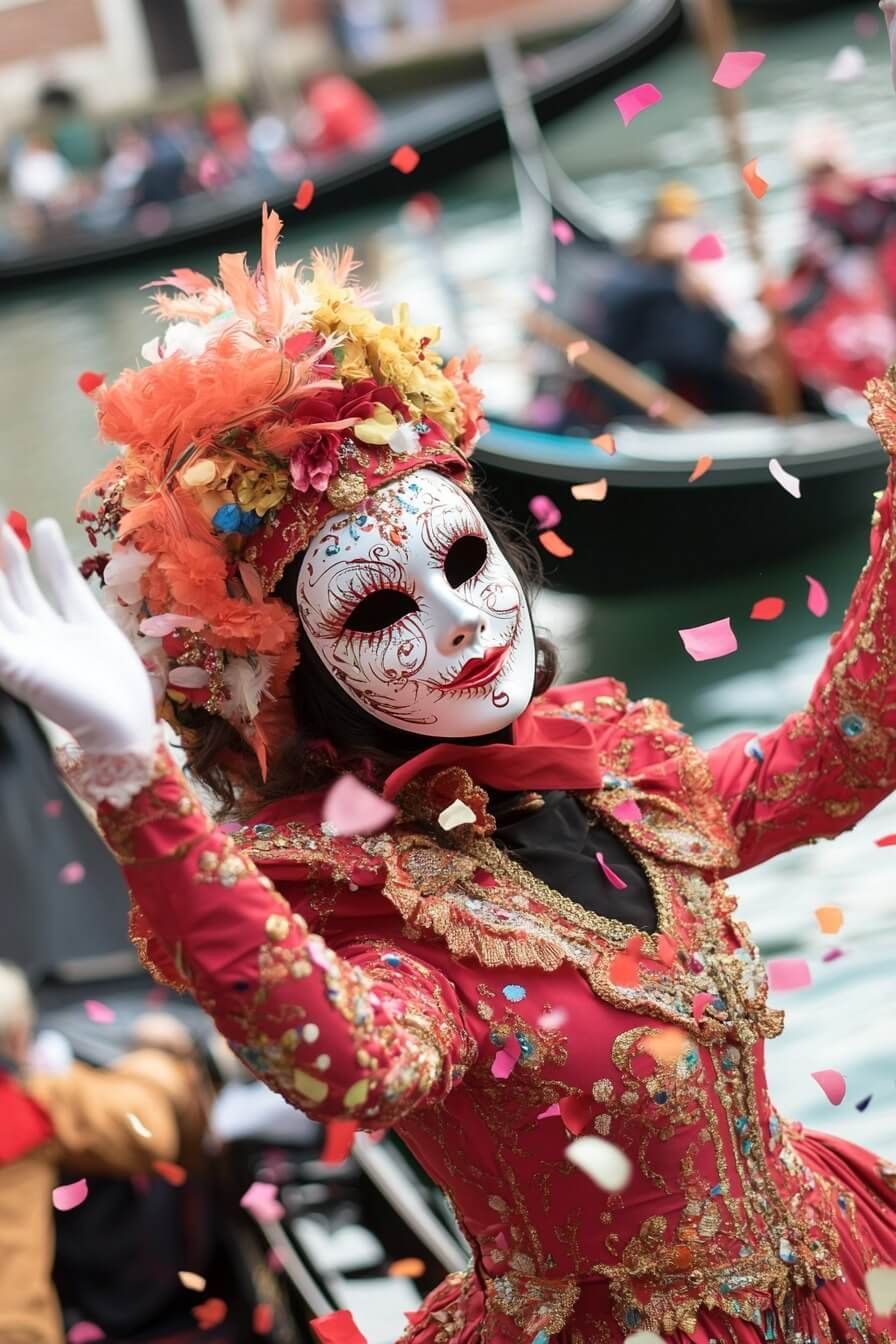
If you want the most spectacular experience, the middle weekend and final weekend are the highlights. The second Saturday features the famous Flight of the Angel, a breathtaking spectacle in which a young acrobat descends on a zip line from the bell tower of St Mark's Basilica to the centre of the square. The final weekend includes the Water Parade on the Grand Canal, the Best Masked Costume Contest, and the grand finale fireworks on Shrove Tuesday.
However, these are also the busiest and most expensive days. If you prefer a quieter experience, the first week of Carnival is still magical: the costumes are already out in force, the atmosphere is building, and accommodation prices are significantly lower. The weekends before and after the main Carnival events offer a good balance: you will see plenty of costumes but the crowds are more manageable.
Pro tip: Book everything, flights, accommodation, water taxis, at least six months in advance for Carnival. The best hotels in Venice sell out a year ahead. If you are on a budget, consider staying on the mainland in Mestre or Marghera, which are connected to Venice by frequent train and bus services (10 to 15 minutes to the historic centre).
How to Plan Your Travel Arrangements
Venice is served by two main airports: Venice Marco Polo Airport (VCE), the main international airport located on the mainland approximately 13 kilometres from the historic centre, and Treviso Airport (TSF), used mainly by low-cost carriers, situated about 40 kilometres north of Venice.
Getting from the airport to your accommodation during Carnival requires careful planning: the city is at its absolute busiest, and the water is the only way to reach most hotels. The most magical and stress-free option is a private water taxi transfer. Arriving in Venice by water is an unforgettable experience at any time, but during Carnival, with the city in costume and the mist rising from the canals, it is nothing short of extraordinary. Your driver will meet you at the airport, take your luggage, and deliver you directly to your hotel's water entrance.
When planning how long to stay, we strongly recommend a minimum of four to five days for the Carnival. This gives you enough time to see the main events in St Mark Square, explore the mask workshops of the San Polo district, attend a costume contest, perhaps experience a masquerade ball if that is your dream, and still have time to discover the quieter corners of Venice, including Cannaregio, Dorsoduro, and the island of Giudecca, where the Carnival is quieter but the magic is just as real.
As the Venetians themselves say: "A Carnevale ogni scherzo vale" (at Carnival, any joke is allowed). So let yourself be swept away. Wear a mask, even a simple one. Speak to strangers. Dance in a square. The Carnival lasts only two weeks. Make every moment count.
The Main Events You Cannot Miss
The Venice Carnival program changes slightly from year to year, but certain events are so deeply embedded in the tradition that they return every Carnival. Make sure these are on your itinerary.
Flight of the Angel (Volo dell'Angelo): This is the moment that officially opens the Carnival. On the second Sunday of Carnival, a young woman (or, in recent years, a young man or celebrity guest) descends from the bell tower of St Mark's Basilica on a zip line, flying over the crowds below. The tradition dates back to the 16th century, when a Turkish acrobat walked a tightrope from the bell tower to a boat in the basin. The spectacle is unforgettable: the angel floats against the sky, the bells of the basilica ring, and the crowd erupts in applause.
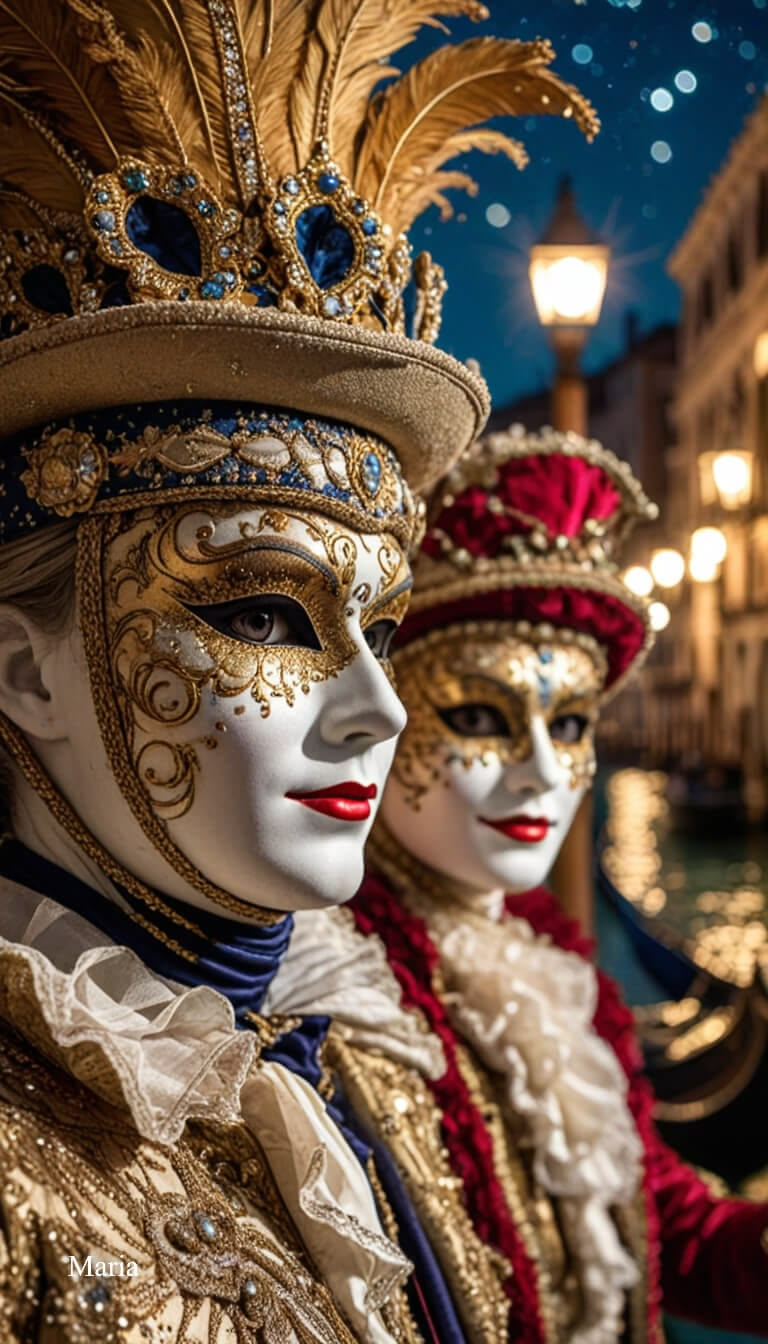
Best Masked Costume Contest (Concorso della Maschera più Bella): Held on the main stage in St Mark Square on the second and third weekends of Carnival, this is where the most extraordinary costumes compete for glory. The costumes are works of art: hand-painted silks, feathered headpieces, embroidered brocade, masks that transform the wearer into a bird, a butterfly, a figure from the commedia dell'arte. Even if you do not enter, watching the parade of contestants is one of the Carnival's greatest pleasures.
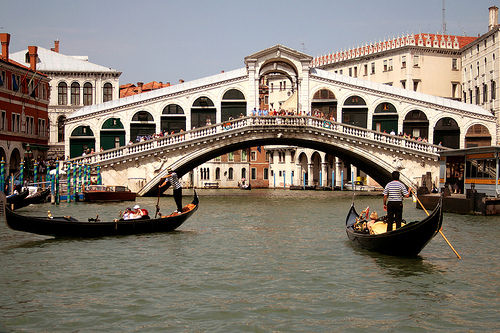
Water Parade (Sfilata in Acqua): On the final Sunday of Carnival, the Grand Canal becomes a stage. A flotilla of decorated boats, including gondolas, sandoli, and the traditional Venetian barges called bragozzi, parades along the canal, filled with masked figures and musicians. The best viewing spots are along the Rialto Bridge, the Accademia Bridge, or from a water taxi if you want to be close to the action.
Festa delle Marie: This ancient tradition, revived in 1999, celebrates the liberation of twelve Venetian brides who were kidnapped by pirates from Istria. Twelve young Venetian women, dressed in elaborate Renaissance costumes, parade from San Pietro di Castello to St Mark Square. The procession is one of the most photogenic events of the Carnival, with costumes that take months to create.
Where to See the Most Spectacular Masks and Costumes
St Mark Square is the heart of the Carnival, and you should absolutely spend time there. But the most magical costume sightings often happen away from the crowds: on a small bridge in Cannaregio, in a quiet campo in Dorsoduro, on a vaporetto crossing the Grand Canal at sunset.
St Mark Square (Piazza San Marco) is where the official events take place. The stage is at the western end of the square, near the Museo Correr. Arrive early in the morning, before 9:00 AM, to see the square at its quietest and most atmospheric. The best costume photographers station themselves at the eastern end of the square, near the basilica, where the light is beautiful in the late afternoon.
Rialto Bridge and the Grand Canal are spectacular for costume viewing, especially during the Water Parade. The bridge is crowded, but the views from the vaporettos (water buses) that cross the canal are excellent. For a quieter experience, walk along the Fondamenta del Vin on the San Polo side of the canal, where you can watch the boats from a comfortable distance.
Cannaregio, the northern sestiere, is where many Venetians live, and the Carnival here feels more authentic and less touristy. The Jewish Ghetto and the area around the Fondamenta della Misericordia are particularly good for costume spotting without the crowds of St Mark Square.
Dorsoduro, home to the Accademia Gallery and the Peggy Guggenheim Collection, is quieter than San Marco but still full of Carnival magic. The Zattere, the long promenade along the Giudecca Canal, offers spectacular views and excellent light for photography.
Photography tip: The best light for costume photography in Venice is the hour before sunset, the golden hour. The light reflects off the canals and creates a warm, magical glow. The hour just after sunrise is also beautiful and the squares are almost empty. Bring a lens with a wide aperture for low light, as you will need it in the narrow alleys and on cloudy days.
How to Avoid the Crowds and Find Quiet Corners
Venice during Carnival is crowded. There is no way around it: the city welcomes hundreds of thousands of visitors during the two weeks of the festival. But with a few smart strategies, you can avoid the worst of the crowds and find moments of peace and magic.
Stay away from St Mark Square at midday. The square is most crowded between 11:00 AM and 3:00 PM. Visit early in the morning, before 9:00 AM, when the square is still quiet and the light is beautiful. Return in the late afternoon, after 4:00 PM, when the crowds thin slightly and the golden light transforms the scene.
Explore the less touristy sestieri. Cannaregio, Dorsoduro, and Castello (east of St Mark Square) are significantly quieter than San Marco and Rialto. You will still see plenty of costumes, but you will also find cafes with available tables, bridges you can cross without waiting, and a sense of the real Venice behind the Carnival spectacle.
Take a vaporetto ride on the Grand Canal at sunset. This is one of the most beautiful experiences Venice offers at any time of year, but during Carnival it is extraordinary. The light softens, the buildings glow pink and gold, and the water reflects the fading sky. The number 1 vaporetto runs the length of the Grand Canal from Piazzale Roma to San Marco. Sit on the left side for the best views.
Common mistake to avoid: Do not try to see everything. Many first-time Carnival visitors make the mistake of running from event to event, checking items off a list. The Carnival is not a checklist; it is an atmosphere. Choose one or two events each day and spend the rest of your time wandering, watching, and letting the city reveal itself to you. The moments you remember longest will be the unexpected ones: a masked couple drinking espresso at a canal-side cafe, a child in a tiny mask chasing pigeons, the sound of an accordion echoing off ancient walls.
Common Mistakes Tourists Make During Carnival
Do not let small mistakes spoil your Carnival experience. Here are the most common errors first-time visitors make, and how to avoid them.
Mistake 1: Forgetting to book accommodation early. The best hotels in Venice sell out for Carnival a year in advance. Book as soon as the Carnival dates are announced, usually in the spring of the previous year. If you wait, you will pay double or end up on the mainland.
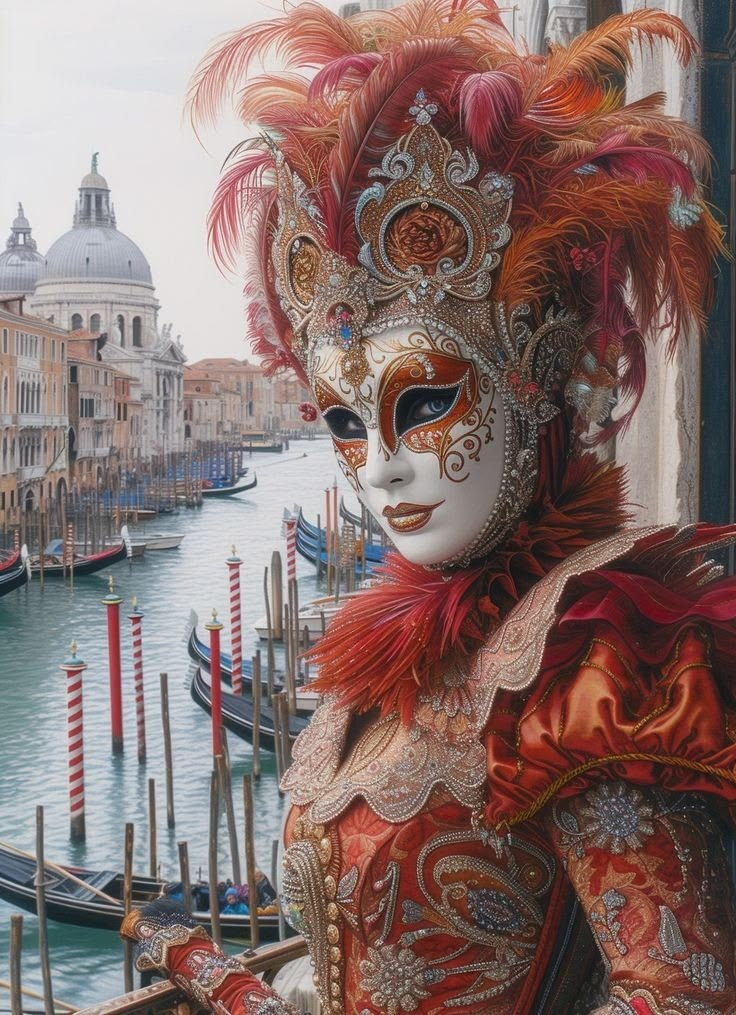
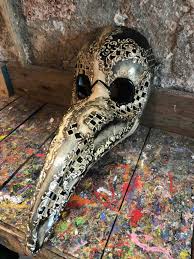
Mistake 2: Not buying a mask in advance. If you want to wear a mask, and you should, even a simple one, buy it before you arrive or on your first day. The best mask shops, like Ca' Macana in Dorsoduro, sell out of the most beautiful designs quickly. Avoid the cheap plastic masks sold by street vendors. A proper Venetian mask, made of paper-mâché and hand-painted, is a work of art you will treasure for years.
Mistake 3: Eating near the main tourist attractions. Restaurants in St Mark Square and along the Rialto Bridge are expensive and often mediocre. Walk 10 minutes away from the main sights and you will find trattorias serving authentic Venetian food at half the price. Look for places where Venetians eat: the neighbourhoods of Cannaregio and Dorsoduro are excellent for this.
Mistake 4: Only staying in the historic centre. Venice has six sestieri (neighbourhoods), and most tourists never leave San Marco and San Polo. Take a vaporetto to Giudecca, the long island south of the historic centre, for spectacular views of the city skyline. Visit the island of Burano with its brightly coloured fishermen's houses. Explore the quiet streets of Castello, east of St Mark Square, where the Carnival is quieter but just as magical.
Food tip: During Carnival, Venetians eat fritole, small, sweet fritters made with raisins and pine nuts, dusted with powdered sugar. They are sold everywhere during Carnival and are absolutely delicious. Also try galani or crostoli, thin, fried pastries also dusted with sugar. Do not leave Venice without tasting these Carnival specialities.
Essential Practical Information for Carnival
Weather: February in Venice is cold. Temperatures range from 0°C to 10°C (32°F to 50°F). It can rain, and it can snow. Pack warm layers: thermal underwear, wool sweaters, a waterproof jacket, gloves, a hat, and a scarf. If you are wearing a costume, make sure you have warm layers underneath, as you will be standing outside for long periods. Comfortable, waterproof shoes are essential. The streets of Venice are often wet in February, and you will do a lot of walking.
Acqua Alta (High Water): Venice experiences periodic flooding, especially in autumn and winter. During Carnival, you may encounter acqua alta, water rising from the canals and covering St Mark Square. The city has a system of raised walkways, and you can buy disposable waterproof boot covers from street vendors. Check the tide forecast daily and plan your route accordingly.
Costumes: You do not need a costume to enjoy Carnival, but wearing at least a simple mask helps you feel part of the tradition. You can buy masks throughout the city, from cheap plastic ones to hand-painted works of art costing hundreds of euros. If you want a full costume, you can rent one from shops like Atelier Pietro Longhi in San Marco or Venice Costume in Santa Croce. Book your rental well in advance, especially if you need specific sizes.
Masquerade Balls: The famous masquerade balls of the Venice Carnival are extraordinary experiences, and extraordinarily expensive. Tickets to the most prestigious balls, like the Ballo del Doge, cost €600 to €1,500 per person and require elaborate period costumes. Book months in advance. For a more affordable experience, look for masquerade dinners or costume parties at hotels and restaurants throughout the city, which are often €100 to €300 per person.
Public Transport: During Carnival, vaporettos (water buses) are extremely crowded. Allow extra time for every journey. The ACTV tourist travel cards (1 to 7 days) are good value if you plan to use public transport frequently. But during Carnival, walking is often faster than waiting for a crowded vaporetto. Venice is a walking city: embrace it.
Comments
No comments yet. Be the first to share your thoughts!
Leave a Comment
Your comment will appear after moderation.