 Michelle
 There are cities you visit, and then there are cities that visit you back — slipping under your skin, rewiring something in you forever. Rome is one of those cities. The Eternal City does not simply offer sights to tick off a list; it offers an immersion into millennia of human history, art, faith, gastronomy and sheer, unfiltered beauty. If this is your first time, welcome. You are in for something extraordinary.
When Is the Best Time to Visit Rome?
Timing your visit to Rome can make an enormous difference to your experience. The city welcomes millions of visitors every year, and choosing the right season means fewer crowds, better weather and often significantly lower prices on flights and accommodation.
The two golden windows for first-time visitors are April through May and September through November. In spring, Rome blossoms — literally and figuratively. The days are warm but not scorching, the light is extraordinary for photography, and the piazzas are alive with energy without being overwhelmed. Autumn brings a similar magic: a softer golden light, comfortable temperatures and a sense that the city has exhaled after the summer rush.
Summer — especially July and August — can be brutal. Temperatures regularly climb above 35°C (95°F), the most popular sites are packed to capacity, and queues at the Colosseum or the Vatican can stretch for hours. If summer is your only option, book every ticket in advance and plan to be out early in the morning and again in the early evening, retreating indoors during the hottest hours.
Pro tip: Visiting in November or early March? You will find Rome at its most intimate. The main landmarks are quieter, restaurants are less hurried, and the locals are more relaxed. A light jacket and comfortable waterproof shoes are all you need.
1. Plan Your Travel Arrangements Carefully
Rome is served by two main airports: Fiumicino (Leonardo da Vinci Airport, FCO), the larger international hub located 30 km southwest of the city centre, and Ciampino Airport (CIA), a smaller airport used mainly by low-cost carriers, situated about 15 km southeast of Rome.
Getting from the airport to your accommodation deserves careful thought — especially if it is your first time navigating an unfamiliar city after a long flight. The most stress-free option is a private airport transfer, which takes you door to door without worrying about luggage, connections or language barriers. From Fiumicino, the Leonardo Express train is also an excellent option, running directly to Roma Termini station every 30 minutes.
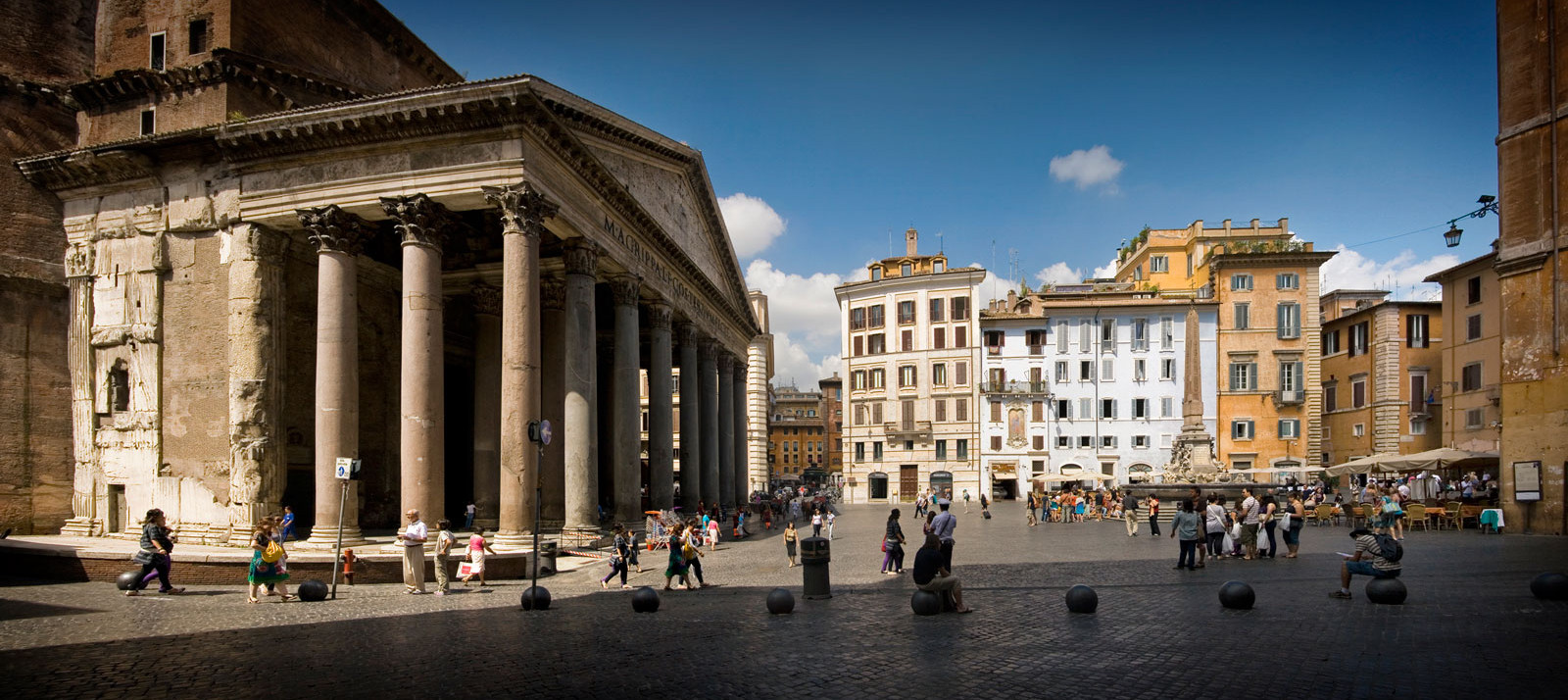
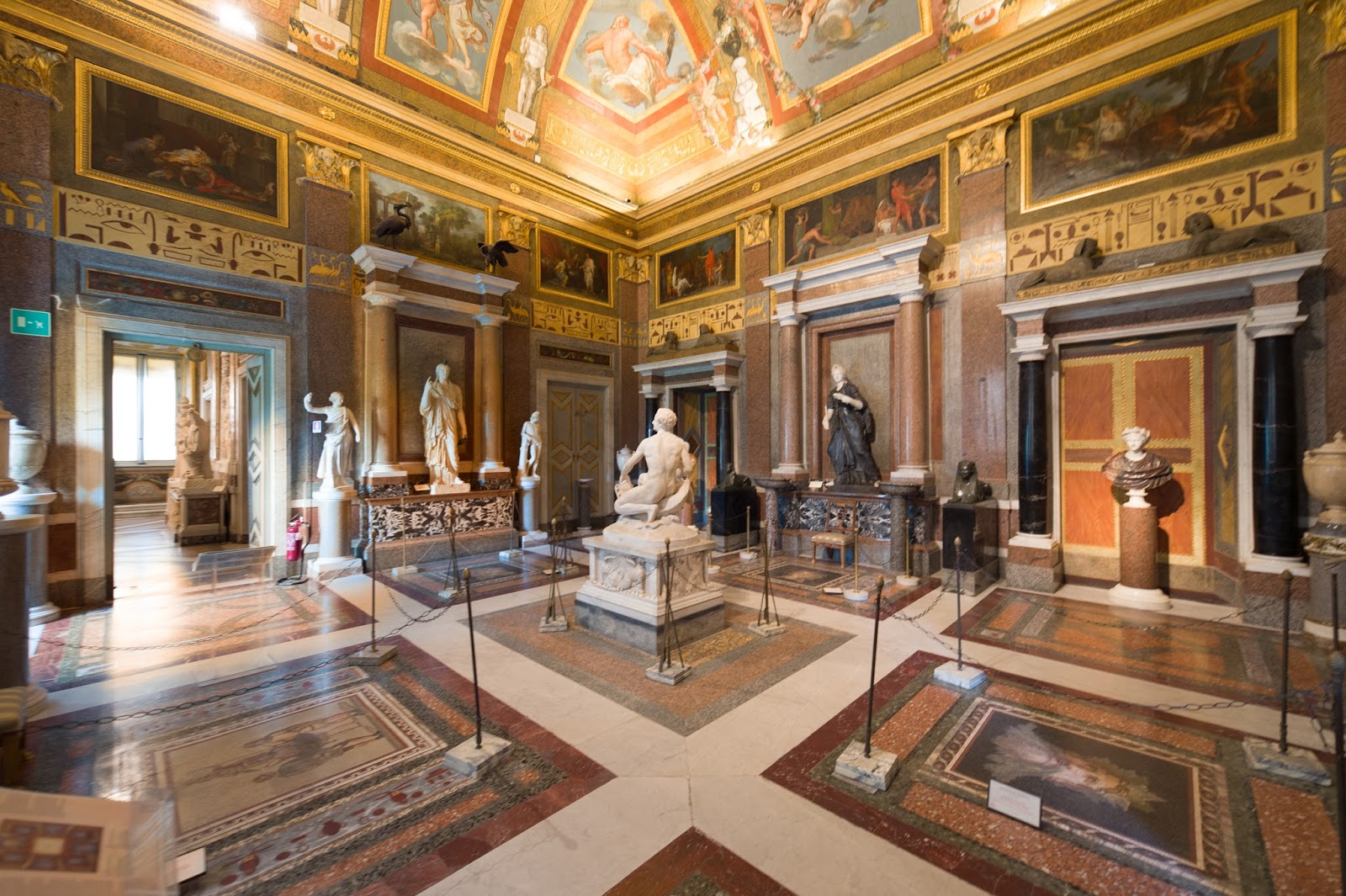
When planning how long to stay, do not underestimate Rome. We strongly recommend a minimum of five to seven days for a first visit — enough time to experience the Colosseum, the Roman Forum, the Vatican Museums, the Sistine Chapel, the Trevi Fountain, the Pantheon, Palatine Hill and the Borghese Gallery without rushing.
As the Romans themselves say: "Non basta una vita" — a lifetime is not enough. So do not try to see everything. Choose wisely, slow down, and let Rome come to you.
2. Get Yourself a Roma Pass — and Book Everything Online
If you plan to visit multiple museums and move around the city by public transport, the Roma Pass is one of the smartest investments you can make. Available in 48-hour and 72-hour versions, it offers free entry to your first two museums or archaeological sites, discounted access to dozens more, and unlimited travel on Rome's bus and metro network.
Book everything online before you leave home. This applies especially to the Colosseum, the Vatican Museums and the Borghese Gallery. The Borghese has a strictly enforced entry by timed reservation only — walk-ins are not permitted. Booking online eliminates the agony of standing in a queue for two hours in the summer heat, only to find tickets sold out.
3. Dress Comfortably — Your Feet Will Thank You
This might seem like obvious advice, but it is perhaps the single most impactful thing you can do for your own enjoyment: wear the right shoes. Rome is a city built on ancient ground — its streets are often cobbled, its archaeological sites are uneven, and you will cover far more distance on foot than you expect.
There is also an important practical consideration: entry to churches and the Vatican requires covered shoulders and knees. Pack a light scarf or shawl that can double as a cover-up when needed.
Hidden gem: Rome has over 2,500 nasoni — the city's iconic small drinking fountains distributed throughout the streets and piazzas. The water is clean, cold and completely free. Carry a refillable bottle and you will never need to buy bottled water.
4. Leave Room for Spontaneity
Planning is essential in Rome — but so is the ability to abandon your plan entirely. Give yourself at least one full day with no fixed itinerary. Follow a street that looks interesting. Stop for an espresso at a bar where the locals go. Discover a tiny neighbourhood church that houses a Caravaggio no guidebook seems to mention.
When it comes to eating, resist the temptation of restaurants with photographs on the menu. Try cacio e pepe, carbonara, supplì and, of course, gelato from an artisan gelateria — look for the sign "artigianale".
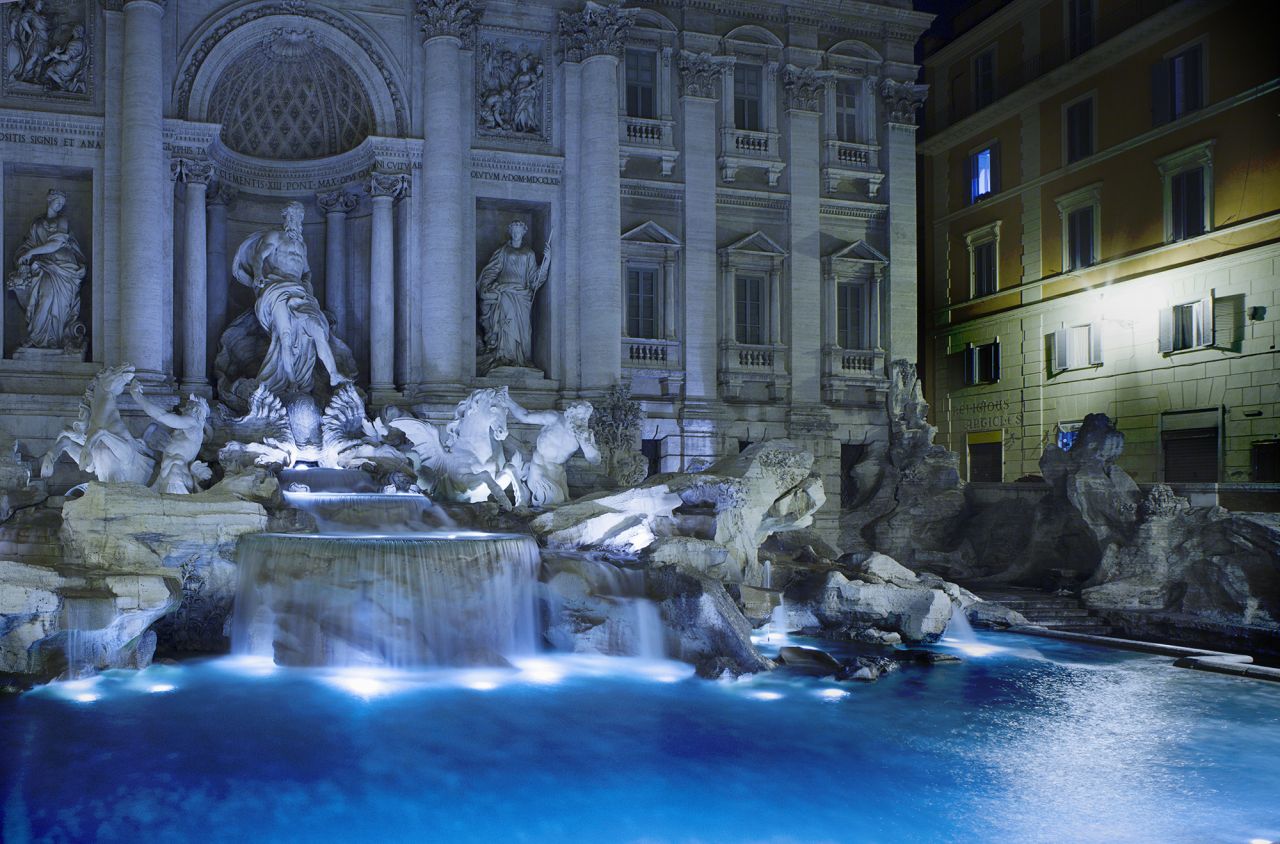
The Trevi Fountain tradition: Toss a coin over your left shoulder with your right hand and legend has it you will return to Rome one day. Standing in front of Nicola Salvi's baroque masterpiece as the water roars and the marble glows in the evening light, you will want to believe it.

Comments
No comments yet. Be the first to share your thoughts!
Leave a Comment
Your comment will appear after moderation.