 Michelle
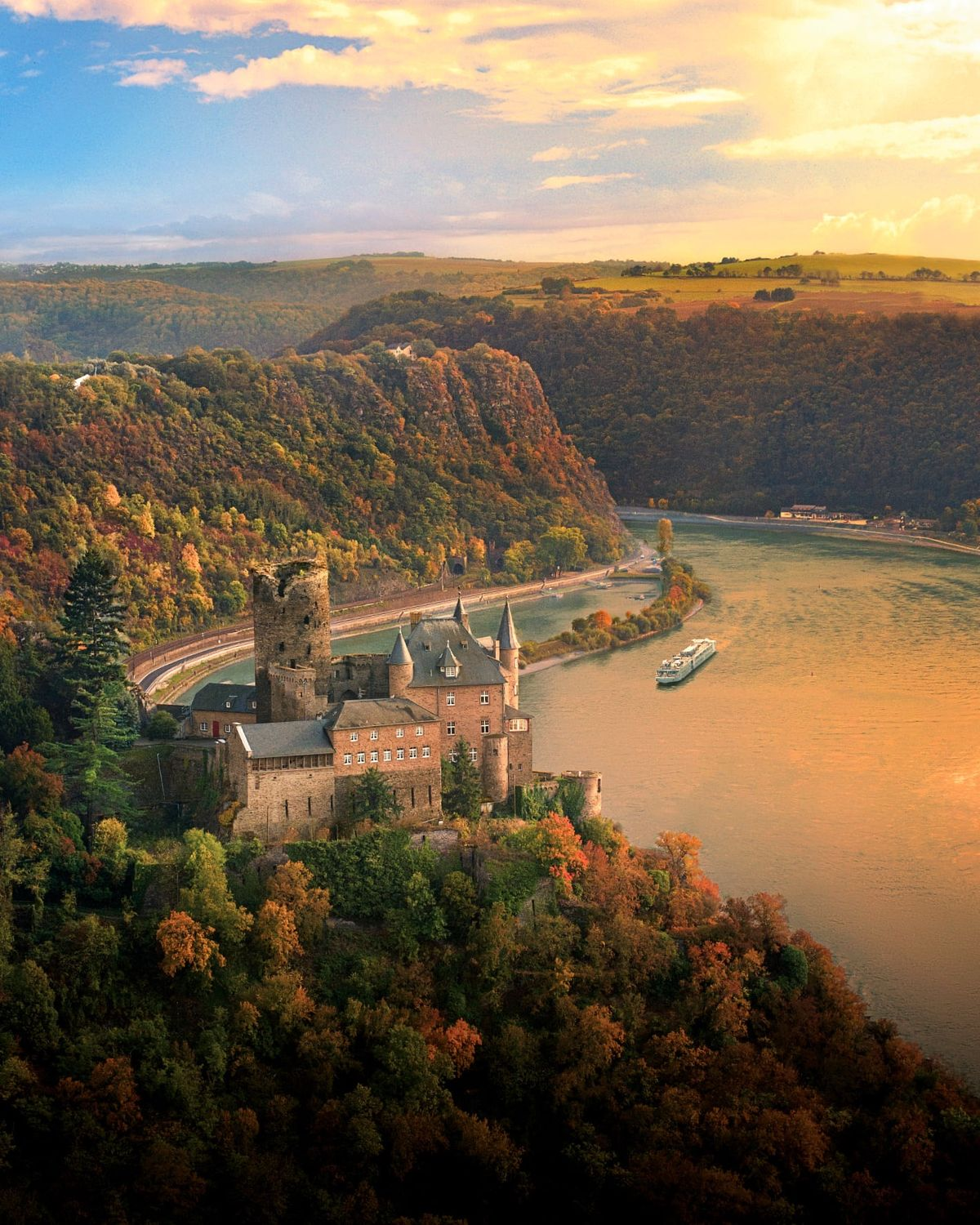
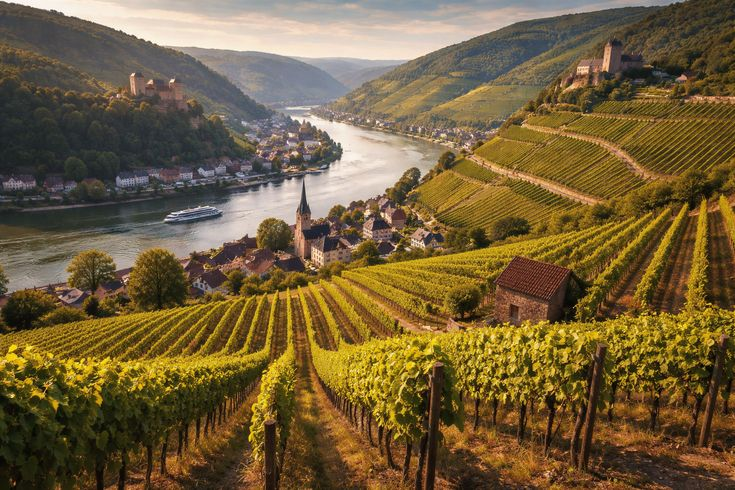
 The Rhine is one of the great rivers of Europe: a waterway of enormous historical significance that has shaped the politics, the culture and the economy of the entire continent for two thousand years and counting. It has also shaped the food of the regions it flows through, and nowhere more distinctively than in the German Rhineland, the broad, densely populated corridor of cities, vineyards, industrial towns and ancient market places that stretches from the Swiss border in the south to the delta in the Netherlands. Rhineland cooking is not the cooking of refinement or elegance. It is the cooking of a region that has always worked hard, traded widely and eaten with purpose: robust, deeply flavoured, full of surprising combinations and informed by a particular genius for balancing sweet and sour that sets it apart from every other German food tradition.
1. Blutwurst: The Rhine Region's Black Pudding and the Art of Eating It Properly
Blood sausage is one of those foods that divides opinion sharply everywhere it is made and eaten, and Germany is no exception. But the Rhineland has developed a relationship with its version, blutwurst, that goes well beyond simple tolerance: here it is a source of genuine regional pride, a food with a history as long as the settlements along the river itself and a place on the table that no other sausage can claim.
Blutwurst is made from fresh pig's blood, diced pork, pork fat and a blend of seasonings that varies from one producer to the next but typically includes salt, pepper, marjoram, allspice and sometimes a little onion or garlic. The mixture is stuffed into a casing, cooked in hot water or steam until set, and then allowed to cool and firm up. The result is a dark, dense sausage of considerable flavour: earthy, iron-rich, with a slight sweetness from the blood and a depth from the fat that is entirely unlike any other sausage in the German repertoire.
In many parts of Germany, blutwurst is eaten warm, sliced and fried in a pan or grilled until the casing blisters and the interior heats through, then served with fried potatoes and onions. But in the Rhine region, the traditional approach is quite different and, once you have experienced it, entirely convincing: the sausage is served cold, sliced very thinly on a wooden board or a plain plate, accompanied by a fresh baguette or a slice of dark rye bread, a little mild mustard and a glass of chilled Rhine wine. The combination of the rich, dense sausage with the clean acidity of a young Riesling or a dry Spätburgunder from the Middle Rhine is one of those regional pairings that makes complete sense the moment you try it and that you never quite forget.
The key to appreciating blutwurst in this context is the quality of the slicing and the quality of the bread. The sausage should be cut thin enough to be almost translucent at the edges, releasing its full flavour without overwhelming the palate. The bread should be fresh and substantial enough to provide textural contrast. And the wine should be cold, dry and local. These three elements together make what might seem, on paper, a very simple thing into something genuinely memorable.
Where to eat the best blutwurst in the Rhine region: Look for it at traditional butcher shops (Metzgereien) and market stalls in Cologne, Bonn, Koblenz and the towns along the Middle Rhine rather than in tourist restaurants. The market at Cologne's Hauptmarkt, held on Tuesdays and Fridays, has several excellent charcuterie stalls where you can buy freshly made blutwurst by the slice. Ask for it mit Brot, with bread, and eat it standing at the stall: this is the most authentic and most enjoyable way to encounter it for the first time.
2. Himmel und Aad: Heaven and Earth on a Plate, the Pride of Cologne
Of all the dishes that define the culinary identity of Cologne, none is more deeply embedded in local culture and local affection than Himmel und Aad. The name, which means heaven and earth in the local Cologne dialect rather than standard High German, tells you the essential logic of the dish: potatoes, which come from the earth, are combined with apples, which grow on trees and are therefore, by the poetic reasoning of the eighteenth century, connected to the sky and the heavens. The result is a combination that has been feeding the people of Cologne for more than three hundred years and that remains, in the opinion of anyone who has eaten it properly, one of the most satisfying single-plate meals in German cooking.
The dish has three principal components, each of which must be executed with care. The mashed potato should be rich, buttery and very smooth: floury potatoes boiled until completely tender, passed through a ricer or mashed vigorously with plenty of butter and a little warm milk, seasoned generously with salt and a grating of nutmeg. The mash should be substantial and warming, providing the flavour-neutral base on which everything else rests. The black pudding, typically two or three thick slices of good Rhineland blutwurst, is pan-fried in a little lard or butter until warmed through and lightly crisped on the cut surfaces, releasing its deep, iron-rich flavour into the fat of the pan. And the fried onions are perhaps the most important element of all: white or yellow onions, sliced into rings and cooked slowly in lard until they are deeply caramelised, sweet and golden brown, their natural sugars concentrated by the heat into something that is simultaneously simple and intensely flavourful.
These three elements are arranged on the plate together and accompanied by a generous spoonful of apple sauce, ideally made from tart local apples cooked with a little sugar and lemon until just soft enough to hold their shape, providing the necessary acidity and fruit that lifts the entire combination. The dish is served as a main course in its own right, often alongside a piece of roasted pork or a smoked pork chop, and it is washed down, in Cologne, with the city's own Kölsch beer: the pale, delicately hoppy, top-fermented ale that is as much a part of Cologne's identity as its Gothic cathedral and that, by local law, must be served in tall, thin glasses of exactly 0.2 litres called Stangen.
Best time to visit the Rhine region for food and culture: The Rhine region is rewarding year-round, but two seasons stand out. September to October brings the wine harvest to the vineyards of the Middle Rhine and the Ahr valley, with village wine festivals filling the streets of towns like Rüdesheim, Bacharach and Bad Neuenahr every weekend. Late November to Christmas Eve transforms Cologne's cathedral square and the old town into one of Germany's most spectacular Christmas markets, with mulled wine, reibekuchen from street stalls and the warmth of a city that takes its festive traditions very seriously indeed.
3. Reibekuchen: The Crispy Potato Fritters of the Rhineland
There is a particular smell that hits you at almost every street fair, Christmas market and outdoor food stall in the Rhineland, a smell of potato and hot fat that immediately identifies itself as reibekuchen before you have even located the stall. These crispy potato fritters are one of the most beloved street foods in the region and one of the most universally accessible of all German dishes: uncomplicated, deeply satisfying and almost universally enjoyed by anyone who tries them for the first time.
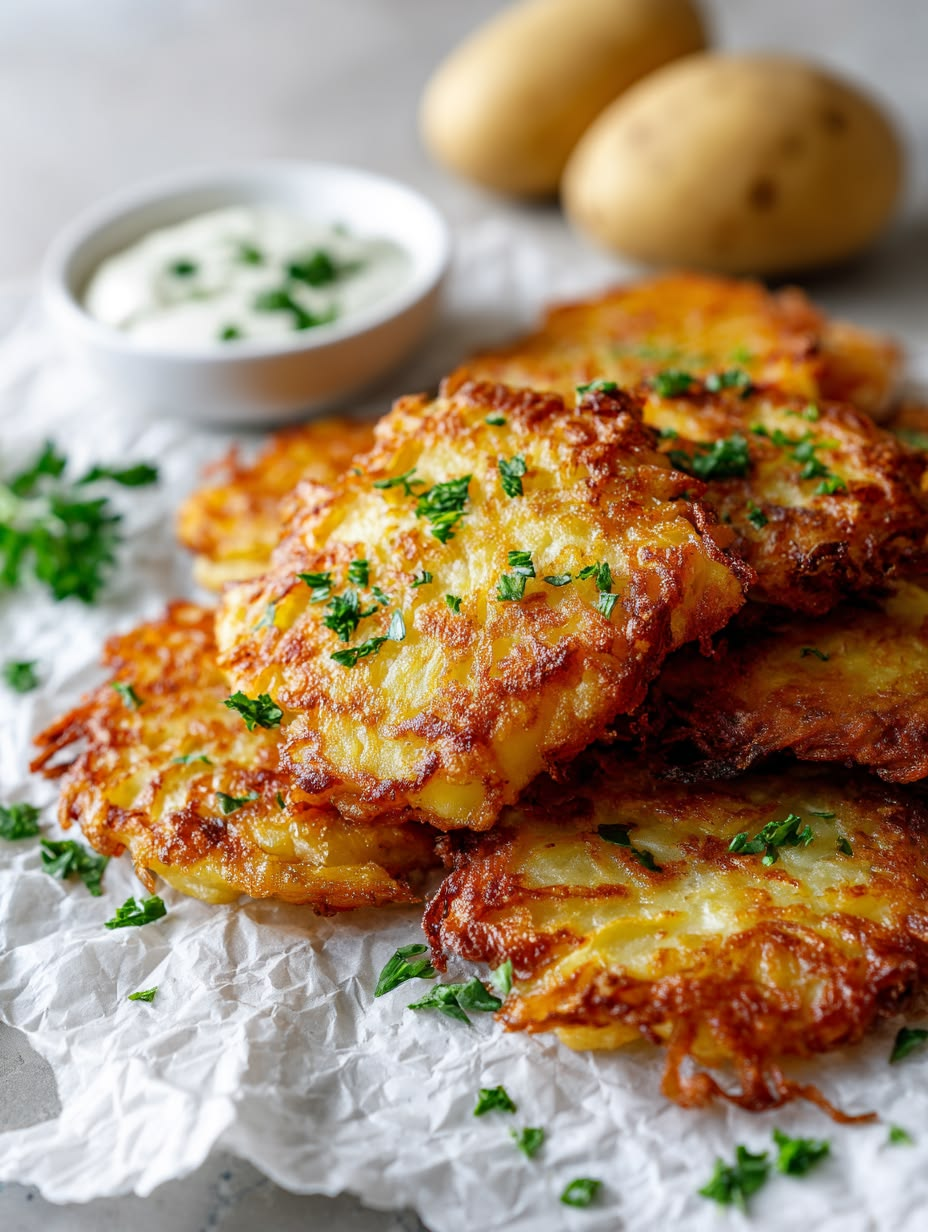
Reibekuchen are made from a simple mixture of coarsely grated raw potato, flour, egg, salt and a little finely grated onion, combined together and formed into rough patties or rounds that are fried in a generous quantity of hot oil or lard until deeply golden and crispy on both sides. The technique is simple but the execution requires attention: the potato needs to be squeezed of as much moisture as possible before mixing, otherwise the fritters will steam rather than fry and will never develop the crunch that is the whole point of the dish. The oil must be hot enough to seal the exterior immediately when the potato hits it, and the fritters must not be crowded in the pan or they will lose heat and become soft.
When made correctly, a reibekuchen should shatter slightly when you bite into it, releasing a cloud of steam from the still-yielding potato interior, and the contrast between the crispy, golden, slightly salty exterior and the soft, almost creamy inside is one of those simple food pleasures that is difficult to improve upon. They are served in the Rhineland with two accompaniments that together define the dish: apple sauce, cool and slightly tart, spooned generously over the hot fritter, and a slice of pumpernickel bread alongside, whose dense, slightly sweet, deeply earthy character provides a perfect counterpoint to the potato. The combination of sweet-tart apple, starchy potato and bitter-sweet pumpernickel is one of those quietly brilliant regional pairings that makes you understand immediately why people in this part of Germany eat the way they do.
Reibekuchen appear at markets and street fairs throughout Germany, but the Rhineland is their spiritual home, and nowhere are they made with more conviction or consumed with more enthusiasm. At the Cologne Christmas market, the queues in front of the reibekuchen stalls are among the longest of any food vendor, and the sight of a stack of freshly cooked fritters waiting under a heat lamp, glistening with oil and scattering a fine mist of potato steam into the cold December air, is one of the defining images of the Rhineland winter.
Common tourist mistakes in the Rhine region: Eating reibekuchen without the apple sauce because it seems like an odd combination. It is not odd: it is essential. The acidity of the apple cuts through the fat of the fried potato in exactly the way that lemon cuts through fried fish, and the dish without it is a diminished thing. Another mistake: visiting the Middle Rhine valley by car rather than by boat. The stretch between Koblenz and Bingen, with its castles, vineyards and small wine villages, is best seen from the water, and the river ferries that operate on this section are among the most enjoyable and most scenic modes of transport in Germany.
4. Rheinischer Sauerbraten: The Sweet and Sour Pot Roast That Defines the Region
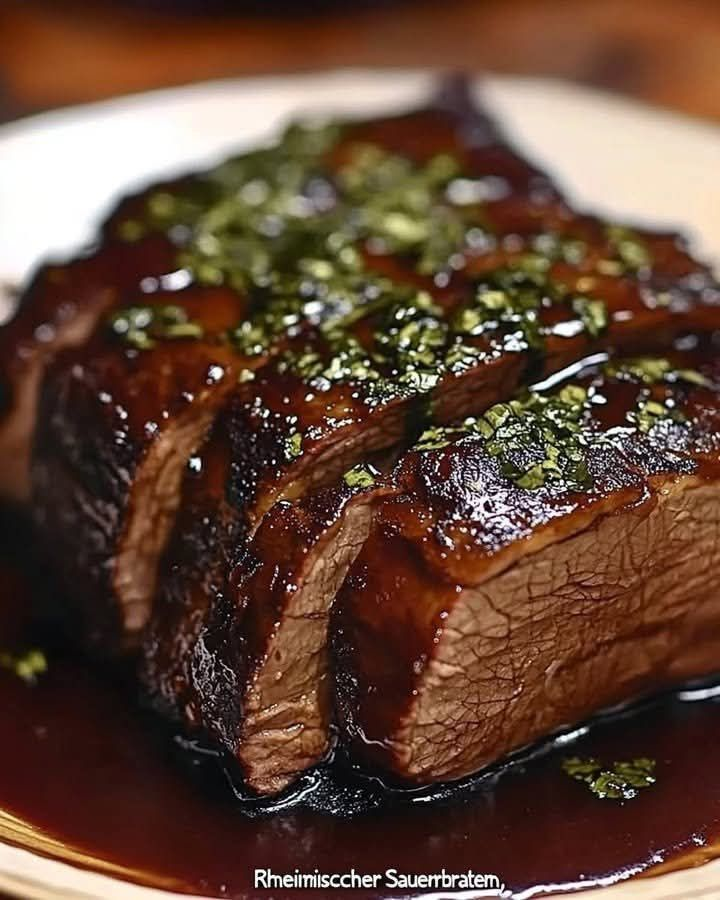
Every region of Germany has its own version of sauerbraten, the marinated pot roast that is arguably the most representative dish of German cooking, and the differences between them are real, meaningful and a source of considerable regional pride. But the Rhineland version, Rheinischer Sauerbraten, is distinctive enough to be considered a dish in its own right, with ingredients and a flavour profile that set it apart from every other German sauerbraten and that express, more clearly than almost any other dish in the regional repertoire, the Rhineland's particular love of the sweet and sour combination.
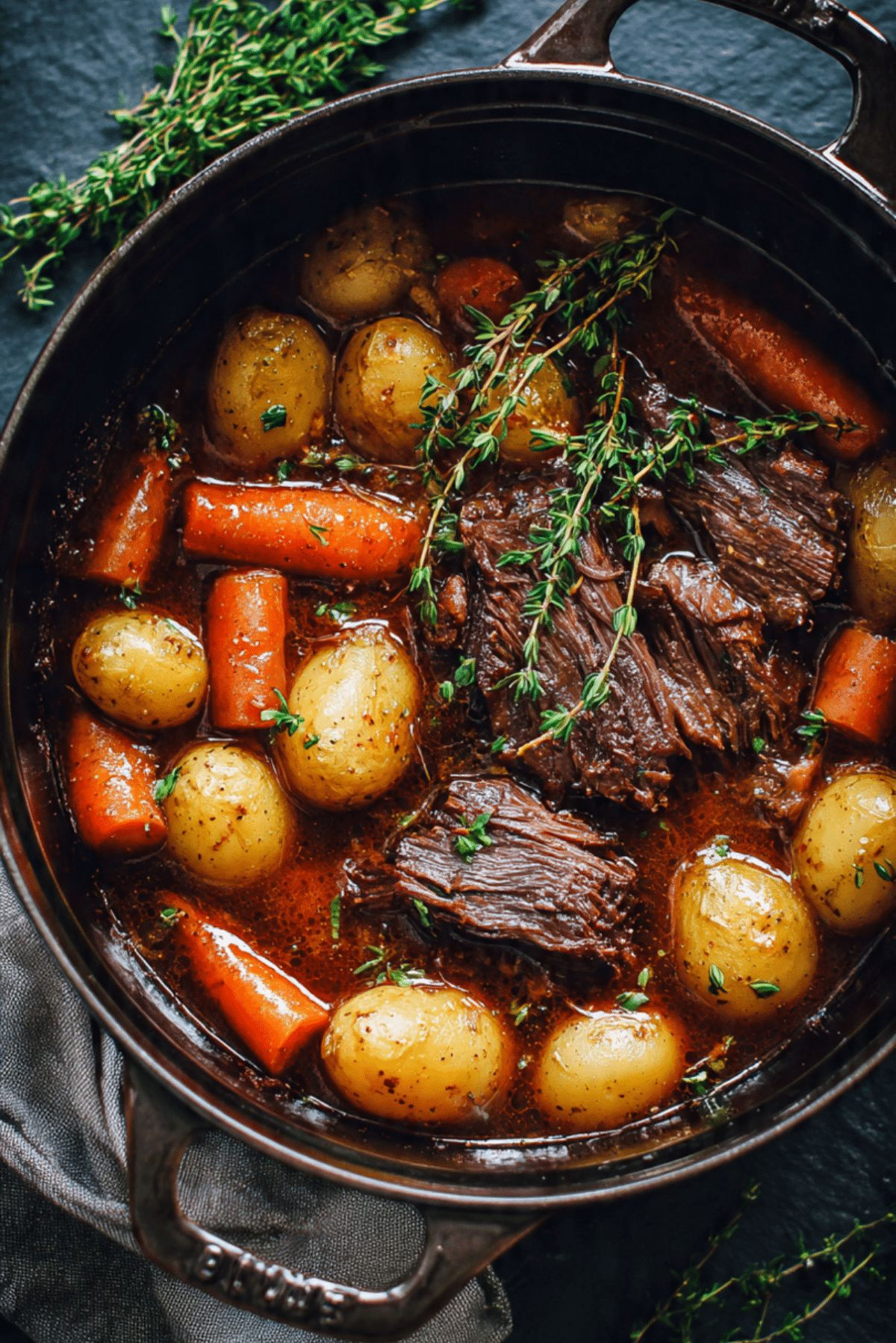
The preparation begins with a large piece of beef, typically topside or silverside, that is marinated for a minimum of three days and ideally for five to seven days in a mixture of red wine vinegar, water, red wine, onions, bay leaves, juniper berries, cloves, peppercorns and a little sugar. The long marination has two effects: it tenderises the meat, breaking down the connective tissue and fibres through the action of the acid, and it flavours the interior of the joint deeply and evenly, so that every slice carries the full character of the marinade. After marination, the meat is removed, dried thoroughly, browned on all sides in hot fat until deeply caramelised, and then braised slowly in the strained marinade liquid for two to three hours until completely tender.
It is in the gravy that the Rhineland version distinguishes itself most emphatically. Where other regional versions of sauerbraten produce a relatively straightforward sour gravy from the braising liquid, the Rhineland cook adds raisins and sugar beet syrup (called Rübenkraut or Zuckerrübensirup), a dark, intensely sweet molasses-like syrup produced from sugar beet and deeply characteristic of the Rhineland food tradition. These ingredients transform the sour braising liquid into something altogether more complex: a dark, glossy sauce of remarkable depth that balances the sharpness of the vinegar with a warmth and sweetness that is not cloying but enriching, each element enhancing the other in a way that makes the whole significantly greater than the sum of its parts.
The traditional accompaniments are fixed and should not be deviated from: Knodel, the large potato dumplings that soak up the gravy with tremendous efficiency, Rotkohl, red cabbage braised slowly with apple, red wine vinegar, cloves and a little sugar until silky and deeply flavoured, and a spoonful of apple sauce alongside. The combination of the sour-sweet meat, the starchy dumpling, the tart red cabbage and the cool apple sauce is one of the great plates of German regional cooking: complex, deeply satisfying and entirely unlike anything you will eat anywhere else.
Food tip for Rheinischer Sauerbraten: Never order sauerbraten in a restaurant where it is described as ready in under twenty minutes: a genuine version requires days of marination and hours of braising and cannot be rushed. Look for restaurants that list it as a Hausgemacht (homemade) speciality and specify that the marination time is a minimum of three days. In the old towns of Cologne, Bonn and Koblenz, several traditional Rhineland restaurants have been making the dish to family recipes for generations: these are the places where the gravy will have the depth of colour and the balance of sweet and sour that defines the authentic version.
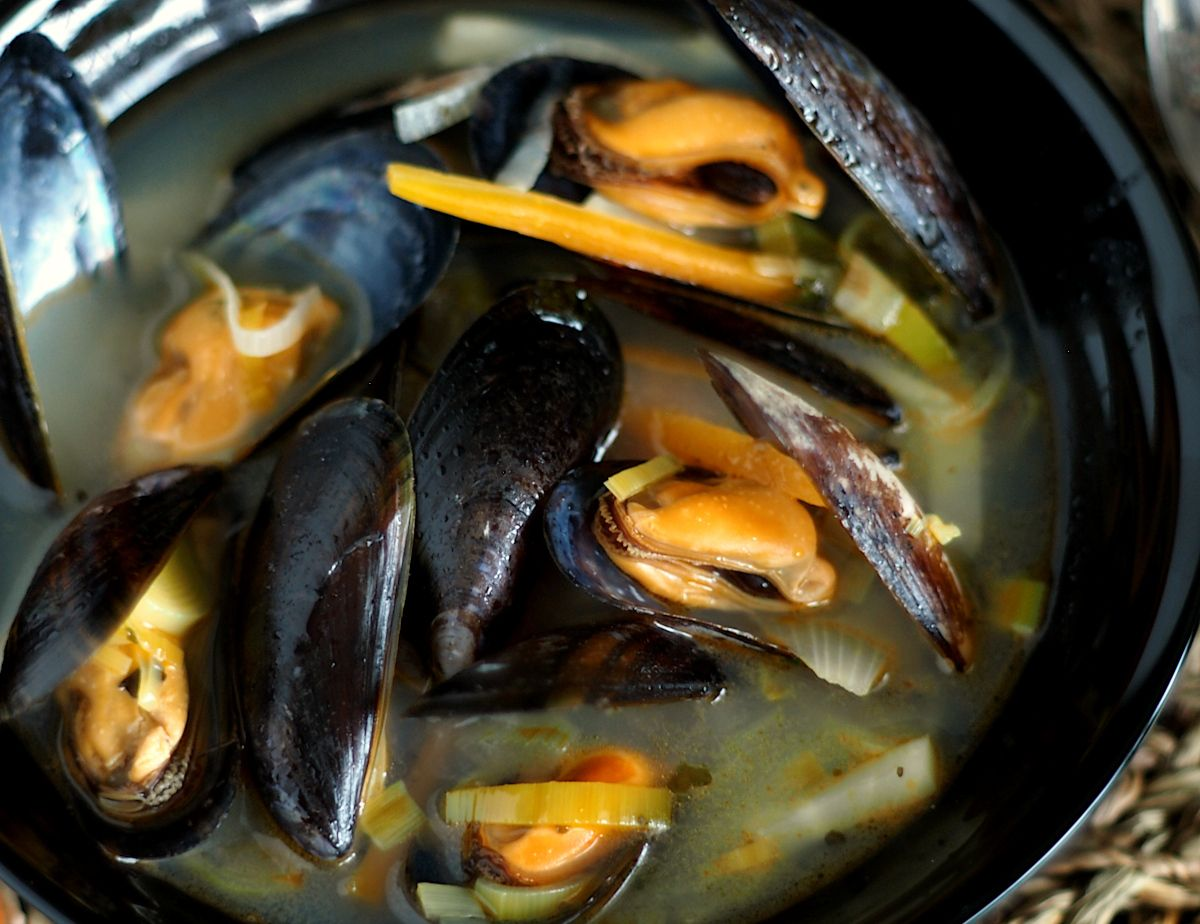
5. Muscheln Rheinische Art: North Sea Mussels in Rhine Wine
The final great dish of the Rhineland table brings together two of the region's most important resources in a preparation that is at once simple and deeply characteristic of the local food culture: Muscheln Rheinische Art, or mussels cooked in the Rhine manner. The dish combines North Sea mussels, sourced from the cold, productive waters off the German and Dutch coasts, with the white wines of the Middle and Upper Rhine to create a preparation that is both an expression of the river's geography and a demonstration of the Rhineland cook's instinct for combining ingredients that belong naturally together.
The mussels must be fresh: this is a dish that lives or dies on the quality of the central ingredient, and a mussel that is even a day past its prime will undermine everything else in the pot. They are cleaned carefully, any open or damaged shells discarded, and then placed in a large wide pot with a stock built from dry Rhine white wine, preferably a Riesling from the Rheingau or a Silvaner from Rheinhessen, combined with water, finely diced celery, carrot, onion, leek, bay leaves and a few peppercorns. The pot is covered and the mussels are steamed over high heat for four to five minutes, shaking the pot occasionally, until every shell has opened and the mussels within are just cooked through, still plump and tender rather than shrunken and rubbery from overcooking.
They are served immediately, in deep bowls or soup plates, in their shells, with a ladleful of the fragrant cooking stock poured over them. The stock at this point has been enriched by the juices released from the mussels during cooking and has developed a complexity and depth that makes it as worth drinking as the mussels themselves: briny, faintly sweet, with the clean mineral acidity of the Rhine wine running through it like a current. Some variations of the dish substitute beer or a light vegetable broth for some or all of the wine, which produces a rounder, slightly less acidic result. But the wine version, made with a good Rhineland Riesling, is the most traditional and the most rewarding.
The accompaniments are straightforward and should not be complicated: dark rye bread and good butter, to mop up the broth, and nothing else. The dish works equally well as a generous starter or as a main course for a light meal, and it is particularly well suited to autumn eating when the mussels are at their fattest and most flavourful, the Rhine wine vintage is fresh and the first cold weather of the season has arrived to make a bowl of hot, fragrant mussels feel like precisely the right thing.
The Rhineland teaches you something that the celebrated wine regions of France and Italy sometimes forget: that the greatest food is not always the most complicated. A cold slice of blutwurst with a glass of Riesling. A bowl of mussels in wine stock with dark bread alongside. A plate of reibekuchen with apple sauce at a market stall in the December cold. These are not lesser pleasures. They are the real ones.
Getting to the Rhine Region: Arriving in Cologne and Starting the Right Way
The main gateway to the German Rhine region is Cologne Bonn Airport (CGN), located approximately 15 kilometres southeast of Cologne city centre, with good connections from across Germany and Europe. From the airport, a private airport transfer to central Cologne takes between 20 and 30 minutes door to door, dropping you directly at your hotel without the need for luggage on public transport. The S-Bahn line S13 connects the airport to Cologne Hauptbahnhof in approximately 15 minutes and runs every 20 minutes, providing an economical alternative for those travelling light.
Düsseldorf Airport (DUS), approximately 50 kilometres north of Cologne, offers a wider range of international connections and is a useful alternative entry point for the northern Rhine region. From Düsseldorf Airport, a private transfer to Cologne takes approximately 40 to 50 minutes depending on traffic. Both airports connect the Rhine region to the rest of Europe with excellent frequency, making even a long weekend in Cologne a realistic proposition from most European cities.
Tips for making the most of the Rhine region: Base yourself in Cologne for at least three nights: the city repays slow exploration far more than a day trip allows. Walk across the Hohenzollern Bridge in the evening when the Rhine is lit by the last of the sunset and the cathedral is illuminated from below. Take the river ferry from Cologne to Bonn on a weekday morning and eat lunch in one of the old town restaurants before returning by train. And do not overlook the wine villages of the Ahr valley, just 50 kilometres south of Cologne: this small, beautiful valley produces some of Germany's finest Pinot Noir and its village wine festivals in September and October are among the most genuinely regional and least touristy food and wine experiences in the country.
Comments
No comments yet. Be the first to share your thoughts!
Leave a Comment
Your comment will appear after moderation.