 Michelle
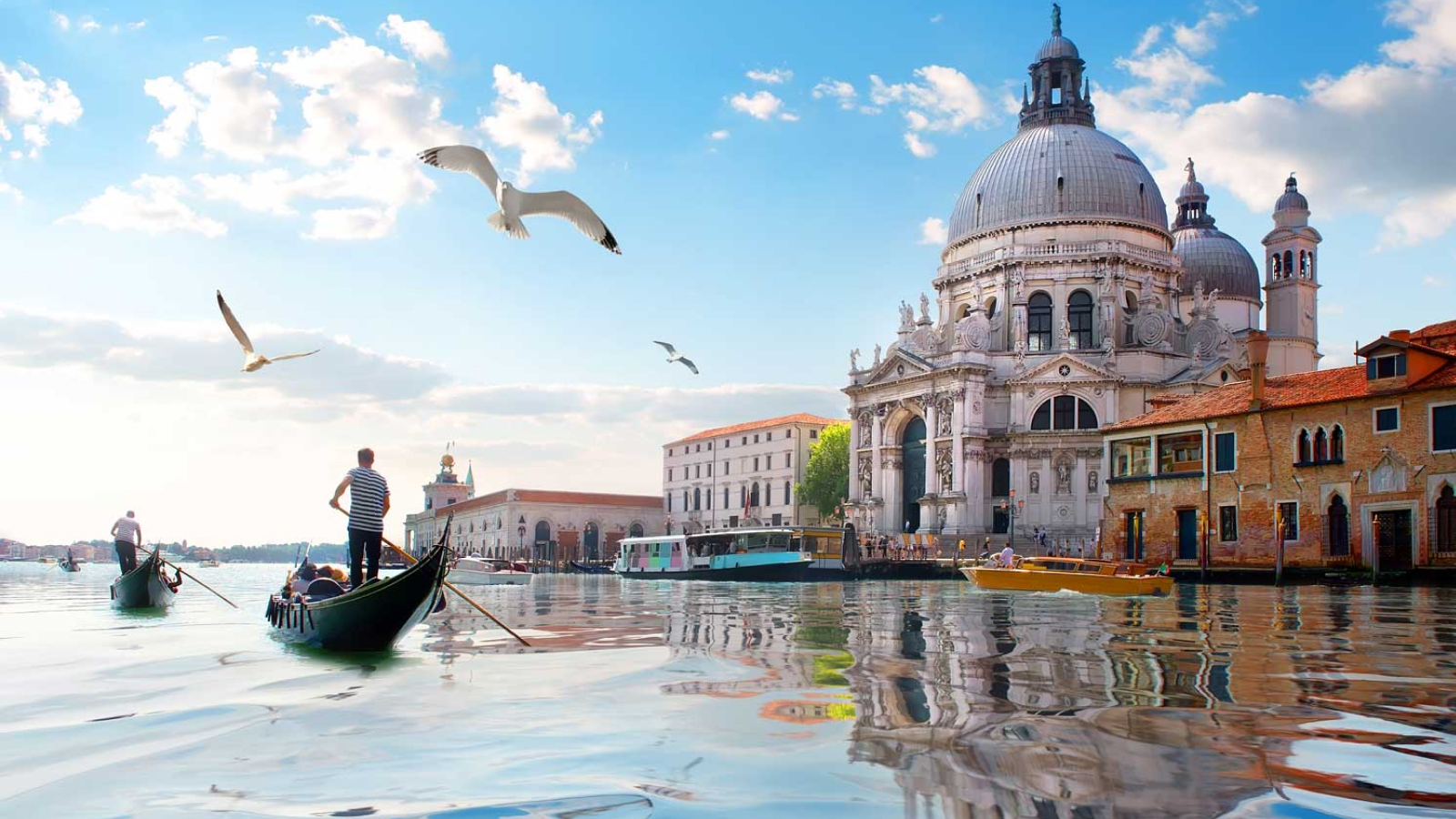
 Venice is one of those cities that carries a reputation for being expensive, and in certain respects that reputation is entirely justified. A canal-side hotel room in August costs more than almost anywhere else in Italy. A gondola ride for two carries a price tag that would make most travellers blink twice. A coffee served at a table in Piazza San Marco costs more than a modest lunch in most Italian cities. And yet the truth is that Venice does not have to be expensive. The city is full of free beauty, genuine local culture that costs almost nothing, and practical strategies that can cut your costs dramatically without cutting a single centimetre of magic from your experience. You just need to know where to look and what to avoid.
1. Visit at the Right Time of Year
The single most effective thing you can do to reduce the cost of a trip to Venice is to choose your dates carefully. The difference in hotel prices between peak and off-peak season in Venice is among the most dramatic of any European city, and timing your visit correctly can save you hundreds of euros on accommodation alone.
The cheapest months to visit are November, January and February (outside the Carnival period). During these months, hotel prices across the city fall by 40 to 60 percent compared to summer rates. The city is quieter, the queues at the main attractions are shorter, the locals are more relaxed and the light on the lagoon, particularly in November with its famous fogs and clear cold mornings, is arguably more beautiful than anything summer can offer. Restaurants are less pressured, menus are more seasonal and staff have more time for genuine hospitality.
March and early April, outside the Easter weekend, are also excellent value: spring arrives, the days lengthen, the gardens of the islands begin to bloom, and prices have not yet climbed to their summer peak. Early October offers a similar combination of good weather, manageable crowds and prices that are beginning their seasonal descent.
Avoid July and August if budget is a concern. These are the most expensive months in Venice, the most crowded, and, frankly, the most uncomfortable: the city in high summer is genuinely hot and humid, and the queues at the Doge's Palace and the Basilica can stretch for an hour or more. If summer is your only option, book everything well in advance to secure the best available rates and make sure you are out and moving before 9am, when the day-trippers from the mainland begin to arrive.
Carnival caveat: The Venice Carnival falls in January or February, and during the ten days of the festival, prices in Venice spike sharply even in the off-season. If you want to visit in winter for budget reasons rather than for the Carnival itself, choose dates that fall outside the festival period. Check the exact Carnival dates for your year before booking.
2. Getting There and Getting Around Without Overpaying
The journey from the airport into Venice is the first point at which many visitors spend more than they need to, and also the first point at which a little planning pays significant dividends.
From the Airport to the City
Venice is served by Marco Polo Airport (VCE), 12 kilometres from the city, and by the smaller Treviso Airport (TSF), approximately 30 kilometres away and used mainly by low-cost carriers. From Marco Polo, the options range from the expensive (water taxi directly to your hotel canal-side) to the very economical (ATVO airport bus to Piazzale Roma).
The ATVO airport bus runs every 30 minutes, takes approximately 25 minutes to Piazzale Roma, and costs a fraction of the water taxi. For solo travellers or couples, this is an excellent choice. For groups of three or more, however, a private airport transfer to Piazzale Roma becomes extremely competitive on a per-person basis, and adds the significant comfort of door-to-door service, no bus queues and a driver who will handle your luggage. Always compare the per-person cost before assuming the bus is cheaper for a group.
Getting Around Inside Venice
Once inside Venice, the city is almost entirely pedestrian. The streets are narrow, the bridges numerous, and you will walk far more than you expect. This is not a problem: walking is free, and wandering through the calli (the narrow Venetian streets) is one of the great pleasures of being in the city. Most of the main sights in the historic centre are within reasonable walking distance of each other, and the best way to discover Venice is always on foot.
When you do need the water bus, the vaporetto (ACTV public water bus) is the main public transport system. Single tickets are expensive for occasional use, so if you plan to use the vaporetto more than three or four times per day, a 24-hour, 48-hour or 72-hour travel pass is far better value. These passes are also included in the Venezia Unica city pass at discounted rates. Be aware that tourists frequently make the mistake of buying single tickets each time they board: over a three-day stay, this can cost two or three times more than a multi-day pass.
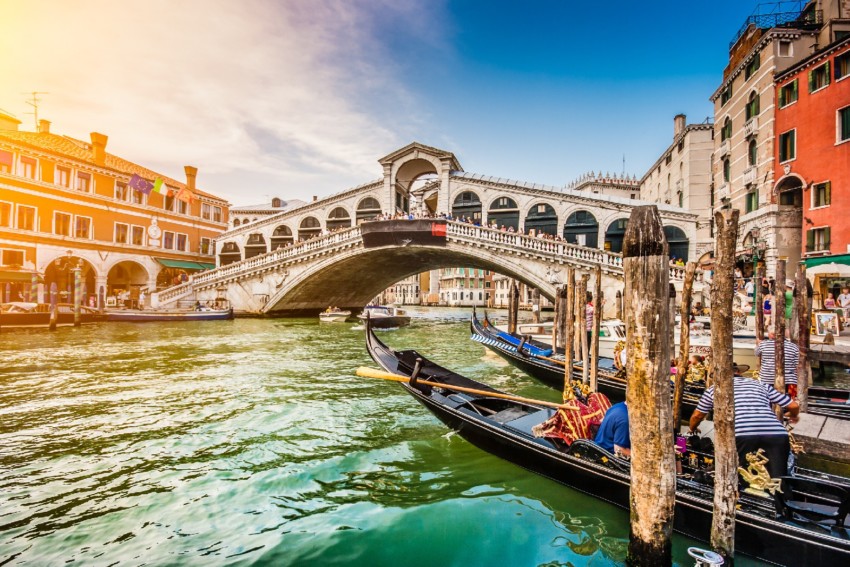
The gondola alternative: A traditional gondola ride costs from 80 euros for a short trip, rising significantly in the evening. If you want the experience of seeing Venice from the water without the price, take vaporetto line 1 along the entire length of the Grand Canal. It takes around 45 minutes from Piazzale Roma to San Marco, costs the price of a single vaporetto ticket, and passes all the same palazzi and bridges. It is one of the great scenic journeys in Europe and costs a tiny fraction of the gondola.
3. The Venezia Unica Card: Is It Worth It?
The Venezia Unica city pass is Venice's official integrated tourist card, allowing visitors to combine public transport, museum entry, church visits (through the Chorus Pass), wi-fi access and other services into a single customisable package purchased in advance online. Whether or not it represents good value depends entirely on how you plan to use it, and a few minutes spent calculating before you buy can save you a meaningful amount.
The card works on a modular system: you choose which services to include, and the total price adjusts accordingly. The baseline combination of public transport and the main civic museums (Doge's Palace, Correr Museum, Ca' Rezzonico, Palazzo Mocenigo and others) represents excellent value compared to purchasing each ticket separately at the door. If you add the Chorus Pass, which gives access to sixteen of Venice's most important churches (including the Frari, the Gesuati and Santa Maria dei Miracoli), the saving becomes very significant indeed.
The card is less good value if you only plan to visit one or two museums, or if you are staying for fewer than two full days. In those cases, individual tickets, purchased online in advance to avoid queuing, may be cheaper. Always do the calculation for your specific itinerary before committing to the full pass.
Book online, always: Whether you are buying the Venezia Unica card, individual museum tickets or the Chorus Pass, always purchase online before your visit. Online prices are consistently lower than at-the-door rates, you avoid the queues at ticket offices entirely, and for the Doge's Palace in peak season, online booking can mean the difference between walking straight in and waiting an hour and a half in the sun.
4. Free and Low-Cost Things to Do in Venice
Venice's greatest experiences do not come with a price tag, and this is perhaps the city's best-kept secret. The beauty of Venice is not contained within museum walls: it is the city itself, the water and the light and the stone, and all of that is completely free.
Walk Across the Rialto Bridge at Dawn
The Rialto Bridge is the most famous bridge in Venice and one of the most photographed structures in Italy. In the middle of the day it is a crush of tourists and selfie sticks. At dawn, with the Grand Canal still and silver below and the fruit and vegetable stalls of the Rialto market beginning to set up on the far bank, it is one of the most peaceful and beautiful places you will ever stand. It costs nothing. Set your alarm, go early, and you will have a photograph that no afternoon tourist will ever replicate.
Explore the Rialto Market
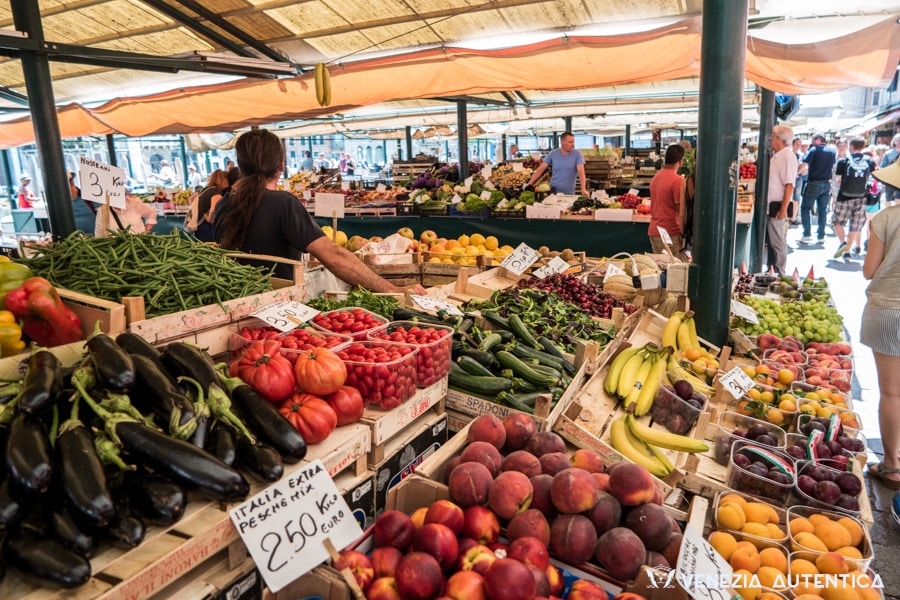
The Mercato di Rialto is one of the oldest and most atmospheric fresh markets in Italy, operating six mornings a week on the banks of the Grand Canal in the San Polo sestiere. The fish market (Pescheria) and the fruit and vegetable market (Erberia) are free to wander through, and the experience of watching Venetian restaurateurs and housewives selecting the day's produce from boats still floating on the canal is something genuinely irreplaceable. Go between 7am and 10am before it closes for the day.
The Basilica di San Marco
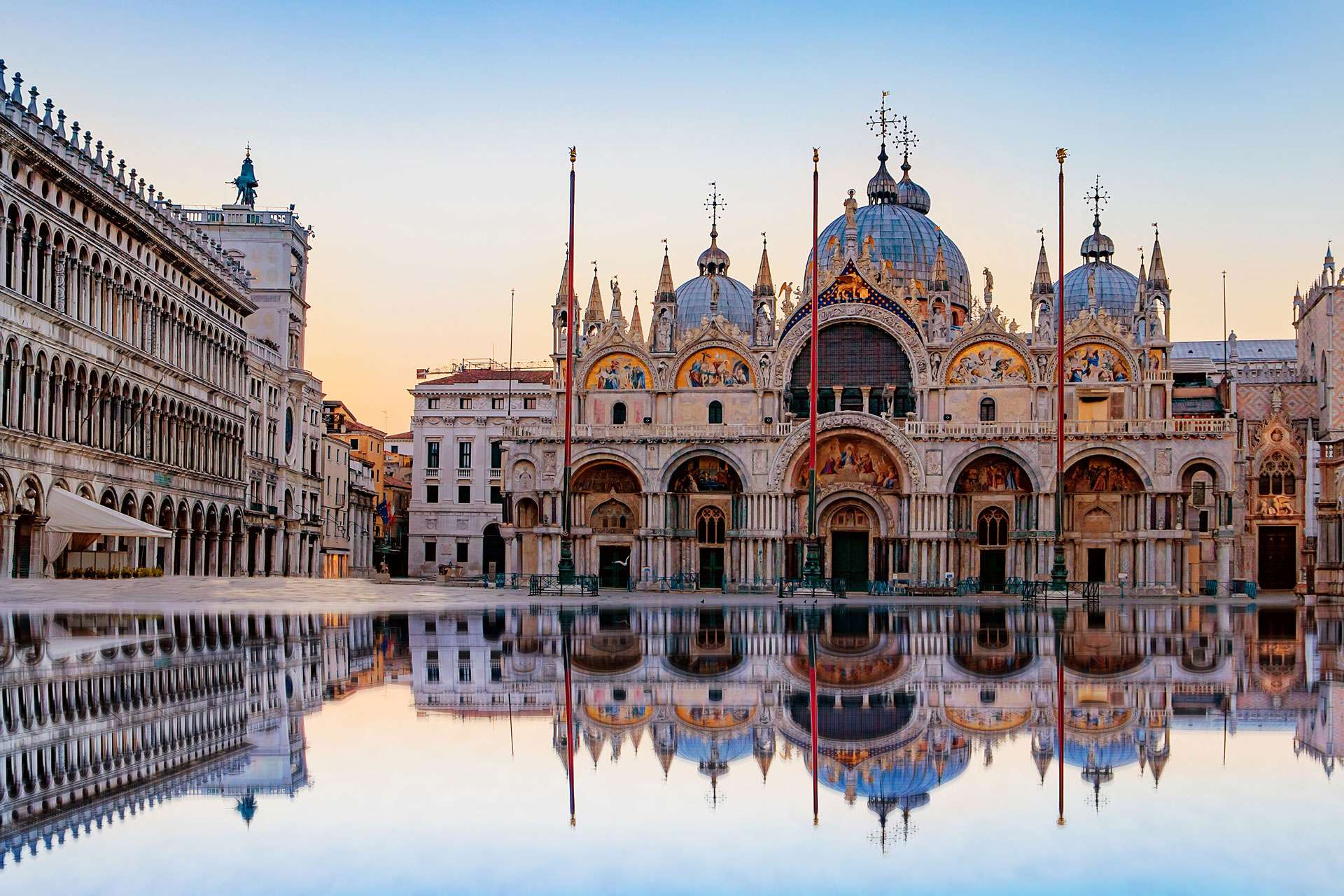
Entry to the main nave of the Basilica di San Marco is free, and this is a fact that surprises many visitors who assume that Venice's most important church must carry an admission charge. You do pay to access certain specific areas: the museum, the loggia with its bronze horses, and the Pala d'Oro (the Byzantine altarpiece of gold and enamel). But simply standing in the nave and looking up at the Byzantine mosaics covering 8,000 square metres of ceiling and wall costs nothing. Make sure you arrive early, when the atmosphere is most reverent and the light from the eastern windows most extraordinary.
The Islands of the Lagoon
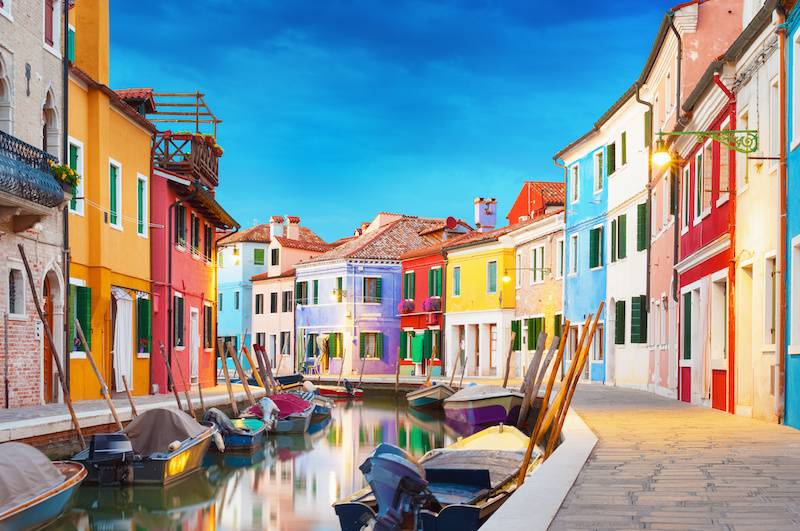
A vaporetto pass (already worth buying for transport reasons) unlocks access to three of the most beautiful islands in the lagoon at no additional cost beyond the transport itself. Murano, famous for its glass-blowing tradition, has several free factory demonstrations open to visitors. Burano, with its rainbow-painted fishermen's houses reflected in the canals, is one of the most photographed places in Italy and entirely free to explore. Torcello, the most remote and the most haunting, has the oldest buildings in the lagoon (the cathedral of Santa Maria Assunta dates to the seventh century) and a silence and stillness that is almost impossible to find in Venice itself.
Sunset from the Zattere
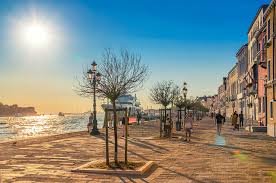
The Zattere, the long waterfront promenade running along the southern edge of the Dorsoduro sestiere, faces the island of Giudecca across a wide stretch of open water. On clear evenings, the light that falls across this stretch of lagoon at sunset is unlike anything else in Venice, with the fading sky reflected in the still water and the silhouette of Giudecca against the western glow. Find a spot on the stone fondamenta, sit down, and watch. It costs nothing and it is one of the most beautiful things Venice has to offer.
Venice's hidden churches: Many of Venice's most extraordinary artistic treasures are contained in small neighbourhood churches that charge no entry or a nominal contribution. The church of Santa Maria dei Miracoli in Cannaregio, a jewel of early Renaissance marble inlay, and San Zaccaria near Piazza San Marco, which contains a Giovanni Bellini altarpiece of breathtaking quality, are just two examples. A map of Venetian churches and a morning spent exploring them costs almost nothing and rewards you with some of the finest art in Italy.
5. How to Eat and Drink Like a Local for Very Little
Food in Venice has a completely unjustified reputation for mediocrity and expense. The reputation exists because of the tourist-trap restaurants that cluster around Piazza San Marco and the main vaporetto stops, serving indifferent food at inflated prices to visitors who do not know there is an alternative. The alternative is the bacaro, and it will transform the way you eat in this city.
Master the Bacaro and the Ombra
A bacaro is a traditional Venetian wine bar, the equivalent of a Spanish tapas bar or a French bistrot de quartier: unpretentious, local, entirely genuine and very cheap. Bacari serve cicchetti (pronounced "chee-KET-ee"), small snacks displayed on the counter: slices of toasted bread topped with salt cod cream (baccala mantecato), a sardine in sweet and sour marinade, a cube of polenta with a slice of soppressa, a tiny meatball, a sliver of artichoke preserved in oil. Each cicchetto costs between one and two euros. An ombra, the traditional small glass of wine (the name refers to the shadow cast by the campanile of San Marco, where wine sellers once sheltered their barrels from the sun), costs one to two euros. A full lunch of five or six cicchetti and two glasses of wine therefore costs eight to twelve euros, is absolutely delicious, and is far more authentically Venetian than anything served in a white-tablecloth restaurant.
The best bacaro territory is concentrated around the Rialto market in San Polo and along the canal in Cannaregio near the Ghetto. Get there between 11am and 1pm, when the cicchetti are freshest and the atmosphere most local. Ask for what the bar recommends that day. Do not look for a table. Stand at the counter, eat with your hands, drink your wine, and feel the city around you. This is how Venice actually works.
The Aperitivo Hour
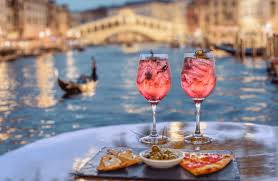
Venice invented the Spritz, and in its home city the drink is still served at prices that seem almost impossibly low by the standards of a European tourist destination. A Spritz al Campari or al Aperol in a neighbourhood bacaro costs two to three euros. The same drink served at a table in Piazza San Marco costs four to five times as much. There is a simple rule: the further you walk from San Marco, the lower the prices and the more genuinely Venetian the experience. Apply this rule consistently and your food and drink budget will thank you.
The Rialto Market Lunch Strategy
If you want a proper sit-down meal in Venice without paying tourist prices, time your visit to the Rialto area at lunchtime and eat at one of the osterie in the immediate vicinity of the market. These restaurants source their ingredients directly from the market stalls each morning and serve traditional Venetian dishes at prices aimed at the people who work in the market rather than at tourists. A full lunch of pasta, a main course of grilled fish and a carafe of local wine typically costs between fifteen and twenty-five euros per person, which is entirely reasonable by any standard. The key is to choose the place where you see local market workers eating, not the place with photographs on the menu displayed outside.
The coffee rule: Coffee at a table in Piazza San Marco costs six to eight euros, a price that includes a surcharge for the location, the orchestra and the history. Coffee standing at the bar in any other part of Venice costs one euro to one euro twenty, which is the standard Italian bar price. Both coffees are Italian espresso. One costs six times more than the other. Choose accordingly, and save the San Marco experience for a special occasion if the atmosphere genuinely matters to you.
6. Tourist Traps to Avoid and What to Do Instead
Venice has refined the art of separating visitors from their money over many centuries, and a number of practices that are entirely legal are nonetheless worth knowing about and avoiding.
The unmetered water taxi. Water taxis in Venice are officially metered, but the meters are not always activated, and tourists who do not insist on seeing the meter running before departure sometimes find themselves presented with a bill for two or three times the standard fare at the end of their journey. Always confirm the price before boarding, or ensure the meter is running. Better still, use the vaporetto or arrange a private transfer from the airport with a fixed price agreed in advance.
The menu senza prezzi. Any restaurant that presents you with a menu without prices is a restaurant where the prices will be decided later, and they will not be decided in your favour. Always ask to see a complete menu with prices before sitting down. If the staff are reluctant to provide one, leave and find somewhere else.
The gondola "short tour." If you do decide to take a gondola, be very clear about the duration and the price before you step aboard. The official rate is 80 euros for 30 minutes during the day (rising in the evening), but the 30 minutes begins when the gondolier judges it has begun, and "short cuts" back to the starting point can shorten the route considerably. Book through official gondolier stations rather than approaching gondoliers on the street for the most transparent experience.
Souvenir shops near San Marco. The masks, glass figurines and miniature gondolas sold in the tourist shops immediately around Piazza San Marco are almost universally manufactured in China and have no connection to Venetian craft traditions. If you want to buy genuine Venetian glass, visit a glass-blowing studio in Murano directly. If you want a genuine handmade mask, find a mascheraro (mask-maker) in the Dorsoduro or San Polo sestieri. You will pay more, but you will own something real.
The sestiere rule: In Venice, price tends to decrease in direct proportion to the distance from Piazza San Marco. The sestieri of Cannaregio, Castello and Dorsoduro have restaurants, bars and shops that serve primarily local residents, and their prices reflect this. Even a ten-minute walk from the main tourist circuit can reduce your costs by 30 to 50 percent for identical services. Explore beyond the obvious, and the city will reward you financially as well as aesthetically.
Accommodation: Where and How to Save
Accommodation in Venice is the single largest cost for most visitors, and the range is enormous: from luxury hotels in historic palazzi to modest locande in the outer sestieri and hostels with dormitory beds on the Giudecca island. The following strategies can significantly reduce what you spend on a place to sleep without compromising the quality of your experience.
Stay in Mestre. Mestre is the mainland extension of Venice, connected to the historic centre by the Ponte della Liberta road and rail causeway. A train from Mestre station to Venice Santa Lucia takes 11 minutes and runs every few minutes throughout the day. Hotels in Mestre cost between 40 and 60 percent less than equivalent properties inside Venice, and for visitors who plan to spend their days exploring the city rather than sitting in their room, the extra 20 minutes of daily travel is a very reasonable trade-off for a very significant saving. This is the strategy most favoured by experienced budget travellers to Venice.
Book far in advance. Venice hotel prices are extremely dynamic: they rise steeply as availability decreases. The best properties at the best prices go quickly, particularly for weekends, bank holidays and the Carnival period. Booking three to six months in advance for peak periods, and six to eight weeks in advance for off-peak visits, consistently produces lower rates than leaving it to the last moment.
Choose the outer sestieri. If you want to stay inside Venice itself, properties in Cannaregio (the northernmost sestiere, a genuine neighbourhood with few tourists and excellent bacari), Castello (the eastern sestiere, quiet and residential beyond the tourist circuit) and Dorsoduro (home to the university and a genuinely local character) are consistently cheaper than equivalent accommodation in San Marco or near the Rialto.
Luggage logistics: If you are arriving by private transfer from the airport to Piazzale Roma or by ATVO bus, remember that you will need to carry your luggage from Piazzale Roma to your accommodation either on foot (dragging a wheeled suitcase over countless stone bridges and cobbled alleys) or by vaporetto. Book a hotel close to a vaporetto stop or, better still, within reasonable walking distance of Piazzale Roma itself. The effort of navigating Venice with heavy luggage is one of the city's genuine practical challenges, and it is worth factoring into your accommodation choice.
Comments
No comments yet. Be the first to share your thoughts!
Leave a Comment
Your comment will appear after moderation.