 Michelle
 There is a persistent myth about Rome: that to experience the city properly, you need to spend a great deal of money. It is understandable. The city is home to some of the most celebrated paid attractions in the world, hotels in the centro storico command serious prices, and the restaurants surrounding the major landmarks are among the most cynically overpriced in Italy. But the myth is wrong. The truth about Rome is that the vast majority of its greatest experiences, those that will stay with you for the rest of your life, are either free or extraordinarily affordable. Rome is a generous city. You just need to know where to look.
The Free Rome That Most Visitors Never Discover
Rome's streets, piazzas, fountains and churches are not merely background scenery for the paid attractions. They are the city itself, and they are among the most extraordinary things you will ever encounter anywhere in the world. Walking through the centro storico without an agenda, without a list of sites to tick off, without a paid entry ticket in your hand, is one of the great travel experiences Europe has to offer.
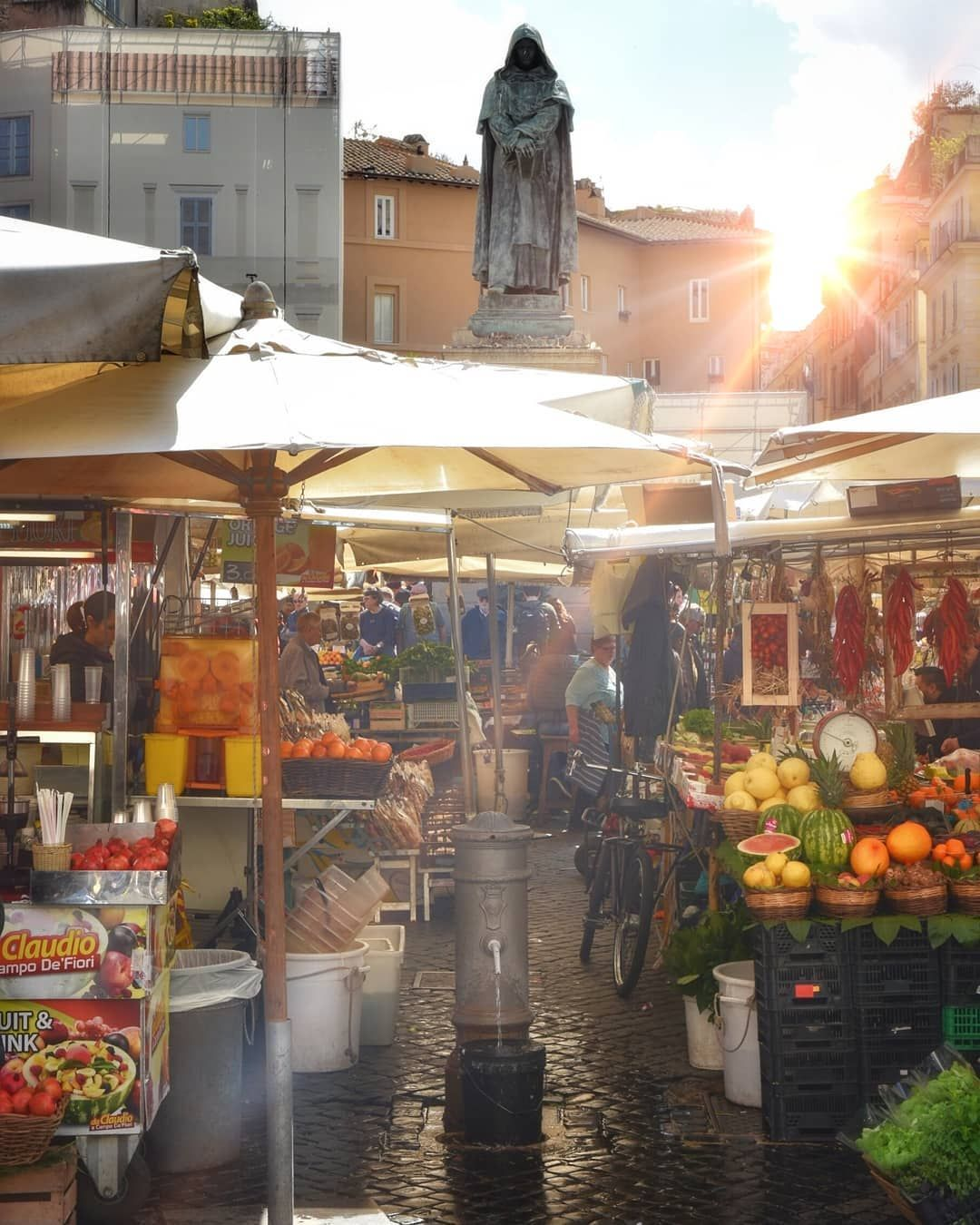
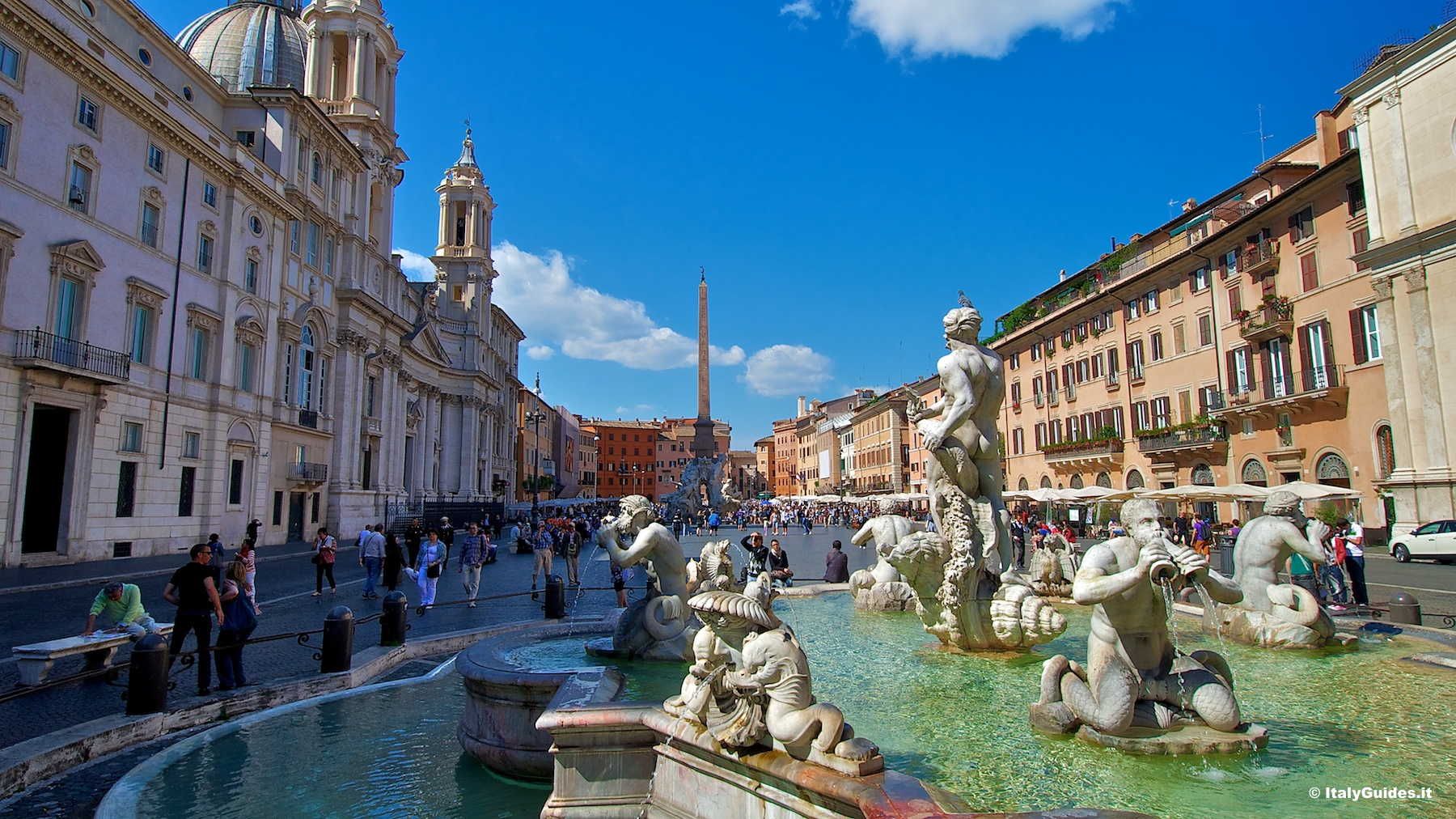
The Trevi Fountain, the most famous fountain in the world, costs nothing to stand in front of. The Piazza Navona, built over the ancient stadium of Domitian and surrounded by Baroque architecture of breathtaking quality, is a public space. The Campo de Fiori hosts a free morning market every day except Sunday. The Piazza del Popolo, with its twin churches and Egyptian obelisk, requires no ticket. The Janiculum Hill above Trastevere offers one of the finest panoramic views over Rome and is reached by a pleasant walk through a public park. None of these things cost a single euro, and all of them are extraordinary.
Rome also has over 2,500 drinking fountains, the beloved nasoni, distributed throughout the city and producing a continuous flow of clean, cold drinking water. Carry a refillable bottle and you will never need to buy bottled water anywhere in the centro storico. In a city where a small bottle of water from a tourist kiosk can cost two or three euros, this is a genuinely useful piece of information.
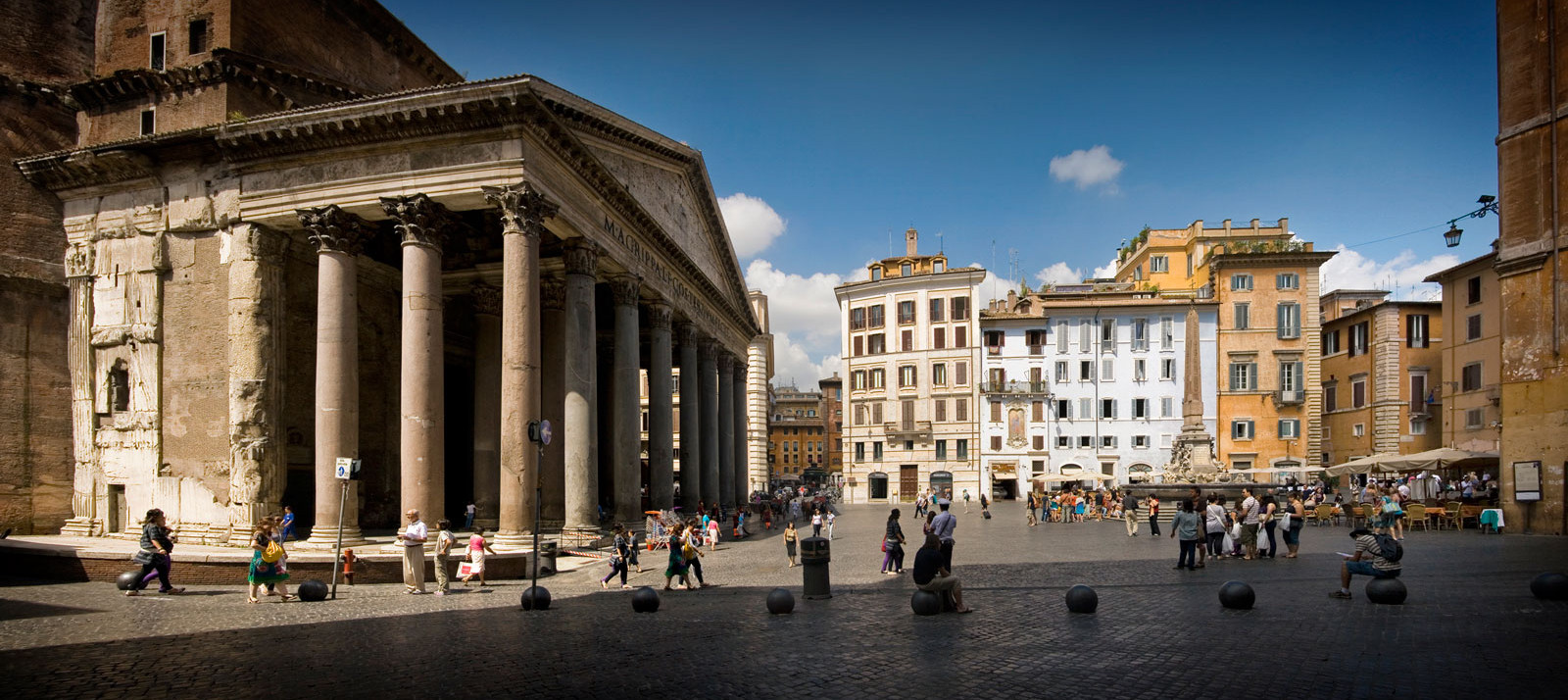
The single best free activity in Rome: Get up at dawn and walk from the Trastevere neighbourhood across the Tiber to the Pantheon, through the Campo de Fiori and on to the Trevi Fountain. The streets are empty, the light is extraordinary, and you will cover some of the greatest urban spaces ever created by human beings without spending a cent or sharing them with anyone.
1. Free Museums, Free Days and Free Entry Secrets
Rome has more free cultural content than any other city in Italy, and possibly in Europe. Here is how to access as much of it as possible.
Saint Peter's Basilica
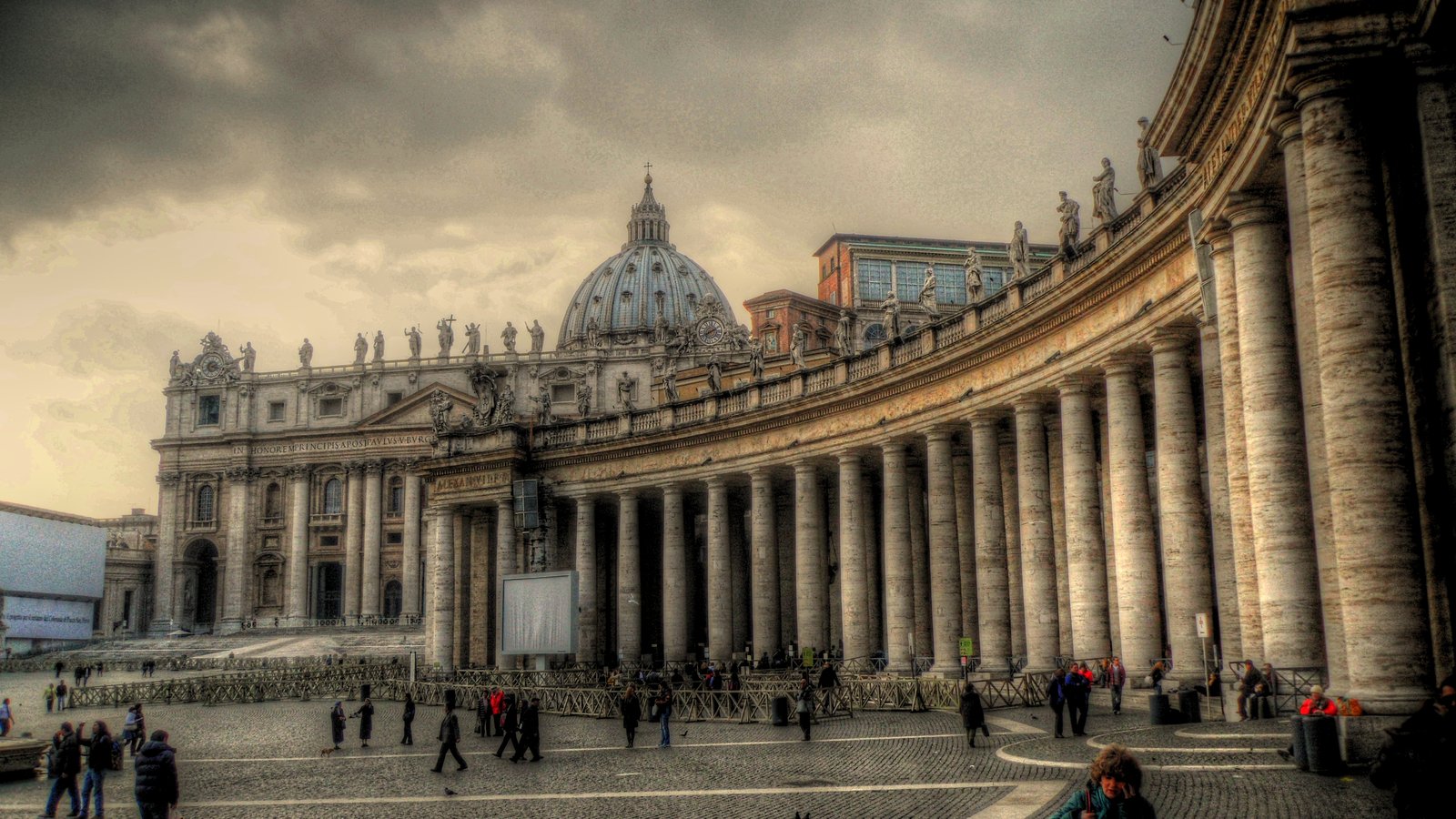
Entry to Saint Peter's Basilica is completely free. This is one of the most significant facts about budget travel in Rome, and one that a surprising number of visitors either do not know or do not fully appreciate. The basilica is the largest church in the world, built over the tomb of the Apostle Peter, and it contains works by Michelangelo, Bernini and Raphael of a quality and scale that are genuinely impossible to describe. The Pieta alone, Michelangelo's marble sculpture of the Virgin holding the body of Christ, is worth a transatlantic flight. You pay nothing to stand in front of it.
What is not free at the Vatican is entry to the Vatican Museums and the Sistine Chapel, which require a timed-entry ticket. However, on the last Sunday of every month, the Vatican Museums open their doors free of charge to all visitors. The catch is significant: queues begin forming before dawn and can stretch for two to three hours by the time the museum opens at 9 in the morning. If you plan to use this opportunity, arrive before 7am, bring something to eat, and accept the queue as part of the experience. The reward, standing in the Sistine Chapel having paid nothing, is considerable.
The Capitoline Museums — Free on the First Sunday of the Month
The Capitoline Museums, the oldest public museums in the world, occupy two palaces on the Capitoline Hill designed by Michelangelo and contain one of the great collections of ancient Roman sculpture, including the original Marcus Aurelius equestrian statue and the Capitoline Wolf. On the first Sunday of every month, entry is free. The museums also offer one of the best views over the Roman Forum, from their terrace, that you will find anywhere in Rome.
Rome's Churches: the World's Greatest Free Art Galleries
This is perhaps the most significant budget travel secret in Rome, and it is hiding in plain sight. The city contains hundreds of Catholic churches, and the majority of them are open to visitors at no charge. Inside these churches you will find original works by Michelangelo, Raphael, Caravaggio, Bernini, Borromini and dozens of other artists whose paintings and sculptures fill the world's most expensive auction houses. The quality and quantity of art accessible for free inside Rome's churches is genuinely staggering.
A few highlights that no budget traveller should miss. The Church of San Luigi dei Francesi, just off the Piazza Navona, contains three extraordinary large-format paintings by Caravaggio depicting the life of Saint Matthew. The Church of Santa Maria del Popolo, in the Piazza del Popolo, houses two more Caravaggios plus the Chigi Chapel designed by Raphael. The Church of San Pietro in Vincoli, a short walk from the Colosseum, contains Michelangelo's Moses, a work of such physical intensity and psychological depth that it consistently reduces visitors to silence. None of these cost anything to enter. All of them require only covered shoulders and knees, a little respectful quiet, and your full attention.
The Caravaggio trail: Rome contains more original Caravaggio paintings in accessible public locations than any other city in the world. San Luigi dei Francesi, Santa Maria del Popolo, the Church of Sant'Agostino (near the Piazza Navona), the Church of Santa Maria della Scala in Trastevere. All free. All extraordinary. Plan a morning around finding them and you will spend nothing and see some of the most powerful paintings ever made.
Villa Borghese and Rome's Public Parks
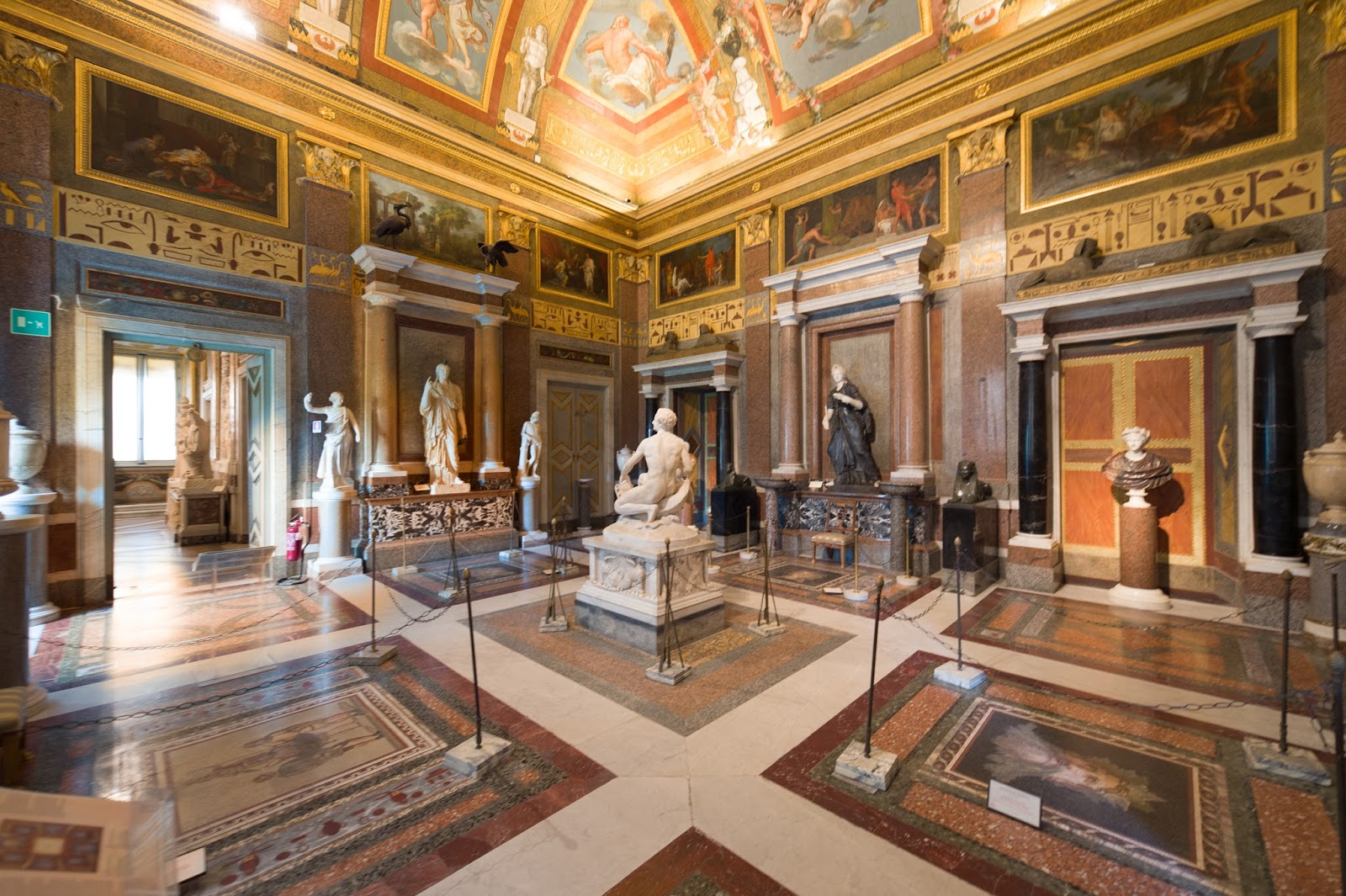
The Villa Borghese, Rome's great park on the hill above the Piazza del Popolo, is free to enter and completely open to the public. You can spend an entire morning wandering its gardens, visiting the small lake, watching the Roman families picnicking, and enjoying sweeping views over the city from the Pincian Hill terrace, all at no cost. The Borghese Gallery inside the park, which contains some of the finest sculpture and painting in Italy, does require an advance reservation and an entry ticket, but the park itself is free and genuinely beautiful.
2. The Best Free Viewpoints in Rome
Rome is a city of hills, and from those hills the views are extraordinary. Here are the finest free viewpoints in the city, none of which cost a single euro.
The Janiculum Hill (Gianicolo) above Trastevere is, in the opinion of many Romans, the finest panoramic viewpoint in the city. The terrace at the top offers a sweeping 180-degree view over the entire centro storico, from Saint Peter's dome on the right to the Vittoriano monument on the left, with the Colosseum visible in the distance on clear days. It is reached by a pleasant walk up through Trastevere or by a short bus ride, and at the top there are benches, shade trees, a small cafe, and a theatrical cannon that is fired every day at noon as it has been since 1847.
The Pincian Hill terrace in the Villa Borghese park offers a similarly spectacular view over the Piazza del Popolo and the rooftops of the city, with the dome of Saint Peter's perfectly framed in the distance. Arrive at sunset and you will understand immediately why painters have been coming here for centuries.
The Orange Garden (Giardino degli Aranci) on the Aventine Hill is one of Rome's secret viewpoints: a small, perfectly kept public garden planted with orange trees that offers an intimate and less crowded view over the Tiber and the dome of Saint Peter's. Nearby, the keyhole of the Knights of Malta priory on the Piazza dei Cavalieri di Malta frames the dome of Saint Peter's in a perfectly composed view through three archways of clipped hedges. The queue to look through the keyhole is usually short and the experience is one of those small, delightful surprises that Rome produces with effortless regularity.
The Capitoline Hill (Campidoglio), designed by Michelangelo and the symbolic centre of ancient Roman power, is free to walk up and offers superb views over the Roman Forum from the terrace behind the Palazzo Senatorio. The view from here, looking down the length of the Forum towards the Arch of Titus and the Colosseum beyond, is one of the great urban vistas in the world. Stand there at golden hour and you will feel the full weight of two thousand years of history in a single glance.
Best time for viewpoints: The hour before sunset is the finest time for any of Rome's hilltop viewpoints. The light turns golden and warm, the city's ochre and terracotta facades glow, and the dome of Saint Peter's seems to float above the roofline like something from a painting. Bring a camera with a fully charged battery and plan to stay until the light fades completely.
3. How to Eat Well in Rome Without Spending Much
Food in Rome can be either extraordinary value or an expensive disappointment, and the difference between the two has almost nothing to do with the quality of the cooking and almost everything to do with where you choose to sit. Here is how to eat like a Roman on a budget.
Pizza al taglio (pizza by the slice) is Rome's great budget food and one of the best things you will eat in Italy at any price. Roman pizza al taglio is baked in rectangular trays, cut to the size you request with scissors, weighed and priced accordingly. A generous lunch of two or three slices from a good forno will cost between three and six euros. Look for bakeries where the pizza comes out of the oven frequently and the queue is predominantly local. The neighbourhood around the Campo de Fiori, the Prati district near the Vatican, and almost anywhere in Trastevere have excellent options.
Supplì are Rome's equivalent of the Sicilian arancino: fried rice balls with a molten core of tomato sauce and mozzarella that are sold from street counters and focaccerie throughout the city for one to two euros each. They are addictive, filling and quintessentially Roman. Eating two or three of them standing at the counter of a forno in the Campo de Fiori market costs almost nothing and tastes better than a restaurant meal costing ten times as much.
For a proper sit-down meal, the key is distance from landmarks. The further you walk from the Colosseum, the Trevi Fountain, the Vatican or any other major site, the better the quality and the lower the prices. In the residential neighbourhoods of Testaccio, Ostiense, Pigneto or Prati, a full lunch including a first course, a second course, a side dish, house wine and water commonly costs between 12 and 18 euros per person at a traditional trattoria. The same meal within sight of the Colosseum can cost three times as much and be half as good.
The mercati rionali, Rome's neighbourhood markets, are worth seeking out both for their food and for their atmosphere. The Testaccio market is particularly excellent: a covered market in the old working-class neighbourhood south of the Aventine Hill where you can buy perfect local cheese, cured meats, freshly made pasta, seasonal vegetables and prepared food at prices that make the tourist restaurants seem almost comically overpriced. Assembling a market lunch and eating it on a bench in the nearby park costs almost nothing and is one of the most authentically Roman experiences available to a visitor.
For coffee, always stand at the bar. Sitting at a table, particularly outside, triggers a service charge that can double or triple the price of your espresso. A standing espresso at the bar costs between one and one and a half euros almost everywhere in Rome. It is the way Romans drink coffee, it is the correct way to drink Roman espresso, and it costs a fraction of what the same coffee costs if you sit down.
Common tourist mistakes that cost money: Buying water from tourist kiosks near attractions when Rome has over 2,500 free drinking fountains. Eating at restaurants within direct line of sight of the Colosseum, the Vatican or the Trevi Fountain. Sitting down for coffee in a piazza without checking whether a table surcharge applies. Taking taxis without confirming the rate first or using unmetered cabs. Paying for audio guides at sites where equally good free alternatives are available via official apps. Buying bottled water at all, when the tap water throughout Rome is completely safe to drink and excellent in quality.
4. Getting Around Rome on a Budget, and Arriving Without Overspending
Rome is, above all other things, a walking city. The centro storico is compact, the streets are endlessly interesting, and the majority of the major sites are within comfortable walking distance of one another. If your accommodation is anywhere near the historical centre, you may find that you barely need public transport at all. Walking is not just the cheapest way to get around Rome; it is, categorically, the best way.
When you do need public transport, Rome's metro, bus and tram network is efficient and inexpensive. A single ticket, which covers 100 minutes of travel on any combination of buses, trams and metro, costs 1.50 euros. A 24-hour pass costs 7 euros, a 48-hour pass 12.50 euros and a 72-hour pass 18 euros. All are available from vending machines at metro stations and at most tobacco shops (tabaccherie). On a budget trip where you are primarily walking, a handful of individual tickets for longer cross-city journeys is typically the most cost-effective approach.
Taxis in Rome are metered and regulated, and legitimate licensed cabs are reliable and honest. The problem is the unofficial drivers who approach tourists at airports, train stations and major landmarks. Never accept a ride from anyone who approaches you. Take only official white taxis with the meter running and the Rome municipal livery, or use a reputable ride-hailing app. The fixed official rate from Fiumicino Airport to the city centre is set by the municipality, so ask what the rate is before you get in.
For the airport transfer itself, a private transfer booked in advance gives you a fixed, transparent price with no surprises, door-to-door service with your luggage handled, and a professional driver who knows the city. When you are travelling on a budget and every euro matters, the last thing you want is to arrive exhausted after a long flight and find yourself haggling with an unlicensed driver in an unfamiliar language. Booking in advance removes that risk entirely and often costs less than you expect.
Comments
No comments yet. Be the first to share your thoughts!
Leave a Comment
Your comment will appear after moderation.