 Michelle
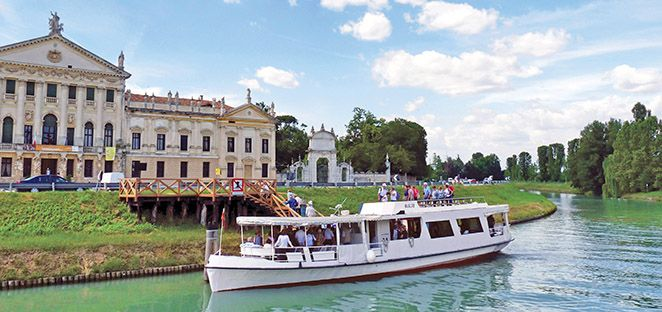
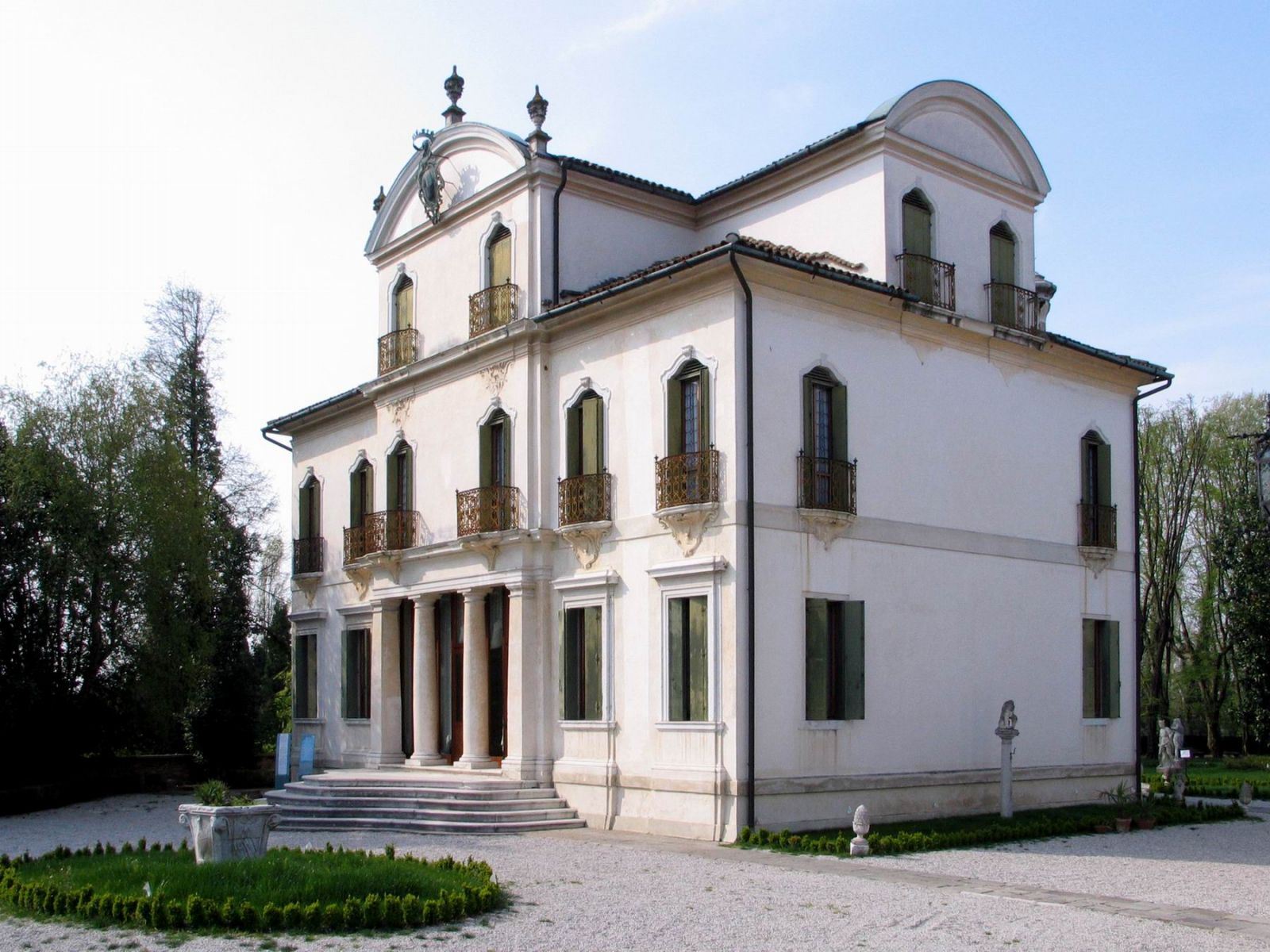
 There is a journey that begins at the edge of Venice, slips quietly away from the crowds and the campanili, and carries you, by water, into one of the most beautiful and overlooked corridors in all of Italy. The Brenta Riviera stretches for some 36 kilometres between the lagoon and the city of Padua, tracing the course of a river that was once the summer address of the Venetian aristocracy. Along its banks stand the villas of the Brenta — more than eighty of them, ranging from modest country houses to full-scale Palladian palaces, their facades reflected in the slow-moving water, their gardens spilling down to the riverbank in a procession of fountains, statues and clipped hedgerows. To cruise along the Brenta is to slip through five centuries of Venetian history at the pace of the current itself.
A River of Palaces: The History of the Brenta Riviera
To understand the Brenta Riviera, you need to understand one essential fact about life in the Venetian Republic: the city of Venice, for all its beauty and magnificence, was not a comfortable place to spend the summer. Crowded, humid, surrounded by the brackish water of its lagoon, the city in July and August was hot, airless and prone to the spread of disease. For the great noble families who governed the Republic, escaping to the mainland for the warm months was not a luxury but a necessity.
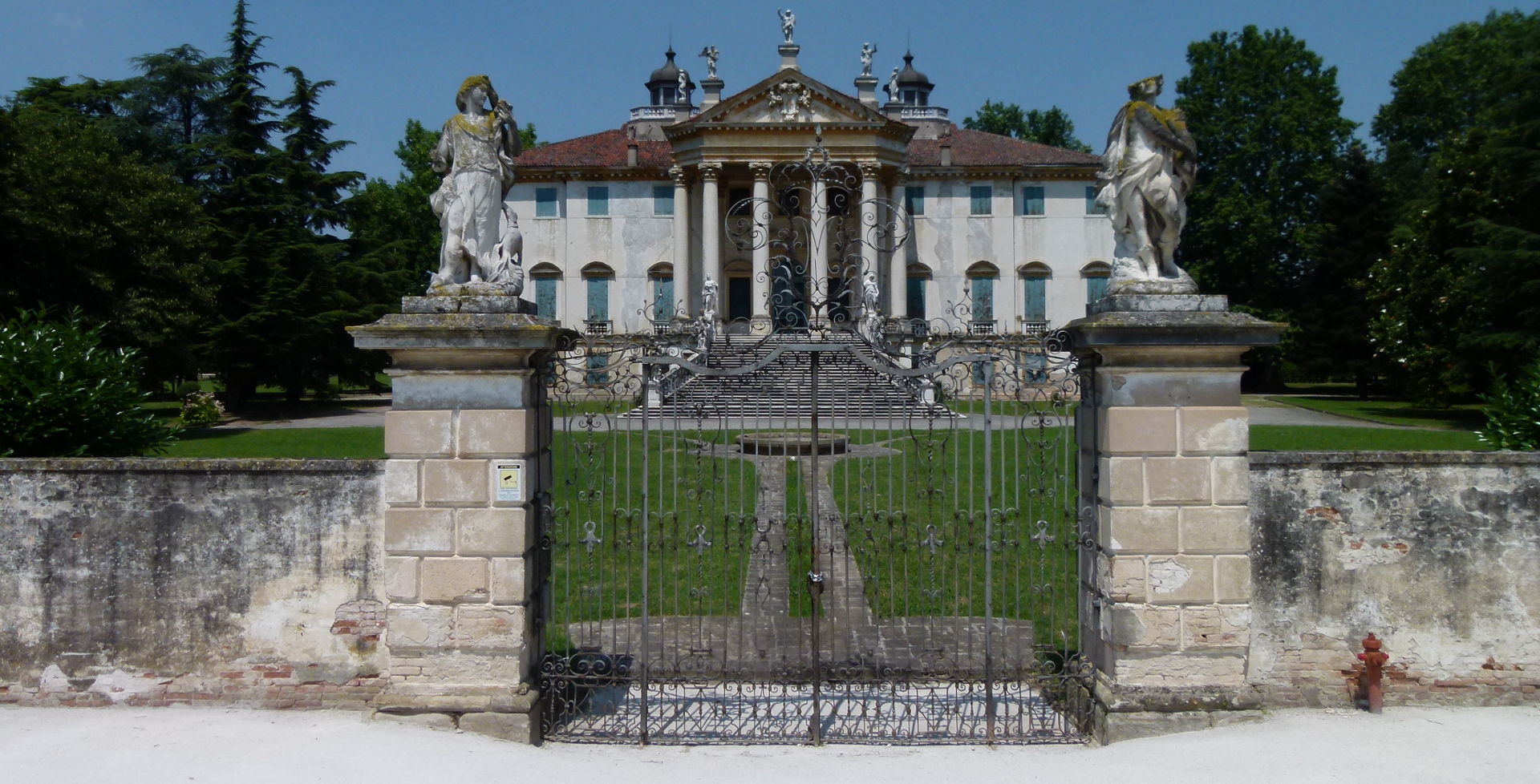
From the sixteenth century onwards, the Brenta Riviera became the destination of choice. Close enough to Venice to maintain contact with the machinery of government, yet far enough to breathe cleaner air and enjoy the pleasures of the countryside, the river corridor between Fusina and Stra became lined with some of the most ambitious private architecture ever commissioned in the Veneto. The greatest architects of the age were called upon to design these residences: Andrea Palladio, Vincenzo Scamozzi, Giambattista Zelotti. The greatest painters were invited to decorate their interiors: Giovanni Battista Tiepolo produced some of his most dazzling frescoes for the Villa Pisani. The gardens were laid out by landscape designers of European reputation.
For three months each year, from June to September, the Brenta Riviera was the social hub of the Venetian world. Noble families would travel from Venice in their private boats, called burchielli, accompanied by servants, musicians and an entire retinue of household staff. Regattas were held on the river. Theatrical performances were staged in villa gardens. The great and the good of Venetian society promenaded along the riviera in the cool of the evening. Carlo Goldoni, the great Venetian playwright, immortalised this world of aristocratic leisure and social intrigue in his plays. Lord Byron lived for a time at Villa Foscarini in Dolo. The Brenta Riviera was, in short, the most fashionable address in northern Italy for two centuries.
Did you know? The word riviera does not originally refer to a coastline but to a riva, a riverbank. The Brenta Riviera was the original Italian riviera, centuries before the term was applied to the Mediterranean coast. When Venetian nobles spoke of going to the riviera for the summer, they meant this river.
1. When Is the Best Time to Visit the Brenta Riviera?
The Brenta Riviera is at its most beautiful in the shoulder seasons, and the best time to make the cruise is between late April and early June, or between September and mid-October. In spring, the gardens of the villas are in full flower, the light on the water is extraordinary, and the crowds have not yet arrived in force. In early autumn, the harvest is underway in the surrounding vineyards, the foliage begins to turn along the riverbanks, and the atmosphere is one of golden, unhurried tranquillity.
Summer, specifically July and August, brings its own appeal: the full programme of cruise departures is in operation, the villa interiors are open with extended hours, and the gardens are at their most manicured and impeccably maintained. However, the heat along the river can be intense, and popular villa tours tend to be crowded. If you do visit in summer, make sure you book your cruise tickets well in advance and plan to spend the hottest part of the afternoon indoors, in the frescoed rooms of one of the villas.
The Burchiello cruise operates from March to November, and tickets for the most popular departures (particularly weekends in May and October) sell out weeks ahead. The cruise does not run in winter, when several of the villas are also closed to visitors.
Pro tip: If you can visit on a weekday, do so. Weekend cruises and villa tours are significantly more crowded, particularly in May and June. A Tuesday or Wednesday cruise in late spring gives you a far more intimate experience of the villas, with smaller groups and a genuinely peaceful atmosphere on the river.
2. How to Get to Venice and Reach the Riviera
Venice is served by Marco Polo International Airport (VCE), one of the most beautifully situated airports in Europe, rising from the edge of the lagoon approximately 12 kilometres north of the city. The airport receives direct flights from most major European cities as well as long-haul connections from the Americas, the Middle East and Asia. A second airport, Treviso Airport (TSF), located about 30 kilometres from the city, serves a number of low-cost carriers and offers connections to destinations across Europe.
Getting from Marco Polo Airport into Venice deserves careful thought, particularly if you are arriving with luggage and heading directly to your hotel. The most comfortable option by far is a private airport transfer, which takes you directly to Piazzale Roma (the closest point in Venice accessible by road) in around 20 to 30 minutes, depending on traffic. From Piazzale Roma, water taxis and vaporetti can take you to your hotel or directly to the departure point of the Burchiello cruise.
The Burchiello cruise departs from Punta di Dogana, near the Salute church at the entrance of the Grand Canal, and arrives in Padua in the early evening. The return journey (Padua to Venice) departs from the Portello dock near the Padua botanical garden. Both directions are equally spectacular, and the choice of direction is largely a matter of personal preference and logistics. If you are spending your nights in Venice, departing from Venice and returning by bus or train from Padua is the most practical arrangement.
For those arriving at Treviso Airport, a private transfer directly to Piazzale Roma in Venice or to your hotel in Mestre takes approximately 40 minutes and eliminates the need to navigate public transport connections with luggage after a long flight.
The first sight of Venice from the water is one of those moments that no photograph can adequately prepare you for. The city appears to float, improbably, at the edge of its own reflection. Make sure you give yourself at least one full day in Venice before or after your Brenta cruise. To rush it would be a mistake you would regret.
3. The Burchiello Cruise: Everything You Need to Know
The burchiello was the traditional flat-bottomed river barge that Venetian nobles used for centuries to travel between their palaces in the city and their villas along the Brenta. Modern reproductions of these boats now operate the most celebrated tourist cruise in the Veneto, and the experience they offer is genuinely extraordinary. The current Burchiello service operates comfortable, well-appointed boats with covered and open-air decks, a bar service, and expert multilingual guides who provide commentary throughout the journey.
The full-day cruise departs in the morning and travels at a leisurely pace along the river, stopping at three or four selected villas for guided interior and garden tours. Along the way, the boat passes through a series of historic river locks, called chiuse, that are among the most fascinating pieces of hydraulic engineering you will encounter anywhere in Italy. Watching the boat slowly rise or fall as the lock gates open and the water level adjusts is an experience that delights travellers of all ages. The locks have been in operation in various forms since the Middle Ages, and the technology, while modernised, remains essentially the same as it was five centuries ago.
The cruise covers approximately 36 kilometres and lasts a full day, with the boat arriving at its destination (Venice or Padua, depending on the direction) in the late afternoon. The journey is unhurried by design. There is no sense of being rushed from villa to villa. You have time to absorb the architecture, to wander through the gardens, to stop for lunch at a riverside restaurant and sit for a while, watching the river move.
Book well in advance. The Burchiello cruise is one of the most popular day trips from Venice, and departures on weekends in spring and early autumn sell out quickly. Tickets can be purchased directly through the Il Burchiello website. Make sure you book the full guided cruise, not just the boat passage, to gain access to the villa interiors with an expert guide.
For those with less time, a shorter alternative to the full cruise is possible. Several of the most important villas along the Brenta can be reached independently by the regional bus service (SITA Nord) that connects Venice and Padua along the riviera road. This is a more flexible, less expensive option, though you lose the magic of arriving and departing by water. If you choose this route, make sure you allocate at least two to three hours per villa: these are not places to be rushed through.
4. The Unmissable Villas Along the Brenta
There are more than eighty villas along the Brenta Riviera, but only a handful are open to the public and regularly included in cruise itineraries. The four that follow are, by any measure, the most significant and the most rewarding to visit.
Villa Foscari (La Malcontenta) — Palladio's Masterpiece
Of all the buildings along the Brenta Riviera, this is the one that will stop you mid-sentence. Villa Foscari, known universally as La Malcontenta, was designed by Andrea Palladio and completed around 1560, making it one of the earliest and most important of his secular works. Its name, meaning "the unhappy woman," refers to a legend that a noblewoman of the Foscari family was exiled here by her husband as punishment for an unnamed transgression, and spent her days in this gilded isolation, yearning for the life of Venice.
The villa faces the river directly, its great Ionic portico rising above a broad flight of steps in a gesture of classical grandeur that influenced architecture across Europe and eventually across the Atlantic, where it echoes in the plantation houses of the American South and the neoclassical buildings of Washington D.C. The interior frescoes by Giovanni Battista Zelotti are among the finest examples of sixteenth-century villa decoration in the Veneto. To stand in the central hall and look up at the vaulted ceiling is to understand, in the most immediate and visceral way, what Palladio meant by harmony.
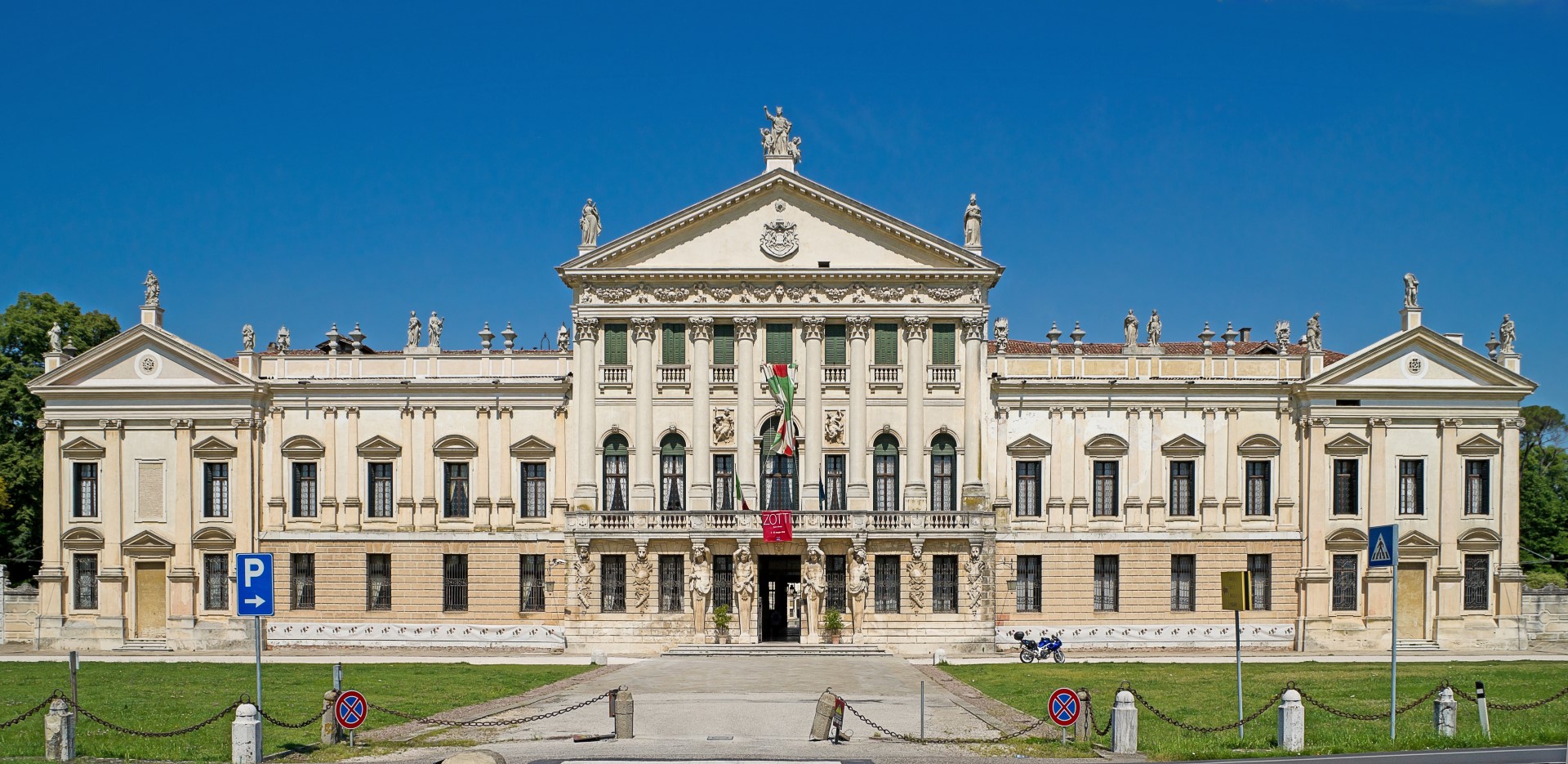
Villa Pisani, Stra — Napoleon's Retreat
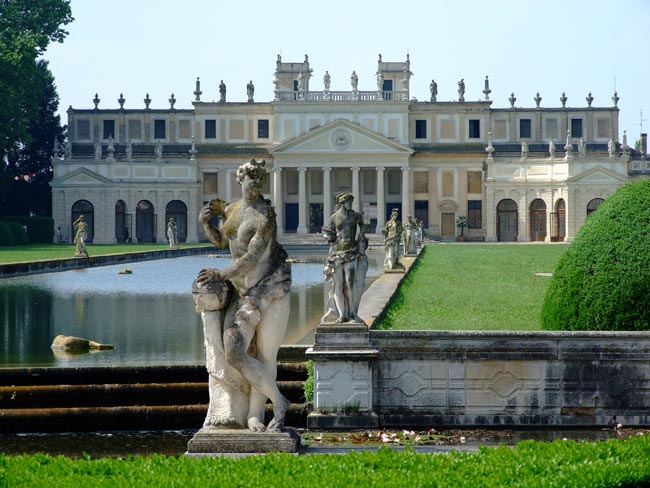
Villa Pisani is the grandest and most theatrical of all the Brenta villas. Built in the early eighteenth century for the Pisani family, one of the most powerful dynasties of the Venetian Republic, it is a full-scale palace of 114 rooms set within 14 hectares of formal gardens. Napoleon used it as a royal residence after the fall of the Republic in 1797, and it later passed through the hands of the Italian royal family. Today it is a national museum, and its contents, ranging from Tiepolo's magnificent ceiling fresco of the Apotheosis of the Pisani Family to an extraordinary collection of period furniture and carriages, are among the finest in the region.
The garden of Villa Pisani contains one of the most famous hedge mazes in Europe, a 500-metre labyrinth of yew hedges planted in 1721. It is said that Napoleon himself became lost in it. Whether or not you believe the legend, the maze is an irresistible challenge for visitors of all ages, and an afternoon spent finding your way out of it is a memory you will carry home.
Villa Barbarigo, Valsanzibio — The Garden of Allegory
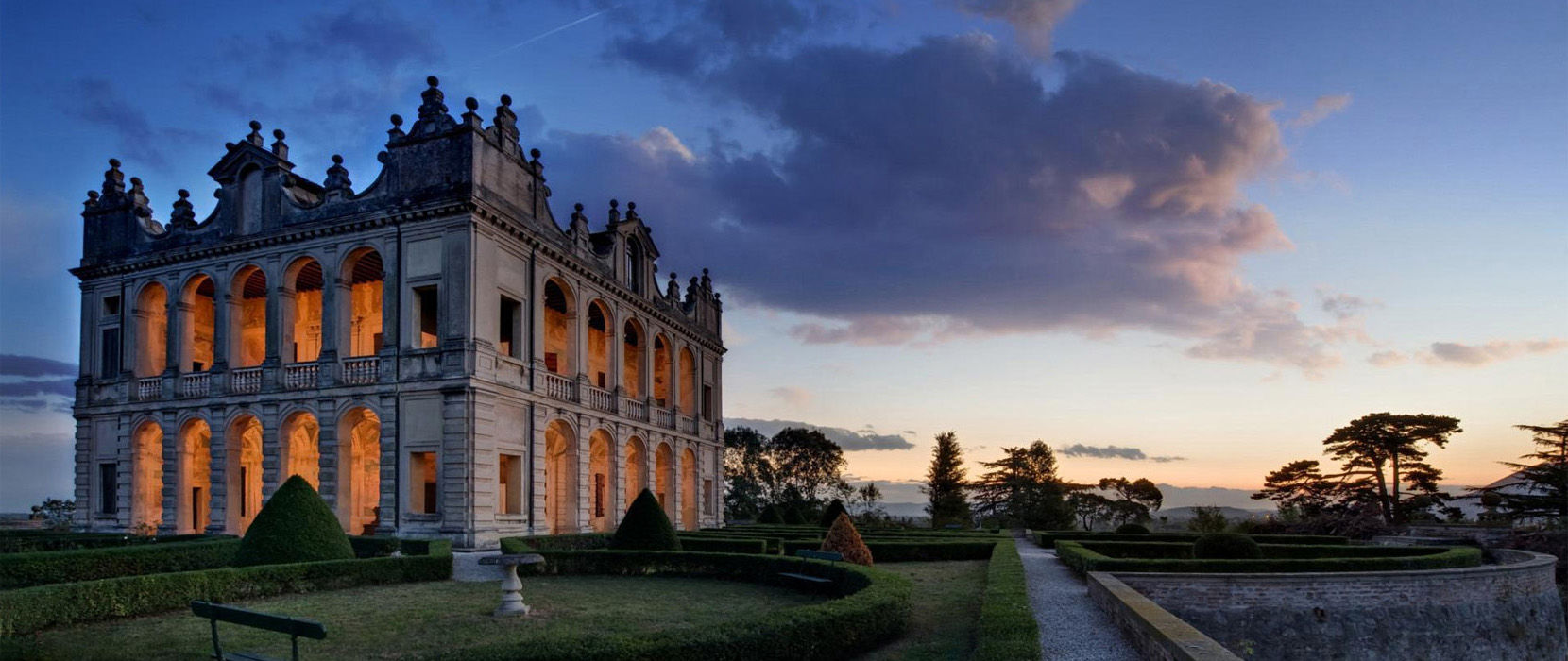
A short distance from the main Brenta cruise itinerary (and most easily visited independently by car), Villa Barbarigo in Valsanzibio possesses what many garden historians consider the finest seventeenth-century Italian garden in private ownership anywhere in Europe. Designed as an elaborate allegory of the soul's journey toward divine grace, the garden unfolds through a sequence of fountains, grottoes, statues, waterworks and clipped hedgerows, each element laden with symbolic meaning. The central fountain, with its cascade of baroque marble figures, is extraordinary. Give yourself at least two hours here, and bring waterproof shoes if the morning has been wet.
Villa Barchessa Valmarana, Mira Porte — The Intimate Jewel
Villa Barchessa Valmarana is perhaps the most intimate and least overwhelming of the major Brenta villas, and for many visitors it is the most personally affecting. What remains today is the surviving wing (the barchessa, or agricultural outbuilding) of a much larger eighteenth-century complex, and its interior frescoes, depicting scenes of theatrical fantasy by Giustino Menescardi, are astonishing: trompe l'oeil architectural perspectives, mythological scenes and a ceiling of such refined invention that standing beneath it feels less like being in a building and more like standing inside a dream. The villa overlooks a quiet bend of the Brenta, and arriving by boat, as the facade appears from around a curve in the river, is one of the great arrival moments of any journey in Italy.
Photography tip: The best light for photographing the villas from the boat is in the morning, when the facades face east and catch the early sun. If you are travelling from Venice (eastward direction), you will have excellent light on the first villas you encounter. From Padua toward Venice, you will have better light in the afternoon. Plan your cruise direction accordingly if photography is important to you.
Common Tourist Mistakes on the Brenta Riviera
Even well-prepared travellers sometimes make avoidable errors on this journey. Here are the most common mistakes to steer clear of.
Treating the cruise as a box to tick. The Brenta Riviera rewards a certain quality of attention. Travellers who board the Burchiello expecting a rapid succession of Instagram-worthy moments and then rush off to the next item on their itinerary tend to find the experience underwhelming. Those who slow down, engage with the guides, read a little about Palladio and the Venetian Republic before they arrive, and allow themselves to be genuinely absorbed by what they are seeing, find that a day on the Brenta is one of the most memorable experiences of their Italian journey.
Not booking the interior tours in advance. Some of the villas, particularly Villa Foscari and Villa Barchessa Valmarana, have strictly limited capacity and require advance reservations for interior access. Arriving without a booking can mean that you are restricted to the garden only, which, while beautiful, is only half the experience.
Wearing the wrong shoes. Villa gardens are often extensive, with gravel paths, uneven terrain and stretches of lawn. Cobbled courtyards and flights of stone steps are standard features. Wear comfortable, closed-toe shoes with a flat or low heel. Do not attempt this day in sandals or dress shoes.
Underestimating the duration of the full cruise. The Burchiello full-day cruise is exactly that: a full day. Departing in the morning and arriving in the late afternoon, it leaves little room for other activities in Venice on the same day. Plan it as a standalone experience and give it the time it deserves.
Practical preparation: Bring sunscreen and a hat for the open-air sections of the boat and for villa garden tours. The river can reflect sunlight intensely, and the gardens offer limited shade in summer. A light layer is also useful for the villa interiors, which can be cool even in warm weather.
Food and Wine Along the Brenta
The Veneto is one of the great food regions of Italy, and the villages and towns along the Brenta Riviera offer some of the most satisfying eating you will find anywhere between Venice and Padua. The cuisine here belongs firmly to the tradition of the mainland Veneto rather than the lagoon: rich, seasonal and deeply rooted in the agricultural landscape of the Po Valley.
Start with bigoli in salsa, the quintessential Venetian pasta: thick wholemeal spaghetti dressed with a slow-cooked sauce of salted anchovies and onions that achieves an extraordinary umami depth despite (or rather because of) its simplicity. Follow with baccala alla vicentina, salt cod slowly braised in milk with onions, anchovies and parsley until it reaches a consistency that is rich, unctuous and utterly unlike any other fish preparation you will have encountered. Order it in any traditional osteria along the riviera and you will not be disappointed.
The dessert table is dominated by fritole and galani in carnival season, and by the extraordinary pastries of the Padovan tradition at other times of year: mandorlato (a nougat made with almonds and honey), fugassa (the Venetian Easter bread, fragrant with vanilla and lemon zest) and the ubiquitous tiramisu, which was, it is worth noting, invented not far from here, in the city of Treviso.
For wine, you are in the heartland of the Prosecco DOC and the Colli Euganei DOC. The volcanic hills of the Euganean Hills, visible from certain points along the Brenta, produce some of the most underrated red and white wines in northeastern Italy. Ask for a glass of Colli Euganei Rosso with your lunch and you will discover something genuinely original.
Where to eat: Avoid the restaurants immediately adjacent to the most popular villa entrances, which tend to be overpriced and tourist-oriented. Walk a street or two further into the village of Mira, Dolo or Stra, and find the osteria where the locals eat. The Brenta villages have excellent traditional kitchens and the prices reflect local reality rather than tourist expectations.
Tips for Avoiding Queues and Making the Most of Your Day
The Brenta Riviera sees far fewer visitors than Venice itself, but at the most popular villas and at peak season, queues can still form and waiting times can be significant. With a little planning, you can avoid the worst of them entirely.
The single most effective strategy is to book everything in advance online. This applies to the Burchiello cruise (which includes guided villa tours in the ticket price), and separately to any additional villas you plan to visit independently. Villa Pisani, as a national museum, can be booked through the official Musei Nazionali Venezia system. Villa Foscari requires direct booking through the villa's own website. The booking process for both takes a few minutes and eliminates any risk of arriving to find the guided tour full for the day.
If you are visiting independently by bus rather than on the cruise, plan your route to arrive at Villa Foscari first, when the morning light falls beautifully on the facade and the interior is at its most atmospheric. Spend the midday hours at Villa Pisani, where the gardens and the museum provide plenty to explore over a long lunch break. Save Villa Barchessa Valmarana for the late afternoon, when the tour groups have moved on and the light on the frescoes is at its most extraordinary.
For the Burchiello cruise, remember that the boat follows a fixed schedule and does not wait for latecomers. Arrive at the departure point at least 20 minutes before the stated boarding time. If you are coming directly from your hotel by water taxi or vaporetto, allow extra time for the inevitable delays of Venetian water transport.
Combining Brenta with Padua: If you take the cruise from Venice to Padua, you will arrive with enough afternoon light to visit at least one of Padua's extraordinary sights: the Cappella degli Scrovegni (Giotto's frescoed chapel, considered one of the greatest works of Western art and requiring advance booking), the Basilica di Sant'Antonio, or the botanical garden, one of the oldest university botanical gardens in the world. Book a private transfer from Padua back to your Venice hotel to complete the day in comfort.
Comments
No comments yet. Be the first to share your thoughts!
Leave a Comment
Your comment will appear after moderation.