 Michelle
 There are cities that seduce you with their monuments, their art, their ancient stones. And then there are cities that seduce you through the stomach, that wrap you in the warm, intoxicating aroma of garlic melting in olive oil, of Barolo reducing in a pan, of freshly made pasta being pinched between skilled fingers. Turin belongs to both categories, but for the travelling gourmand, it is the second that lingers longest in memory. The elegant capital of Piedmont, the city of the Savoy kings and the first capital of a unified Italy, is also the city of bagna cauda, the ancient peasant dip that has become a symbol of Piedmontese hospitality. It is the city of agnolotti del plin, the tiny, hand-pinched pasta parcels filled with roasted meats. It is the city of tajarin, the golden egg noodles that are the perfect vehicle for the white truffles of Alba. It is the city of brasato al Barolo, beef braised in the king of wines until it falls apart at the touch of a fork. It is the city of vitello tonnato, that elegant paradox of veal and tuna that has puzzled and delighted diners for two centuries. It is the city of gianduiotto, the creamy chocolate and hazelnut confection that was invented during the Napoleonic blockade. And it is the city of a wine culture that includes Barolo, Barbaresco, Barbera, Arneis and the vermouth that launched the global aperitivo tradition. This is a food and wine tour of Turin. Come hungry. Come thirsty. And come prepared to learn why Piedmont is considered by many Italians to be the greatest gastronomic region in the country.
Bagna Cauda: The Ritual Dip of the Piedmontese Table
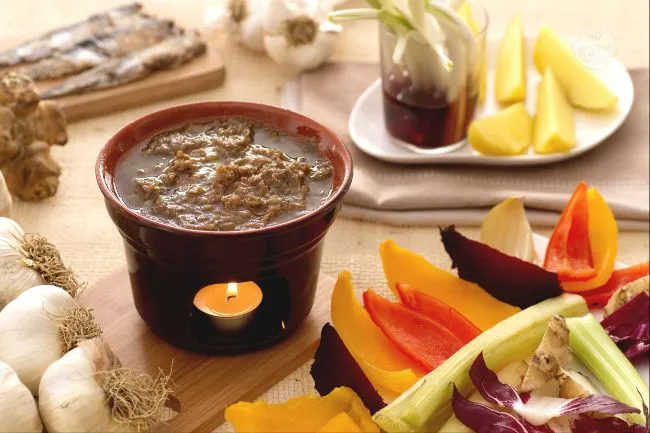
Bagna cauda, meaning hot sauce or hot dip in the Piedmontese dialect, is the most emblematic dish of the region, and it is also one of the simplest. The ingredients are few and humble: garlic, anchovies, olive oil, and sometimes butter. But the preparation is a ritual, and the consumption of the dish is a social event that brings families and friends together around a single pot placed in the centre of the table. The garlic is slowly cooked in olive oil until it becomes sweet and creamy, losing the aggressive edge that raw garlic possesses. The anchovies are then added and allowed to dissolve into the oil, creating a sauce that is savoury, umami-rich, and deeply satisfying. The bagna cauda is served hot, kept warm over a small flame, and it is eaten by dipping raw or boiled vegetables into it. The traditional vegetables include cardoons, peppers, fennel, artichokes, carrots, celery, cabbage, and the sweet, red peppers of the region. The dip is so beloved that entire festivals, the bagnacaudate, are organised in the autumn and winter months, when the cold weather makes the warmth of the sauce particularly welcome [citation:4].
The origins of bagna cauda are peasant. The farmers and labourers of Piedmont needed a hot, nourishing meal that could be prepared with inexpensive ingredients and shared among many people. The anchovies, which came from the Ligurian coast, provided salt and protein; the garlic and olive oil, from the hills of the Langhe, provided flavour and sustenance; and the vegetables were whatever was in season. The dish is still prepared in the same way today, and it is as much a part of Piedmontese identity as the wines of Barolo. A proper bagna cauda is not a dip in the sense of a casual snack. It is a meal, a centrepiece, an occasion. It is eaten with the hands, the vegetables dipped directly into the communal pot, and it is accompanied by a robust red wine, Barbera or Dolcetto, that can stand up to the intensity of the anchovies and the garlic. Do not expect to be offered a fork. Do not ask for one.
Where to experience bagna cauda. The most authentic bagna cauda in Turin is served at the historic trattorias of the city centre, particularly at Antiche Sere in the San Paolo district and at Tre Galline, one of the oldest restaurants in the city, which has been serving Piedmontese classics for nearly five centuries [citation:7][citation:10]. The bagna cauda is available only in the autumn and winter months, from approximately October through March, when the cardoons and the other dipping vegetables are at their peak. The dish is best shared among four or more people, and it is preceded by a glass of vermouth and followed by a robust Barolo.
Agnolotti del Plin: The Hand-Pinched Pasta of the Langhe
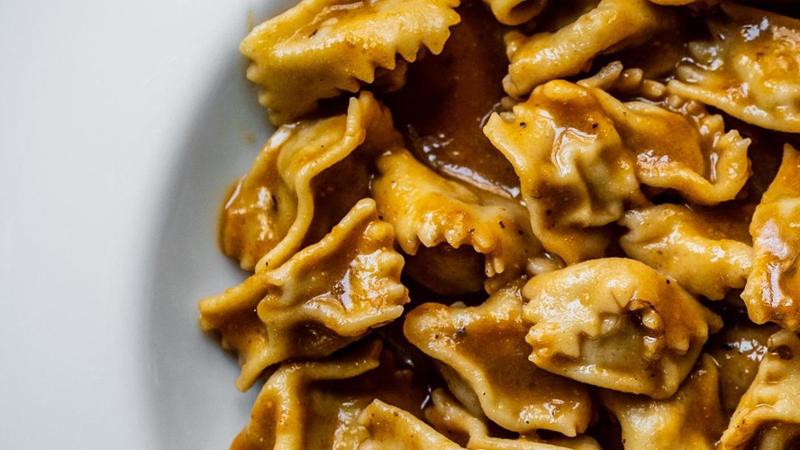
Agnolotti del plin are the most celebrated pasta of Piedmont, and they are a dish that requires not just skill but devotion. The name del plin means of the pinch, referring to the gesture by which the pasta is sealed: the dough is rolled thin, the filling is placed in small mounds at regular intervals, and the pastry chef then pinches the dough between thumb and forefinger to create a row of tiny, pillow-like parcels. The pinch is what distinguishes the authentic agnolotto from its inferior imitations, and the pinch is what gives the pasta its characteristic shape, a small rectangle with a ruffled edge that captures the sauce in its folds [citation:4].
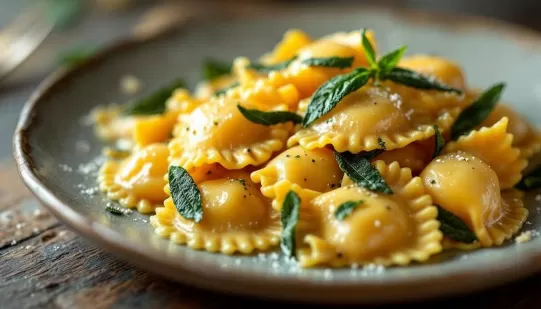
The filling of the agnolotti is traditionally made from roasted meats, typically a mixture of veal, pork, rabbit or guinea fowl, cooked with vegetables and wine, then minced finely and enriched with Parmesan and nutmeg. The pasta dough is made from flour and eggs, rolled until it is almost transparent, and the filled agnolotti are cooked in salted water and served with a sauce that can be as simple as melted butter and sage or as elaborate as a rich meat ragù. The version served at Ristorante Consorzio and at Trattoria Antiche Sere is the classic: agnolotti del plin with the juice of the roast, a jus that intensifies the flavour of the filling and coats the pasta without overwhelming it [citation:4][citation:7].
The origins of the dish are in the Langhe, the hilly territory south of Turin that is also the home of Barolo and Barbaresco, and the agnolotti are traditionally served on Sundays and holidays, when the family gathered for a long, leisurely lunch. The pasta is so labour-intensive that it is rarely made at home anymore, but the best trattorias of Turin maintain the tradition, and the quality of their agnolotti is the measure of their commitment to Piedmontese cuisine. A plate of agnolotti del plin, served with a glass of Barolo, is one of the great culinary experiences of Italy. Do not miss it.
The three roasts of the agnolotti. The traditional filling of agnolotti del plin is made from the three roasts, le tre arrosti, a mixture of roasted veal, pork, and rabbit that is cooked slowly with rosemary, sage and garlic, then minced and enriched with Parmesan. This is the recipe that has been used for centuries in the Langhe, and it is the one that the best restaurants of Turin still follow. The juice of the roast, which is the cooking liquid of the meats, is reduced to a jus and served as the sauce for the pasta. The result is a dish of extraordinary depth and complexity, a tribute to the Piedmontese tradition of using every part of the animal and wasting nothing.
Tajarin: Golden Egg Noodles with White Truffle
Tajarin are the egg pasta of Piedmont, and they are distinguished by their exceptional richness. The dough contains a high proportion of egg yolks, sometimes as many as thirty per kilogram of flour, which gives the noodles a deep yellow colour and a silky, almost unctuous texture. The pasta is cut into thin strands, thinner than tagliatelle but not as thin as angel hair, and it is traditionally served with a simple sauce that allows the flavour of the pasta to shine. The classic condiment is a ragù of meat, but the most celebrated version is tajarin al tartufo bianco, the noodles topped with generous shavings of white truffle from Alba [citation:4].
The white truffle of Alba, Tuber magnatum pico, is the most prized truffle in the world, and it is harvested in the hills of the Langhe and the Roero between October and December. The truffle is not cooked but shaved raw over the hot pasta just before serving, the heat releasing its intoxicating aroma of garlic, honey, and earth. The combination of the rich, buttery tajarin and the pungent, fragrant truffle is one of the most decadent dishes in Italian cuisine, and it is the dish that draws gastronomes from around the world to Piedmont in the autumn months. The best place to taste it in Turin is at the upscale restaurants near Piazza San Carlo, where the truffles are sourced directly from the hunters of the Alba region [citation:4]. Expect to pay accordingly. A plate of tajarin al tartufo bianco can cost between 60 and 100 euros during the peak of the truffle season. It is worth every cent.
Brasato al Barolo: The Slow-Cooked Wine Stew
Brasato al Barolo is the winter dish of Piedmont, a beef stew that is braised for hours in the region's greatest wine until the meat becomes so tender that it falls apart at the touch of a fork and the sauce is reduced to a rich, dark, intensely flavourful glaze. The cut of beef is typically the shoulder or the cheek, which has enough connective tissue to benefit from long, slow cooking. The meat is marinated overnight in Barolo with carrots, celery, onion, garlic, cloves, and bay leaves. The following day, it is seared, then braised in the marinade for four to six hours, the wine slowly penetrating the meat and transforming its texture and flavour [citation:4].
The result is a dish of profound depth and complexity, the beef infused with the taste of Nebbiolo grapes and the aromatics of the marinade. The sauce is thickened naturally by the collagen released from the meat, and it is traditionally served with soft polenta, the cornmeal porridge of the region, which absorbs the sauce and provides a comforting contrast to the richness of the beef. Brasato al Barolo is available in the traditional trattorias of Turin only in the colder months, from October through March, when the weather makes this kind of hearty cooking appropriate. The best version in the city is served at Osteria Antiche Sere and at Il Cavaliere, where the stew is accompanied by a glass of the same Barolo used in the cooking [citation:4][citation:7].
Vitello Tonnato: The Elegant Paradox of Veal and Tuna
Vitello tonnato is one of the most distinctive and misunderstood dishes of Italian cuisine. It consists of thin slices of cold roasted veal, covered with a creamy sauce made from tuna, capers, anchovies, hard-boiled eggs, and olive oil. The combination of veal and tuna seems improbable, even discordant, but the result is a harmony of flavours that has delighted Piedmontese diners for more than two centuries. The dish was invented in Turin in the 19th century, probably at the court of the Savoy kings, where the chefs were trained in the French tradition and were willing to experiment with unexpected combinations of ingredients [citation:4].
The modern version of vitello tonnato is often served as a summer dish, the veal cooked in broth and the sauce made from tuna, capers, anchovies and mayonnaise. But the authentic, ancient version, the vitello tonnato alla maniera antica, is a different dish entirely, and it is one that is increasingly rare in the restaurants of Turin. In the ancient recipe, the veal is not boiled but roasted in a pan with the tuna, the anchovies, the capers, garlic, and milk, then finished in the oven. The cooking liquids are blended with hard-boiled eggs to create a creamy sauce without the addition of mayonnaise. The dish is served cold, the slices of veal folded around a spoonful of the sauce, and it is a revelation for anyone who has only tasted the modern version [citation:5].
The Ancient Recipe for Vitello Tonnato alla Maniera Antica
This recipe has been passed down through generations of Piedmontese families, and it represents the oldest known version of vitello tonnato. It differs significantly from the modern version, and it is a testament to the resourcefulness of Piedmontese cooking, which uses every part of the ingredient and wastes nothing. The recipe is adapted from the archives of Ristorante Tre Galline, one of the oldest restaurants in Turin, which has been serving Piedmontese classics for nearly five centuries [citation:5][citation:10].
Ingredients
- 500 grams of veal girello or magatello (eye of round)
- 5 grams of fine sea salt
- 80 grams of white wine
- 125 grams of tuna in olive oil, drained
- 20 grams of capers
- 15 grams of Marsala wine
- 40 grams of extra virgin olive oil
- 1 clove of garlic
- Black pepper, to taste
- 150 grams of whole milk
- 20 grams of anchovies in oil
- 4 hard-boiled eggs
- 40 grams of vegetable broth
Preparation
Begin by preparing the vegetable broth. In a small pot, simmer a mixture of carrot, celery, and onion in water for thirty minutes. Strain and reserve.
Tie the veal girello with kitchen twine to create a compact, even shape. The tying is essential, as it ensures that the meat cooks evenly and retains its moisture. Season the veal generously with salt and pepper. Impale a clove of garlic on a toothpick and attach it to the meat; this will make it easy to remove later [citation:5].
In a heavy-bottomed pan that can also be used in the oven, heat 20 grams of olive oil over medium-high heat. Add the veal and the garlic clove and sear the meat on all sides until it is deeply browned, approximately two to three minutes per side. The browning is essential for developing the complex flavours of the dish [citation:5].
Add the drained tuna in chunks, the anchovies, and the capers to the pan. Gently break up the tuna with a spoon. When the tuna has browned slightly, deglaze the pan with the white wine, scraping the bottom of the pan to release the browned bits. Once the wine has reduced slightly, add the milk, pouring it carefully around the meat rather than directly over it [citation:5].
Transfer the pan to an oven preheated to 180 degrees Celsius. Cook for seven to eight minutes, then turn the veal and continue cooking for another seven to eight minutes. Remove the pan from the oven, cover it with aluminium foil, and allow the meat to cool completely at room temperature. This resting period allows the juices to redistribute throughout the meat [citation:5].
While the meat is cooling, prepare the hard-boiled eggs. Place them in a pot of cold water, bring to a boil, and cook for nine minutes. Cool the eggs in cold water, then peel them and set aside [citation:5].
Once the veal has cooled, transfer it to a cutting board and remove the kitchen twine and the garlic clove. Pour the cooking liquids from the pan into the container of an immersion blender. Add the hard-boiled eggs, cut into slices, and the remaining 20 grams of olive oil. Blend until the mixture is smooth. Add the vegetable broth and the Marsala and continue blending until the sauce is creamy and emulsified. If the sauce is too thick, add more broth, a few millilitres at a time, until the desired consistency is reached [citation:5].
Slice the veal thinly, using a very sharp knife or a meat slicer. Place a spoonful of the sauce on each slice of veal, fold the slice in half to enclose the sauce, and arrange the folded slices on a serving platter. The traditional presentation is to serve the vitello tonnato cold, the slices arranged like a fan, with a few drops of the remaining sauce drizzled over the top. Garnish with a few capers and a sprinkle of freshly ground black pepper [citation:5].
What not to do: Do not use mayonnaise. The authentic ancient recipe does not contain mayonnaise; the creaminess comes from the hard-boiled eggs and the emulsion of the cooking liquids and olive oil. Do not boil the veal. The ancient recipe roasts the meat, which preserves its flavour and texture. Do not skip the overnight resting of the sauce. The flavours of the tuna, capers, and anchovies need time to meld and develop. Do not serve the dish warm. Vitello tonnato is a cold dish, and the contrast between the cold meat and the creamy sauce is essential to its character. The Piedmontese have spoken.
Electric Tomino: The Fiery Cheese of the Peasant Tradition
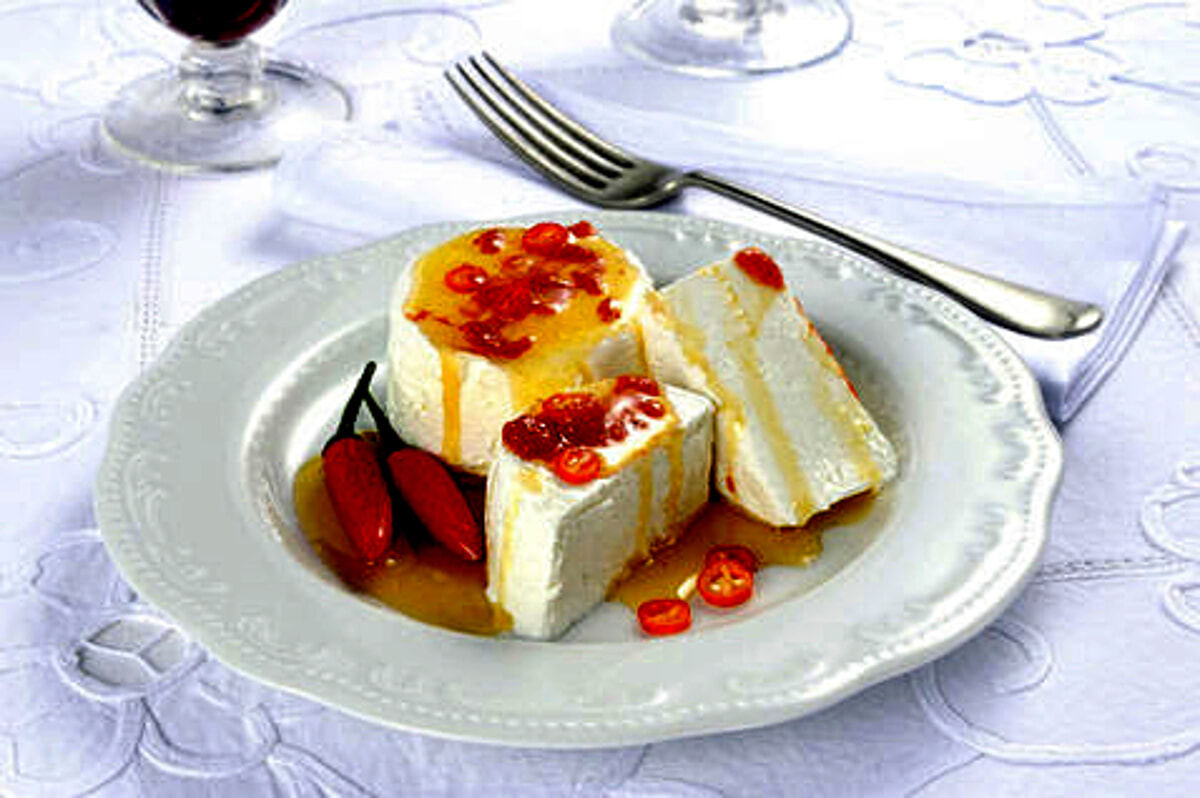
The electric tomino, l'tumin eletric in the Piedmontese dialect, is one of the most curious and most delightful dishes in the Torinese repertoire. It is not a complex preparation, but it is a dish that reveals the ingenuity of the peasant tradition, which transformed simple ingredients into something memorable. The electric tomino consists of a fresh cheese, the tomino, which is a small, soft, unaged cheese made from cow's milk, drizzled with a spicy sauce of olive oil and chilli pepper. The name electric refers to the sensation of heat that the chilli produces in the mouth, a shock that lights up the palate [citation:7].
The dish is typically served as part of an antipasto platter, alongside Russian salad, pickled anchovies, roasted peppers, and vitello tonnato. The combination of the mild, creamy cheese and the sharp, spicy oil is a perfect balance of flavours, and the dish is a favourite in the traditional piole, the old-fashioned taverns that have preserved the peasant traditions of the region. The electric tomino can be found at Osteria Antiche Sere, Barbagusto, Il Cavaliere, and Osteria Le Putrelle, among other historic establishments [citation:7].
Where to find the electric tomino. The best electric tomini in Turin are served at the historic piole of the city centre. Osteria Antiche Sere on Via Cenischia offers a version that is prepared with the traditional spagnolin chilli. Barbagusto on Via Belfiore serves the tomino with a green bagnetto as well as the red spicy version. Il Cavaliere, which has been run by the same family since 1958, includes the electric tomino in its rich antipasto buffet. And Osteria Le Putrelle in the San Salvario district offers the tomino in both mild and spicy versions. All of these establishments are institutions in the city, and they all honour the Piedmontese tradition with integrity and passion [citation:7].
Finanziera: The Aristocrat's Offal Stew
Finanziera is one of the most complex and historically significant dishes in the Piedmontese repertoire. It is a stew made from offal, the less glamorous cuts of the animal: veal sweetbreads, veal brains, veal testicles (known as animelle), cockscombs, and veal tendons, all cooked slowly with Marsala wine, dried mushrooms, and a soffritto of onion, carrot, and celery. The dish was invented in the 18th century and was originally associated with the aristocracy, the finanzieri, the financiers of the Savoy court, who could afford the labour-intensive preparation and the expensive ingredients [citation:4].
The dish fell out of favour in the 20th century, as Italian cooking moved away from the use of offal, but it has been revived in recent years by a new generation of chefs who are committed to preserving the Piedmontese tradition. Finanziera is not a dish for the timid, but it is a dish that rewards the adventurous eater with a complexity of flavours that no other stew can match. The sweetbreads are creamy, the brains are delicate, the animelle are firm, and the Marsala wine adds a note of sweetness that balances the richness of the offal. The stew is typically served with polenta or with a slice of toasted bread. The best finanziera in Turin is served at the historic Ristorante Tre Galline, which has been preparing the dish according to the original recipe for generations [citation:4][citation:10].
Bunet: The Chocolate Custard of the Langhe
Bunet is the signature dessert of Piedmont, a rich, creamy, chocolate custard that is flavoured with amaretti biscuits, rum, and cocoa. The name is pronounced boo-net, with the final T pronounced lightly, and it derives from the Piedmontese word for a small bonnet or a cap, which the shape of the mould resembles. The dessert is similar to a crème caramel, but it is denser and more intensely flavoured, and it is typically served chilled, inverted from its mould onto a plate [citation:4][citation:10].
The origins of bunet are in the Langhe, the hilly territory south of Turin, where it was prepared as a dessert for festive occasions and family gatherings. The original recipe did not contain chocolate, only eggs, sugar, milk, rum, and amaretti biscuits. The chocolate was added in the modern era, when cocoa became more widely available and affordable. The version of bunet that is most common today is the Langarola version, which includes cocoa and melted dark chocolate, and it is the one that is served in most of the restaurants of Turin [citation:10].
The best bunet in Turin is served at Ristorante Tre Galline, which uses the original Langarola recipe and cooks the custard in a bain-marie in a low oven, as it has been done for centuries. The dessert is served with a dollop of whipped cream or a scattering of crushed amaretti biscuits, and it is the perfect conclusion to a Piedmontese meal [citation:10].
Gianduiotto and the Chocolate Tradition of Turin
Turin is the chocolate capital of Italy, and the gianduiotto is its most iconic confection. The gianduiotto is a small, foil-wrapped chocolate of a characteristic trapezoidal shape, made from a creamy blend of cocoa and hazelnut paste. The chocolate was invented in 1865 by the master chocolatier Michele Prochet, who was looking for a way to stretch the limited supply of cocoa during the Napoleonic blockade. He mixed the cocoa with hazelnuts from the Langhe, which were abundant and inexpensive, and created a paste that was smooth, rich, and intensely flavourful. The shape of the gianduiotto is said to resemble the hat of a jester, gianduja in the Piedmontese dialect, which is the origin of the name [citation:4].
Today, the gianduiotto is produced by several artisanal chocolatiers in Turin, including Guido Gobino, Peyrano, and Baratti & Milano, and it is the most popular souvenir for visitors to the city. The chocolate is best enjoyed with a glass of sweet passito wine or a small cup of espresso, and it is available in the historic chocolate shops of Via Lagrange and Via Roma. The tradition of chocolate making in Turin is so strong that the city is home to a chocolate school and to an annual chocolate festival, Cioccolatò, which takes place in the autumn and attracts chocolatiers from around the world.
The Wines of Turin: Barolo, Barbaresco, Barbera, Arneis and Vermouth
No food tour of Turin is complete without a deep dive into the wines that have made Piedmont one of the great wine regions of the world. The hills of the Langhe, the Roero, and the Monferrato produce wines of extraordinary complexity and longevity, and the city of Turin has been the centre of the Piedmontese wine trade for centuries.
Barolo DOCG
Barolo is the king of wines and the wine of kings, a title that was bestowed upon it in the 18th century by the Savoy court. The wine is made from the Nebbiolo grape, which is grown on the calcareous marl soils of the Langhe hills, and it is aged for at least three years, with a minimum of eighteen months in oak. The result is a wine of immense power and complexity, with flavours of dried cherry, rose petal, tar, leather, liquorice, and a characteristic note of truffle. Barolo demands food of equal intensity: brasato al Barolo, agnolotti del plin with roast jus, or aged Castelmagno cheese. It also demands patience. A young Barolo can be tannic and closed; give it ten years in the cellar, and it will reward you with a wine of extraordinary elegance and depth.
Barbaresco DOCG
Barbaresco is the more elegant, more approachable cousin of Barolo, made from the same Nebbiolo grape but grown on slightly different soils in the hills around the town of Barbaresco. The wine is aged for a minimum of two years, with at least nine months in oak, and it is released a year earlier than Barolo. The result is a wine that is lighter in colour, softer in tannin, and more aromatic than Barolo, with flavours of red cherry, strawberry, violet, and a characteristic note of balsam. Barbaresco is the perfect partner for tajarin with white truffle, for vitello tonnato, and for the roast meats of the Piedmontese tradition.
Barbera d'Alba and Barbera d'Asti DOCG
Barbera is the everyday red wine of Piedmont, the wine that the Piedmontese drink with their daily meals. It is made from the Barbera grape, which is high in acid and low in tannin, producing a wine that is bright, fresh, and intensely fruity, with flavours of cherry, blackberry, and a characteristic note of violet. Barbera is the ideal partner for the rich, fatty dishes of the Piedmontese table, for bagna cauda, for agnolotti, and for the mixed fried platters of the region. It is inexpensive and widely available, and it is the wine that you should order in any trattoria in Turin when you are not sure what else to choose.
Arneis
Arneis is the classic white wine of the Roero, a DOCG that was nearly extinct in the 1970s before a handful of dedicated producers revived it. The wine is made from the Arneis grape, which is difficult to cultivate but produces a wine of extraordinary aromatic complexity, with flavours of pear, peach, apricot, and a characteristic note of almonds. Arneis is the perfect partner for the seafood of the Ligurian coast, for vitello tonnato, and for the vegetable antipasti of the Piedmontese table. It is a wine that deserves to be better known outside of the region.
Vermouth
Vermouth is not a wine in the conventional sense, but it is the most celebrated aromatised wine in the world, and its history is inseparable from the history of Turin. Vermouth was perfected in the 18th century by Antonio Benedetto Carpano, who opened his first shop in Turin in 1786. The wine is made from a base of white wine, which is aromatised with a secret blend of herbs, spices, roots, and barks, including wormwood, which gives the wine its name, from the German Wermut. The result is a wine that is sweet, bitter, and complex, and it is traditionally served as an aperitivo, the drink that stimulates the appetite before a meal. The best vermouth in Turin is still made by the historic producers, including Carpano, Cinzano, and Martini & Rossi, and it is available in every bar in the city.
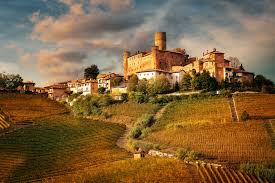
A Dedicated Day Tour — Eating and Drinking Through Turin
The following itinerary is designed for the serious gastronome. It is not a race. It is a leisurely, deliberate exploration of the city's best flavours, paced to allow digestion and appreciation. You will walk, you will eat, you will drink, and you will walk again. Wear comfortable shoes and come with an empty stomach.
Morning — Arrival and Coffee
Begin your day by arriving in Turin without stress. The most comfortable way to reach the city from Turin Caselle Airport (TRN) or Milan Malpensa Airport (MXP) is by pre-booking a private transfer with Airport Connection. Your driver will meet you at arrivals and deliver you directly to your hotel in the historic centre. Door to door, no waiting, no dragging luggage onto buses or trains.
Start your food tour with a proper Italian breakfast: a cappuccino and a freshly baked cornetto at a historic cafe. The Caffè Baratti & Milano in the Galleria Subalpina has been serving Torinese since 1875, and its art nouveau interior is one of the most beautiful cafe rooms in Italy. Stand at the bar for a faster and cheaper experience. The coffee is excellent. The pastries are fresh. The atmosphere is pure Turin.
Late Morning — The Historic Shops of Via Lagrange
Walk to Via Lagrange, the street of the historic chocolate shops of Turin. Visit Guido Gobino and Peyrano, two of the most celebrated chocolatiers in the city. Taste the gianduiotto, the signature chocolate and hazelnut confection, and the cremino, a layered chocolate of gianduja and hazelnut paste. Buy a box of chocolates to take home. The quality is exceptional, and the prices are lower than you will find anywhere else in Italy.
Continue to Rosada dal 1926, a historic delicatessen that has been run by the same family for nearly a century. The shop is a treasure trove of Piedmontese specialities, including insalata russa, vitello tonnato, bonet, and an ancient recipe of tuna, mayonnaise, carrots, potatoes and gherkins in aspic [citation:1]. The shop is named for the smiling, chubby terracotta cook that sits on the counter, a good luck mascot that has been with the family since 1926. The current owner, Mauro Rosada, carries on the tradition with passion and integrity [citation:1].
Lunch — Agnolotti del Plin at a Traditional Trattoria
For your first proper meal, seek out a trattoria that specialises in Piedmontese pasta. Trattoria Consorzio on Via Monte di Pietà is a good choice. Order agnolotti del plin with the roast jus, the classic preparation. The pasta is handmade, the filling is rich, and the sauce is deeply savoury. Drink a glass of Barbera d'Alba, which is bright and acidic enough to cut through the richness of the filling. The wine is inexpensive and meant to be drunk with pleasure, not reverence.
Early Afternoon — A Wine Tasting in the City
Turin's historic centre contains several enotecas where you can taste the region's wines without travelling into the countryside. Enoteca della Valpiana on Via San Tommaso offers flights of Barolo, Barbaresco, Barbera, and Arneis, served with small plates of cheese, salami and breadsticks. The staff are knowledgeable and happy to explain the differences between vintages and producers. Allow at least an hour for this tasting. Do not rush. Wine tasting is not a competition. It is an education.
Late Afternoon — The Aperitivo
By late afternoon, you will be ready for the aperitivo, the pre-dinner ritual that is as essential to Turin as the opera is to Milan. The historic cafes of Piazza San Carlo, including Caffè San Carlo and Caffè Torino, serve the classic Piedmontese aperitivo: a glass of vermouth, either white or red, accompanied by a small plate of olives, potato chips, and grissini, the long, thin breadsticks that were invented in Turin in the 17th century for the Duke of Savoy, who had difficulty digesting ordinary bread [citation:9]. The vermouth should be served on the rocks, with a slice of orange or a twist of lemon peel. Sip it slowly. The aperitivo is not a race. It is a meditation.
Evening — Bagna Cauda and Brasato al Barolo
For dinner, reserve at Osteria Antiche Sere on Via Cenischia, a historic trattoria that has been serving Piedmontese classics for generations. Begin with the bagna cauda, the warm anchovy and garlic dip, served with an assortment of raw and boiled vegetables. Share it with your tablemates. The bagna cauda is not a solo dish. It is a dish of community, of friendship, of the warmth of the Piedmontese hearth. Then, order the brasato al Barolo, the beef braised in the king of wines. The meat will be so tender that it falls apart at the touch of a fork, and the sauce will be dark, rich, and intensely flavourful. A glass of Barolo is the only appropriate wine pairing. The wine and the stew were made for each other.
Evening — Bunet and a Digestif
After the brasato, you will need something sweet and light to finish the day. Walk to Tre Galline on Via Tre Galline, the oldest restaurant in Turin, which has been serving Piedmontese cuisine since the 17th century. Order the bunet, the chocolate and amaretti custard. The dessert is dense, creamy, and intensely chocolatey, and it is the perfect conclusion to a Piedmontese meal. For a true Torinese digestive, order a glass of grappa, a brandy made from the pomace of Nebbiolo grapes. The grappa will be fierce, aromatic, and warming, a perfect end to a day of feasting.
A note on pacing. Do not attempt to eat everything in a single day. The itinerary above is designed for a full day of eating, but you can spread it over two or three days if you prefer. The quality of your experience will be higher if you do not force yourself to finish every course. Leave room for spontaneity. The best meals in Turin are often the ones you do not plan: a glass of vermouth at a wine bar you stumbled into, a plate of agnolotti at a trattoria recommended by a local, a conversation with the owner of Rosada dal 1926, who will tell you the story of the terracotta cook and the family's century of service to the city.
Transport Tips — Arriving in Turin for Your Food Tour
From Turin Caselle Airport (TRN)
Turin Airport is located approximately 16 kilometres north of the city centre. A private transfer with Airport Connection takes approximately 25 to 35 minutes and delivers you directly to your hotel. This is the most comfortable option, especially if you are carrying luggage or arriving after a long flight. The fixed price is calculated instantly and includes meet-and-greet service at arrivals.
From Milan Malpensa Airport (MXP)
Milan Malpensa Airport offers a wider range of international connections, particularly from North America and Asia. A private transfer from Malpensa to Turin takes approximately 90 minutes, depending on traffic. This is a convenient way to reach Turin without navigating the Italian train system. Your driver will handle your luggage and deliver you directly to your destination.
From Turin Porta Nuova or Porta Susa Stations
If you arrive by high-speed train from Milan, Rome, or other Italian cities, the stations are located in the city centre. A taxi to most hotels in the historic centre takes approximately five to ten minutes. The metro system, Line 1, connects Porta Nuova to the major destinations of the city centre, and it is efficient and inexpensive.
How to book your transfer with Airport Connection. Select your pickup location, Turin Airport, Milan Malpensa Airport, or another starting point. Enter your destination in Turin. Specify passengers and luggage. The system calculates a fixed price instantly. Confirm your booking online, and you will receive a confirmation email with your driver details and meeting instructions. Book at least forty-eight hours in advance for the best availability.
Book Your Transfer →
Conclusion — A City to Be Eaten, Not Just Seen
Turin is beautiful. Its royal palaces, its arcaded streets, its Mole Antonelliana, its Egyptian Museum, these are reasons enough to visit, and they are the reasons that most visitors come. But the true Turin, the Turin that lingers in the memory long after the photographs have faded, is the Turin of the table. It is the Turin of bagna cauda, of agnolotti del plin, of tajarin with white truffle, of brasato al Barolo, of vitello tonnato, of electric tomino, of finanziera, of bunet, of gianduiotto, of Barolo opened in good company, of vermouth sipped under the arcades of Piazza San Carlo. It is a city to be eaten, not just seen. And it is waiting for you, with its pots simmering, its wine glasses filled, its chocolate shops gleaming, to come and taste it for yourself.
Comments
No comments yet. Be the first to share your thoughts!
Leave a Comment
Your comment will appear after moderation.