 Michelle
 There are cities that seduce you with their art, their monuments, their ancient stones. And then there are cities that seduce you through the stomach, that wrap you in the warm, intoxicating aroma of fresh basil crushed with pine nuts, of focaccia emerging golden and blistered from a wood fired oven, of farinata crackling on its copper pan. Genoa belongs to both categories, but for the travelling gourmand, it is the second that lingers longest in memory. The city of La Superba, the proud one, is also the city of pesto alla genovese, the most celebrated sauce in Italian cooking, of focaccia ligure that defines the genre, of farinata that is the humblest and most delicious street food in the region, of cappon magro that is a monument to seafood, and of wines from hills that fall steeply into the Mediterranean, producing whites of extraordinary minerality and aromatic complexity. This is a food and wine tour of Genoa. Come hungry. And bring a mortar.
Pesto alla Genovese: The Green Gold of Liguria
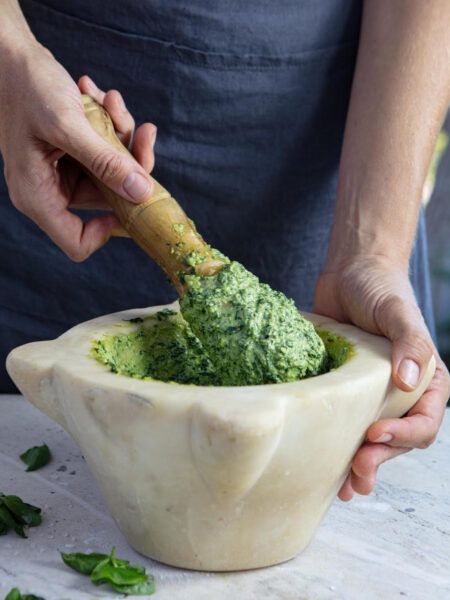
Pesto is not a sauce. It is a ritual. It is the taste of summer in Liguria, the smell of basil crushed against marble, the colour of the hills above the coast. The name derives from the Genoese verb pestâ, meaning to pound or to crush, and the authentic preparation requires a mortar and pestle, preferably made of marble, and a patience that the modern world has largely lost. The ingredients are few and precise: fresh basil leaves of the small leaved Genovese variety, Italian pine nuts (preferably from Pisa or the Riviera), Parmigiano Reggiano, Pecorino Fiore Sardo, one clove of garlic, coarse sea salt from Cervia, and extra virgin olive oil from Liguria, the delicate, fruity oil pressed from Taggiasca olives.
The order of operations is essential. The garlic and salt are ground first to a paste. The pine nuts are added and crushed. The basil leaves are folded in gently, never ground, and pounded against the sides of the mortar with a circular motion of the pestle. The cheese is added gradually, and finally the olive oil is drizzled in while the pesto is stirred, not beaten, to form an emulsion. The result is a sauce of brilliant green, fragrant, savoury, with a texture that is creamy but not smooth, a suspension of tiny particles of basil and pine nut that cling to pasta like a dream. The food processor, which heats and oxidises the basil, produces a sauce of inferior colour and inferior flavour. The Genoese know this. The Genoese do not compromise.
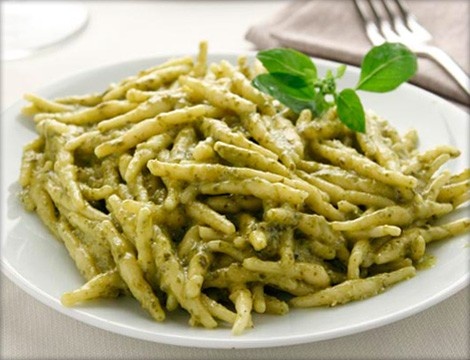
The traditional pasta for pesto is trofie, a short, twisted pasta from the region of Recco, or trenette, a long, flat pasta similar to linguine. The pasta is cooked in salted water until al dente, drained, and then turned in a warm bowl with the pesto and a ladle of the starchy cooking water. The water helps the sauce emulsify and coat the pasta. The dish is finished with a scattering of Parmigiano and a few whole pine nuts. It is served immediately, while the pesto is still bright green and fragrant. There is no cream in authentic pesto. There is no potato. There is no green bean, despite what you may have seen in Ligurian restaurants abroad. The Genoese are not wrong. The world has simply forgotten what pesto is supposed to taste like.
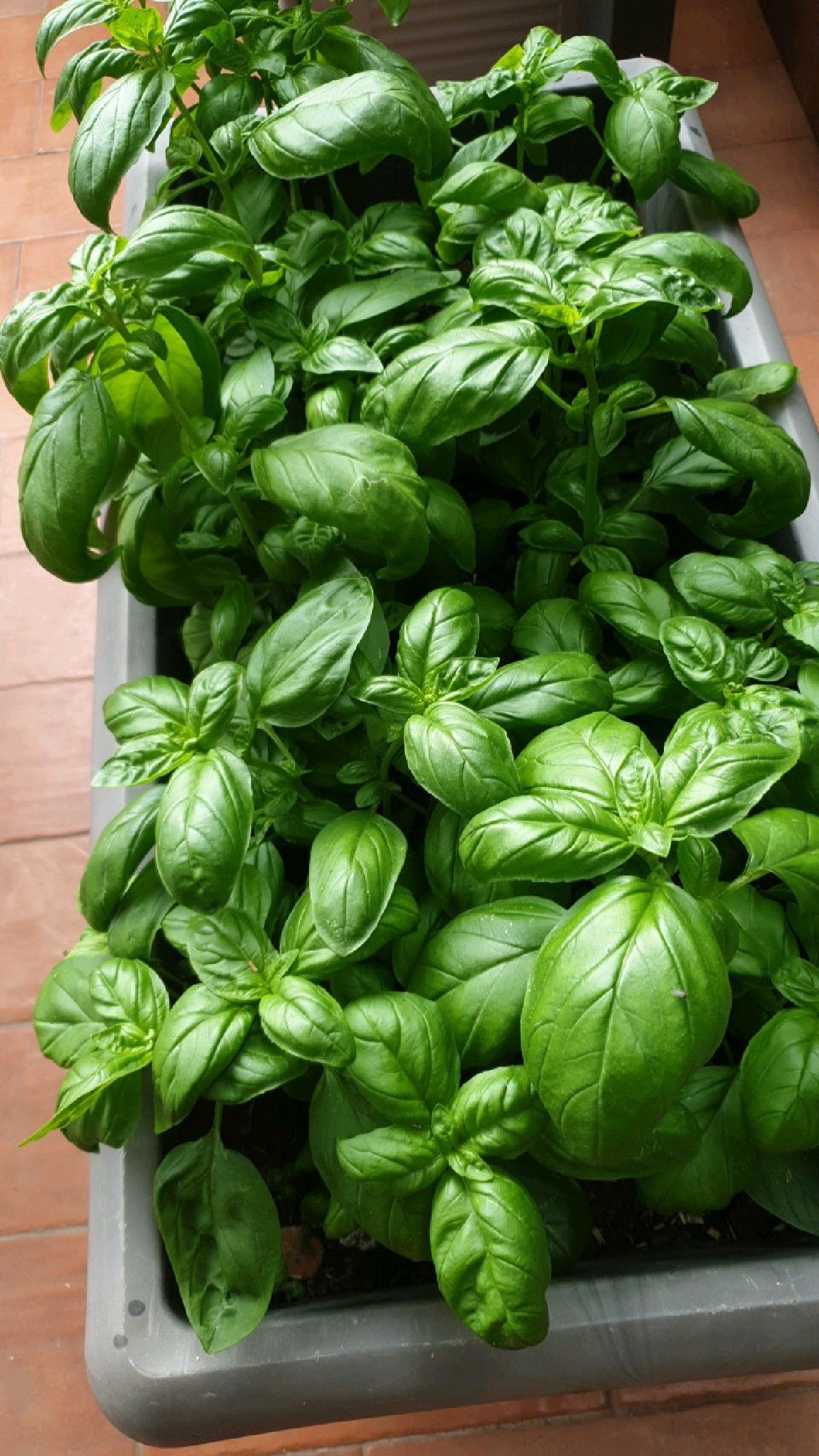
The basil of Prà. The basil used in authentic pesto is not any basil. It is the Basilico Genovese DOP, a variety with small, tender leaves, a sweet and aromatic profile, and a protected designation of origin. The best basil grows in the western neighbourhood of Prà, where the microclimate of the coast, the sea breezes and the specific composition of the soil produce leaves of extraordinary fragrance. If you cannot find Genovese basil, use the smallest leaved basil you can find. The large leaved basil from the supermarket is too bitter. It will ruin your pesto.
Focaccia Ligure: The Soft, Oily Bread of the Riviera
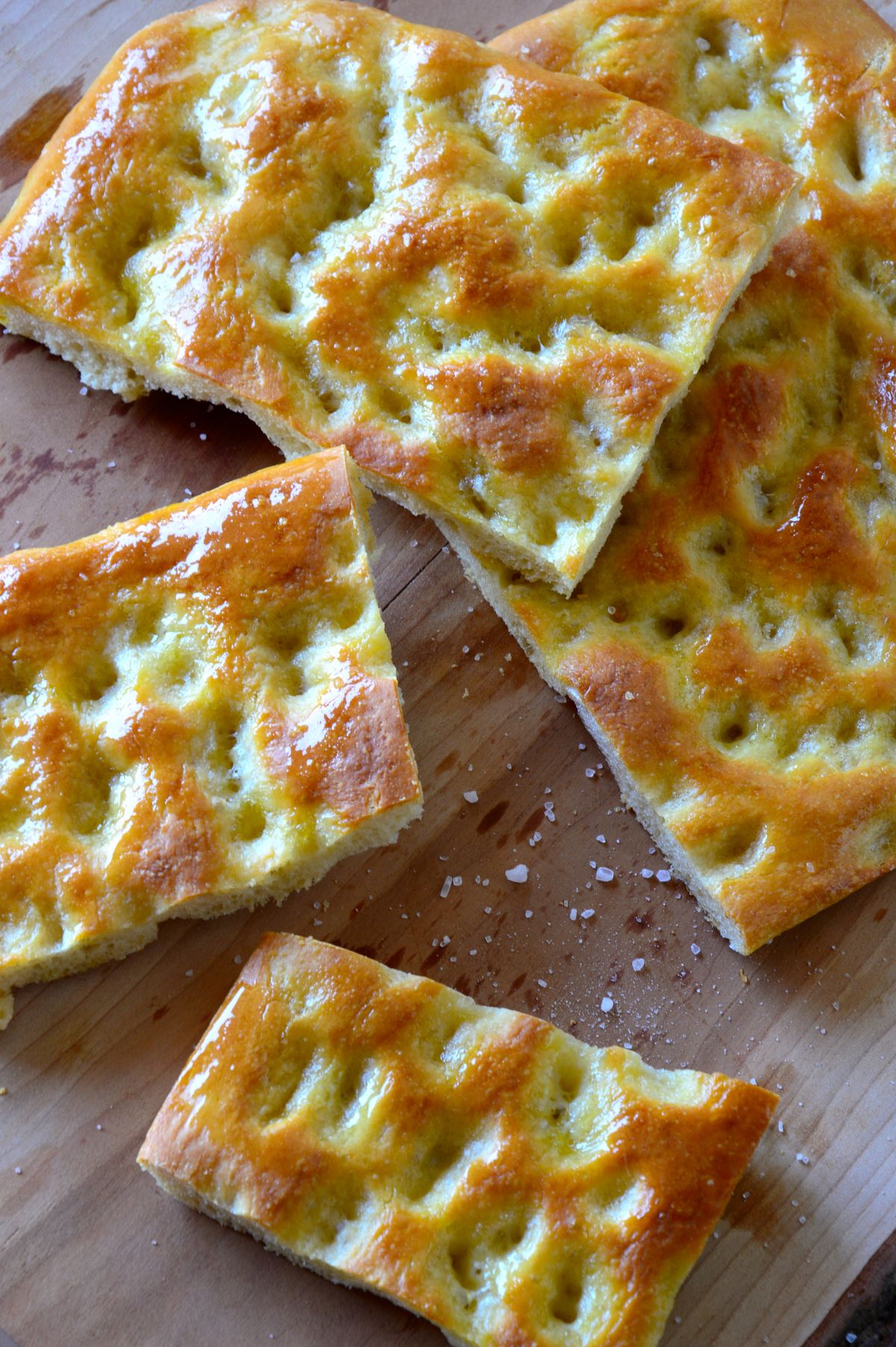
Focaccia ligure is the bread that defines the region, and it is one of those foods that is so simple, so apparently easy to replicate, that its perfection is almost impossible to achieve outside of Liguria. The dough is made from strong wheat flour, water, yeast, salt and a generous quantity of Ligurian olive oil. It is left to rise for hours, sometimes overnight, then stretched into a thin layer in a well oiled pan, dimpled with the fingers, sprinkled with coarse salt, and baked in a hot oven until the top is golden brown, the edges are crisp, and the interior is soft, oily and fragrant.
The focaccia of Genoa is not the thick, doughy focaccia of Tuscany or the stuffed focaccia of Puglia. It is thin, almost translucent in places, with deep pools of olive oil pooling in the dimples. The salt crystals crack between your teeth. The bread is eaten warm from the oven, torn rather than cut, and consumed as a snack, a breakfast, a lunch, or an accompaniment to any meal. The perfect focaccia is a balance of crispness and softness, of salt and olive oil, of simple wheat and the complex flavour of the Taggiasca olive. It is the quintessential Genoese street food, and the best examples are found in the focaccerie of the historic centre, where the ovens have been baking the same recipe for generations.
The olive oil of Liguria. The olive oil of Liguria is different from the oils of Tuscany or Puglia. It is pressed from Taggiasca olives, a small, delicate variety grown on terraced hillsides that fall steeply to the sea. The oil is golden yellow with green reflections, fruity and mild, with notes of artichoke and almond. It lacks the peppery finish of Tuscan oil, and that is precisely the point. Ligurian oil is designed not to compete with the basil in pesto but to support it, to carry it, to emulsify it into a creamy sauce. The best producers are small, family run mills in the countryside between Imperia and Sanremo. Seek them out.
Farinata: The Crispy Chickpea Pancake
Farinata is the humblest dish in the Genoese repertoire and one of the most delicious. It is made from chickpea flour, water, olive oil and salt, a batter that is mixed and then left to rest for several hours before being poured into a copper pan and baked in a wood fired oven until the surface is golden brown, blistered and crisp, while the interior remains soft and almost custard like. The farinata is cut into irregular squares, folded in paper, and eaten hot, standing on the street, with a sprinkle of black pepper and nothing else.
The origins of farinata are uncertain, but the most popular legend dates to 1284, the year of the naval battle of Meloria between the Republics of Genoa and Pisa. According to the story, a Genoese ship returning from a raid on Pisa carried a cargo of chickpeas and olive oil. The ship was caught in a storm, and the barrels of chickpeas broke open, soaking the chickpeas in seawater. The sailors, unable to cook the chickpeas in the usual way, mixed them with olive oil and baked them on hot stones. The result was farinata, and the Genoese have been eating it ever since. The story is almost certainly apocryphal, but the Genoese tell it with such conviction that you find yourself believing it. The farinata of Genoa is the best in Liguria, and the best farinata is found at the historic establishments near the Porto Antico, where the ovens have been baking continuously since the 19th century.
Where to eat farinata. The most famous farinata in Genoa is served at the historical establishment of the same name, simply called Farinata, located on Via San Bernardo. The queue forms before the doors open at 11 AM. Do not be discouraged. The farinata is worth the wait. It is cut to order, served in a paper cone, and eaten with your fingers while walking to the nearby port. The price is negligible. The memory lasts a lifetime.
Trofie and Trenette: The Pasta of the Genoese Table
The pasta of Genoa is not the pasta of Emilia Romagna. It is not egg rich, golden yellow, or shaped into elaborate forms. It is simple, made from durum wheat semolina and water, and the shapes are designed to hold the sauces of the region. The two most characteristic pastas are trofie and trenette.
Trofie are short, twisted pasta, rolled by hand between the palms to create a shape that is slightly curved, with a groove that catches the pesto. The name derives from the Genoese verb strufuggiâ, which means to rub or to press, referring to the motion used to shape the dough. Trofie are traditionally served with pesto, and the combination is so perfect that the Genoese rarely consider any other sauce for this shape. The pasta is made fresh in the pastifici of the historic centre, and you can watch the women rolling the trofie by hand, their fingers moving with a speed that seems impossible.
Trenette are long, flat pasta, similar to linguine but slightly thicker and more robust. Trenette are also served with pesto, often with the addition of green beans and potatoes, which are boiled with the pasta and then turned in the pesto. This version, trenette al pesto con patate e fagiolini, is the classic Genoese pasta dish of family Sundays and festive meals. The beans and potatoes add texture and substance, and the starch from the potatoes helps the pesto emulsify into a creamy sauce.
The third pasta shape, corzetti, is the most decorative and the most ancient. Corzetti are small, round disks stamped with a decorative pattern, pressed between wooden moulds that are carved with coats of arms, flowers, or geometric designs. The name derives from the Genoese word corzetto, meaning a small purse. Corzetti are traditionally served with a sauce of pine nuts and marjoram, or simply with olive oil, garlic and parsley. The pasta is rare today, produced by only a few artisan pasta makers, and finding it is a sign that you have entered the most serious circles of Genoese gastronomy.
Pansoti with Walnut Sauce: A Stuffed Pasta from the Mountains
Pansoti are the stuffed pasta of the Ligurian interior, a shape that resembles a priest's hat, with a filling of wild herbs, ricotta and cheese. The name derives from the Genoese word pansu, meaning pot bellied, and the pasta is traditionally served with a sauce of walnuts, pine nuts, breadcrumbs, marjoram, and a touch of cream or milk. The sauce is pale, creamy, nutty, and deeply savoury.
The filling of pansoti is not fixed. It varies from valley to valley, from family to family, depending on what wild herbs grow in the surrounding hills. The most common herbs are borage, chicory, chard, nettles, and dandelion. The herbs are blanched, squeezed dry, chopped finely, and mixed with ricotta, Parmigiano, an egg to bind, and a grating of nutmeg. The result is a filling that tastes of the earth, of the mountains, of the Ligurian hinterland that tourists rarely see. Pansoti are the pasta of the autumn and winter, when the herbs are most abundant and the walnut sauce is most comforting. They are rarely found in the tourist restaurants of the city centre. You must seek them out in the trattorias of the caruggi or, better, in the hills above Genoa, where the tradition remains alive.
Where to find pansoti. The best pansoti in Genoa are served at Trattoria dell'Acciughetta, a tiny restaurant hidden in a caruggio near the Piazza delle Erbe. The owner, a woman named Paola, gathers the wild herbs herself on the slopes of Monte Fasce. The walnut sauce is made fresh each morning. The restaurant has six tables, no reservation policy, and a queue that forms before the doors open. Arrive at noon. Wait patiently. It is worth it.
Cappon Magro: The Seafood Terrine of the Republic
Cappon magro is the most complex, the most beautiful, and the most historically interesting dish in the Genoese repertoire. The name is puzzling: cappone means capon, a castrated rooster, but there is no chicken in the dish. Magro means lean, referring to the fact that the dish contains no meat, only fish, seafood, vegetables and bread. The dish is a seafood terrine, layered with slices of dried cod, fresh fish, shellfish, hard boiled eggs, capers, olives, artichokes, potatoes, green beans, carrots, celery and a thick slice of stale bread soaked in vinegar and olive oil at the base. The entire construction is held together with a green sauce of parsley, capers, anchovies, garlic and vinegar, and the top is decorated with the most attractive ingredients: pink shrimp, purple octopus, white artichoke hearts, black olives.
The origins of cappon magro are maritime. The dish was invented by Genoese sailors who needed to preserve food for long voyages. The layers of bread and vegetables and salted fish were designed to survive weeks at sea without refrigeration. When the ship returned to port, the sailors would turn the preserved ingredients into a celebratory dish. Over time, the recipe evolved, and by the 18th century, cappon magro had become a symbol of Genoese aristocratic cooking, served at the banquets of the doges and the grand families of the Rolli Palaces.
Today, cappon magro is rarely made at home. It is a dish of restaurants, of special occasions, of Easter and Christmas. The best version in Genoa is served at Ristorante Zeffirino, where the terrine is constructed with the precision of a building, the ingredients layered in perfect horizontal bands, the green sauce applied with a brush, the decorations arranged with the care of a painter. The dish is expensive, time consuming, and magnificent. Order it for two and share. You will not finish it. You will not forget it.
The Wines of Genoa: Vermentino, Pigato and Sciacchetrà
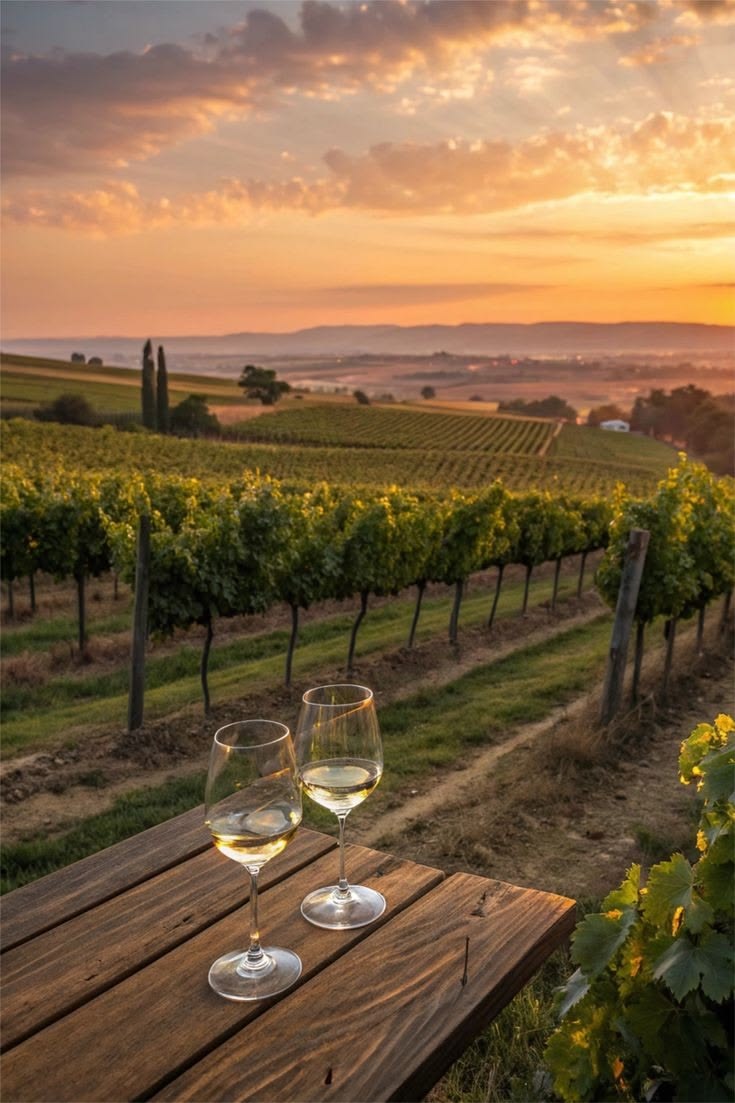
No food tour of Genoa is complete without a deep dive into the wines that are produced on the steep terraces of the Ligurian Riviera. The vineyards of Liguria are among the most dramatic in Italy, carved into slopes that fall directly into the sea, requiring manual cultivation and prodigious quantities of human labour. The wines are correspondingly expressive, the product of a unique combination of soil, climate and tradition.
Vermentino
Vermentino is the classic white wine of the Ligurian coast, and it is the perfect partner for the seafood of the region. The wine is pale straw in colour, with aromas of green apple, white flowers, Mediterranean scrub and a distinct minerality that comes from the limestone and schist soils of the Riviera. On the palate, Vermentino is crisp, dry, and refreshing, with a slight bitterness in the finish that cleanses the palate and prepares it for the next bite of seafood. The best Vermentino comes from the producers of the Riviera di Levante, between Genoa and Cinque Terre, where the vines are planted on terraces so steep that the harvesters must rope themselves to the hillside. Vermentino is inexpensive in the local enotecas. Do not be fooled. The quality is excellent.
Pigato
Pigato is the more complex, more aromatic cousin of Vermentino, produced primarily in the Riviera di Ponente, west of Genoa. The name derives from the Italian word picato, meaning spotted, referring to the spots on the grape skins when fully ripe. Pigato is richer than Vermentino, with notes of apricot, almond, honey and a distinctive hint of peach. The wine has more body, more alcohol, and a longer finish. It is excellent with the walnut sauce of pansoti, with the pesto of trofie, and with the baked fish of the Ligurian coast. Pigato ages well, and a bottle of Pigato from a good producer will develop complexity for five to seven years. The locals know this. The locals keep the best bottles for themselves.
Sciacchetrà
Sciacchetrà is the rare, sweet passito wine of the Cinque Terre, produced from grapes that are dried on straw mats after the harvest, concentrating their sugars and flavours. The wine is amber in colour, with aromas of dried apricot, fig, honey, caramel, and a distinctive note of Mediterranean herbs. It is sweet but not cloying, the sweetness balanced by a streak of acidity that keeps the wine fresh and lively. Sciacchetrà is the traditional wine for dessert, particularly for the Genoese Christmas cakes and the sweet focaccia of the region. It is also excellent with aged cheeses, especially the sharp pecorino of the inland hills. The production of Sciacchetrà is tiny, and the wine is correspondingly expensive. A bottle costs 30 to 50 euros in a shop, much more in a restaurant. It is worth every cent.
Ormeasco and Rossese
The red wines of Liguria are less famous than the whites, but they deserve attention. Ormeasco is a variety of Dolcetto, grown in the hills of western Liguria, producing a wine of medium body, soft tannins, and notes of cherry, violet and a characteristic bitter almond finish. Rossese is the signature red of the Riviera di Ponente, a light, fragrant wine with aromas of rose petals, red berries and a touch of white pepper. Both wines are best served slightly chilled, a practice that Ligurians follow with all their reds, and both are excellent with the cured meats and cheeses of the region.
A Dedicated Day Tour — Eating and Drinking Through Genoa
The following itinerary is designed for the serious gastronome. It is not a race. It is a leisurely, deliberate exploration of the city's best flavours, paced to allow digestion and appreciation. You will walk, you will eat, you will drink, and you will walk again. Wear comfortable shoes and come with an empty stomach.
Morning — Arrival and Coffee
Begin your day by arriving in Genoa without stress. The most comfortable way to reach the city from Genoa Cristoforo Colombo Airport (GOA) is by pre-booking a private transfer with Airport Connection. Your driver will meet you at arrivals and deliver you directly to your hotel in the historic centre. Door to door, no waiting, no dragging luggage onto buses.
Start your food tour with a proper Italian breakfast: a cappuccino and a freshly baked cornetto at a historic cafe. The Caffè degli Specchi on Via San Lorenzo is a Genoese institution, with mirrored walls, marble tables, and a clientele of elderly men reading newspapers and arguing about the football club. Stand at the bar for a faster and cheaper experience. The coffee is excellent. The pastries are fresh. The atmosphere is pure Genoa.
Late Morning — Mercato Orientale
Walk to the Mercato Orientale, the covered market of Genoa, located a few blocks from Piazza De Ferrari. The market is a feast for the senses: stalls of freshly caught fish from the Ligurian Sea, piles of purple artichokes, green basil in enormous bunches, olives, cheeses, salamis, and the famous focaccia ligure. Visit the focacceria inside the market and buy a slice of focaccia al sale, the classic version, and a slice of focaccia with rosemary. Eat them standing at a plastic table. The focaccia is best when it is still warm from the oven. The market vendors will shout at you. Do not take it personally. This is how they communicate.
After the focaccia, find the stall that sells farinata. The farinata should be cut from a large, blistered sheet, served in a paper cone, and eaten with a sprinkle of black pepper. It costs two euros. It is one of the best things you will taste in Italy.
Lunch — A First Taste of Trofie al Pesto
For your first proper meal, seek out a trattoria that specialises in pesto. Trattoria Da Maria on Via Balbi is a good choice. Order trofie al pesto, made fresh that morning, with a glass of Vermentino from the Riviera di Levante. The pesto will be bright green, fragrant with basil, and perfectly coated on the twisted pasta. Do not ask for cheese. The pesto already contains Parmigiano and Pecorino. Do not ask for extra olive oil. The pesto already contains enough. Trust the chef. The chef knows what she is doing.
Early Afternoon — A Wine Tasting in the City
Genoa's historic centre contains several enotecas where you can taste the region's wines without travelling into the countryside. Enoteca Sull'Albero on Via San Bernardo offers flights of Vermentino, Pigato, Ormeasco and Sciacchetrà, served with small plates of cheese, salami and focaccia. The staff are knowledgeable and happy to explain the differences between vintages and producers. Allow at least an hour for this tasting. Do not rush. Wine tasting is not a competition. It is an education.
Late Afternoon — Pansoti with Walnut Sauce
By late afternoon, you will be ready for a second lunch. Dinner in Genoa is traditionally served from 7:30 PM onward, but many osterias begin serving earlier. Trattoria dell'Acciughetta in the caruggi offers pansoti with walnut sauce that will change your understanding of stuffed pasta. The filling is seasonal, depending on what wild herbs the owner has gathered from the hills. The walnut sauce is creamy, nutty, and deeply savoury. A glass of Pigato is the only appropriate wine pairing. Take your time. This is a dish to be eaten slowly, with conversation and appreciation.
Evening — Gelato and a Digestif
After the pasta, you will need something light. Walk to the Porto Antico and find Gelateria Profumo, an artisanal gelateria that makes flavours inspired by the Ligurian tradition. Seek out the gelato al pesto, which sounds alarming but is in fact sublime: sweet, herbaceous, unexpectedly delicious. Or order the gelato di focaccia, which captures the flavour of the local bread in frozen form. For a true Genoese digestive, order a glass of Sciacchetrà or, if you prefer something stronger, a grappa made from the pomace of Vermentino. The grappa will be fierce, aromatic, and warming, a perfect end to a day of feasting.
A note on pacing. Do not attempt to eat everything in a single day. The itinerary above is designed for a full day of eating, but you can spread it over two or three days if you prefer. The quality of your experience will be higher if you do not force yourself to finish every course. Leave room for spontaneity. The best meals in Genoa are often the ones you do not plan: a slice of focaccia at a random bakery, a glass of Vermentino at a wine bar you stumbled into, a conversation with a local who recommends a trattoria not in any guidebook.
The Authentic Recipe for Pesto alla Genovese
This recipe has been passed down through generations of Genoese families. It is not a suggestion. It is the law. Follow it precisely, and you will produce a pesto that would be recognised in any kitchen in Liguria. Deviate, and you produce something else, perhaps delicious, but not pesto.
Ingredients
- 50 grams of fresh basil leaves, only the small leaved Genovese variety, washed and dried
- 30 grams of Italian pine nuts, preferably from Pisa or the Riviera
- 30 grams of Parmigiano Reggiano, freshly grated
- 20 grams of Pecorino Fiore Sardo, freshly grated
- 1 clove of garlic, preferably from Vessalico, a sweet variety from western Liguria
- 5 grams of coarse sea salt from Cervia
- 100 millilitres of extra virgin olive oil from Liguria, Taggiasca variety
Preparation
Place the garlic clove and the coarse salt in the marble mortar. Grind with the wooden pestle using a firm, circular motion until the garlic is reduced to a smooth paste. The salt crystals act as an abrasive, helping to break down the garlic without crushing it too aggressively.
Add the pine nuts. Crush them with the same circular motion until they are incorporated into the garlic paste. The mixture should be coarse but consistent.
Add the basil leaves in small handfuls. Do not grind the basil. Instead, press the leaves against the sides of the mortar with the pestle, using a gentle twisting motion. The goal is to break the cell walls of the leaves without crushing them completely, which would release bitter compounds and discolour the pesto. Be patient. This is the most important step. It should take five to seven minutes of gentle pressing and turning.
When the basil has been reduced to a rough paste, add the grated Parmigiano and Pecorino. Stir with the pestle in a circular motion to incorporate. The cheese will absorb the moisture from the basil and the oil, forming a thick, cohesive paste.
Gradually drizzle the olive oil into the mortar while stirring continuously with the pestle. Do not add all the oil at once. The emulsion forms slowly, and you will see the colour change from dark green to bright, glossy green as the oil is absorbed. Stop when the pesto has the consistency of a thick sauce, not a paste.
Transfer the pesto to a bowl. Rinse the mortar with a small amount of the pasta cooking water and add this to the pesto, stirring to adjust the consistency. This also helps the pesto coat the pasta more evenly.
What not to do. Do not use a food processor. The blades heat and oxidise the basil, turning it brown and destroying the fresh flavour. Do not add cream. The emulsion of oil, cheese and basil is already rich enough. Do not add butter. Do not add lemon juice. Do not add mint. Do not add parsley. Do not add spinach. Do not add any ingredient that is not listed above. These are not variations. They are adulterations. The Genoese have spoken.
Serving Suggestion
Cook 400 grams of trofie or trenette in abundantly salted water until al dente. Drain, reserving a cup of the starchy cooking water. Return the pasta to the pot, add the pesto and a ladle of the cooking water, and toss over low heat for thirty seconds to emulsify. Serve immediately in warmed bowls, with a sprinkle of Parmigiano and a few whole pine nuts. Do not let the pasta sit. Pesto waits for no one.
Transport Tips — Arriving in Genoa for Your Food Tour
From Genoa Cristoforo Colombo Airport (GOA)
Genoa Airport is located approximately 10 kilometres from the city centre. A private transfer with Airport Connection takes approximately 20 minutes and delivers you directly to your hotel. This is the most comfortable option, especially if you are carrying luggage or arriving after a long flight. The fixed price is calculated instantly and includes meet-and-greet service at arrivals.
From Milan Airports
If you are combining Genoa with a visit to Milan, a private transfer from Milan Malpensa Airport (MXP) or Milan Linate Airport (LIN) to Genoa takes approximately two hours. This is a convenient way to move between the two cities without navigating the train system. Your driver will handle your luggage and deliver you directly to your destination.
From Genoa Piazza Principe or Brignole Stations
If you arrive by train, the stations are located in the city centre. A taxi to most hotels in the historic centre takes approximately 10 minutes. Alternatively, you can walk from Piazza Principe to the Porto Antico in 15 minutes. If you have luggage, a taxi or pre-booked car transfer is strongly recommended.
How to book your transfer with Airport Connection. Select your pickup location, Genoa Airport, Milan Airport, or another starting point. Enter your destination in Genoa. Specify passengers and luggage. The system calculates a fixed price instantly. Confirm your booking online, and you will receive a confirmation email with your driver details and meeting instructions. Book at least forty-eight hours in advance for the best availability.
Book Your Transfer →
Conclusion — A City to Be Eaten, Not Just Seen
Genoa is beautiful. Its Rolli Palaces, its cathedral, its caruggi, its views of the sea, these are reasons enough to visit. But the true Genoa, the Genoa that lingers in the memory long after the photographs have faded, is the Genoa of the table. It is the Genoa of pesto crushed in a marble mortar, of focaccia torn from a hot sheet, of farinata folded in paper, of trofie twisted by hand, of Vermentino poured from a straw covered bottle, of Sciacchetrà sipped under the stars. It is a city to be eaten, not just seen. And it is waiting for you, with its ovens firing and its wine glasses filled, to come and taste it for yourself.
Comments
No comments yet. Be the first to share your thoughts!
Leave a Comment
Your comment will appear after moderation.