 Michelle
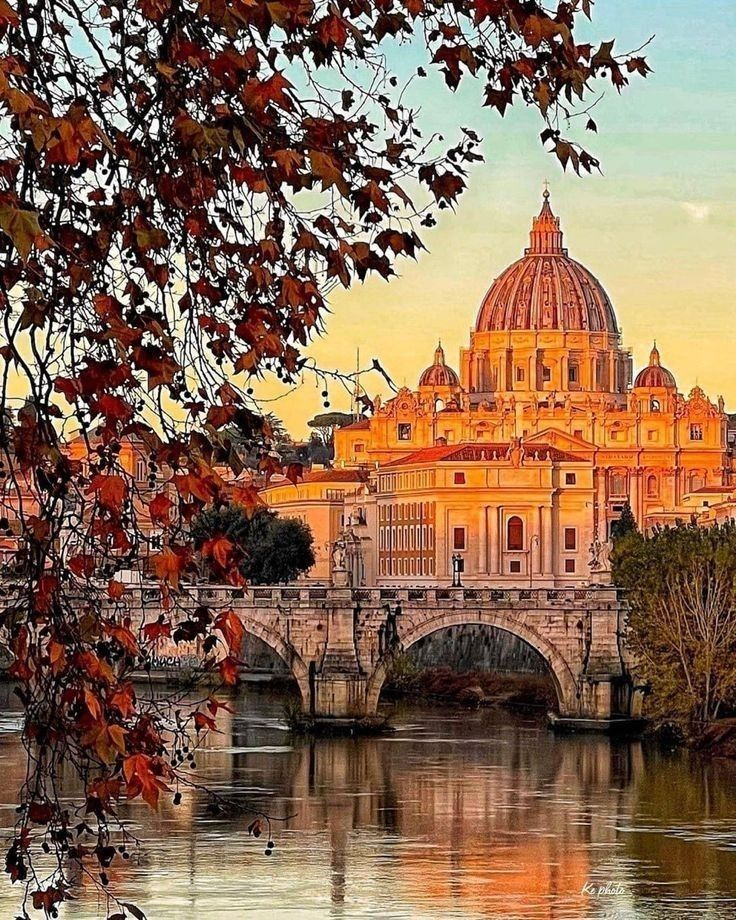
 November in Rome belongs to the Romans. The summer tourists have gone home, the piazzas have exhaled, and the city has remembered what it truly is: not a theme park of ancient monuments, but a living, breathing capital where people go about their actual lives. If you have ever visited Rome in August and felt overwhelmed by the heat and the crowds and the queues stretching around the block in the midday sun, November will feel like a revelation. The same streets. The same fountains. The same extraordinary skyline. But quieter, cooler, more intimate, and in many ways infinitely more rewarding than any summer visit could ever be.
Why November Is One of the Best Months to Visit Rome
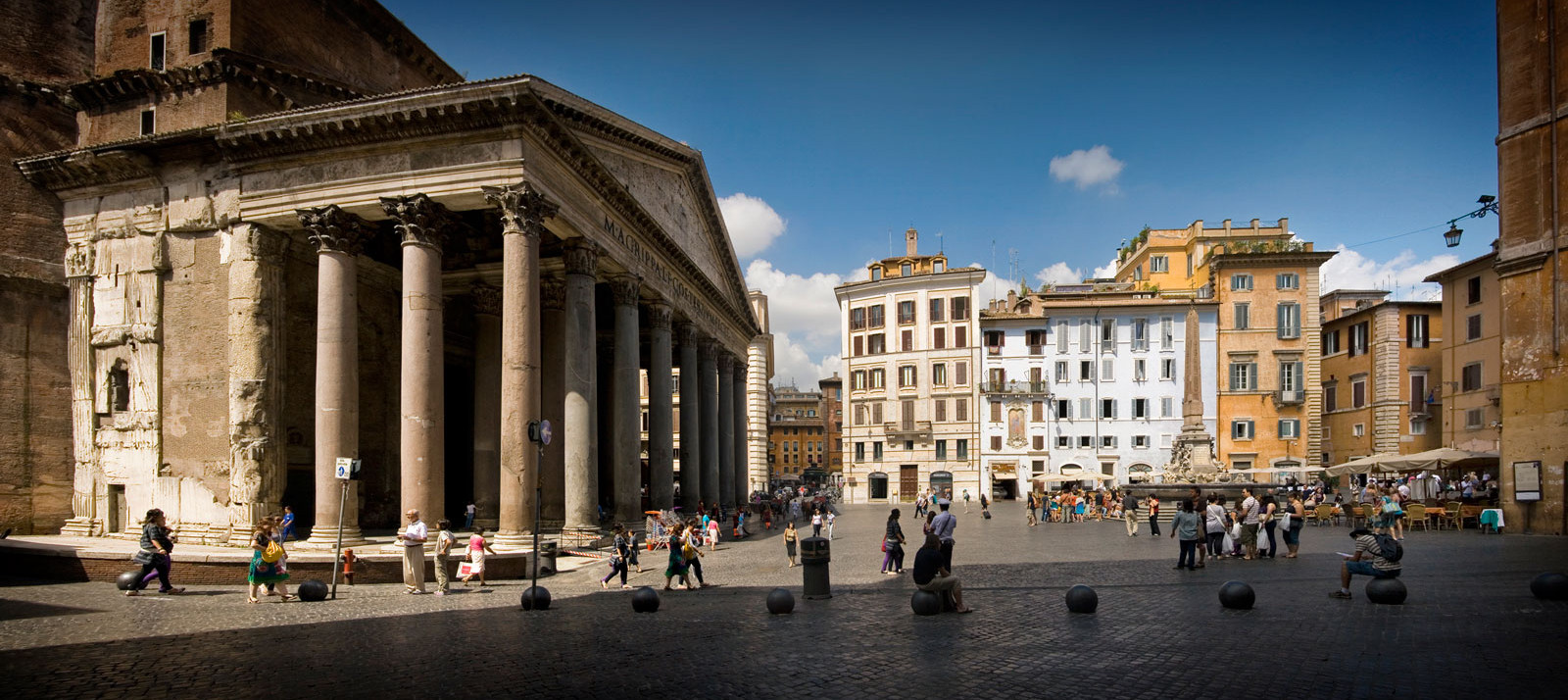
Rome in November offers something that the summer months simply cannot: space. Space to stand in front of the Pantheon without being jostled by the crowd. Space to sit on the steps of a church and simply look up at the facade. Space to have an unhurried conversation with a waiter who is not drowning in forty tables at once. The city in autumn is a different creature altogether, and once you have experienced it, it is difficult to imagine why you would choose any other season.
The weather in November is mild and entirely manageable. Temperatures typically range between 10 and 17 degrees Celsius, with an average around 14 degrees during the day. You will want a proper jacket and layers, but you will not be sweating through your clothes by nine in the morning or retreating to your hotel room during the hottest hours. Rain is more frequent than in summer, but Rome in the rain has its own particular magic: the cobblestones of the centro storico gleam, the smaller piazzas empty out, and the light on the Baroque facades takes on a quality that no serious photographer will ever complain about.
November 1st is All Saints Day, a national public holiday in Italy. Many Romans leave the city for the long weekend, which means the very first days of November can be quieter than usual even by November standards. By the second week, the city settles into its autumn rhythm: a city being lived in, not performed for visitors.
As for prices, flights and hotels in November are consistently and significantly cheaper than in summer. The savings on accommodation alone can often fund an extra night or two, and the difference in flight prices from major European hubs can be substantial. If you are flexible with dates, mid-November through to around the 20th represents the genuine sweet spot: the tourist season is definitively over, the Christmas decorations have not yet appeared, and Rome belongs to itself.
Best time within November: The first two weeks of November are ideal. The light is still golden, the weather is at its mildest, and the city is fully operational. The second half of the month can be chillier and wetter, though still perfectly enjoyable with the right clothing and attitude.
1. What to See and Do: the Major Sights in Autumn
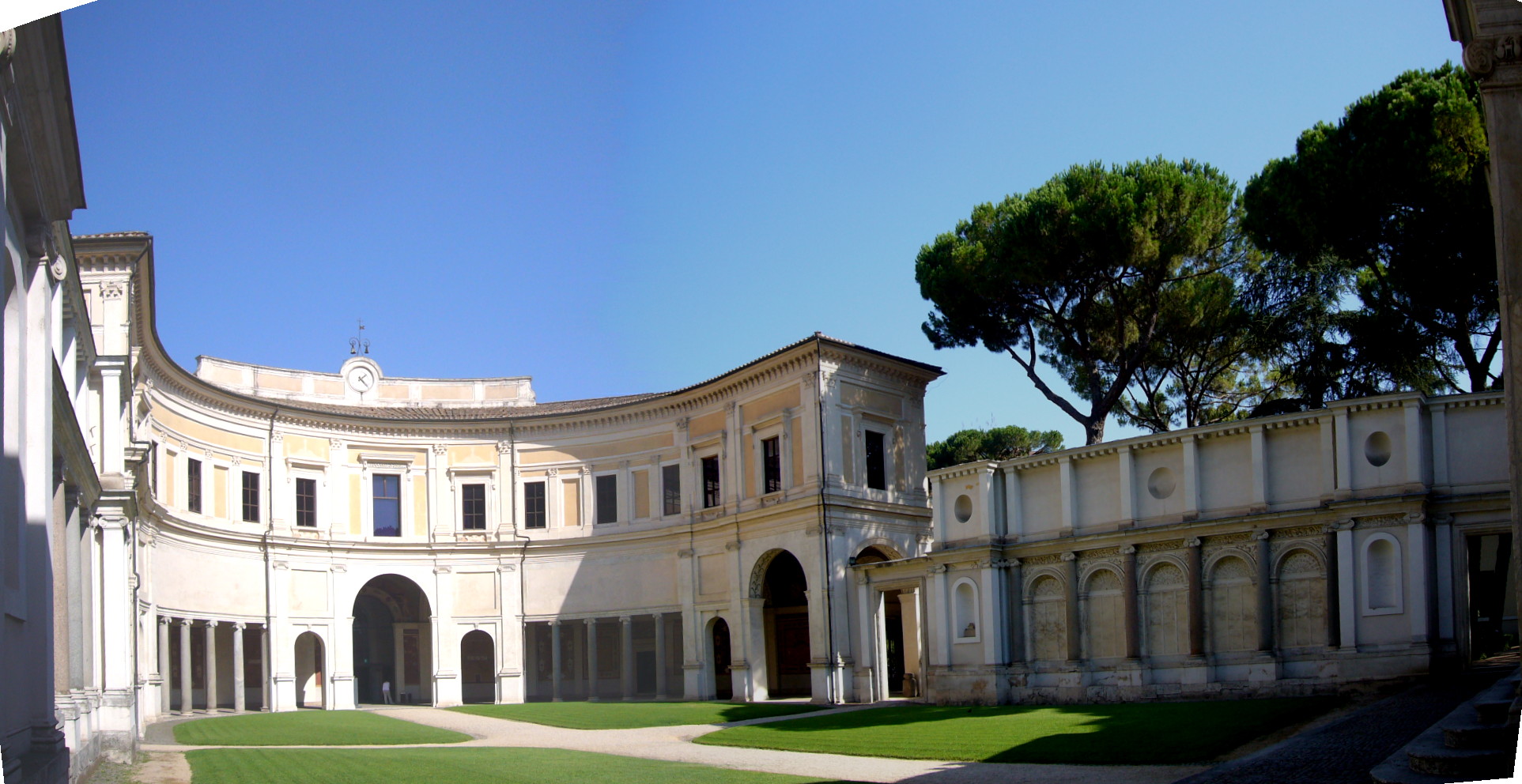
In November, you can do things in Rome that are genuinely difficult or impossible in summer: turn up at the Pantheon on a weekday morning and walk straight in, without a queue of two hundred people ahead of you. Wander the Roman Forum and Palatine Hill without feeling like you are navigating a train station at rush hour. Explore the Trastevere neighbourhood in the late afternoon without fighting for space on the narrow cobbled streets. These are not minor conveniences; they are the difference between experiencing Rome and merely surviving it.
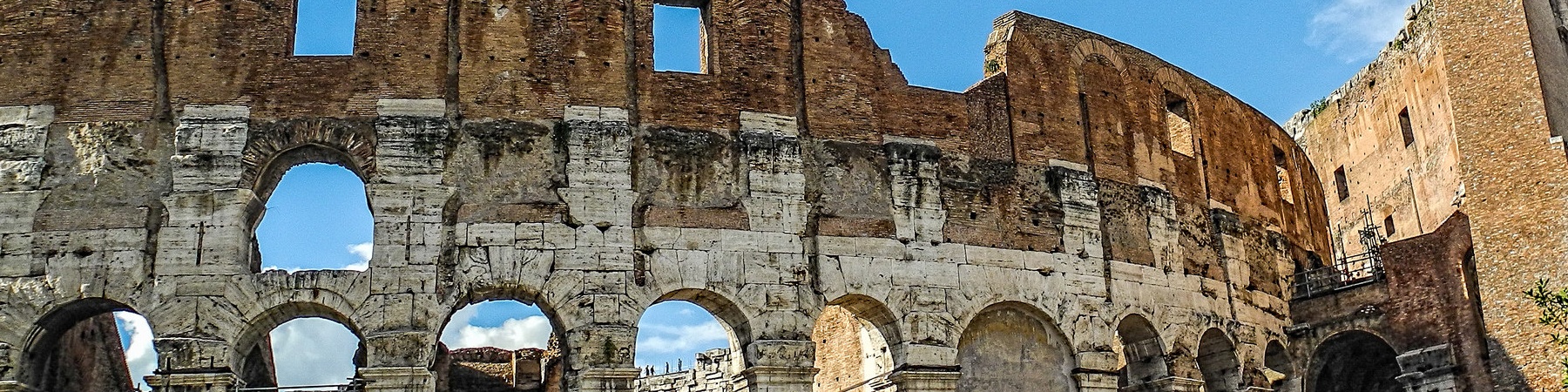
The Colosseum and Roman Forum complex deserve at least half a day, ideally starting early in the morning. Book your tickets online a few days in advance rather than weeks ahead, which is typically all you need in November. The underground areas and the arena floor, which require an add-on ticket, are worth every cent and are far more atmospheric when the site is not packed. If you have never stood on the arena floor and looked up at those ancient arches, November is the perfect moment to do it properly.
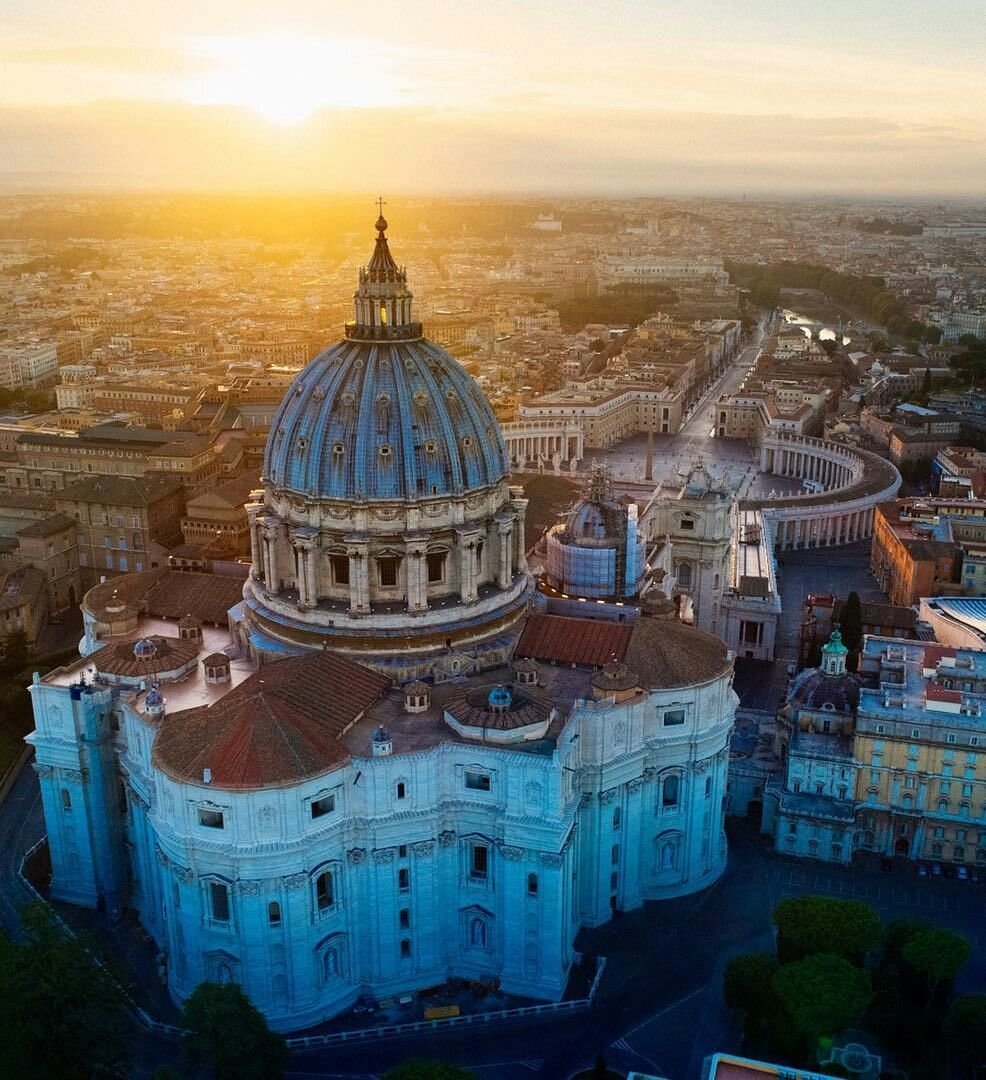
The Vatican Museums and the Sistine Chapel are the one place where queues can still be significant in November, particularly on weekends and immediately around All Saints Day. Book your timed-entry ticket online without exception. The museums open at 9 in the morning, and arriving within the first hour gives you the Sistine Chapel at something approaching its intended atmosphere, before the large group tours arrive and the sound level rises to the point where the guards must repeatedly call for silence.
The Borghese Gallery is perhaps Rome's greatest masterpiece that most visitors either overlook or never manage to enter. It operates on a strictly enforced timed-reservation system, holds a maximum of 360 visitors every two hours, and contains some of the most extraordinary sculpture ever made, including Bernini's Apollo and Daphne and his Pluto and Persephone. Walk-ins are never permitted regardless of season. In November, you can often book just a day or two in advance; in July, tickets for the Borghese sell out weeks ahead. The surrounding Villa Borghese gardens in autumn are genuinely beautiful, with the plane trees turning gold and the park almost entirely to yourself.
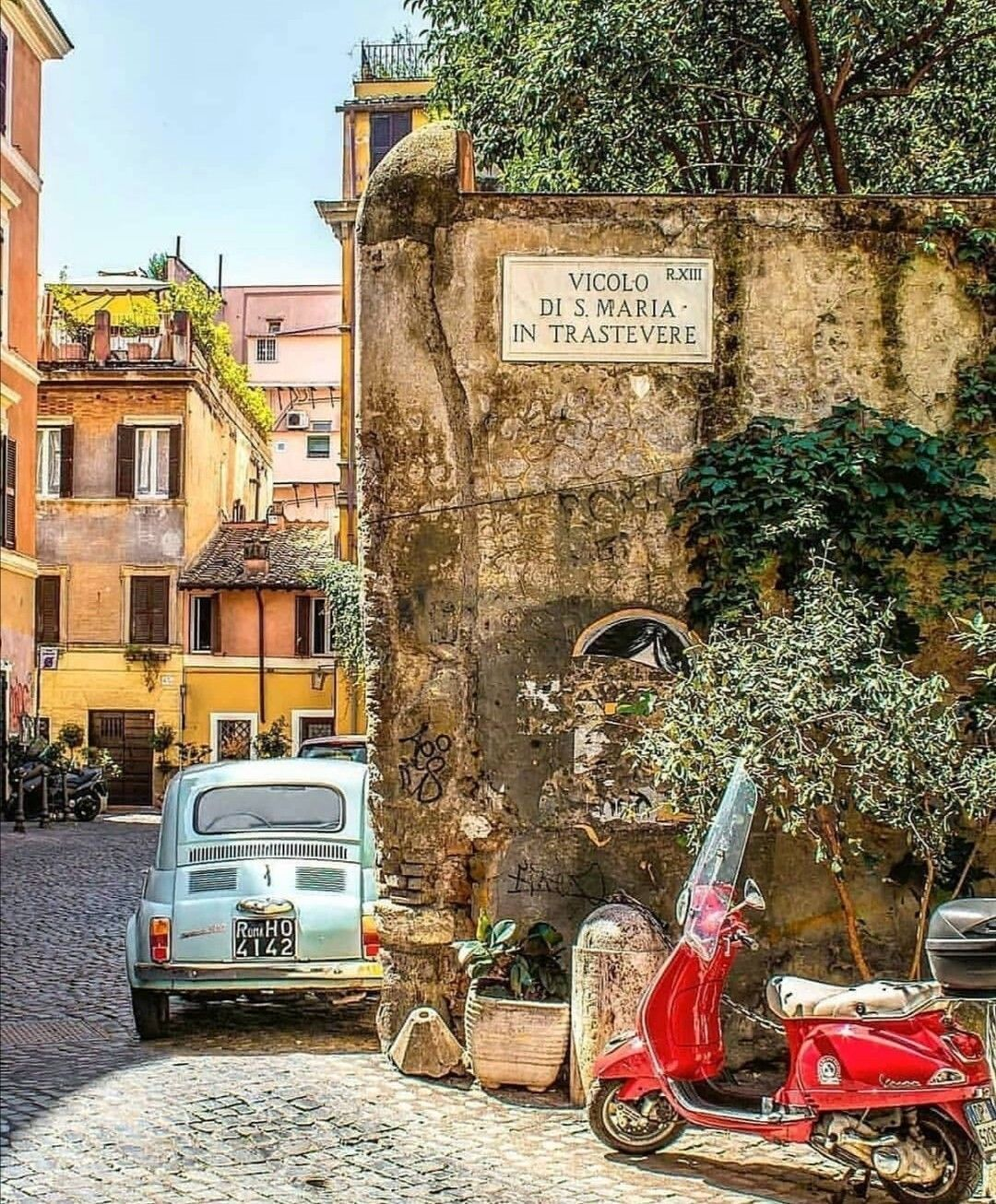
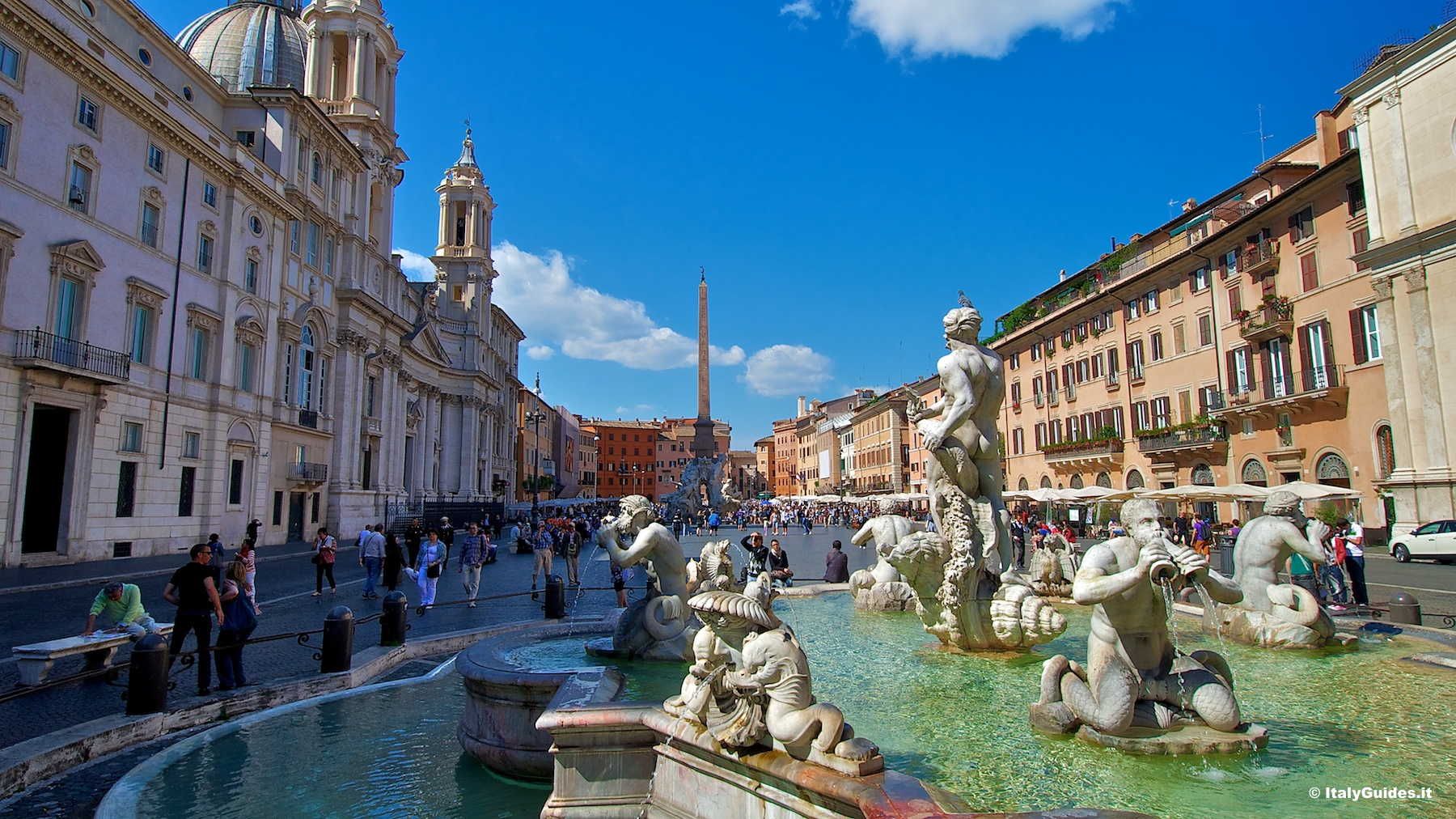
Trastevere, the neighbourhood across the Tiber that in summer turns into an open-air tourist bar district with queues outside every restaurant, recovers something close to its authentic character in November. The trattorias fill with locals at lunch and dinner, the Campo de Fiori market is calm and unhurried, and the Piazza di Santa Maria in Trastevere, with its glittering gold mosaic basilica, is a genuinely quiet and beautiful place to sit with a coffee and watch the neighbourhood go about its day.
2. What to Wear, How to Get Around and How to Avoid the Queues
The single most important thing to pack for Rome in November is layers. Mornings can be genuinely cold, around 10 degrees Celsius, while afternoons often warm to 16 or 17 degrees, especially in the first two weeks of the month. A light waterproof jacket, a mid-layer fleece or warm jumper, and comfortable waterproof walking shoes are the three essentials. Pack all three, and you will be comfortable in any weather Rome chooses to throw at you.
The cobblestones of Rome are relentless. Every block of the centro storico, every path through the archaeological sites, every ramp up to the Capitoline Hill is uneven and hard. This is not a city for fashion trainers with no ankle support, and it is emphatically not a city for sandals in November. Invest in proper comfortable walking shoes with good grip before you leave home, and your feet will carry you through fifteen thousand steps a day without complaint. This advice applies in every season, but in November, when the cobblestones can be slippery with rain, it becomes especially important.
There is also one practical requirement that never changes regardless of season: entry to churches and the Vatican requires covered shoulders and knees. Pack a light scarf or a compact layer that can serve as a cover-up when needed. November temperatures make this easier than in summer, since most people are already wearing layers, but make sure you can access the cover-up quickly when approaching any religious site.
Rome has an excellent public transport network: a metro with two main lines, a comprehensive bus system and several tram routes. A 48-hour or 72-hour travel card, or the Roma Pass if you plan to visit multiple museums, covers all of it and represents good value. In November, the transport system feels less strained than in summer, which means buses are more reliable and less packed.
Common tourist mistakes in November: Assuming you do not need to book tickets in advance because it is off-season. The Vatican and the Borghese Gallery always require advance booking. Buying food at restaurants right next to the Colosseum or the Vatican, where quality is consistently poor and prices are inflated. Walking two or three streets away from any major landmark and the quality improves dramatically while the price drops. Underestimating walking distances: Rome's centro storico looks compact on a map but is significantly larger on foot.
The Trevi Fountain is one of the most visited sights in the world, and even in November it attracts significant numbers of visitors during the middle of the day. Go early in the morning, around 7 or 8, or in the evening after 9, when it is less crowded and the fountain is lit beautifully by spotlights. At those hours, even in peak season, you can stand in front of Nicola Salvi's baroque masterpiece without having to hold your camera above a crowd of heads. In November, an early morning visit to the Trevi can feel genuinely magical: a moment of complete intimacy with one of the great works of European art.
Rome in November asks something of you that Rome in August cannot: it asks you to slow down, to wander without a fixed plan, to sit in a piazza with an espresso and let the city come to you. In return, it shows you something very close to the real thing.
3. What to Eat: Autumn Food and Wine in Rome
November is, without question, one of the best months for food in Rome, because it is one of the best months for Roman seasonal ingredients. Artichokes, porcini mushrooms, truffles, chestnuts, wild boar and the first of the new season's olive oil: the autumn table in Lazio is one of the great pleasures of Italian cuisine, and in November the restaurants serving it properly are full of Romans rather than tourists.
Carciofi alla giudia, the Jewish-style deep-fried artichokes that originated in Rome's ancient Jewish Ghetto, are at their absolute best in autumn and winter, when the local variety of artichoke is in full season. These are not the same artichokes you eat elsewhere: they are flattened and fried whole until the outer leaves are crisp and the interior remains tender, and a properly made version at a good Roman trattoria is one of the most satisfying things you will eat in Italy.
November is also the season for pasta e fagioli, the hearty Roman bean and pasta soup that appears on menus as the weather cools; for coda alla vaccinara, the slow-braised oxtail that is one of Rome's most ancient dishes; and for pappardelle al cinghiale, pasta with slow-cooked wild boar, which appears on menus throughout Lazio as the hunting season gets underway. If you see tartufo nero on a menu, order it: the black truffle of central Italy is at or near its peak in November and elevates even a simple plate of pasta into something memorable.
Chestnuts roasted over open wood-fired braziers appear on street corners throughout November, and a paper cone bought for a couple of euros on a cool afternoon is one of Rome's great simple pleasures. Look for the vendors near the major landmarks and along the banks of the Tiber: they are a fixture of Roman autumn life.
For wine, November is the ideal time to explore the Castelli Romani, the wine towns of the Alban Hills just south of Rome, including Frascati, Marino, Velletri and Castel Gandolfo. Many good Roman restaurants and wine bars offer wines from these local appellations that are genuinely excellent and consistently underpriced relative to their quality. Ask for a recommendation from the waiter or the sommelier rather than defaulting to the house wine, and you will drink very well indeed.
Where to eat: Avoid any restaurant with photographs on the menu and a person outside actively trying to attract you in. Instead, make your way to the neighbourhoods of Testaccio (the old working-class quarter, home to some of Rome's most traditional food), Prati (the neighbourhood near the Vatican, favoured by locals rather than tourists), or Trastevere on a weeknight, when the tourist numbers are lower. Look for places where the menu is handwritten or changes daily. That is where Rome's food happens.
4. Getting to Rome: Arriving and Getting Around
Rome is served by two main airports. Fiumicino Airport (Leonardo da Vinci, FCO), the larger international hub located 30 kilometres southwest of the city centre, handles the majority of long-haul and European flights. Ciampino Airport (CIA), a smaller airport used mainly by low-cost carriers, sits about 15 kilometres southeast of the city. In November, flight prices to both airports are typically at their lowest for the year outside of January and February, making this one of the most cost-effective periods to visit.
Getting from the airport to your accommodation after a long flight deserves careful thought, especially if you are arriving for the first time. The most comfortable and stress-free option is a private airport transfer, which takes you door to door with no need to navigate public transport, manage heavy luggage on buses or trains, or worry about language barriers at the end of an exhausting journey. From Fiumicino, the Leonardo Express train is the fastest public option, running directly to Roma Termini station in 32 minutes with departures every 30 minutes throughout the day.
Arriving late at night? In November, flights often land in the evening and public transport to the city centre can be less frequent after midnight. A pre-booked private transfer means your driver is waiting for you in the arrivals hall regardless of the hour, and you are at your hotel in 45 minutes without a single moment of stress. It is the right way to start a November trip to Rome.
Comments
No comments yet. Be the first to share your thoughts!
Leave a Comment
Your comment will appear after moderation.