 Michelle
 Every great city has its non-negotiables: the places that exist beyond personal taste, beyond the question of what kind of traveller you consider yourself to be, beyond the desire to be original or to avoid the crowds. Rome has many extraordinary things to offer, and a traveller with a week to spare should absolutely venture beyond the obvious. But first, the obvious. Because the obvious, in Rome, is among the most extraordinary things that human beings have ever made. The Colosseum. The Vatican. The Pantheon. Three places. Three different civilisations, almost. Three different answers to the question of what architecture, faith and engineering can achieve when an entire civilisation is behind them. You have to see all three.
Why These Three Places Are Truly Unmissable
It is fashionable, in certain travelling circles, to disdain the most famous sights. To seek out the hidden, the overlooked, the local. This is, in general, excellent instinct, and Rome rewards it handsomely. But there is a reason the Colosseum, the Vatican and the Pantheon attract millions of visitors every year, and that reason is not merely marketing or momentum. It is that these three places are genuinely among the greatest things that exist on the surface of the planet Earth, and no amount of sophistication or counter-intuition can change that fact.
The Colosseum is the single most recognisable ancient structure in the world. It held fifty thousand spectators. It hosted events for four centuries. Its engineering was so advanced that it would not be surpassed for well over a thousand years. The Vatican contains, within a single complex, the largest church ever built, one of the world's great art museums, and two of the most consequential rooms in the history of Western civilisation. The Pantheon has stood, essentially intact, for nearly two thousand years, and it remains to this day the best-preserved ancient Roman building in existence. Its dome, poured from a single continuous pour of concrete in the second century AD, is still the largest unreinforced concrete dome ever built.
These are not merely tourist attractions. They are the reasons Rome is called the Eternal City. And the experience of standing inside each of them, in person, without the mediation of a screen or a photograph, is one that changes the way you think about human ambition, human history and what it means to make something that lasts.
The golden rule for all three: Book your tickets online before you leave home. This applies to the Colosseum, the Vatican Museums and the Pantheon without exception. Walking up without a pre-booked ticket at any of these sites means joining a queue that, in high season, can run to two hours or more. Online booking eliminates the queue, often costs the same or less, and means you arrive knowing exactly when you are going in.
1. The Colosseum and the Roman Forum: the Heart of the Ancient World
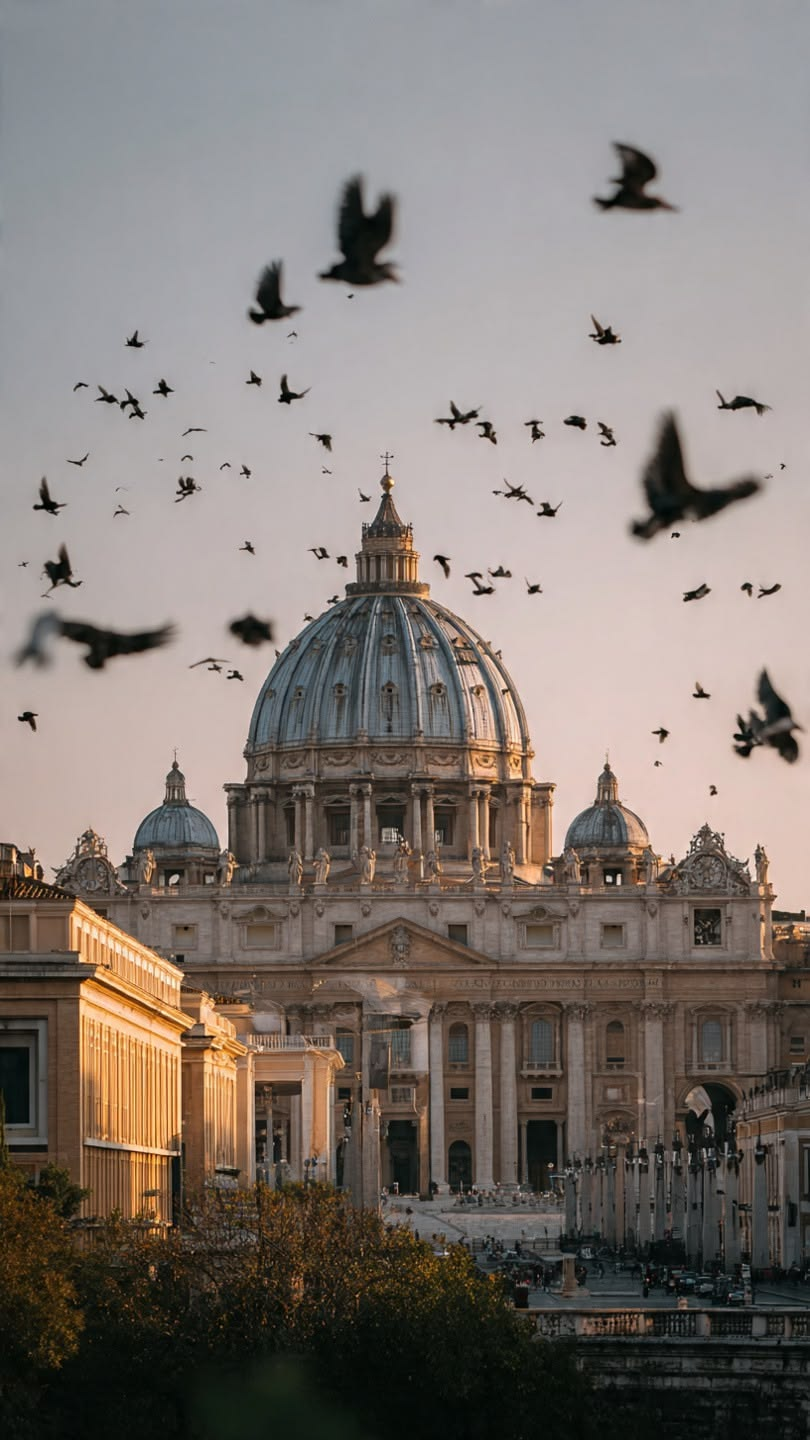
You have seen the Colosseum in photographs your entire life. You think you know what it looks like. And then you turn a corner somewhere in the Celio neighbourhood or emerge from the Colosseo metro station, and it is simply there, vast and ancient and real, rising from the ground with a physical presence that photographs have never come close to capturing. The first sight of the Colosseum in person is one of those moments that travel occasionally produces: a genuine shock of scale, of beauty, of the sheer improbability that something made by human hands could be quite so large and quite so old and quite so perfectly formed.
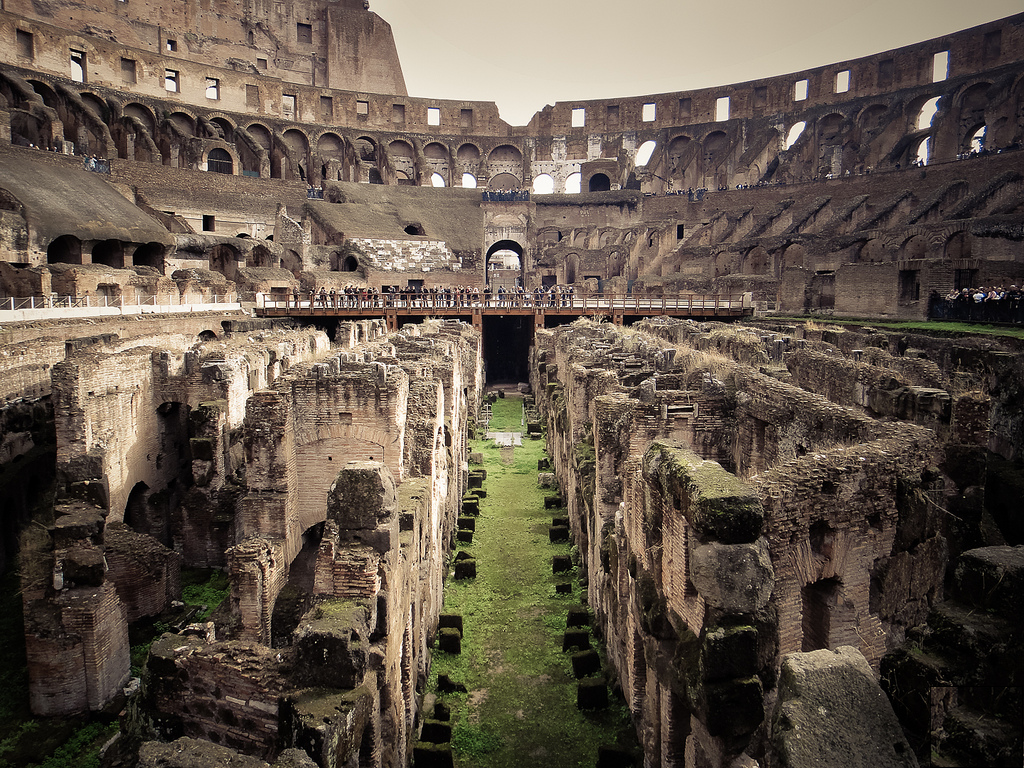
The Colosseum, or Amphitheatrum Flavium, was begun under the Emperor Vespasian in 72 AD and completed under his son Titus in 80 AD. It held between fifty thousand and eighty thousand spectators and was used for gladiatorial combat, animal hunts, public executions, dramas and re-enactments of famous battles for nearly four centuries. The scale of the building is staggering even today: 188 metres long, 156 metres wide, 48 metres high at its outer wall, with 80 arched entrances designed to allow the entire crowd to enter and exit within minutes. The engineering that makes this possible, the system of numbered corridors and vomitoria, the hydraulic mechanisms beneath the arena floor, the velarium (the retractable canvas awning that could shade the entire structure), represents a level of sophisticated civic engineering that was not matched in Europe until the 19th century.
Your standard Colosseum ticket includes access to the Roman Forum and Palatine Hill, which are located directly adjacent and are connected by the same ticketing system. Do not make the mistake of treating the Forum as an afterthought. The Roman Forum was the civic, commercial and religious heart of the Roman Empire for nearly a thousand years: the place where Julius Caesar was cremated, where Mark Antony delivered his famous funeral oration, where the greatest legal cases of the ancient world were argued. Walking along the Via Sacra, past the Arch of Titus and the Temple of Saturn and the House of the Vestals, is to walk through the physical centre of a civilisation that shaped every subsequent one in the Western world.
What to see inside the Colosseum
The standard ticket gives you access to the ground floor and the first-level gallery, which offers excellent views over the arena floor and the hypogeum, the network of underground tunnels and chambers where the gladiators and animals were held before the spectacles. The underground areas and the arena floor itself require an additional paid supplement and must be booked separately. They are absolutely worth the extra cost: standing on the arena floor, looking up at the four remaining tiers of the building, gives you a visceral sense of the experience of combat in a way that the galleries above cannot match.
Palatine Hill, directly above the Forum, is where the emperors of Rome built their palaces and where, according to tradition, Romulus founded the city in 753 BC. The views from the hill over the Forum below and the Circus Maximus on the other side are exceptional, and the ruins of the imperial palaces, while fragmentary, give a genuine sense of the extraordinary scale and luxury of the world the Caesars inhabited.
Best time to visit the Colosseum: Arrive when the gates open at 9 in the morning, or go in the last two hours before closing. The middle of the day, between 11am and 3pm, is the most crowded period, especially in summer. Allocate a full morning or afternoon for the Colosseum, Forum and Palatine Hill combined: at least three to four hours, and more if you are genuinely interested in the archaeology. Wear comfortable shoes. The terrain is entirely uneven ancient stone and the distances are significant.
2. The Vatican: Saint Peter's, the Museums and the Sistine Chapel
The Vatican is not a single place. It is a complex, a world within a world, a sovereign state of 44 hectares that contains within its borders one of the most extraordinary concentrations of art, architecture and history anywhere on the planet. Give it a full day. Give it two if you can. It deserves every hour.
Saint Peter's Basilica
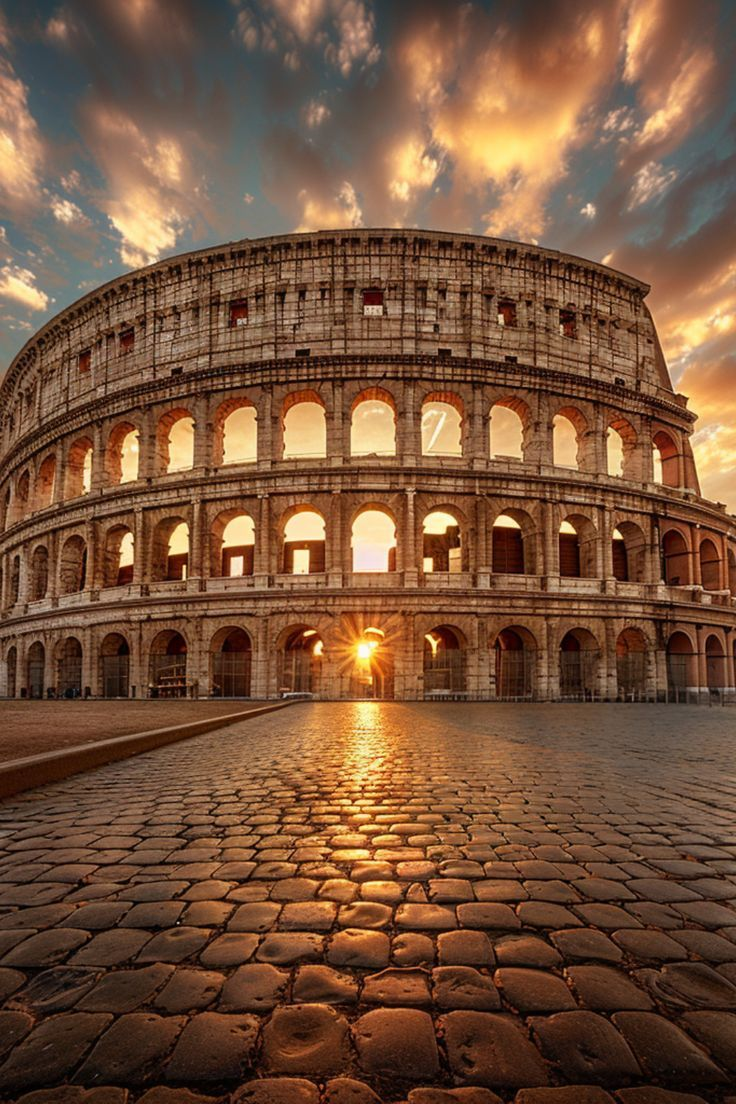
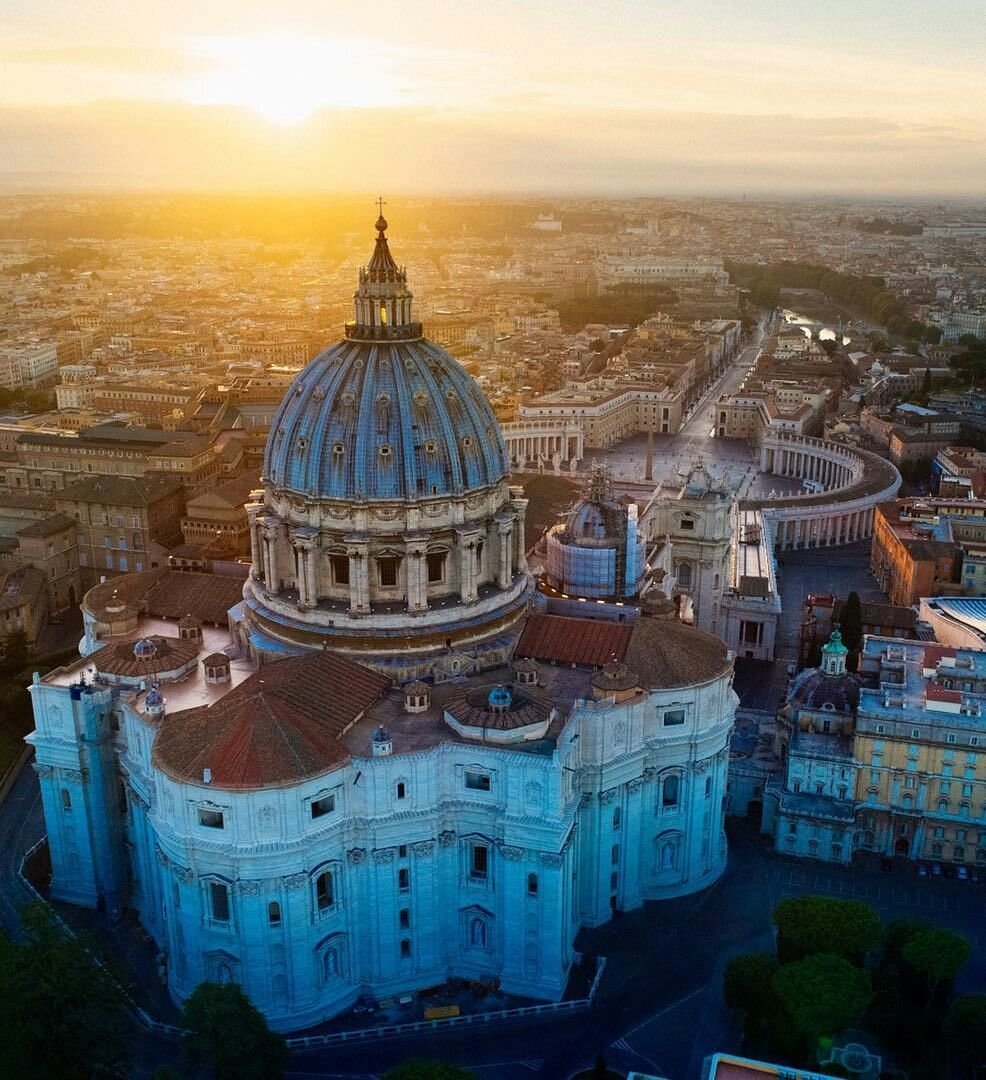
Entry to Saint Peter's Basilica is completely free, and it is one of the most important facts about visiting Rome that every traveller should know before they arrive. The largest church in the world, built over the tomb of the Apostle Peter on the site of his martyrdom in Nero's circus, the basilica as it stands today is the result of over a century of construction beginning in 1506 under Pope Julius II. Its architects included Bramante, Michelangelo, Giacomo della Porta and Carlo Maderno; its interior was decorated by Bernini, who also designed the magnificent elliptical colonnade of the square outside.
The scale of Saint Peter's is something that photographs genuinely cannot convey. The nave is 218 metres long. The dome, designed by Michelangelo and completed after his death by Giacomo della Porta, rises to 136 metres at its apex. The four pillars that support the dome are each 24 metres in diameter. The letters of the inscription that runs around the interior of the dome, which read "Tu es Petrus" (You are Peter), are each two metres tall. Every proportion in the building has been calibrated so perfectly that the immensity of the space only becomes apparent gradually, as you look around and begin to locate human-scale objects and realise how small they are.
Inside the basilica, the highlights are numerous and extraordinary. Michelangelo's Pieta, the marble sculpture of the Virgin holding the body of the crucified Christ that the artist completed at the age of 24, is housed in the first chapel on the right as you enter and is protected behind glass. It is one of the most perfectly realised works of sculpture ever made, and standing in front of it, even briefly and in company, produces a quality of silence and attention that is rare in any kind of cultural experience. Bernini's Baldachin, the enormous gilded bronze canopy above the papal altar, was cast using bronze stripped from the Pantheon, and at 29 metres high it is itself larger than the facade of most ordinary churches. The dome can be climbed for a fee and offers one of the finest views over Rome available anywhere in the city.
The Vatican Museums and the Sistine Chapel
The Vatican Museums require a separate timed-entry ticket, and booking online well in advance is not merely recommended but essential, especially between March and October. The museums contain one of the greatest art collections assembled by any institution in history: ancient sculpture including the Laocoon and the Apollo Belvedere, an entire gallery of geographical maps painted on the walls, Raphael's Stanze with the School of Athens, and at the end of the long, extraordinary route through gallery after gallery, the Sistine Chapel.
The Sistine Chapel is one of those rare places where the reality exceeds the expectation. Michelangelo painted the ceiling between 1508 and 1512, lying on scaffolding, covering an area of approximately 500 square metres with one of the most complex and ambitious pictorial cycles ever attempted. The nine central panels depicting scenes from Genesis, including the famous Creation of Adam, are flanked by prophets, sibyls, ancestors and the ignudi, nude figures of extraordinary power and grace. Above the altar hangs the Last Judgement, painted by Michelangelo twenty years later when he was in his sixties, a thunderous and apocalyptic vision that fills the entire end wall. You need time here. Do not rush it.
Vatican timing tips: The Vatican Museums open at 9am and the first hour is the least crowded. If you book the earliest entry slot, you can reach the Sistine Chapel before the large group tours arrive, and the difference in atmosphere is remarkable. Combine this visit with Saint Peter's Basilica on the same day, but be aware that you exit the Museums through a separate door and must queue for the basilica separately. Covered shoulders and knees are required for entry to the basilica. Bring a scarf or layer.
3. The Pantheon: the Most Perfect Building Ever Constructed
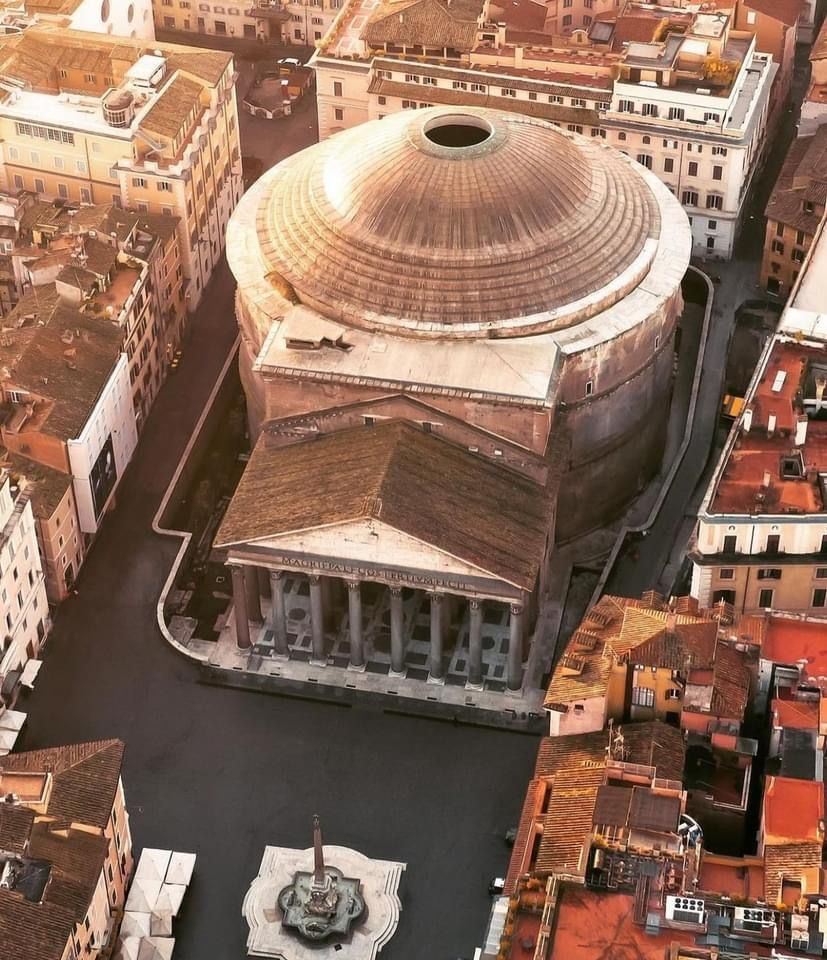
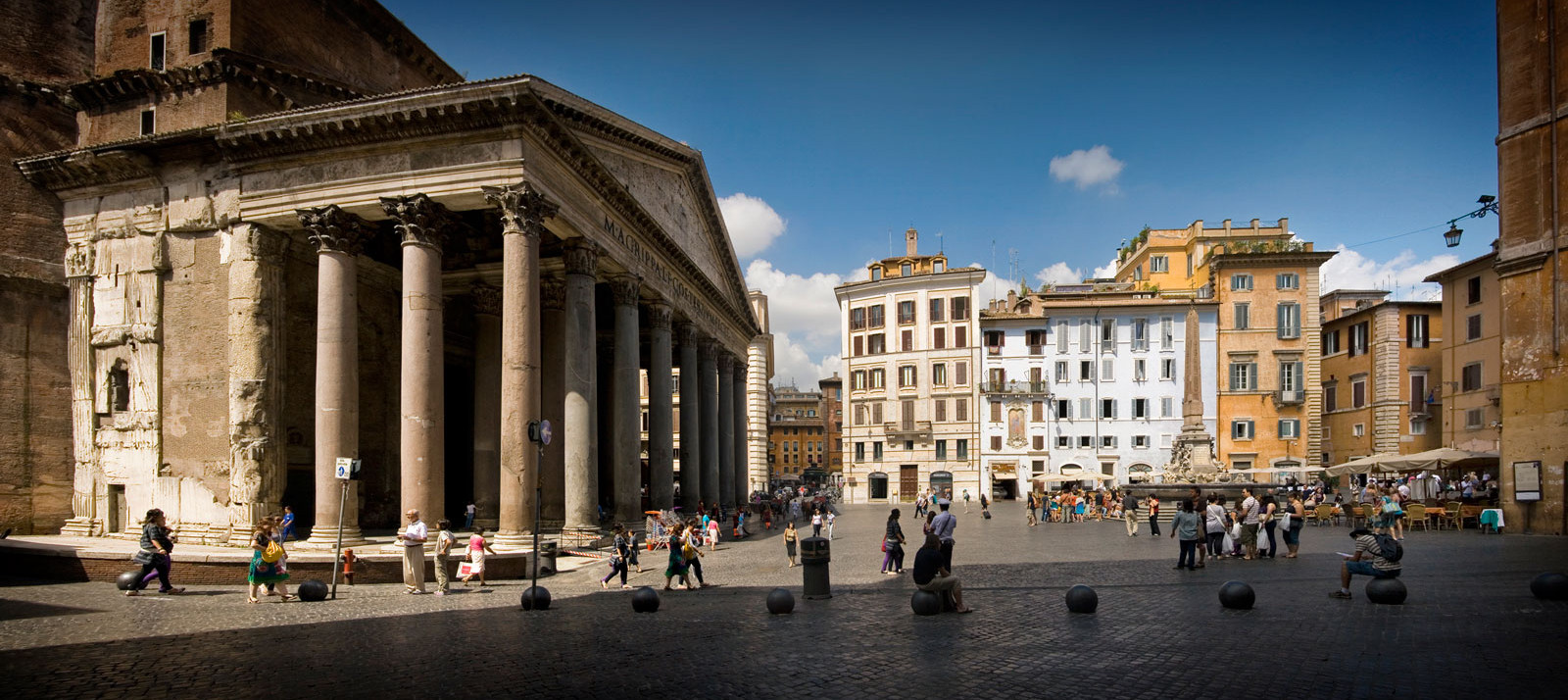
Of the three places on this list, the Pantheon is the one that most consistently surprises visitors, because it is the one they least expect to move them as profoundly as it does. The Colosseum is vast and dramatic and obviously spectacular. The Vatican is enormous and overwhelming and loaded with greatness. The Pantheon is, from the outside, deceptively simple: a large portico of granite columns, a triangular pediment, a plain brick rotunda behind. And then you walk through the doors.
The interior of the Pantheon is a perfect sphere: the diameter of the rotunda is exactly equal to its height, both measuring 43.3 metres. The dome, poured from a single continuous pour of concrete mixed with progressively lighter aggregates as it rises, is still the largest unreinforced concrete dome in the world, nearly two thousand years after it was built. And at the crown of the dome, the single circular opening, the oculus, 8.7 metres in diameter and open to the sky, lets in a perfect column of light that moves across the interior during the course of the day like the beam of a cosmic lantern. There is no glass in the oculus. When it rains, the rain falls through the opening and drains through the slightly convex floor below. The building accommodates the weather as naturally as it accommodates the light.
The Pantheon was built by the Emperor Hadrian between approximately 118 and 125 AD on the site of an earlier temple. It survived the fall of the Roman Empire, the Middle Ages, the Renaissance and every subsequent century because it was consecrated as a Christian church in 609 AD, a status that protected it from being stripped for building materials as so many other ancient Roman structures were. Raphael is buried here. So are two kings of Italy. The inscription on the portico still reads, as it always has, the name of Marcus Agrippa, who built the original temple on this site in 27 BC. The continuity between that inscription and the living city around it is breathtaking.
When to visit and what to expect
Since July 2023, the Pantheon charges an entry fee and requires an advance booking. This has, paradoxically, improved the visitor experience significantly: the interior is less crowded than it was during the years of free entry, when the building was permanently packed. Book your slot in advance, arrive on time, and give yourself at least 30 to 45 minutes inside. The Pantheon is not large, but it demands slow, attentive looking. The proportions, the geometry, the quality of the light at different times of day, the extraordinary technical achievement of the dome: all of these things reveal themselves gradually to someone who is willing to stand still and pay attention.
The best time to visit the Pantheon is either first thing in the morning, when the light enters the oculus at a low angle and rakes across the interior walls, or around midday in summer, when the beam of light falls directly downward through the opening and illuminates the floor in a perfect circle. Both experiences are extraordinary and completely different. If you can arrange your itinerary to visit twice, briefly, at different times of day, you will understand why this building has been studied, revered and imitated by architects for two thousand years.
The neighbourhood around the Pantheon: The Pantheon sits at the heart of one of Rome's most beautiful walking areas. Within five minutes on foot you can reach the Piazza Navona, the Campo de Fiori, the remains of the ancient Theatre of Pompey, several of Rome's finest gelato shops and the market of the Campo itself. Plan your Pantheon visit as the anchor of a full morning or afternoon in this neighbourhood, and wander freely before and after. This is Rome at its most generous, its streets full of history and beauty and very good food.
Getting to Rome and Making the Most of Your Time
Rome is served by two airports. Fiumicino Airport (Leonardo da Vinci, FCO), 30 kilometres southwest of the city, handles the majority of international and long-haul flights. Ciampino Airport (CIA), about 15 kilometres southeast, serves mainly low-cost carriers. From either airport, the journey to the city centre requires thought, particularly on a first visit when you are navigating an unfamiliar city with luggage after a long flight.
The most comfortable and stress-free option is a private airport transfer, which takes you directly to your hotel with your luggage handled and no need to change transport or manage connections in an unfamiliar city. From Fiumicino, the Leonardo Express train (32 minutes to Roma Termini, every 30 minutes) is the fastest public alternative. Whichever you choose, arriving in Rome rested and oriented, rather than exhausted and confused, makes an enormous difference to your first hours in the city, and those first hours set the tone for everything that follows.
Rome is a city that does not reveal itself all at once. It gives you something extraordinary, then lets you absorb it. Then it gives you something else. The Colosseum, the Vatican and the Pantheon are where that process begins. They are the beginning of a conversation with one of the greatest cities that has ever existed, and that conversation, once started, is very difficult to end.
Comments
No comments yet. Be the first to share your thoughts!
Leave a Comment
Your comment will appear after moderation.