 Michelle
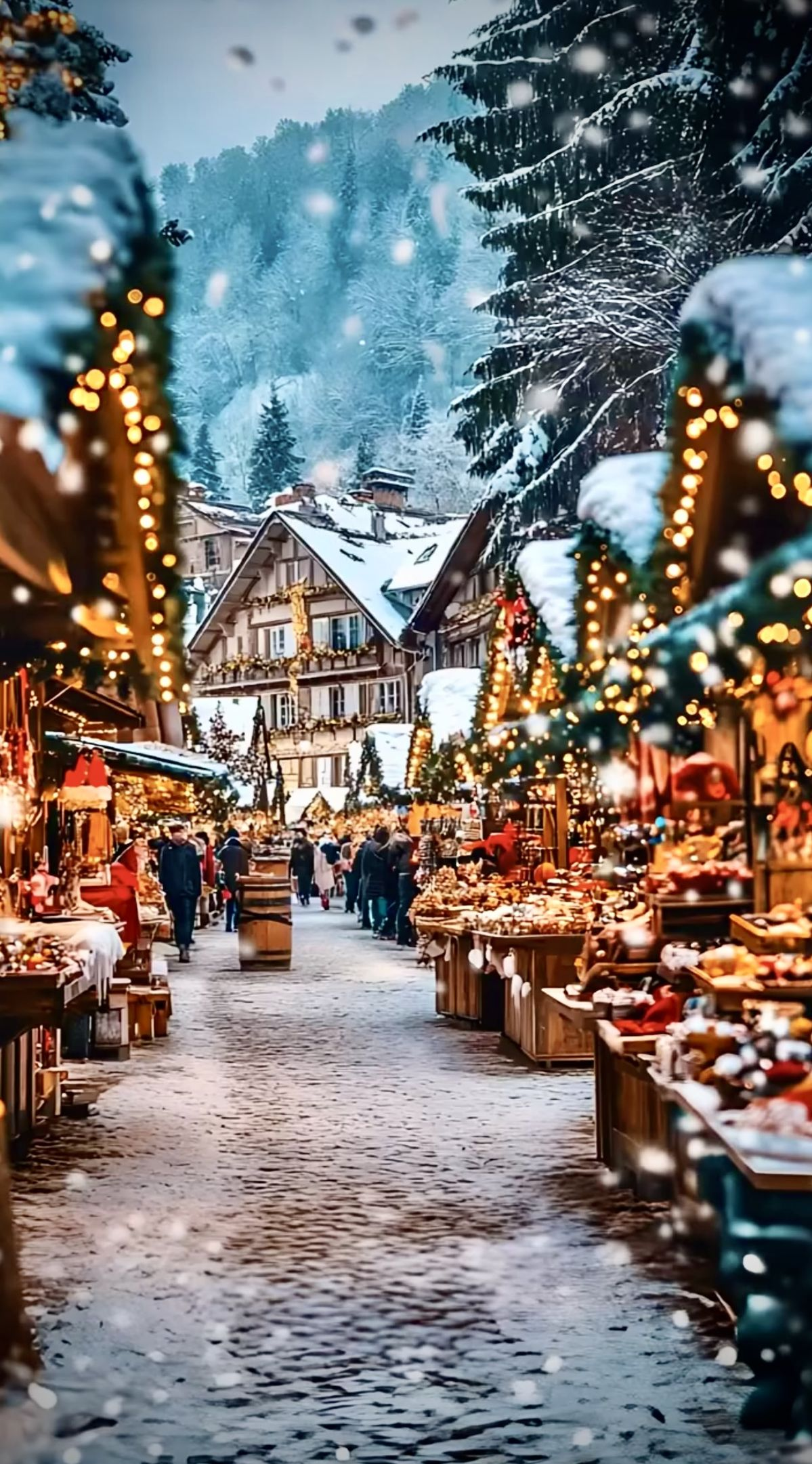
 The Christmas market is one of the oldest and most genuinely pleasurable traditions in European urban life. In the weeks between the first of Advent and Christmas Eve, the squares and boulevards of Europe's great cities are transformed by the appearance of wooden stalls, coloured lights, the smell of mulled wine and roasting chestnuts, and a quality of warmth and communal festivity that is entirely its own and cannot be reproduced by any other kind of event at any other time of year. Not all Christmas markets are equal. Some are wonderful. Some are commercial exercises of limited interest. But the finest three, the ones that combine an extraordinary city with an extraordinary market tradition and a quality of winter atmosphere that justifies a journey from anywhere in Europe, are Paris, Strasbourg and Vienna. Here is why each one is worth going to, and how to go about it.
Why European Christmas Markets Are Genuinely Worth the Journey
The Christmas market tradition has its origins in the German-speaking cities of the late medieval period, where the markets developed as a practical commercial event allowing townspeople to purchase food and goods for the Christmas feast in the weeks before the holiday. The oldest recorded Christmas market in the German-speaking world is the Vienna Christkindlmarkt, mentioned in city records from 1296, and the Strasbourg market dates with documented certainty to 1570. Over the following centuries, the tradition spread throughout Central Europe and has in the last thirty years become one of the dominant forms of Christmas cultural tourism, attracting visitors from across the world to the cities that do it best.
What makes the finest Christmas markets genuinely worth travelling for is not the stalls themselves, which vary considerably in quality and authenticity, but the combination of the market with the city that hosts it. A great Christmas market is inseparable from its setting: the mulled wine tastes different when you are drinking it in the shadow of the Strasbourg Cathedral or in front of the Vienna Rathaus; the wooden stalls look different when they are lit against the backdrop of Haussmann's Paris or the Baroque palaces of the Habsburg capital. The city provides the scale and the beauty; the market provides the warmth and the invitation to stand still and enjoy the moment. Together, they produce an experience that is, at its best, genuinely enchanting.
The best time to visit any Christmas market: Come in the early evening, from approximately 5 until 8 in the evening. This is when the lights are fully illuminated against the dark sky, when the cold air carries the smell of Glühwein and roasting Maroni most clearly, when the stalls are busy but not yet at maximum Saturday-afternoon density, and when the combination of darkness and artificial light gives the market its most magical visual quality. Arriving in broad afternoon daylight at the peak weekend hours, while still enjoyable, is a lesser version of the same experience.
1. Paris: Illuminated Boulevards and Parisian Elegance at Christmas
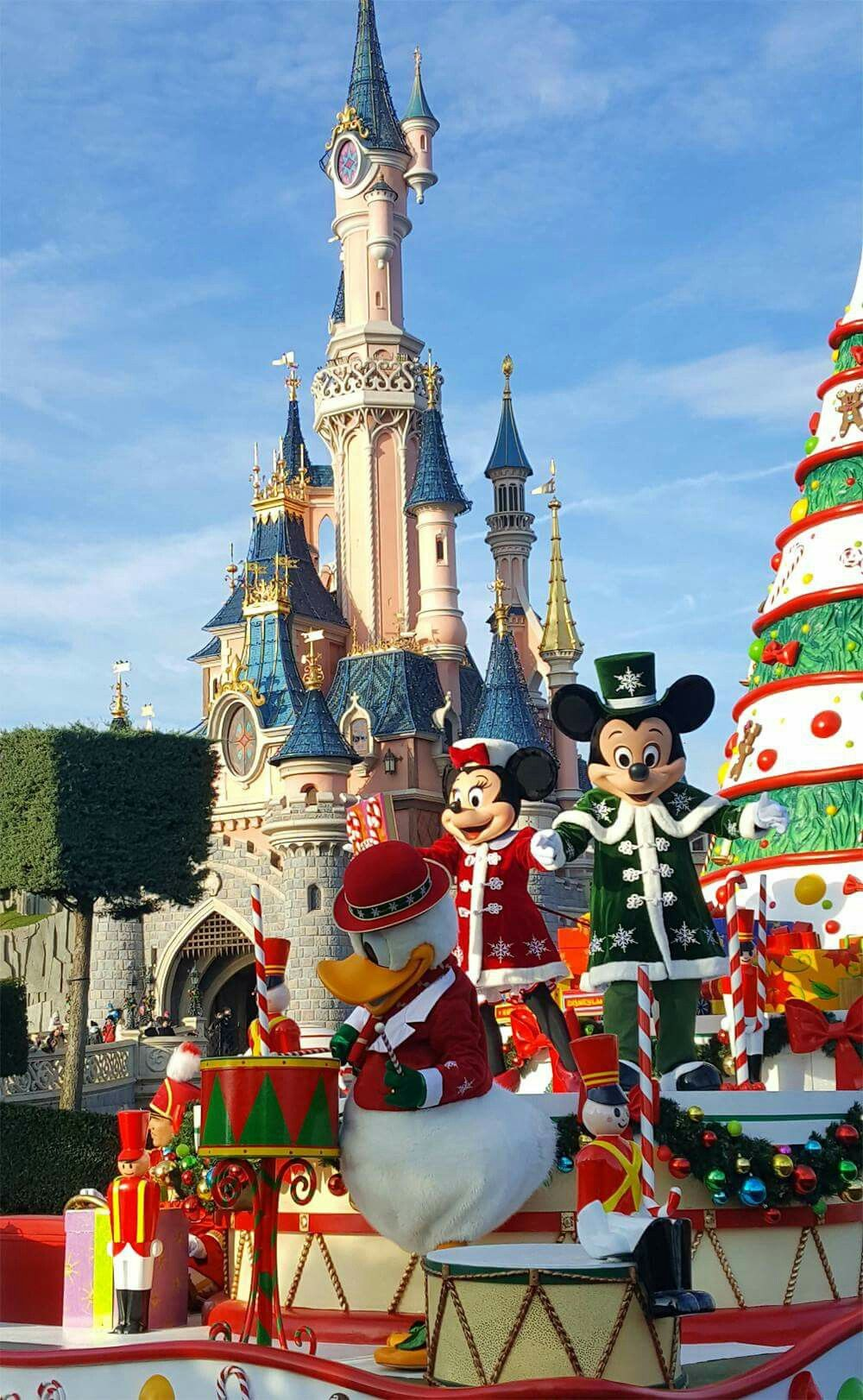
Paris at Christmas is one of the great visual pleasures of European winter travel. The city does not have a single dominant Christmas market in the German tradition: it has several, distributed across the city's principal public spaces, each with its own character and each drawing on the particular quality of the Parisian setting to create an experience that is distinctly and unmistakably French. What Paris lacks in market antiquity it more than compensates for with the sheer beauty of the city it illuminates, and walking the Champs-Elysees in December, when the avenue's trees are strung with hundreds of thousands of LED lights that transform the most famous street in the world into something close to a cathedral of light stretching towards the Arc de Triomphe, is one of those experiences that stops even the most seen-it-all traveller in their tracks.
The Marché de Noël des Champs-Elysees runs along the central reservation of the avenue from the Rond-Point des Champs-Elysees to the Place de la Concorde for approximately three hundred metres. The stalls, around 200 of them, sell a mix of French artisan food products (foie gras, confiture, nougat, pain d'epices, the extraordinary variety of French cheese), decorative objects, Christmas gifts of varying quality, and the obligatory vin chaud (hot mulled wine) and crepes that are the defining street foods of French winter markets. The setting is entirely extraordinary: the illuminated avenue, the winter sky, the chestnut trees in their seasonal skeleton of bare branches strung with light, and the distant silhouette of the Arc de Triomphe at the top of the slight incline make even the most modest stall look beautiful. Come in the early evening on a clear, cold December night and you will understand immediately why people travel specifically for this.
The Marché de Noël de Saint-Germain-des-Pres, in the square outside the ancient church of Saint-Germain on the Left Bank, is smaller and quieter than the Champs-Elysees market but has a higher quality of artisan product and a more intimate, local atmosphere. The Marché de Noël at the Jardins des Tuileries, the garden between the Louvre and the Place de la Concorde, is larger and more entertainment-oriented, with an ice rink and a ferris wheel alongside the market stalls. And throughout the city's department stores, particularly the Galeries Lafayette and the Printemps on the Boulevard Haussmann, the Christmas window displays and the extraordinary decorated interiors, particularly the Galeries Lafayette's famous dome dressed in its annual Christmas installation, are among the finest examples of seasonal commercial theatre in the world and entirely worth standing outside in the cold to see.
Paris at Christmas is also, and this is sometimes overlooked by visitors focused on the markets, an extraordinary time to visit the city's museums, galleries and cultural institutions. The Louvre, the Musée d'Orsay, the Centre Pompidou and the Musée Rodin are all open throughout the Christmas period and tend to be somewhat quieter than in the summer months. An afternoon at the Musée d'Orsay followed by an evening walk along the illuminated Champs-Elysees and a glass of vin chaud at a market stall is the kind of Paris day that justifies the reputation of the city as the most perfectly arranged destination for the cultivated traveller.
2. Strasbourg: the Oldest Christmas Market in Europe Since 1570
If Paris is Christmas elegance, Strasbourg is Christmas tradition. The Christkindelsmärik of Strasbourg is the oldest Christmas market in Europe, documented with certainty since 1570 and operating on the same site, the Place Broglie and the surrounding streets of the city's remarkable medieval centre, for over four and a half centuries. This history is not a marketing claim but a genuinely living tradition: the market has been interrupted only by wars, and the Strasbourg version of the German Christmas market culture is the original, the source, the thing from which all the lesser imitations derive their idea of what the experience should be. Coming to Strasbourg in Advent is coming to the beginning of something that has shaped European Christmas culture for five hundred years.
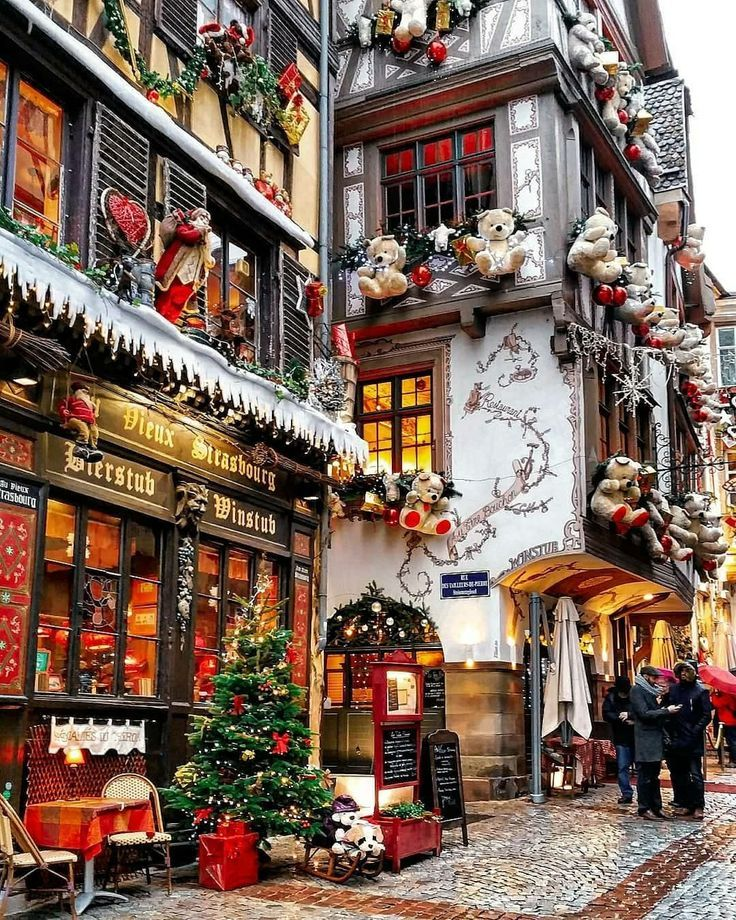
Strasbourg itself, the capital of the Alsace region in northeastern France, is one of the most beautiful and most historically significant cities in Europe: a city of extraordinary Gothic and Renaissance architecture that has been, at various points in its history, German and French and for brief periods something in between, and that retains a cultural identity and a material culture that is genuinely its own and unlike anywhere else. The medieval centre, the Grande Ile, is a UNESCO World Heritage Site: a compact island in the River Ill whose streets of half-timbered houses, Gothic churches and elaborate sandstone civic buildings constitute one of the most complete and most beautiful medieval urban environments in northern Europe. Walking these streets in December, when they are decorated with lights and the stalls of the Christmas market are installed among the ancient facades, is a sensory experience of considerable intensity and beauty.
The Strasbourg Christmas market extends across the entire historic centre, covering approximately eleven sites and 300 stalls. The main market on the Place Broglie is the traditional heart and has the most explicitly Alsatian character, with stalls selling the regional specialities: Bredele (small spiced Christmas biscuits in dozens of varieties), Kouglof (the traditional Alsatian brioche), Baeckeoffe (the slow-cooked meat casserole that is the region's most distinctive winter dish), foie gras from the local farms, and the Alsatian wines, particularly the Gewürztraminer and the Riesling, that are among the finest and most food-friendly white wines in France. The Vin chaud d'Alsace, made from the local wine rather than the generic central European red, has a distinctive floral quality that is entirely its own and makes the Strasbourg version of mulled wine one of the finest in Europe.
The Strasbourg Cathedral, the extraordinary Gothic sandstone structure that was the tallest building in the world for 230 years until 1880, provides the overwhelming backdrop to the market on the Place de la Cathédrale. Standing in the square in front of the cathedral's astonishing facade, with the market stalls below and the tower rising 142 metres above, while sipping a cup of Alsatian vin chaud and watching the city go about its December evening, is one of those travel moments that is so precisely calibrated to produce a specific quality of contentment that it feels almost artificially arranged. It is not. It has been this way, give or take the content of the stalls, for four and a half centuries.
Getting to Strasbourg: Strasbourg is exceptionally well connected. The TGV high-speed train connects Paris Gare de l'Est to Strasbourg in approximately one hour fifty minutes, with multiple daily services. From Frankfurt Airport, a direct train or private transfer covers the 150-kilometre distance in approximately 90 minutes. Strasbourg has its own airport (SXB) with limited European connections, but the train is the most practical option for most visitors. Once in the city, the Christmas market is entirely walkable from any central hotel and the tram network connects all the main market sites efficiently.
3. Vienna: Baroque Squares and Advent Tradition at Its Grandest
Vienna at Christmas is the most theatrical of the three destinations, and the most comprehensively organised. The Austrian capital, whose history as the centre of the Habsburg Empire for six centuries gave it the architectural grandeur, the cultural institutions and the civic self-confidence to do almost everything on a more impressive scale than its rivals, approaches the Christmas season with the same thoroughness it applies to opera, coffee houses and imperial pastry. The result is a city that in December becomes, quite deliberately and with considerable success, a version of itself that is even more beautiful and more elaborate than it is for the other eleven months of the year.
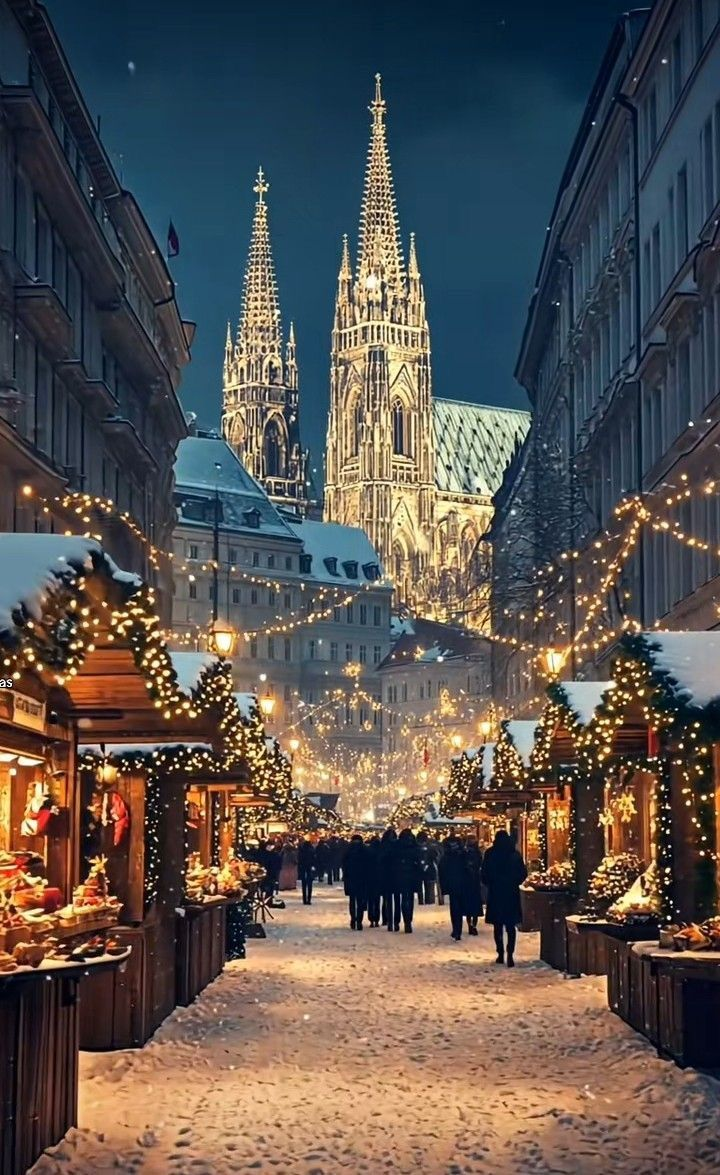
The principal Christmas market, the Wiener Christkindlmarkt on the Rathausplatz in front of the Neo-Gothic Vienna City Hall, is the largest and most spectacular in the German-speaking world. The market occupies the entire square in front of the Rathaus, with approximately 150 stalls arranged around the building's Gothic facade, which is illuminated throughout the Advent period with a changing programme of coloured light projections that transforms the architecture into a backdrop of almost theatrical grandeur. The stalls sell the full range of traditional Austrian Christmas goods: handmade wooden decorations and toys, Advent calendars, glass ornaments, Viennese pastries and confectionery, Christmas biscuits baked from centuries-old recipes, and the essential Punsch of the Viennese Christmas season.
Punsch is the defining drink of the Viennese Christmas market, and it is significantly more interesting than the standard Central European Glühwein. Vienna's Christmas Punsch comes in several varieties: the classic roter Punsch (red punch with red wine, rum, fruit juice and spices), the weisser Punsch (white punch based on white wine and fruit), the Almstöger (a schnapps-based punch with apple and cinnamon) and the Kinderpunsch (the alcohol-free version made with fruit juice and spices that is served in the same elaborate ceramic Punsch-Tasse that adults use for the real thing). Each stall has its own Punsch recipe, and part of the pleasure of the Viennese Christmas market is moving from stall to stall comparing different versions, each served in a small ceramic mug that you return to receive your deposit back or, as most visitors prefer, keep as the ideal souvenir of the visit.
Vienna has several additional Christmas markets beyond the main Rathausplatz event. The Schönbrunn Palace Christmas Market, held in the courtyard of the imperial summer palace on the western side of the city, is smaller and more intimate than the Rathaus market but has the extraordinary backdrop of the palace facade illuminated against the winter sky. The Spittelberg Christmas Market, in the Biedermeier neighbourhood behind the MuseumsQuartier, is the most design-conscious and artisan-focused of the Viennese markets, with the highest proportion of handmade and locally produced goods and the most interesting selection of art, craft and specialist food products. The Belvedere Palace Christmas Market in the Upper Belvedere gardens rounds out a set of options that, taken together, make Vienna the single most rewarding Christmas market destination in Europe for those who want variety and quality alongside the main event.
Vienna's cultural programme in Advent is also, independently of the markets, one of the finest in Europe. The Vienna Philharmonic and the Vienna State Opera maintain their full seasons throughout December. The Kunsthistorisches Museum, with its extraordinary collection of Habsburg art and antiquities, the Belvedere with its Klimt collection, and the Albertina with its drawings and prints collection are all open and typically slightly less crowded than in the summer peak. A long December weekend in Vienna, structured around one or two evenings at the markets and one or two afternoons at the museums, with meals at the traditional Viennese Beisl taverns that are the city's most characterful eating and drinking establishments, is one of the finest compressed cultural experiences available anywhere in Europe.
The Christmas market is one of those traditions that reveals what a city values most about itself. Paris puts on beauty. Strasbourg puts on history. Vienna puts on everything. All three are doing something genuinely worth experiencing, and all three are significantly better in person than any description of them can suggest. Go before the crowds peak, go in the evening, go with someone who appreciates the same things you do, and carry a proper ceramic cup of Punsch or vin chaud the entire time. You will be perfectly happy.
Planning Your Christmas Market Trip: Practical Advice
The logistics of a Christmas market trip, done well, are straightforward but reward a certain amount of advance planning. The key decisions are when to go, where to stay, how to arrive and how to structure your time at the market itself.
When to go for the best experience
The first weekend of December, when the novelty of the markets has not yet worn off and the atmosphere is at its freshest, is popular but also busy and expensive for accommodation. The second and third weeks of December, Monday to Thursday, offer the best combination of full market operations, lower accommodation prices than at weekends and more manageable crowd levels at the stalls. The final days before Christmas, from the 20th to the 23rd, have a particular quality of urgency and warmth that is very atmospheric but also very crowded. Christmas Eve itself sees many markets close at midday and the atmosphere changes completely as the city turns inward to its private celebrations.
How to arrive and where to stay
For all three destinations, booking accommodation as close to the main market as your budget permits is strongly recommended: the Christmas market experience is fundamentally about evening atmosphere, and being able to step outside your hotel and walk directly into the lights and smells and warmth of the market is one of the great pleasures of this kind of trip. For Paris, the 8th arrondissement (near the Champs-Elysees market) or the 6th arrondissement (Saint-Germain) are the most convenient. For Strasbourg, any hotel within the Grande Ile historic island or within five minutes' walk of the Place de la Cathédrale is ideal. For Vienna, the 1st district, the Innere Stadt, puts you within walking distance of all the main markets and the opera.
Arriving by private transfer from the airport is the most comfortable start to a Christmas market trip, particularly in winter when the combination of luggage, early darkness, cold temperatures and the general festive energy of a busy city can make public transport more than usually unwelcoming. A pre-booked private airport transfer to your hotel delivers you to your destination at a fixed price without any of these considerations, and arriving at your hotel rested and oriented, with the market already visible from the window, is the ideal way to begin a December city break.
Comments
No comments yet. Be the first to share your thoughts!
Leave a Comment
Your comment will appear after moderation.