 Michelle
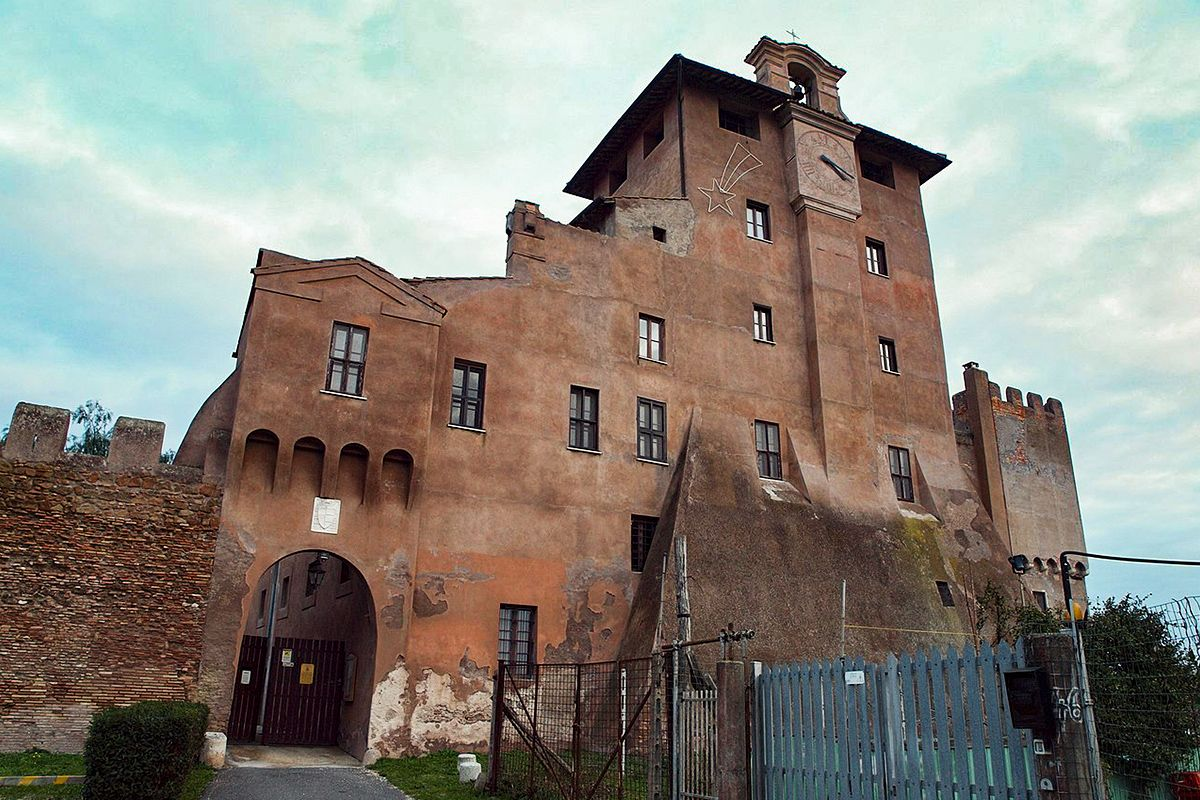
 Every year, millions of travellers pass through Rome Fiumicino Airport on connecting flights, and many of them, staring out of the aircraft window as they circle over the coast south of Rome, think the same thought: how extraordinary it would be to have a few hours to step outside and see something of this country. Most of them stay in the terminal. A small number make a dash for Rome city centre and return exhausted, having spent two-thirds of their available time in transit and one-third in a city that requires days to do justice to. And a very small number, the ones who have done their research, take a taxi three kilometres down the road from the terminal to one of the most extraordinary archaeological sites in Italy, which happens to be almost invisible to the tourism industry despite lying practically in the airport's shadow. This guide is for that third group, or for anyone who would like to join it.
The Honest Truth: What a 3-Hour Stop Does and Does Not Allow
Before anything else, a direct assessment of what is and is not possible in three hours at Fiumicino, because the most common mistake travellers make with a layover here is optimistic geography. Rome Fiumicino Airport is located approximately 30 kilometres southwest of central Rome. The Leonardo Express train, which is the fastest public transport connection and runs non-stop between the airport station and Roma Termini, takes 32 minutes each way. A taxi or private car in moderate traffic takes between 35 and 50 minutes each way. This means that a 3-hour layover that begins when you exit the arrivals hall and must end when you re-enter the security lane allows you, at best, approximately 60 to 90 minutes in the city of Rome before you need to turn around and come back. And those 60 to 90 minutes need to be spent, if they are spent at all, within walking distance of Roma Termini, which is not where any of the major monuments of Rome are located.
The conclusion is simple and should be stated clearly: a 3-hour layover at Fiumicino is not enough time to visit Rome city centre in any meaningful way. It is not enough to see the Colosseum, which is a 30-minute metro ride from Termini and requires at least two hours to visit properly. It is not enough to visit the Vatican, which requires a full morning or afternoon even with pre-booked tickets. It is not enough to eat a proper lunch at a good Roman restaurant, because a good Roman lunch takes time and the time is not there. Anyone who tells you otherwise is optimistic to the point of being misleading. Rushing to the Colosseum, photographing the exterior from the street, rushing back to the airport and boarding your next flight stressed and sweating is not a Roman experience. It is an endurance event.
What a 3-hour layover at Fiumicino does allow, however, is something genuinely worthwhile and genuinely surprising. Because within three kilometres of the terminal lies one of the most remarkable archaeological sites in Italy, a site that most people who live in Rome have never visited and that most people who pass through Fiumicino have never heard of. And getting there takes less time than it takes to ride the Leonardo Express to Termini.
The golden rule of layover travel: Always allow a minimum of 60 minutes between your planned return to the terminal and your departure time. This is not a cautious recommendation but a firm rule based on the realities of traffic, security queues and the general unpredictability of travel in any major city. If your flight departs at 2pm and you need to be at the gate by 1:30pm, you need to be back inside the terminal by 12:30pm at the latest. Work backwards from that time to plan your excursion, and do not compromise on it.
What You Cannot See: Rome, the Vatican and the Colosseum
Let us dispose of the impossible quickly and with clarity, so that the rest of this guide can be entirely constructive.
The Colosseum is 31 kilometres from Fiumicino Airport. By the Leonardo Express to Termini and then the Metro Line B to the Colosseum, the journey takes approximately 55 minutes each way in ideal conditions. With 3 hours total, you have 60 minutes at the site. The Colosseum's interior with the arena floor, the underground hypogeum and the upper rings requires a minimum of two hours to visit properly, and the queues even with pre-booked tickets consume additional time. The experience of arriving rushed, queuing briefly, walking through the interior at speed and leaving immediately is not worth the journey. The Colosseum deserves a full morning.
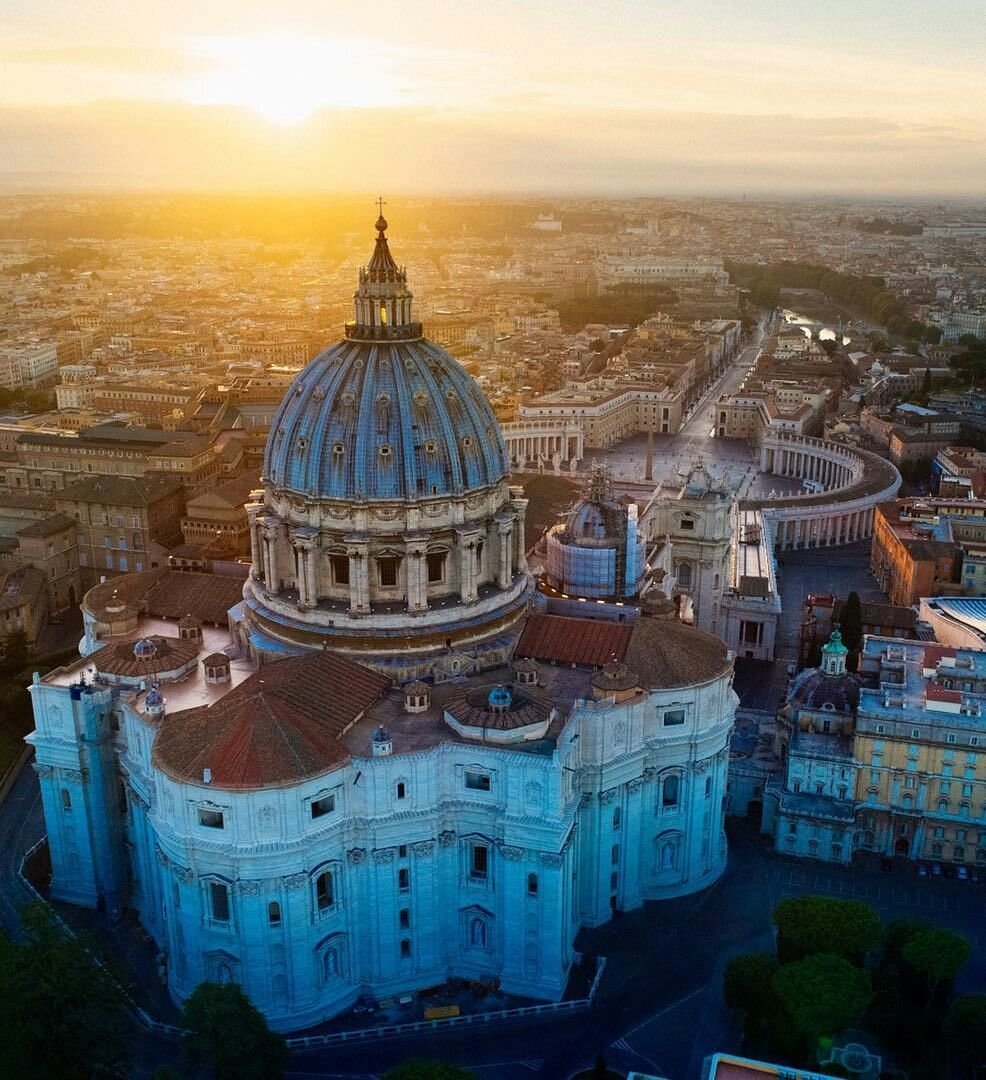
The Vatican is 29 kilometres from the airport. The Vatican Museums are among the busiest visitor attractions in the world even with timed-entry tickets, the walk through the galleries to the Sistine Chapel takes 45 minutes at a minimum even moving at pace, and the experience of seeing the Sistine Chapel for the first time in a crowd, under time pressure and knowing you need to leave immediately, is not the experience that Michelangelo spent four years on a scaffold to create. The Vatican requires an entire morning or afternoon to engage with honestly.
The Roman Forum and the Palatine Hill are adjacent to the Colosseum and face the same geographical constraints. The Pantheon, the Piazza Navona, the Trastevere neighbourhood: all require the same 45 to 55 minute journey from the airport and deserve far more time than a 3-hour layover can honestly provide. Rome is not a city that rewards speed. It is a city that requires days and rewards patience. Come back properly. In the meantime, three kilometres down the road from your terminal, something extraordinary is waiting.
What You Absolutely Can See: the Port of Trajan
The Port of Trajan, known in Latin as Portus and in Italian as Porto di Traiano, is the most important and most impressive thing that can be visited within practical reach of Fiumicino Airport, and the fact that most travellers with a layover here have never heard of it is one of the more remarkable failures of the Italian tourism information system. The site is extraordinary. Let the facts speak for themselves.
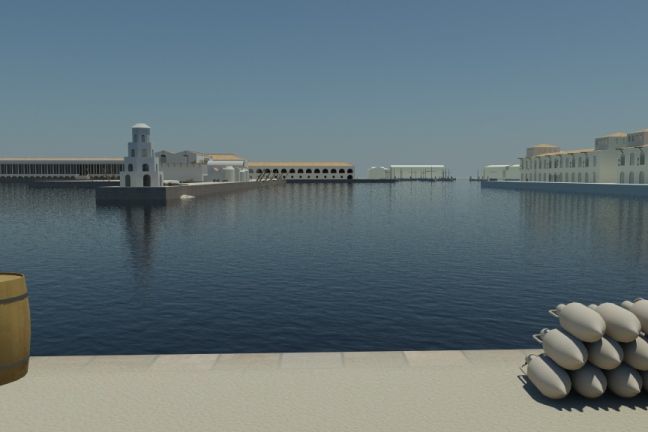
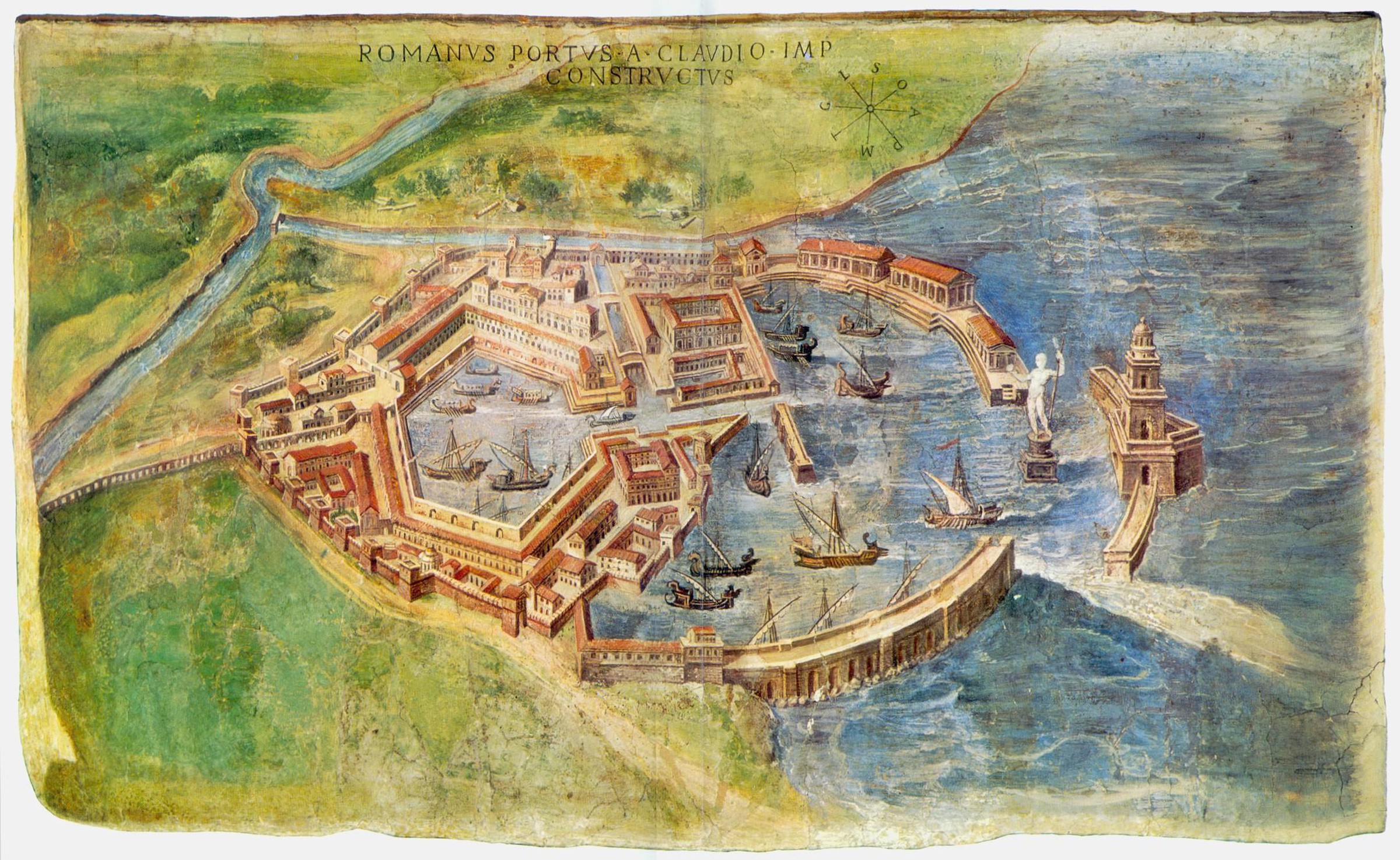
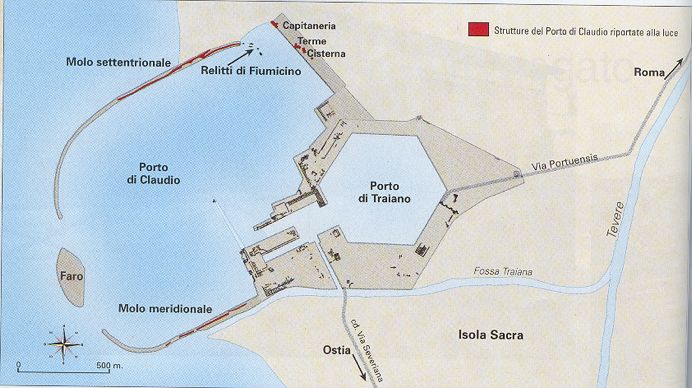
In 42 AD, the Emperor Claudius began the construction of the first major artificial harbour on the Tyrrhenian coast south of Rome, at the mouth of the Tiber, to address the chronic problem of supplying the capital with the enormous quantities of grain, oil, wine, timber, marble and other goods that a city of one million people required. The Claudian port consisted of two great curved moles extending into the sea enclosing a basin of approximately 200 acres, with a lighthouse at the outer end. It was a magnificent engineering achievement by any standard, but it had a fatal flaw: the exposed outer basin was subject to silting and storm damage, and the harbour proved insufficiently sheltered for the safe berthing of the merchant vessels that needed to discharge their cargo.
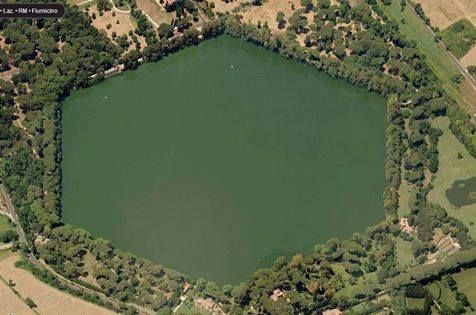
The Emperor Trajan, who ruled from 98 to 117 AD and whose infrastructure projects transformed the empire's capacity to manage trade and supplies, addressed this problem by commissioning the construction of an entirely new inner basin immediately behind the Claudian port. The Trajanic basin, completed in 113 AD, was a perfect hexagon with sides of approximately 357 metres, covering an area of 33 hectares, connected to the Claudian port and to the Tiber by a network of canals. Around the hexagonal basin were arranged the most extensive warehouse complex (the horrea) in the Roman world, administrative buildings, a lighthouse, a bath complex, temples, a basilica and the Palazzo Imperiale, the residence of the port administration and the facility for imperial guests arriving by sea.
At its peak, the combined port complex of Claudius and Trajan was the busiest commercial port in the Mediterranean world, handling hundreds of thousands of tonnes of cargo annually and employing tens of thousands of workers, merchants, customs officials, sailors and slaves. Through its docks passed the Egyptian grain that fed Rome's bread dole, the Spanish and North African olive oil that lit the city's lamps, the fine wines of Greece and Asia Minor, the exotic animals destined for the gladiatorial games, the marble quarried in Greece and Asia Minor and Egypt for the building projects of the imperial capital, and the luxuries of the entire ancient world from silk to spices to ivory. Everything that sustained and defined the empire of Rome passed through this port.
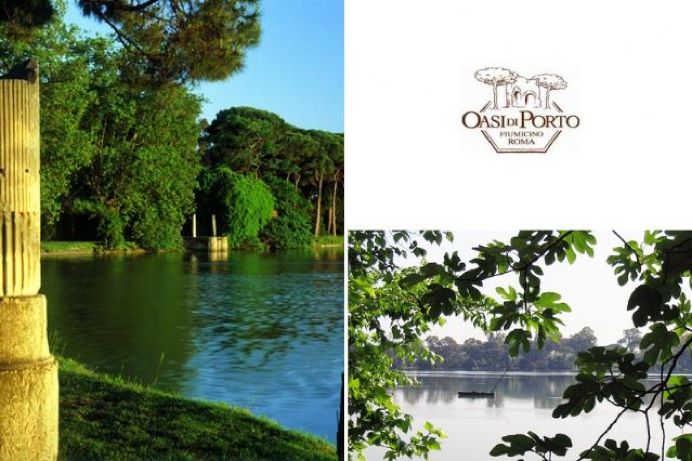
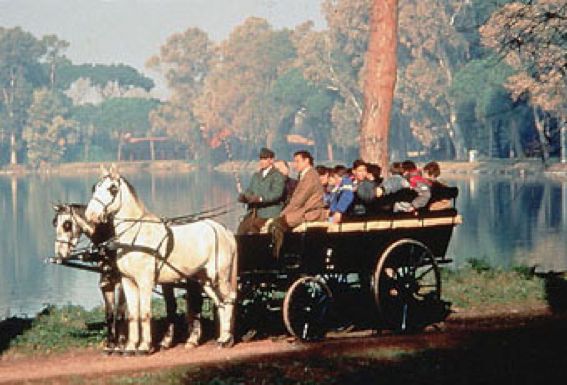
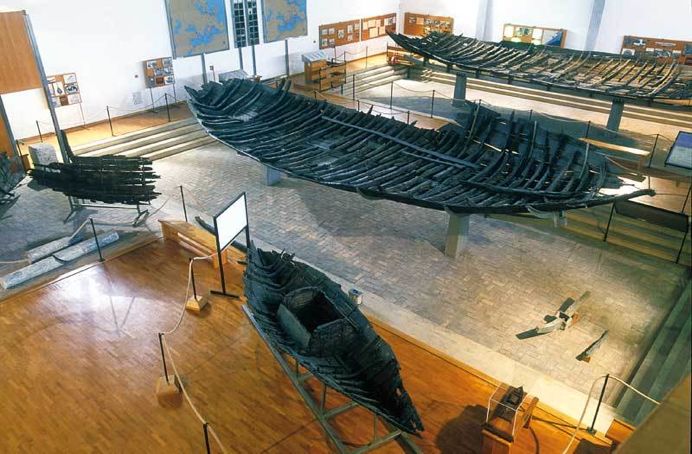
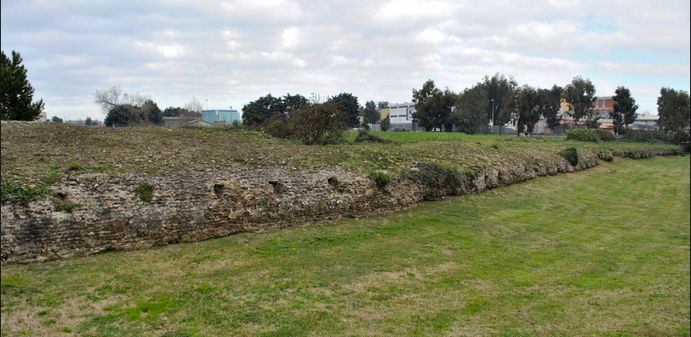
When you stand on the bank of the hexagonal basin today, the water of the ancient harbour is still there. The outline of the six sides, approximately a kilometre in circumference, is perfectly clear. The scale of what Trajan's engineers built is immediately apparent and immediately astonishing. The remains of the warehouses along the southern edge of the basin have been partially excavated and are visible. The canal connecting the port to the town of Fiumicino, the ancient Fossa Traiana that gives the modern town its name, is still navigable by small boats. And the entire site, a place of genuine and profound historical significance, is approximately 10 minutes and 3 kilometres from the airport terminal.
Visiting the Port of Trajan: The archaeological park of Portus (Parco Archeologico di Portus) has a visitor centre and organises guided tours at specific times. For a short layover, walking the perimeter of the hexagonal basin from the outside provides a complete impression of the site's scale and character without requiring a formal entry ticket. The Lago di Traiano (the ancient hexagonal basin, now a lake) can be clearly seen and appreciated from the public road that runs along its northern edge. Guided tours of the excavated areas inside the park provide a more complete experience and should be booked in advance through the official Portus Project website if you have a longer layover.
The Town of Fiumicino: Italian Port Life at Its Most Authentic
Two kilometres west of the Port of Trajan, at the point where the ancient Fossa Traiana canal meets the Tyrrhenian Sea, lies the modern town of Fiumicino. This is not a tourist destination in the conventional sense: it is a genuine Italian port town, built around a working fishing harbour, with a canal lined by restaurants serving the freshest seafood in the Rome area and a quality of unhurried provincial Italian life that is entirely different from the version you will encounter in the tourist zones of the capital.
The town takes its name directly from the ancient canal, Fiumicino meaning "little river" in Italian, which connected the Trajanic port to the sea. The canal is still navigable and is still used by the local fishing fleet, whose boats tie up along the quays in the early morning after the night's fishing and whose catch goes directly to the restaurants and fish market that line the waterfront. Walking along the Canale di Fiumicino in the morning, watching the boats and the fishermen unloading their catch, with the smell of the sea and the sound of the town going about its ordinary business, is one of those simple Italian experiences that has a quality of authenticity and pleasure entirely out of proportion to the effort required to reach it.
The fish restaurants of Fiumicino are not secret: they have been known to Rome's food-conscious population for generations, and on weekend lunches in summer the town fills with Romans who have driven out from the city for a proper seafood lunch at prices that are significantly lower than in central Rome. The classic Fiumicino seafood meal begins with a plate of raw shellfish, the crudo di mare, followed by spaghetti alle vongole (the clams from the local waters are particularly good) or the spaghetti con scorfano (with scorpionfish), and finishes with grilled fish of whatever is freshest that morning. This is not a meal you can have in 20 minutes, which is a reason to come back with more time rather than to attempt it in a hurry. But a coffee and a cornetto at a bar on the canal, or a glass of chilled local white wine at a waterfront table, takes 15 minutes and provides a quality of Italian atmosphere that no airport terminal can approach.
Also Worth Knowing: Ostia Antica and the Leonardo Museum
Ostia Antica: if you have more than 3 hours
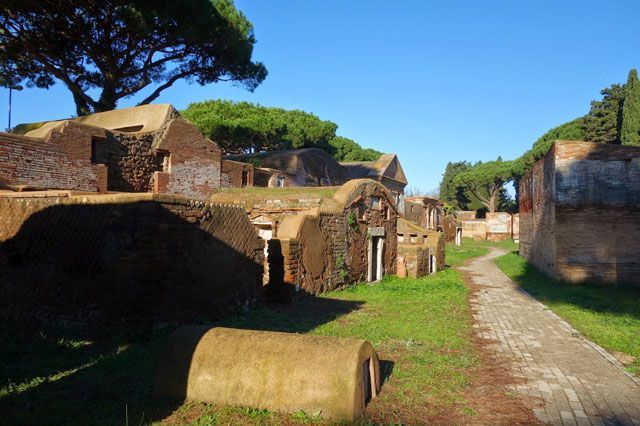
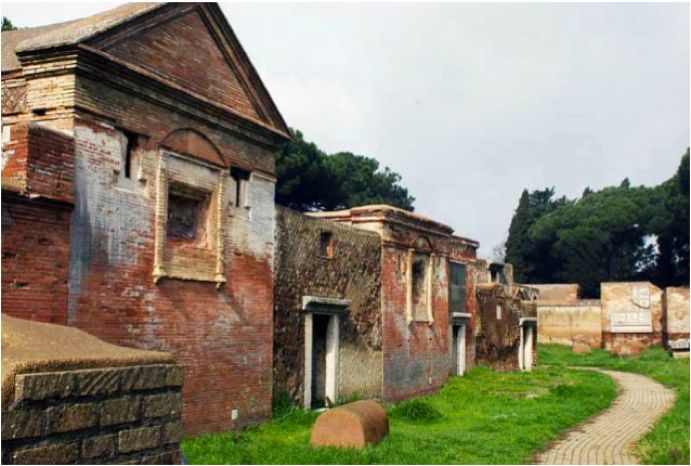
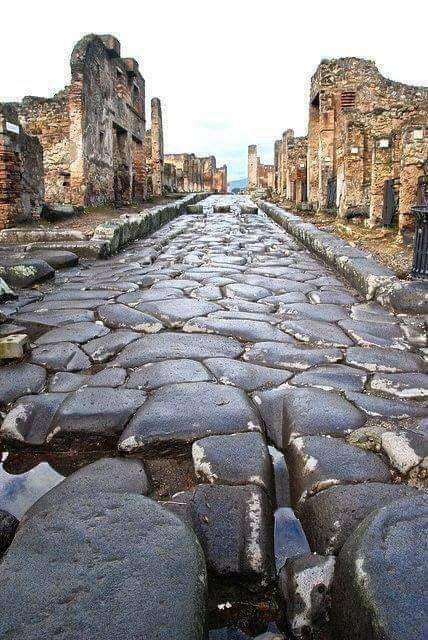
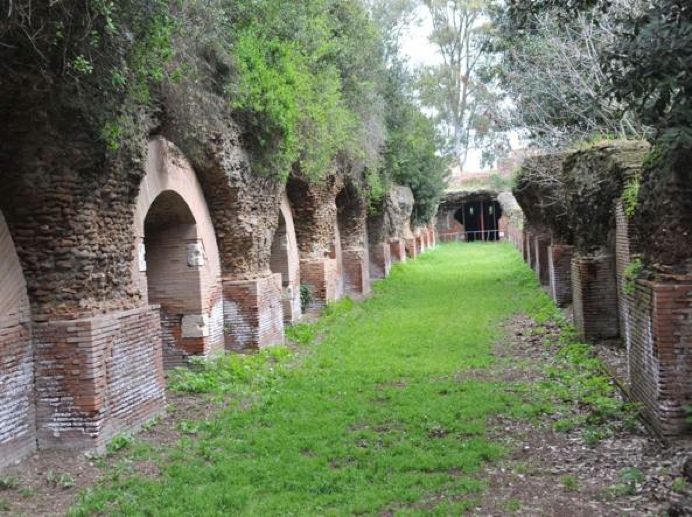
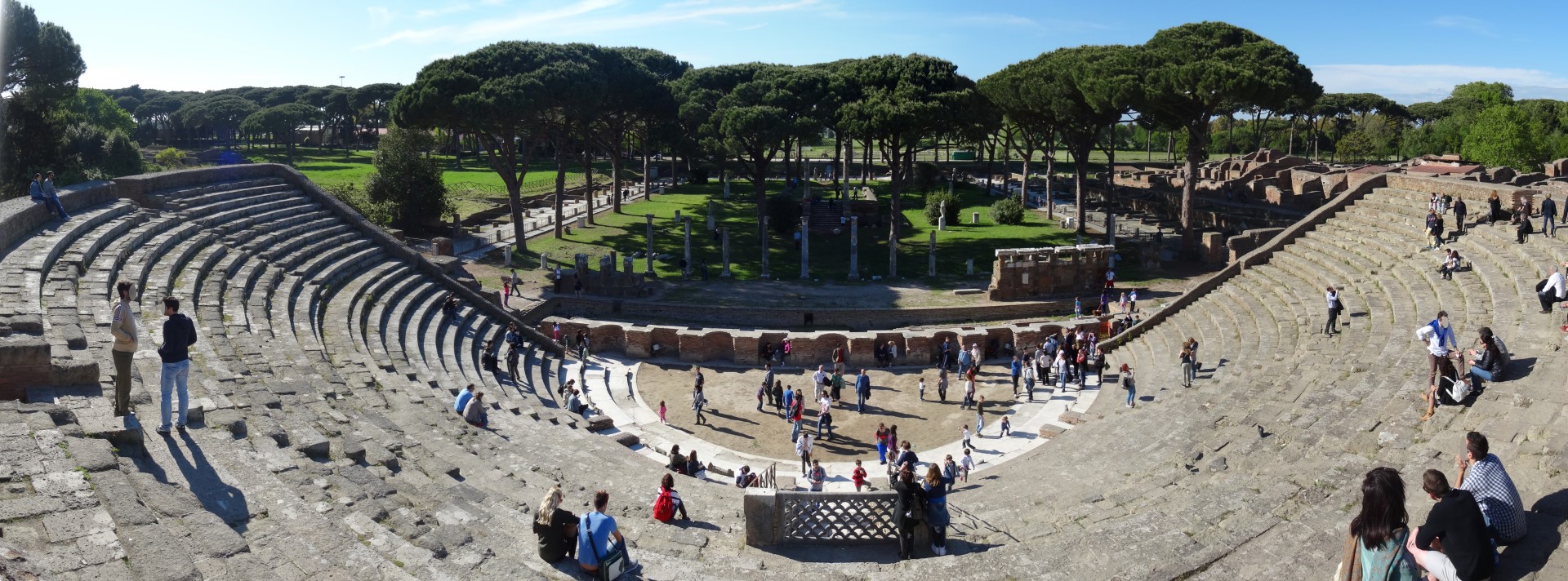
If your layover is longer than three hours, the calculus changes significantly. Ostia Antica, the ancient port city of Rome that served as its commercial gateway before the development of Portus, is approximately 5 kilometres southeast of Fiumicino Airport and is one of the finest and most completely preserved ancient Roman cities in Italy. Unlike Pompeii, which was destroyed and preserved in a single catastrophic moment, Ostia was gradually abandoned over several centuries as the shifting of the Tiber's mouth and the rise of Portus reduced its commercial importance, and its buildings were subsequently buried under layers of silt that preserved them to a remarkable height and completeness.
Walking through Ostia Antica is one of the finest archaeological experiences in Italy: entire streets of insulae (the multi-storey apartment blocks that housed Rome's urban poor), the baths with their mosaic floors still in place, the theatre, the forum, the warehouses, the temples and the taverns, all preserved to a degree that gives an immediate and vivid sense of what daily life in a Roman commercial city actually looked like. The site is large, requires a minimum of three hours to see properly, and is best visited as a full half-day experience rather than a rushed stopover. If your layover is five hours or more, Ostia Antica combined with a seafood lunch at Fiumicino constitutes one of the finest ways to spend a day in the Rome area that most visitors to the city never encounter.
The Leonardo da Vinci Museum inside Terminal 1
For those who for any reason cannot or prefer not to leave the terminal during their layover, Fiumicino Airport's Terminal 1 contains the Leonardo da Vinci Museo dei Modelli, a permanent exhibition of working scale models of machines designed by Leonardo da Vinci, built from his original drawings. The models, which include flying machines, hydraulic devices, military weapons and mechanical devices of various kinds, are constructed with considerable craft and provide a genuinely interesting hour of engagement with one of the most extraordinary minds in history. The exhibition is located in the Terminal 1 departures area and is accessible without additional security screening for passengers already in the terminal. It does not replace the experience of leaving the terminal and encountering the ancient landscape immediately outside it, but it is a genuinely worthwhile way to spend an hour if the weather is poor or the clock is tighter than ideal.
Every flight that lands at Fiumicino passes directly over the Port of Trajan at low altitude on its approach. Look out of the left-hand side of the aircraft on arrival and you will see the hexagonal lake below, perfectly geometrical, unmistakably artificial, surrounded by the ruins of the warehouses that once stored the wealth of the ancient world. Two thousand years ago, this was the busiest commercial port on Earth. Today it is three kilometres from a car park and almost nobody who passes through the airport next to it knows that it exists. Now you do.
A Realistic 3-Hour Itinerary: Step by Step
Here is a practical, tested itinerary for a 3-hour layover at Fiumicino that makes sensible use of the available time without cutting any margin dangerously thin.
Hour one, first 10 minutes: Exit the arrivals hall and take a taxi from the official rank to the Port of Trajan. Tell the driver "Parco Archeologico di Portus, via Portuense". The metered fare should be approximately 10 to 15 euros. The journey takes 8 to 12 minutes.
Hour one, remaining 50 minutes: Walk the northern shore of the hexagonal Lago di Traiano, taking in the scale of the basin and the visible remains of the ancient structures on the far shore. Continue to the visitor centre of the Parco Archeologico di Portus to understand the history of the site from the interpretive panels and maps. Walk down to the edge of the ancient Fossa Traiana canal. Allow approximately 45 minutes for this section, which will feel genuinely inadequate but is better than nothing.
Hour two: Take a taxi from the archaeological park to the port town of Fiumicino (5 minutes, approximately 5 euros). Walk along the Canale di Fiumicino, look at the fishing boats, sit at a bar for a coffee or a glass of white wine. If time and appetite allow, order a plate of spaghetti alle vongole at one of the canal-side restaurants, though this adds time and depends on the service. Budget 35 to 45 minutes for this section.
Final 60 minutes: Take a taxi from Fiumicino town back to the airport terminal (10 to 15 minutes, approximately 12 euros). You are now back at the terminal with 45 minutes before your check-in time. This is the minimum acceptable margin and should not be reduced further under any circumstances. Use the remaining time to clear security, find your gate and sit down with a coffee before boarding.
Taxi advice for layovers at Fiumicino: Always use the official licensed taxi rank outside the arrivals hall. Fiumicino has a fixed-rate taxi system for journeys within the airport catchment area, and the fares for the short journeys to the Port of Trajan and the town of Fiumicino are metered and regulated. Avoid anyone approaching you inside the terminal offering private taxi services, as these are typically significantly more expensive than the official rank and operate outside the regulated fare structure. Keep the receipt for each taxi journey in case of any dispute, and ask the driver to wait while you visit the archaeological site if you prefer not to call a new taxi for the return journey.
If You Have More Time: Extending Your Rome Area Visit
If your connection allows four, five or six hours rather than three, the options expand considerably and the experience available is genuinely extraordinary. A four-hour layover allows a complete visit to the Port of Trajan and a proper seafood lunch at Fiumicino. A five-hour layover makes Ostia Antica viable as well. A six-hour layover allows a combination of the Port of Trajan, a proper lunch in Fiumicino and a visit to Ostia Antica that constitutes a genuinely memorable encounter with the layered history of ancient Rome's port complex.
For visitors who are beginning or ending a trip to Italy at Fiumicino and have time to linger in the area, the combination of Portus and Ostia Antica represents one of the finest archaeological days available anywhere in the country. The two sites together, separated by approximately 5 kilometres and an hour's walking or a short taxi ride, tell the complete story of Rome's relationship with the sea over four centuries: Ostia as the original river mouth port, Portus as the artificial deep-water harbour that succeeded it, and the town of Fiumicino as the living community that grew from the ancient canal that connected them both to the city of Rome. It is a genuinely extraordinary historical and geographical narrative, and it is available within 5 kilometres of one of Europe's busiest international airports.
For the traveller heading into Rome from the airport at the beginning of a visit, or departing on the last day of a Roman holiday, a private transfer between Rome city centre and Fiumicino Airport can be arranged to route through the Portus area on request, allowing a brief stop at the hexagonal basin on the way to or from the terminal. This is an unusual and genuinely rewarding way to begin or conclude a visit to Rome, and the detour adds only a few minutes to the standard transfer journey.
Comments
No comments yet. Be the first to share your thoughts!
Leave a Comment
Your comment will appear after moderation.