 Michelle
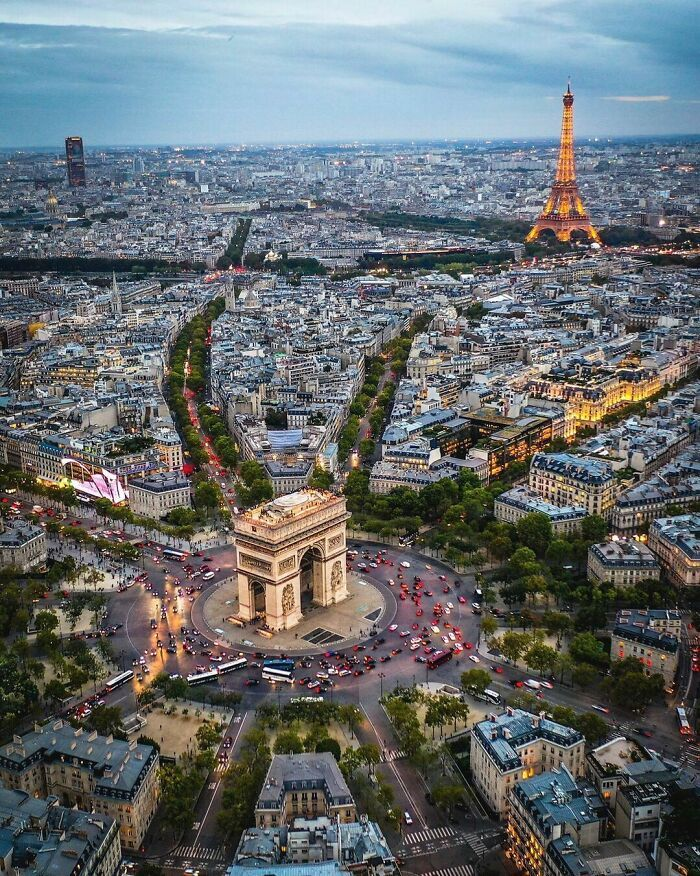
 In the spring of 2015, a new object appeared in the galleries of the world's great art museums and immediately became a source of controversy, irritation, safety concerns and, ultimately, policy change on a global scale. The selfie stick, a telescopic monopod designed to extend the range of a smartphone camera, had been available for several years without generating significant attention. But as smartphone cameras improved and as the culture of self-documentation on social media intensified, the selfie stick went from a curiosity to a ubiquitous presence in tourist locations, and nowhere felt its impact more acutely than the great museums and galleries of Paris. The Louvre. The Palace of Versailles. The Musée d'Orsay. One by one, they moved to restrict or ban the device, and in doing so they opened a debate about photography, attention, art appreciation and the nature of the museum experience that remains genuinely unresolved.
1. The Selfie Stick: What It Is and Why Museums Took Notice
The selfie stick is, in its simplest form, a lightweight telescopic pole, typically made from aluminium or carbon fibre, with a mounting bracket at one end that holds a smartphone or small camera and a handle at the other from which the user operates a Bluetooth shutter release or a wired remote control. Fully extended, a standard selfie stick reaches between 80 and 120 centimetres in length. When held at arm's length, which is the way it is designed to be used, it extends the effective reach of the camera well beyond the length of a human arm, allowing the user to capture a wider field of view that includes more of themselves and more of their surroundings.
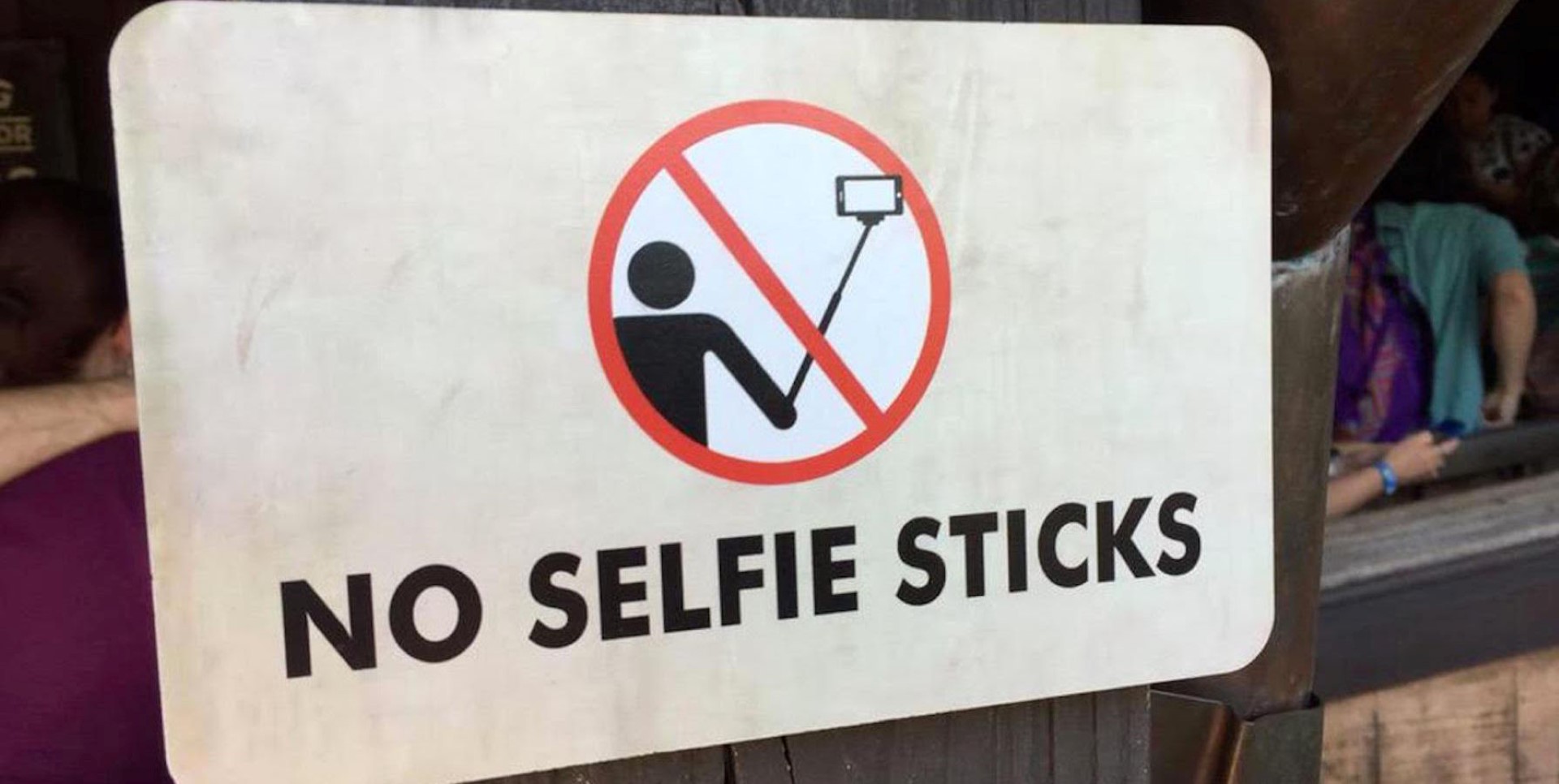
This relatively modest technological object became a source of serious concern in museum environments for several interconnected reasons, all of which contributed to the decision by the Paris museums and many of their international counterparts to restrict or prohibit its use. The first and most immediate concern was safety: in the crowded conditions of a popular museum gallery, an extended metal pole wielded by a visitor engaged in the business of composing a selfie is a genuine hazard to surrounding visitors, particularly to children, and to the artworks themselves. The Louvre, whose galleries routinely contain paintings worth hundreds of millions of euros displayed in conditions that allow visitors to pass within metres of them, cannot afford the risk of an extended metal rod striking a canvas or a painted wooden surface, however inadvertently.
The second concern was disruption: a visitor using a selfie stick occupies a significantly larger volume of physical space than one using a handheld device, and the combination of the extended pole and the manoeuvring required to position it correctly creates an obstruction to the movement and the sightlines of other visitors that a handheld device does not. In a crowded gallery, even a small number of selfie stick users can significantly impede the ability of the surrounding visitors to see and appreciate the works on display.
But the third concern was in some ways the most interesting and the most culturally significant: the question of what the selfie stick represented about the visitor's relationship with art. The selfie stick user is, by definition, not looking at the artwork while using the device. They are looking at their own image in the smartphone screen, positioning themselves in relation to the artwork rather than engaging with the artwork itself. The artwork becomes a backdrop, a piece of environmental context for the photograph of the visitor, rather than the object of the visitor's attention. And this, argued a number of museum directors and curators in France and elsewhere, represented a relationship with art that was at odds with the museum's fundamental purpose.
Did you know? Time magazine included the selfie stick in its list of the 25 Best Inventions of 2014, describing it as a device that had "solved" the problem of the arm-length constraint on self-portrait photography. Within six months of that recognition, the Louvre, the Palace of Versailles, the Smithsonian Institution, the Metropolitan Museum of Art, the National Gallery in London and dozens of other world-class museums had banned or restricted the device. It is one of the more unusual cases in recent cultural history of an invention being simultaneously celebrated and prohibited at the highest institutional level.
2. The Louvre: The World's Most Visited Museum Sets the Standard
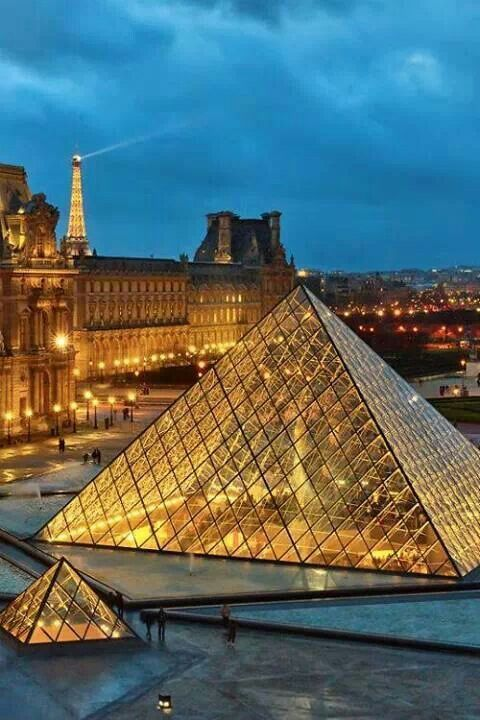
The Louvre is not merely the largest art museum in the world. It is, by visitor numbers, the most visited cultural institution on the planet: in the years before the pandemic, it received between nine and ten million visitors annually, a figure that represents roughly the entire population of Switzerland passing through its glass pyramid entrance every year. In this context, any policy decision made by the Louvre carries an authority and an influence that no other museum in the world can match, and when the Louvre moved to prohibit selfie sticks in its galleries, the decision was felt across the museum world.
The Louvre's ban applied to selfie sticks (monopods) throughout all its permanent galleries and covered all sizes and types of the device. Visitors could continue to photograph the collection using smartphones, tablets or cameras held in the hand, subject to the existing general prohibition on flash photography that applies to all photography in the museum. Tripods were already prohibited without prior written authorisation, and the selfie stick ban extended that logic to cover the new device. Security staff at the museum entrances were instructed to confiscate selfie sticks or require visitors to leave them in the cloakrooms, and signs explaining the policy were posted throughout the galleries.
The immediate practical effect was to restore a degree of physical order to the museum's most crowded spaces. The gallery housing Leonardo da Vinci's Mona Lisa is, by some measures, the most photographed single room in the world: visitors queue for significant periods to approach the small painting behind its protective barrier, and the concentrated camera activity in this space had made the selfie stick particularly obtrusive. With the ban in place, the gallery remained chaotic, as it inevitably is when thousands of visitors per day attempt to see a single small painting, but it was at least a two-dimensional chaos of raised smartphones rather than a three-dimensional chaos of extended metal poles.
The Louvre also used the selfie stick debate as an opportunity to articulate more clearly its general position on photography and its relationship to the museum experience. A statement from the museum's communications department at the time noted that the institution's primary purpose was to enable visitors to engage with works of art, and that photography, while permitted, should never become an obstacle to that engagement either for the photographer or for the people around them. This principle, which seems obvious when stated, had in practice been severely compromised by the selfie stick, and the ban was a reassertion of it.
Best time to visit the Louvre: Wednesday and Friday evenings, when the museum stays open until 9:45pm, offer the least crowded conditions in most galleries. The museum is at its busiest on Tuesday, Saturday and Sunday afternoons in the summer. Wednesday and Thursday mornings in autumn and winter are the quietest times of all. Book your tickets online in advance regardless of when you visit: the queues at the ticket windows can be extremely long even on quiet days, and pre-booked tickets allow you to enter directly through the dedicated entrance.
3. The Palace of Versailles and the Musée d'Orsay Follow Suit
The Palace of Versailles, the great baroque palace and garden complex built by Louis XIV seventeen kilometres southwest of Paris and now one of the most visited historical monuments in France, moved to ban selfie sticks at approximately the same time as the Louvre. The Versailles ban was in some ways more immediately practical in its motivation: the palace's Hall of Mirrors, the extraordinary 73-metre gallery with its seventeen arched mirrors reflecting the seventeen windows that look out over the gardens, is not merely a work of art in its own right but a space of considerable fragility. The mirrors date from the seventeenth century, and the combination of their antiquity, their reflective surfaces and the dense crowds that pass through the hall at peak times creates a conservation environment in which any additional risk from extended metal poles is genuinely unacceptable.
Beyond the safety argument, the Palace of Versailles also raised the aesthetic dimension of the selfie stick question with particular force. The Hall of Mirrors, and the royal apartments that surround it, are spaces designed and decorated with a level of artistic ambition and a density of historical meaning that demands a particular quality of attention from the visitor. When Louis XIV commissioned Charles Le Brun to paint the ceiling of the Hall of Mirrors with scenes depicting the military victories of his reign, he was creating a work of political propaganda and artistic magnificence of the highest order, intended to be read and understood by the ambassadors and courtiers who moved through the space on ceremonial occasions. The experience of looking up at that ceiling requires time, stillness and the willingness to be in the presence of something larger than oneself. The selfie stick, by definition, redirects that attention downward and inward.
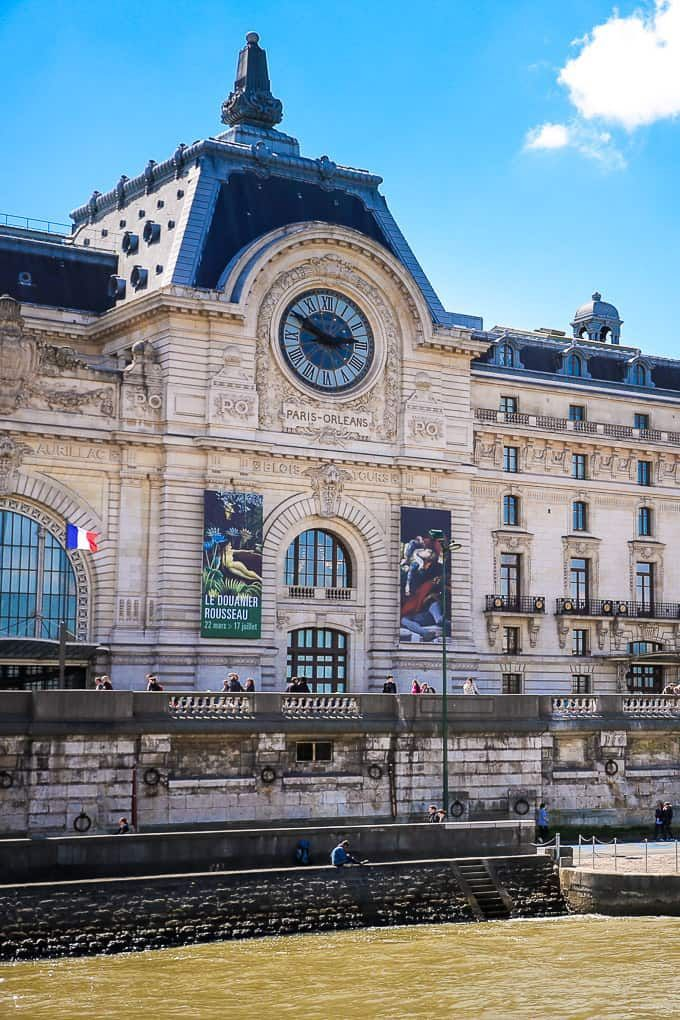
The Musée d'Orsay, housed in the former Orsay railway station on the left bank of the Seine and containing the world's finest collection of Impressionist and Post-Impressionist art, was another early adopter of the selfie stick restriction. The museum's particular concern was the proximity of visitors to the works: its galleries, which include rooms containing major works by Monet, Renoir, Degas, Van Gogh, Cézanne and Seurat, are organised so that visitors pass very close to the paintings, and the risk of damage from an extended monopod in these conditions is significantly higher than in a museum where works are displayed behind barriers or at greater distance. The Orsay's position was unambiguous: the safety of the collection came first, and any device that increased the risk to that collection had no place in the galleries.
Common tourist mistakes at Paris museums: Spending the majority of your time in the most famous galleries and missing the extraordinary rooms that most visitors walk past. At the Louvre, the collections of ancient Egyptian art, the Greek and Roman antiquities and the decorative arts are every bit as remarkable as the Mona Lisa, and dramatically less crowded. At the Musée d'Orsay, the Impressionist galleries on the top floor are deservedly famous, but the collection of sculpture on the ground floor, including works by Rodin, is one of the finest in the world and is consistently overlooked by visitors making directly for the paintings. At Versailles, the gardens are as important as the palace interior and are best seen at dawn before the crowds arrive.
4. A Global Movement: How Paris Led the World's Museums
The decisions made by the Louvre, the Palace of Versailles and the Musée d'Orsay in early 2015 triggered a cascade of similar policies at cultural institutions across the world, demonstrating the particular authority that the Parisian museum establishment exercises in global cultural affairs. Within months of the French announcements, institutions in the United Kingdom, the United States, the Netherlands, Italy, Germany and Australia had adopted comparable restrictions.
In the United Kingdom, the National Gallery in Trafalgar Square, home to one of the finest collections of old master paintings outside the Louvre itself, banned selfie sticks in April 2015. The Victoria and Albert Museum, the Tate Modern and the British Museum followed with their own policies in the months that followed. In the United States, the Smithsonian Institution, which administers nineteen museums and galleries across Washington DC and New York, banned selfie sticks across all its properties in May 2015. The Metropolitan Museum of Art in New York adopted its own restriction shortly afterward.
In Italy, the Uffizi Gallery in Florence and the Vatican Museums in Rome both moved to restrict the devices in their galleries, with the Vatican's policy being particularly strict: selfie sticks were prohibited throughout the Vatican complex, including the Sistine Chapel, where photography of any kind was already restricted. The Italian government's central cultural administration subsequently extended the guidelines to cover the national museum system as a whole, creating a de facto national policy that went further than most other countries had been willing to go through central direction.
The speed and the breadth of this institutional response is remarkable, and it reflects something important about the selfie stick's particular combination of characteristics. It is not the first device to be restricted in museum environments: flash photography has been prohibited in most major museums for decades, tripods have been subject to authorisation requirements, and video cameras have been regulated in various ways. But no previous technology had generated quite this speed and consistency of response, and the reason is almost certainly that the selfie stick was perceived not merely as a practical hazard but as a symbol of a broader cultural shift that the museum world felt both the authority and the obligation to resist.

5. The Deeper Question: Seeing Art Versus Documenting Presence
The selfie stick debate, which began as a practical question about safety and visitor management, opened into something considerably more philosophically interesting: a debate about what a museum visit is actually for and what the relationship between a visitor and a work of art should be. This debate did not begin with the selfie stick, which was simply its most visible current expression. It began, in a serious way, with the mass adoption of smartphone photography in the early 2010s, when it became possible for every visitor to a museum to photograph everything they saw with no additional equipment, no cost and no particular skill.
The concern that emerged from this development was subtle but real: that the act of photographing a work of art was replacing the act of looking at it. That visitors were moving through galleries in a mode of documentation rather than contemplation, pointing their phones at canvases and sculptures and then moving on to the next one, collecting images of artworks they had not really seen. Several studies published in the years around 2015 suggested that photographing an object actually reduces the degree to which it is remembered: the act of creating an external record appears to reduce the degree to which the brain commits the experience to internal memory, a phenomenon that researchers called the photo-taking impairment effect.
The selfie stick represented an intensification of this phenomenon and a further step away from the work of art itself: the visitor was now not even photographing the artwork but photographing themselves in the presence of the artwork, a subtly but meaningfully different activity in which the work of art is reduced from subject to context. The curators and museum directors who objected most strongly to the selfie stick were objecting not merely to a piece of hardware but to this shift in the visitor's orientation: from outward to inward, from the work to the self, from attention to demonstration.
This is not a simple argument to make without risk of sounding elitist, and many commentators pushed back against it, arguing that people had always used museum visits as social performance and proof of cultural engagement, that the selfie was simply a digital version of the postcard purchased at the museum shop, and that any visit that brought a person into physical proximity with great art was better than no visit at all. Both positions have merit, and the debate remains genuinely open. But the fact that it was opened at all, and that it was opened specifically by the selfie stick and the Parisian museums that banned it, is itself significant.
How to look at art more effectively: Museum educators and art historians generally agree on a simple principle: spend more time with fewer works rather than less time with more. Choose three or four specific works at the Louvre or the Orsay that you genuinely want to see, look at them for an extended period before photographing them, read whatever contextual information is available, and then photograph them if you wish. The photographs you take after proper engagement with a work are almost always better photographs than the ones taken immediately on arrival, and the experience of looking properly at even a single great painting is more worthwhile than a rapid tour of a hundred of them.
6. How to Photograph Paris Museums Properly and Respectfully
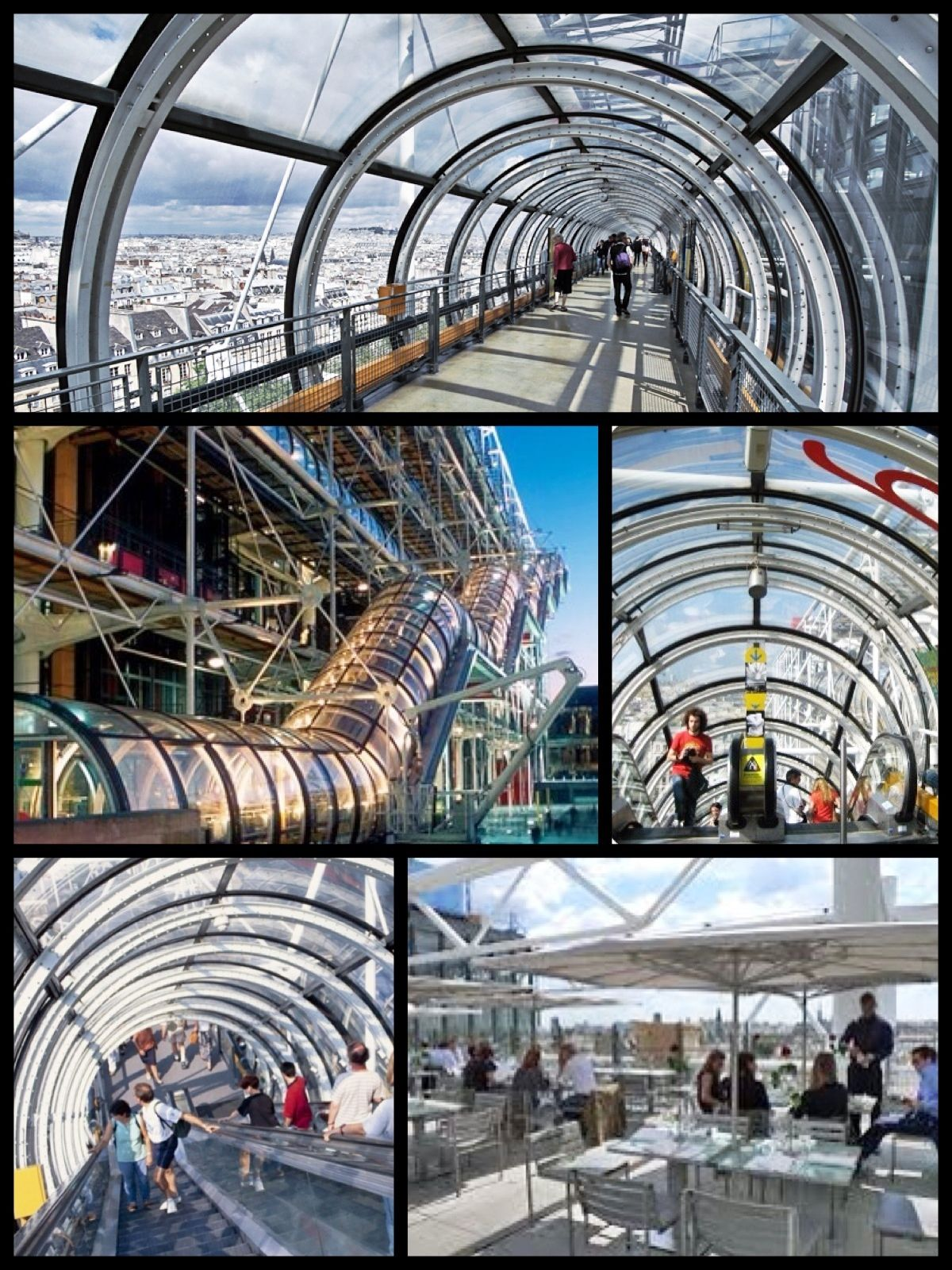
The banning of selfie sticks in Paris's museums does not mean that photography is unwelcome or inappropriate. Quite the contrary: the Louvre, the Musée d'Orsay, the Centre Pompidou and most of the other major Paris museums actively encourage visitors to photograph the permanent collection for personal, non-commercial use, and the current generation of smartphone cameras produces images of sufficient quality to create genuinely beautiful records of a museum visit. The question is not whether to photograph but how to do it in a way that respects both the artworks and the other visitors sharing the space.
The practical rules in most Paris museums are straightforward: no flash photography under any circumstances, no selfie sticks or monopods, no tripods without prior authorisation, and no photography in specifically designated areas where temporary exhibition agreements with artists or estates prohibit it. Within these constraints, handheld photography of the permanent collection is generally freely permitted and widely practised. The key to doing it well is to photograph deliberately rather than reflexively: to choose your shot, consider the composition, wait for the right moment, and take a small number of thoughtfully composed images rather than a large number of instinctive ones.
For the specific challenge of photographing famous works in crowded galleries, patience is the most important quality. The crowd in front of the Mona Lisa, or in front of Van Gogh's Starry Night at the Orsay, or in the Hall of Mirrors at Versailles, will thin at the margins of the day: in the first hour after opening and in the last hour before closing, the conditions for photography are significantly better than at midday. Arriving early requires planning but is almost always rewarded with a quality of experience, photographic and otherwise, that the peak-hour visit cannot provide.
The other practical consideration for photographing in Paris museums is to look beyond the most famous works. Every great museum contains works of enormous quality and interest that are not protected by the fame of their most celebrated neighbours, and these works are typically photographable in conditions of much greater calm and much better light. The Louvre's collection of Dutch Golden Age paintings, for instance, is one of the finest in the world and occupies galleries that are never as crowded as the rooms housing the Italian masterworks. The Orsay's collection of decorative arts and furniture from the nineteenth century is extraordinary and almost entirely overlooked by the majority of visitors making directly for the Impressionists. These less-visited rooms offer not only better photographic opportunities but a more contemplative and more personally rewarding museum experience.
A great painting is not a backdrop. It is a conversation. And like all conversations, it requires that you put down your device and pay attention to what is in front of you. The selfie stick was the moment when many of the world's great museums decided to say this out loud, and loudly enough that people stopped and listened. That is, in its own way, a remarkable cultural achievement.
7. Practical Guide to Visiting the Paris Museums
Paris possesses one of the most extraordinary concentrations of world-class museums of any city on Earth, and visiting them requires some planning to make the most of what is available. The Paris Museum Pass is an excellent investment for anyone planning to visit more than two or three major museums: it provides free entry and queue priority at over 50 museums and monuments across Paris and the Ile-de-France, including the Louvre, the Orsay, the Centre Pompidou, the Musée de l'Orangerie, the Sainte-Chapelle and the Palace of Versailles. Passes are available for two, four or six consecutive days and pay for themselves quickly given the individual admission prices at the major institutions.
All of the major Paris museums require advance ticket booking during the peak tourist season from April to September, and the Louvre in particular is essentially impossible to visit without a pre-booked ticket during this period if you want to avoid queues of several hours. Book online at least a week in advance, choose a timed entry slot, and arrive as close to your slot time as possible. Free admission applies to EU citizens under 26 at most national museums every day, and to all visitors on the first Sunday of the month at the Louvre and the Musée d'Orsay: these free Sundays are extremely popular and arrive early.
The museums of Paris are served by an excellent public transport network. The Louvre is directly above the Palais Royal-Musée du Louvre Metro station on lines 1 and 7. The Musée d'Orsay is a short walk from the RER C Musée d'Orsay station or from Solférino on line 12. The Centre Pompidou is best reached via Rambuteau on line 11 or Hôtel de Ville on lines 1 and 11. Versailles requires a 40-minute journey on the RER C from Gare d'Austerlitz, Saint-Michel or Invalides.
Getting to Paris: Arriving for a Museum Visit
Paris is served primarily by Charles de Gaulle Airport (CDG), approximately 25 kilometres northeast of the city centre, and by Paris Orly Airport (ORY), approximately 14 kilometres south of the centre. For museum-focused visitors, arriving at CDG and reaching the Louvre or the Musée d'Orsay is straightforward: the most comfortable option is a private airport transfer from CDG to your hotel, which takes approximately 40 to 60 minutes depending on traffic and deposits you directly at your accommodation.
The RER B train from CDG reaches the centre of Paris in approximately 35 minutes and runs every 10 to 15 minutes, connecting to key Metro and RER interchange stations including Gare du Nord, Châtelet-Les Halles and Saint-Michel Notre-Dame. From any of these stations, the major museums of Paris are accessible by Metro in a further 5 to 15 minutes. For the Palace of Versailles, which requires a 40-minute journey from central Paris by RER C, the most efficient approach is to plan the Versailles visit as a full day from an early morning departure, allowing adequate time for both the palace interior and the gardens.
Tips for making the most of a Paris museum visit: Start with the museum's own website rather than a general travel guide for planning your visit: the official sites contain the most accurate and most current information on opening times, temporary closures for cleaning or conservation, current photography policies, ticket booking and special programmes. Join a guided tour for at least one room or collection in each major museum you visit: a knowledgeable guide will show you things you would never notice independently and contextualise works in ways that make them genuinely unforgettable. And leave the selfie stick at home, not because the rules require it, but because the art deserves your full attention.

Comments
No comments yet. Be the first to share your thoughts!
Leave a Comment
Your comment will appear after moderation.