 Michelle
 There are countries where food is sustenance, and then there are countries where food is a civilisation. France is emphatically the latter. No other nation on Earth has elevated the act of eating to quite the same level of cultural seriousness, philosophical depth and sheer, unself-conscious pleasure. The French do not merely eat well. They think about eating, write about it, argue about it, legislate to protect it, and have done so for centuries. UNESCO recognised this in 2010, inscribing the French gastronomic meal on the Representative List of Intangible Cultural Heritage of Humanity. That is not a small thing. And if you are about to visit France for the first time, or the fifth, or the fifteenth, understanding what that means in practice is the best possible preparation for what awaits you at every table, every market stall and every bakery window you are about to pass.
1. The Morning Ritual: Patisserie, Viennoiserie and the Art of the Croissant
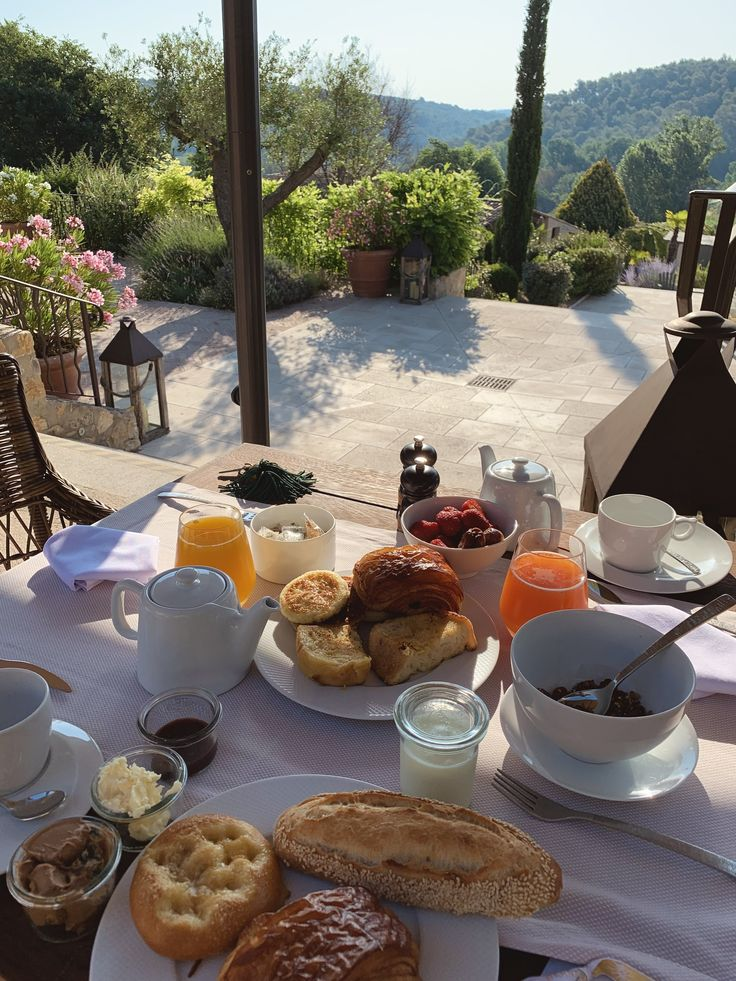
It begins, as all good things in France do, in the morning. Step out onto any street in any French town at seven in the morning and you will find the boulangerie already open, already warm, already filling the air with a smell so particular and so irresistible that it seems almost designed to dissolve your willpower completely. This is not an accident. The French take their bread and pastry with an earnestness that visitors often find startling and that the French find entirely natural.
The croissant is the obvious place to start, but it is also the place where most tourists make their first mistake. Not all croissants are equal. A supermarket croissant and an artisan croissant from a serious boulangerie are, quite genuinely, two different foods. The real thing is made with high-quality butter, laminated by hand through a painstaking folding process that creates dozens of paper-thin, shatteringly crisp layers. When you bite into it, it should crumble slightly, releasing a wave of warm, yeasty, intensely buttery flavour. If it does not do this, it is not a croissant worthy of the name. Look for the shape: a straight croissant is typically made with butter, a curved one with margarine. Always choose the straight one.
Beyond the croissant, the world of French viennoiserie is vast and deeply rewarding. The pain au chocolat, known in the southwest as a chocolatine (a regional linguistic dispute that the French take with surprising seriousness), encloses two or three batons of dark chocolate in the same laminated dough. The pain aux raisins spirals its pastry around a custard cream and plump raisins. The kouign-amann, a Breton speciality whose name means simply butter cake in Breton, is perhaps the most dangerously good of all: a round, caramelised pastry of extraordinary richness whose combination of flaky dough, salted butter and crunchy caramelised sugar is almost impossible to resist.
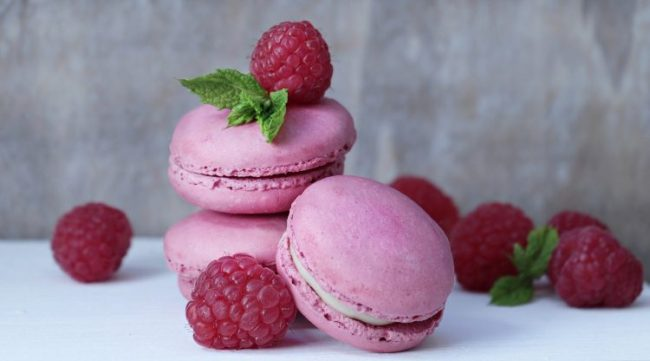
Then there is the proper world of the patisserie: distinct from the boulangerie, and devoted to the higher arts of French pastry. Here you will find the eclair, a choux pastry finger filled with cream and glazed with fondant in flavours from classic coffee and chocolate to violet, pistachio and salted caramel. The mille-feuille, that gravity-defying stack of puff pastry and vanilla cream, is both a technical masterpiece and an exercise in elegant chaos to eat. The tarte tatin, invented by accident by the Tatin sisters in the Loire Valley in the 1880s, is an upside-down apple tart of caramelised, almost jammy sweetness that remains one of the great simple pleasures of French cooking. And the macaron, of course, which despite its worldwide commodification retains, in its finest versions from houses such as Ladurée or Pierre Hermé, a delicacy and complexity that is genuinely difficult to replicate.
Best time to visit a Parisian patisserie: Go early. The best boulangeries sell out of their finest pieces by mid-morning. Arrive between 7:30 and 9:00 to find the full selection still available, the croissants still warm and the staff in a mood that has not yet been worn thin by the tourist rush. A good trick is to identify your target patisserie the evening before by walking past and checking the queue and the window display.
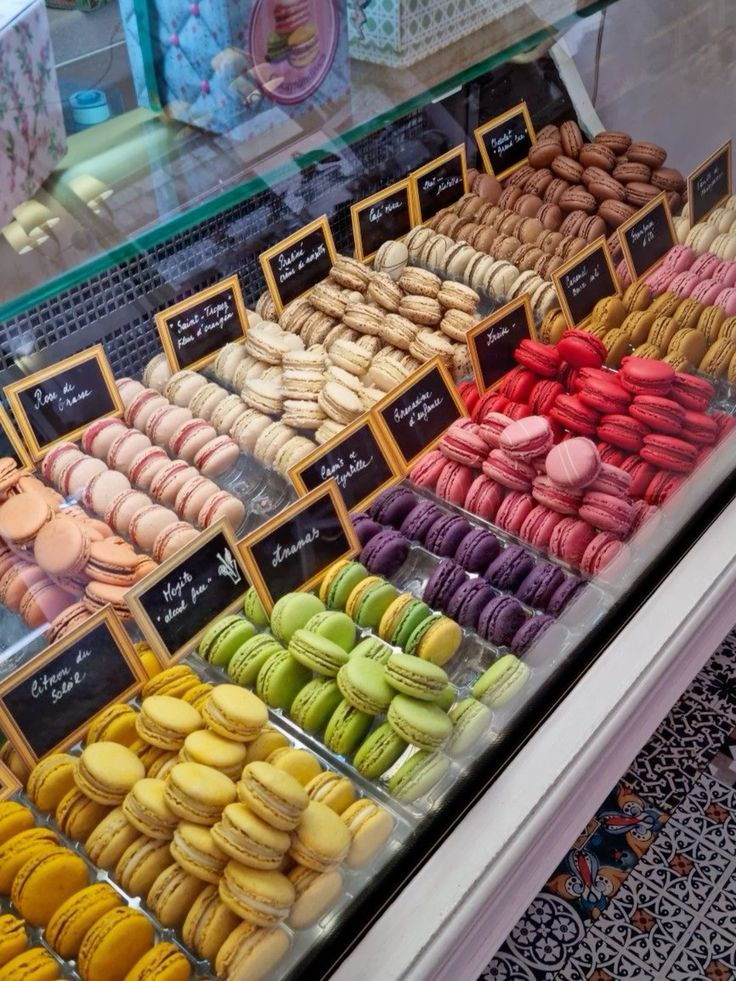
Common tourist mistake: Buying macarons from a street vendor or a tourist shop near the Eiffel Tower. These are almost invariably mass-produced, artificial in flavour and a travesty of what the macaron should be. Make the short detour to a genuine patisserie. The difference is not subtle. It is the difference between a postcard and the real thing.
2. The World of French Cheese and Charcuterie
Charles de Gaulle once asked, with characteristic exasperation, how anyone could govern a country that has 246 kinds of cheese. The figure has since grown considerably: France now produces well over 1,200 distinct cheeses, protected by a system of appellations that rivals the one protecting its wines. Understanding even the broad outlines of this world is one of the most rewarding things you can do before visiting France, and one of the most enjoyable things you can do while you are there.
French cheeses are traditionally organised by type. Fresh cheeses, such as fromage blanc and chèvre frais, are mild, creamy and gently acidic. Soft-ripened cheeses, the category that includes Brie de Meaux and Camembert de Normandie, develop their famous white rind through exposure to specific moulds and ripen from the outside in, becoming increasingly liquid and intensely flavoured as they mature. A perfect Brie should bulge slightly when cut and smell powerfully of mushrooms and damp earth. If it smells of ammonia, it has been kept too cold for too long. Washed-rind cheeses such as Epoisses and Munster are perhaps the most assertive of all: their orange rinds, washed regularly during ageing with brine, wine or spirits, develop a pungency that is formidable but gives way to a surprisingly sweet, complex interior. Pressed cheeses, including Comté, Beaufort and Tomme de Savoie, are the everyday workhorses of the French table: nutty, firm, deeply satisfying, and the cheese most likely to find its way into a proper croque-monsieur. And then there is Roquefort, the king of the blue cheeses, aged in the natural caves of the Combalou plateau in the Aveyron and made exclusively from the raw milk of the Lacaune sheep, its flavour salty, crumbling and intensely complex.
Alongside cheese, French charcuterie is a world of equal depth and regional variation. The word covers the entire category of cured, smoked, cooked and preserved pork products, and it is one in which the French have excelled for centuries. Jambon de Bayonne, cured for a minimum of seven months in the salt air of the Pyrenean foothills, is the French answer to Spanish iberico and Italian prosciutto: rose-pink, delicately salty and intensely flavoured. Saucisson sec, the dried salami found at every market stall and picnic in France, comes in dozens of regional varieties, some flavoured with herbs from Provence, others with hazelnuts, black pepper or wine. Pâté de campagne, a rough-textured, richly flavoured country terrine of pork liver, herbs and often a splash of cognac, is one of those dishes that seems to improve every time you eat it in France and never quite taste right anywhere else.
Food tip: The best way to experience French cheese and charcuterie is to visit a proper outdoor market rather than a supermarket. Ask the fromager for a taste before you buy. In France, this is not only acceptable but expected. A good cheese seller will ask you when you plan to eat the cheese and choose accordingly, handing you something at precisely the right stage of ripeness for your intended occasion.
One important cultural note on cheese: in France, it is served after the main course and before dessert, not as a starter. This is not an eccentricity but a deeply considered gastronomic decision. The logic is that cheese, particularly strong, complex cheese, needs to be eaten alongside wine, and the wine at the end of a meal is the most serious wine of the evening. Do not under any circumstances cut the pointed tip off a wedge-shaped cheese. This is considered an act of near-criminal rudeness in France, depriving whoever comes after you of the strongest, most flavourful part. Always cut from the side, preserving the geometry of the original shape.
3. The Brasserie Tradition and the Great Classic Dishes
If the patisserie represents the France of the morning and the market the France of the weekend, then the brasserie represents the France of the long, unhurried lunch and the convivial dinner that stretches comfortably past midnight. The brasserie as an institution originated in Alsace, where Alsatian brewers set up establishments in Paris after the Franco-Prussian War of 1870, serving beer, sauerkraut, shellfish and hearty Germanic food alongside the Parisian staples of the day. The form evolved, the menu broadened, and the great Parisian brasseries, from the gilt and mirror splendour of La Coupole in Montparnasse to the art deco grandeur of Bofinger in the Marais, became something uniquely French: a temple of democratic gastronomy where a workman in overalls and a businessman in a suit sat side by side eating the same steak frites and feeling equally at home.
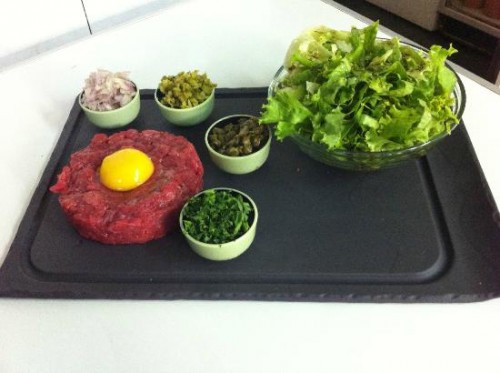
The steak frites deserves its reputation as one of the great simple dishes of the world, which means it deserves to be ordered properly. The French have a different conception of doneness than most anglophone visitors. When you order saignant, you mean genuinely rare, with a cool, deeply pink centre. When you order a point, you mean medium rare, pink throughout and still juicy. Bien cuit, well done, is accepted but sometimes greeted with barely concealed sorrow by the waiter. Order your steak at least a point to experience what the chef intended. The frites should be golden, thin and crisp, and they should arrive in quantity.
Moules marinières, mussels steamed in white wine, shallots and parsley and served in their cooking broth with a mountain of frites on the side, is one of the great pleasures of the French coast, from Normandy to the Atlantic seaboard. In a good restaurant, the mussels will be impeccably fresh and the broth will be something you want to mop up with the accompanying bread until there is nothing left in the bowl. Soupe à l'oignon, the slow-cooked caramelised onion soup topped with a crouton and a molten cap of Gruyère, is one of those dishes that seems to contain the entire warmth and generosity of French cooking in a single ceramic bowl. Eat it in cold weather, in a brasserie that has been there for decades, and you will understand something about why the French feel the way they do about their food.
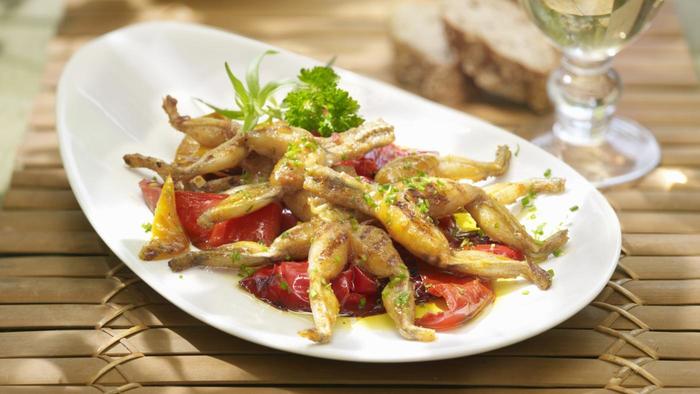
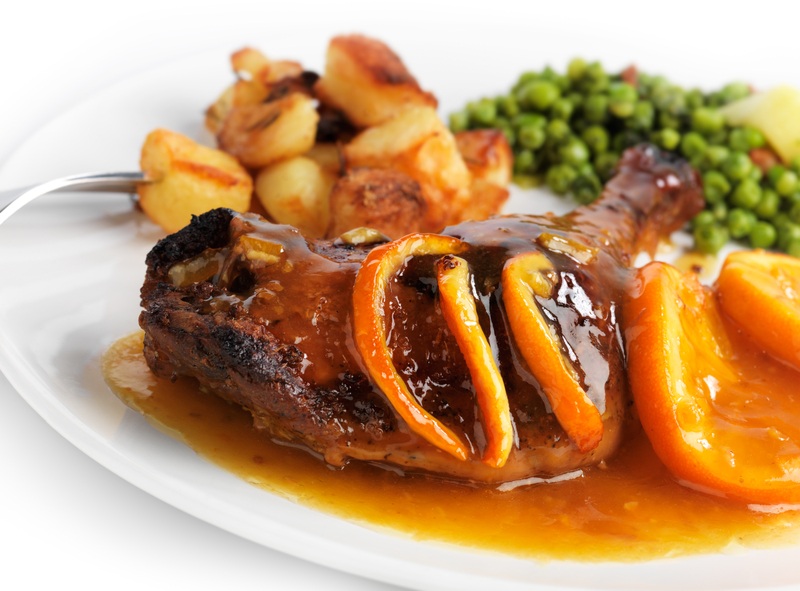
Beyond Paris, the great regional dishes of France reveal a country of extraordinary culinary diversity. Bouillabaisse, the famous Marseillaise fish stew, is a dish with rules as strict as a legal code: the authentic version must include at least four specific species of fish from the Mediterranean, served in a saffron-scented broth alongside a fierce garlic mayonnaise called rouille and slices of toasted bread rubbed with garlic. Cassoulet, the slow-cooked white bean and meat casserole of Languedoc, is one of the great comfort foods of the world, a dish of such richness and depth that it is best eaten at lunch, when you still have the afternoon to recover. Duck confit from the Dordogne, choucroute garnie from Alsace, pot-au-feu from the Burgundian countryside, galettes from Brittany filled with buckwheat flour, melted cheese and a runny egg: the regional cooking of France is a subject that could fill not just an article but an entire library.
Common tourist mistakes at French restaurants: Asking for ketchup with your steak frites. Ordering a cappuccino after dinner (coffee in France is always a short, black espresso after a meal, never milky). Expecting the bill to arrive without asking for it: in France, leaving you in peace to enjoy your table is a sign of respect, not inattention. When you are ready to leave, make eye contact with the waiter and mime the universal signing-the-bill gesture. And do not, under any circumstances, tip extravagantly: a small additional sum of one or two euros for good service is perfectly appropriate, but the grand American-style tip is considered awkward and unnecessary.
4. Wines, Champagne and the French Art de Vivre
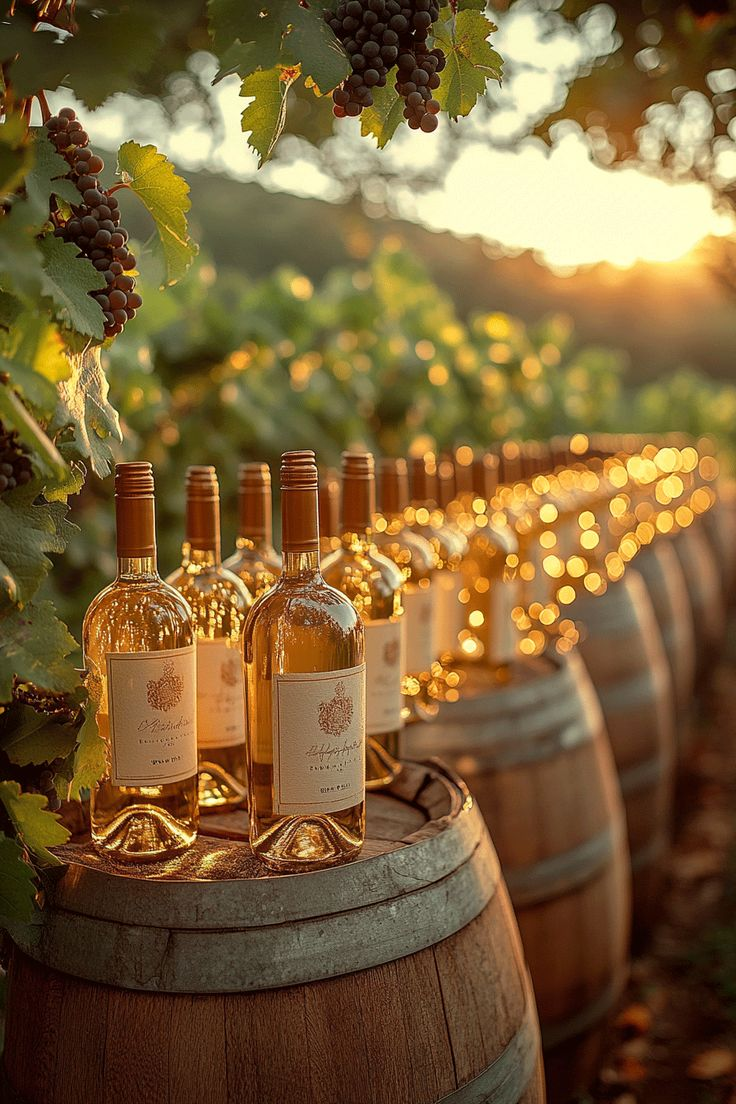
To eat in France without drinking wine is, to borrow a French expression, a bit like going to Paris and never looking up. Wine is not an optional accompaniment to the French table. It is woven into the fabric of the meal, chosen to match the food, discussed with the seriousness that other cultures reserve for political argument, and produced in a bewildering variety of styles from regions whose names read like a roll call of the world's greatest vineyards: Bordeaux, Burgundy, the Rhône, the Loire, Champagne, Alsace, Provence, Languedoc.
For a visitor, the simplest and most rewarding approach is to follow the local rule: drink the wine of the region you are in. In Burgundy, drink Bourgogne rouge made from Pinot Noir alongside your beef. In Bordeaux, drink a Saint-Emilion or a Médoc with your duck. In Provence, drink the pale, dry rosé that the region produces in spectacular quantity and quality. In Alsace, drink the extraordinary aromatic whites, Riesling, Gewurztraminer and Pinot Gris, that are unlike anything produced elsewhere in France. The cave à vin of any serious French restaurant will guide you, and a good sommelier will be delighted to help if you simply describe what you like and ask for a recommendation.
Champagne deserves its own moment of attention, not least because the vast majority of visitors to France drink it wrong. Champagne is not only for celebrations. The great Champagne houses of Reims and Epernay produce wines of extraordinary complexity that are as worthy of serious attention as any red Burgundy. The difference between a vintage Champagne and a supermarket Prosecco is not one of degree but of kind. If your budget allows, try a prestige cuvée from one of the great houses and drink it with food: Champagne is one of the most food-friendly wines on Earth, pairing equally well with oysters, delicate fish, poultry and even fried food. The bubbles cut through richness and refresh the palate in a way that few other wines can match.

Beyond wine, the art de vivre of France encompasses a constellation of food-related rituals that are worth understanding and adopting for the duration of your visit. The apéritif is perhaps the most civilised of these: a pre-dinner drink taken around six or seven in the evening, typically something light and not overly alcoholic, such as a glass of kir (white wine and blackcurrant liqueur), a flute of Champagne or a pastis (the anise-scented spirit of Provence, turned cloudy and wonderfully aromatic when diluted with cold water). The apéritif is not a cocktail hour. It is a transitional moment, a social ritual designed to open the appetite and ease the transition between the working day and the pleasure of the meal to come. Take it seriously.
The digestif closes the meal with equal ceremony: a small glass of Armagnac, Calvados, marc de Bourgogne or one of the dozens of herbal liqueurs that France produces, drunk slowly and with great deliberateness. The French do not rush the end of a meal any more than they rush the beginning. The table is theirs for the evening, and the gradual winding down of a long dinner over digestifs and conversation is considered as much a part of the meal as the food itself.
The French table is not simply a place to eat. It is a place to think, to argue, to fall in love, to reconcile, to celebrate and to be reminded, for an hour or two, that the pleasures of life are not trivial. They are, in their own way, essential.
When to visit France for a food trip: Autumn is the finest season for a gastronomic journey. From September to November the markets fill with wild mushrooms, truffles from Périgord and Provence, game birds, chestnuts and the last of the summer stone fruits. The grape harvest transforms the wine regions into places of palpable excitement and extraordinary beauty, and restaurants across the country introduce seasonal menus of thrilling depth. Spring is a close second, with the arrival of white asparagus from the Loire, the first strawberries from Périgord and the incomparable vacherin season, when the rich, spruce-wrapped mountain cheese of the Jura returns to market shelves for a few precious months.
Getting to France: Arriving in Paris and Starting Your Culinary Journey the Right Way
Most visitors to France arrive at Paris Charles de Gaulle Airport (CDG), one of the busiest airports in Europe, located approximately 25 kilometres northeast of the city centre. A second airport, Paris Orly (ORY), handles a significant proportion of domestic and short-haul European traffic and is situated about 14 kilometres south of central Paris.
After a long flight, the last thing you want is to navigate an unfamiliar public transport system with heavy luggage and an appetite building for your first Parisian meal. The most comfortable and direct option is a private airport transfer from CDG directly to your hotel, which takes between 40 and 60 minutes depending on traffic and eliminates all the stress of connections. The RER B train is a reliable and significantly cheaper alternative: it connects CDG directly to central Paris stations including Gare du Nord, Châtelet-Les Halles and Saint-Michel Notre-Dame in approximately 35 minutes, running every 10 to 15 minutes.
Tips for avoiding queues at the best patisseries: The famous patisseries of Paris, Pierre Hermé, Ladurée, Des Gâteaux et du Pain, and Cyril Lignac, regularly have queues that stretch into the street on weekend mornings. Go on a Tuesday or Wednesday morning and you will have the shop largely to yourself. If you are in Paris on a Saturday and determined to visit a specific famous patisserie, arrive no later than 8:30. Later than that and the most prized pieces will already be spoken for.
Comments
No comments yet. Be the first to share your thoughts!
Leave a Comment
Your comment will appear after moderation.