 Michelle
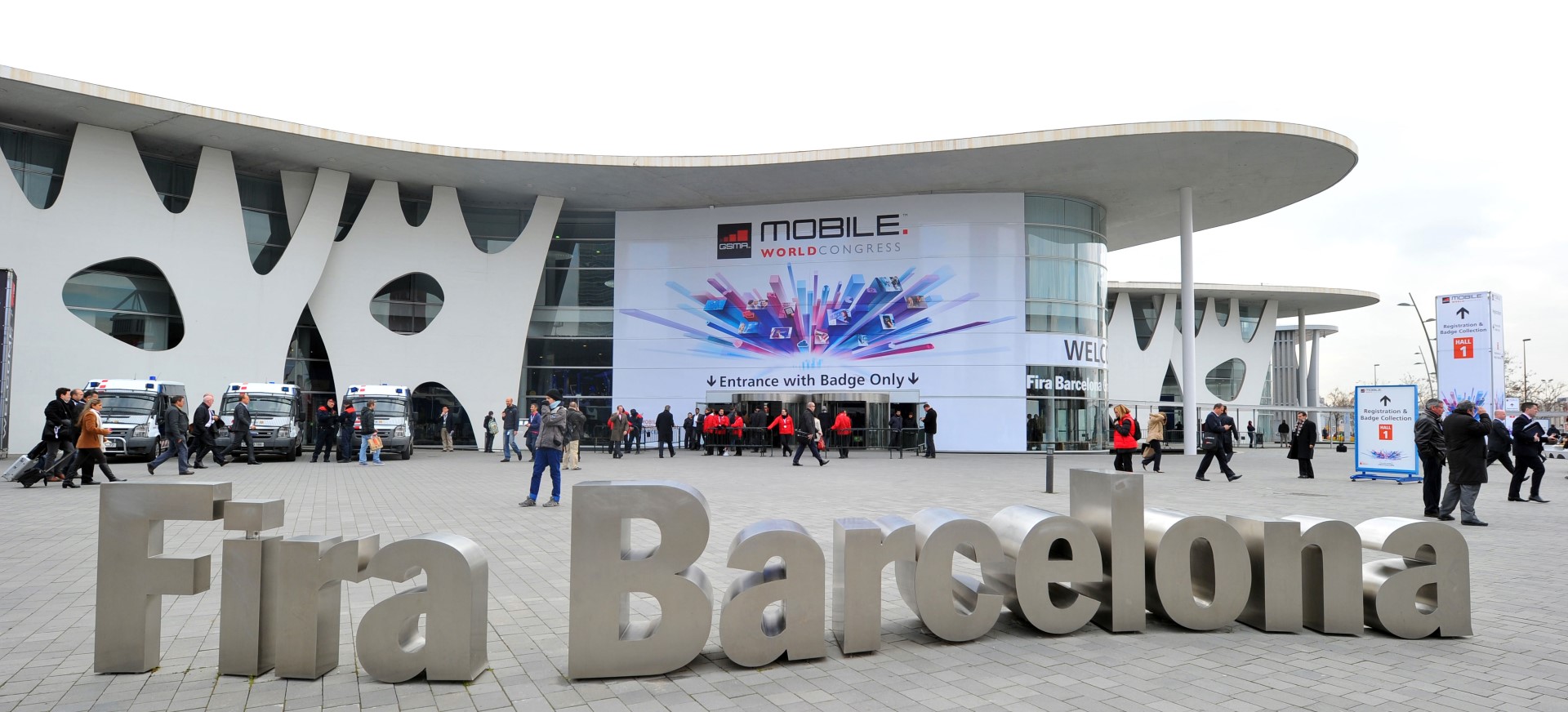
 Every February, something extraordinary happens to Barcelona. Over the course of four days, the city absorbs more than one hundred thousand visitors from every corner of the world, transforms its principal exhibition centre into one of the most technologically dense environments on the planet, and plays host to an event that shapes the direction of the global technology industry for the year ahead. The Mobile World Congress is the largest and most important gathering of the mobile and technology sector in the world, and it is held, with fitting theatre, in one of Europe's most architecturally spectacular cities. What the event shares with the city that hosts it is a love of the dramatic, the unexpected and the genuinely, gloriously strange.
What the Mobile World Congress Is and Why It Matters
The Mobile World Congress, organised annually by the GSMA, the global trade body representing the interests of mobile network operators worldwide, is not simply a technology trade show. It is the moment at which the mobile and connected technology industry takes stock of where it has arrived and where it is going next: the launches, the deals, the partnerships and the debates that happen during MWC shape what appears in your pocket, on your wrist and on your desk for the months and years that follow. Every major player in the global technology landscape is present: Apple, Samsung, Huawei, Ericsson, Nokia, Qualcomm, Google, Microsoft, Sony, Motorola, Xiaomi and hundreds of smaller companies from startups to established mid-size technology firms that collectively represent the full spectrum of innovation in mobile communications, artificial intelligence, the Internet of Things, 5G connectivity and the emerging landscape of augmented and virtual reality.
The scale of the event is difficult to convey without direct experience. The Fira Barcelona Gran Via, the primary venue, is one of the largest exhibition centres in Europe, with a total floor area of over 200,000 square metres across eight interconnected halls. During MWC, every one of those halls is packed with exhibitors, demonstration spaces, conference stages, networking areas and the kind of immersive technological installations that require the resources of a multinational corporation to produce. Walking from one end of the venue to the other without stopping takes the better part of twenty minutes. With stops, an hour passes before you have covered a fraction of the available content.
The programme extends beyond the exhibition floors. Dozens of keynote speeches by the chief executives and technology leaders of the world's most significant companies are delivered in purpose-built conference theatres within the venue and broadcast globally. Side events, networking dinners, product launches and private demonstrations fill every hotel ballroom and rooftop terrace in Barcelona for the four days of the event. The city, in short, becomes the de facto capital of the global technology industry for one week every year, and the atmosphere it generates is unlike anything else in the European conference calendar.
Who attends MWC: The Mobile World Congress attracts a remarkably diverse audience. Technology journalists and analysts from every major publication and research firm attend to cover the product launches and industry announcements. Chief executives and senior leadership teams from the world's largest technology companies attend for meetings, keynotes and deal-making. Engineers, developers and product teams attend for the technical conferences and demonstrations. And a growing number of visitors from adjacent industries including finance, healthcare, automotive, retail and government attend to understand how mobile technology is transforming their own sectors. If you work in any industry that is touched by digital technology, which in 2026 means every industry, MWC has something directly relevant to show you.
1. The Quirky Side of MWC: Strange Gadgets and Human Moments
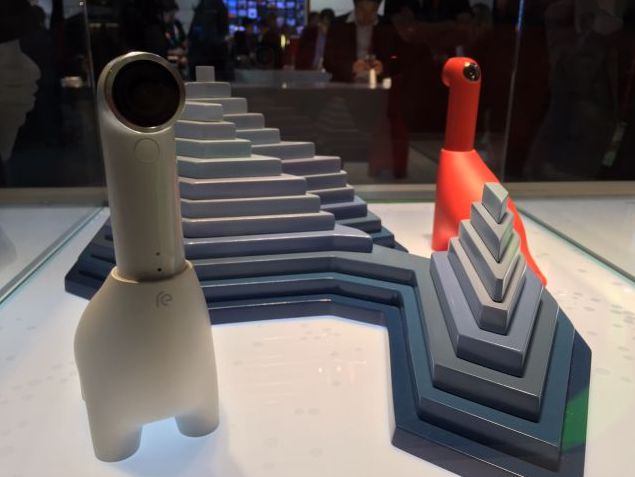
Amongst all the serious corporate business that is transacted at MWC every year, a tradition has developed of exhibitors producing demonstrations and products that are, to put it charitably, at the more experimental end of the innovation spectrum. These are the moments that stay with attendees long after the keynote speeches have faded: the things that make you stop in the middle of a crowded hall and simply stare, unsure whether you are looking at a glimpse of the future or the most elaborate joke ever produced with a corporate budget.
There is always a robot. Sometimes there are several. Over the years, MWC has introduced the world to humanoid robots that can deliver room service, semi-autonomous drones that navigate crowded exhibition halls with varying degrees of success, and robot dogs that have wandered the Fira's corridors with an unnerving purposefulness that suggests they know something you do not. The robotics demonstrations at MWC have a particular quality: they are simultaneously impressive as engineering achievements and profoundly, entertainingly strange as social experiences. A robot offering you a brochure about 5G infrastructure is an experience that no amount of technology journalism quite prepares you for.
The wearable technology segment of MWC has historically produced some of the event's most memorable moments of productive absurdity. Smartwatches that double as credit cards and car keys. Fitness trackers embedded in garments of various implausibility. Augmented reality glasses that transform the wearer into something that looks like a science fiction character from a particularly optimistic era. Smart rings, smart belts, smart shoes. At MWC, the question is never whether something can be made smart but whether it should be, and the answer, at least for the purposes of the exhibition floor, is always a resounding yes.
The concept demonstrations that appear at MWC each year, the installations that are not products exactly but visions of how technology might reshape a particular aspect of daily life, are often the most genuinely thought-provoking content the event produces. Connected cities whose infrastructure responds in real time to the behaviour of their inhabitants. Healthcare monitoring systems that predict illness before symptoms appear. Agricultural technology that manages irrigation and soil chemistry via satellite. Smart home ecosystems of such comprehensive ambition that they seem designed for a domestic life lived entirely in advance of the one most people currently inhabit. These demonstrations are frequently compelling, occasionally alarming and always interesting, and they form a strand of MWC content that is easy to miss if you spend all your time in the major product launch halls.
Photography at MWC: The exhibition floors of MWC are an extraordinary environment to photograph. The combination of the architectural scale of the Fira, the lighting installations of the major exhibitors, the crowds, the robots and the general sensory overload produces images of considerable visual interest. Most exhibitors permit photography of their public demonstration areas, but always ask before photographing anything that looks like a private meeting or a proprietary prototype. The evening light on the exterior of the Fira Gran Via, with the building lit by the coloured projections that exhibitors typically run on the facade during the event, is also spectacular and worth capturing on your way in or out.
2. The Fira Gran Via: Venue, Halls and Atmosphere
The Fira Barcelona Gran Via, designed by the Japanese architect Toyo Ito and completed in 2004, is one of the most architecturally distinguished exhibition centres in Europe: a long, low building of glass, steel and concrete whose exterior presents a series of undulating transparent facades that allow natural light to permeate the interior and give the building a quality of lightness unusual in structures of such industrial scale. During MWC, the building is essentially invisible beneath the layers of corporate branding, signage, lighting rigs and installation art that the exhibitors add to every available surface, but the underlying architecture reasserts itself in the proportions and the flow of the spaces, which are genuinely well designed for the movement of large numbers of people between very different types of experience.
The eight halls of the Fira are organised broadly by sector and company size. The largest exhibitors, including Samsung, Ericsson, Nokia, Huawei and the network infrastructure companies, occupy the central halls with installations of extraordinary scale and expense: entire built environments that replicate smart city infrastructure, hospital connected care networks, autonomous vehicle control centres or whatever the exhibitor's dominant narrative for the year happens to be. Walking into a major hall at MWC for the first time is a genuinely theatrical experience: the combination of scale, light, noise and the density of what is on display produces a specific quality of excited disorientation that is entirely characteristic of the event.
The smaller halls house the startup ecosystem, the national pavilions and the companies from adjacent industries that are increasingly prominent at MWC: automotive companies demonstrating connected vehicle technology, healthcare systems showing remote patient monitoring platforms, financial services firms exploring fintech and payment infrastructure. The 4YFN (Four Years from Now) startup conference, which runs concurrently with the main MWC programme at the Fira Montjuic, is where the most experimentally minded and entrepreneurially oriented attendees tend to spend significant time: a more intimate environment than the main event with a higher density of genuinely new ideas and a lower density of corporate polish.
Navigating MWC effectively requires a plan. The official app, which is comprehensive and genuinely useful, provides maps, schedules, exhibitor directories and the ability to book meetings with other attendees. Arriving with a list of the specific exhibitors, keynotes and conferences that are most relevant to your work or interests, and building your daily schedule around these priorities while leaving time for the unplanned discoveries that the exhibition floor consistently produces, is the most effective approach. Trying to see everything is both impossible and counterproductive: MWC rewards focus and intentionality far more than it rewards exhaustive coverage.
3. Barcelona During MWC: How the City Transforms for Four Days
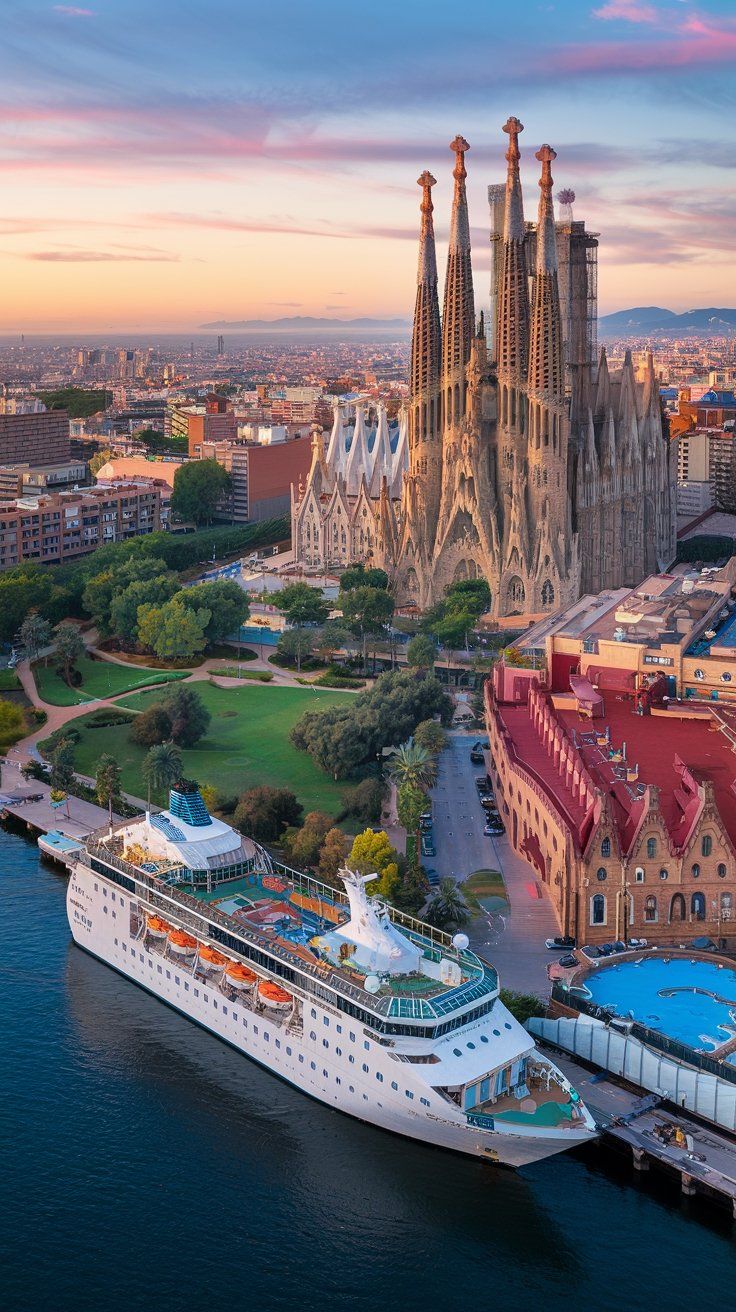
MWC does not merely fill Barcelona's exhibition centre. It colonises the entire city. Every major hotel in the Eixample, the Gothic Quarter, the Diagonal corridor and the waterfront districts becomes a temporary headquarters for one or more technology companies, with private meeting rooms booked out for the full duration of the event, corporate receptions taking over rooftop bars and restaurant private dining rooms, and the hotel lobbies developing a particular atmosphere of managed intensity that is entirely characteristic of large conference weeks in any city but nowhere quite as pleasurable as in Barcelona.
The restaurants of Barcelona take on a distinctly international character during MWC week. Tables that in any other week in February would be available at short notice become impossible to book without advance planning, and the mix of languages audible in any good restaurant in the Eixample or El Born during MWC ranges across Japanese, Korean, Mandarin, German, American English, British English, French, Spanish and a dozen others within the same room. For the restaurant industry of Barcelona, MWC represents one of the most significant commercial weeks of the year, and the city's best establishments perform accordingly.
February in Barcelona, the month in which MWC typically falls, offers weather that is genuinely pleasant by northern European standards. Temperatures are typically between 10 and 16 degrees Celsius during the day, occasionally warmer in sunshine, and the famous Barcelona light has a particular clarity in late winter that makes the city look extraordinarily beautiful. The Barceloneta beach is quiet and atmospheric rather than crowded, the Gothic Quarter is unhurried by tourist standards, and the Passeig de Gracia, the city's grandest boulevard, retains a quality of urban elegance without the summer crowds. For the MWC attendee with an evening free from corporate obligations, Barcelona in February is an extraordinary city to be in.
The nightlife that surrounds MWC has its own particular character. The official evening events, the hosted parties and receptions that companies organise to continue conversations begun on the exhibition floor, are a significant part of the MWC experience for many attendees, and some of them take place in venues across Barcelona of considerable architectural and atmospheric distinction: rooftop bars with views over the city, renovated industrial spaces in the Poblenou neighbourhood, private clubs in the Eixample and spaces along the waterfront that are not normally open for events. Navigating the MWC party circuit requires either the right contacts or the right intelligence-gathering, but for those who manage it, the combination of the city's natural beauty and the energy of the industry's annual gathering produces evenings that are genuinely memorable.
Common mistakes MWC attendees make: Not booking accommodation at least six months in advance, by which time the best-located hotels are already sold out. Underestimating the scale of the venue and trying to cover all eight halls in a single day. Failing to use the official app to pre-book meetings, meaning that the meetings you want are unavailable by the time you try to arrange them on the floor. Not planning any time outside the Fira at all, which means missing the city that makes MWC uniquely pleasurable as a conference destination. And arriving at the airport without a pre-arranged transfer during peak arrival days, when the taxi queue can be very long and very slow.
4. Essential Practical Tips for Attending MWC in Barcelona
Attending MWC for the first time can feel overwhelming. The following practical advice, distilled from the experience of regular attendees, will help you navigate both the event and the city more effectively.
Accommodation: book early and book smart
The single most important logistical decision for MWC attendance is accommodation, and the single most important thing to understand about MWC accommodation is that early booking is not optional but genuinely essential. Hotels within walking distance or easy metro access of the Fira Gran Via fill first and at the highest prices, and by the time most first-time attendees begin thinking about their hotel, the best options are already gone. The ideal accommodation window for MWC is as soon as the dates are confirmed by the GSMA, which typically happens six to twelve months before the event. Hotels on the Diagonal, in the L'Hospitalet district and along the Metro Line 9 corridor to the Fira represent the best balance of access and availability. For those willing to commute from further afield, the Eixample and the Passeig de Gracia area offer excellent hotel quality and good metro connections to the venue.
Getting around: transport during MWC week
The Metro Line 9 Sud is the spine of MWC transport in Barcelona, connecting the airport (both terminals) to the Fira Gran Via via the Gran Via and Fira metro stations. During MWC, the metro operates with increased frequency on this line and is the most reliable way to move between the airport, the city centre and the venue throughout the event. The Aerobus service from the airport to Plaça Catalunya continues to operate and is useful for accommodation in the city centre. For early morning arrivals or late evening returns, when public transport is less frequent, a pre-booked private transfer eliminates any uncertainty about availability and journey time. During peak arrival days at the start of MWC, the taxi queue at the airport can be extremely long; a pre-booked transfer waiting for you in the arrivals hall is one of the most stress-free ways to begin a conference week.
Food and drink: eating well during a long conference day
The catering within the Fira Gran Via during MWC is extensive but expensive and, at peak hours, subject to queues that consume time better spent in the halls. The most experienced MWC attendees develop strategies for this: eating a proper breakfast at their hotel before arriving, using the quieter food stations in the outer hall areas rather than the central concourses, and making dinner reservations at restaurants in the Eixample or El Born several days in advance. Barcelona's restaurant culture is one of the finest in Europe, and spending even one evening of your MWC trip eating properly in a good Barcelona restaurant, rather than at a corporate reception or a conference sandwich bar, is a restorative experience worth prioritising.
MWC Barcelona is, at its best, a collision between the future and the present: between the world the technology industry is building and the extraordinary, ancient, stubbornly alive city in which it assembles to compare notes. The robots and the medieval streets. The 5G demonstrations and the Gothic Quarter. The augmented reality headsets and the view from the Bunkers del Carmel at sunset. Barcelona handles all of it with its characteristic combination of style, appetite and mild amusement. It is a very good place to see what is coming next.
Getting to Barcelona for MWC: the Airport Transfer Advantage
Barcelona El Prat Airport (BCN) is located approximately 10 kilometres from the Fira Barcelona Gran Via, making it one of the most conveniently positioned major airports relative to a major exhibition venue in Europe. During MWC arrival days, typically the Sunday before the event opens on Monday morning, the airport sees an exceptional volume of arrivals from global destinations, and the combination of this volume and the normal airport taxi situation means that having a pre-booked transfer is genuinely valuable rather than merely convenient.
A private airport transfer booked in advance gives you a driver waiting in the arrivals hall with your name on a sign, a fixed price confirmed before you travel, and a journey to your hotel or directly to the Fira in approximately 15 to 20 minutes. During MWC week this is worth more than at any other time of year, because the alternative, joining the taxi queue outside arrivals, can be a considerably longer and less pleasant experience. For the business traveller arriving after a long-haul flight with a full schedule starting the following morning, the efficiency of a pre-booked transfer pays for itself many times over.
Comments
No comments yet. Be the first to share your thoughts!
Leave a Comment
Your comment will appear after moderation.