 Michelle
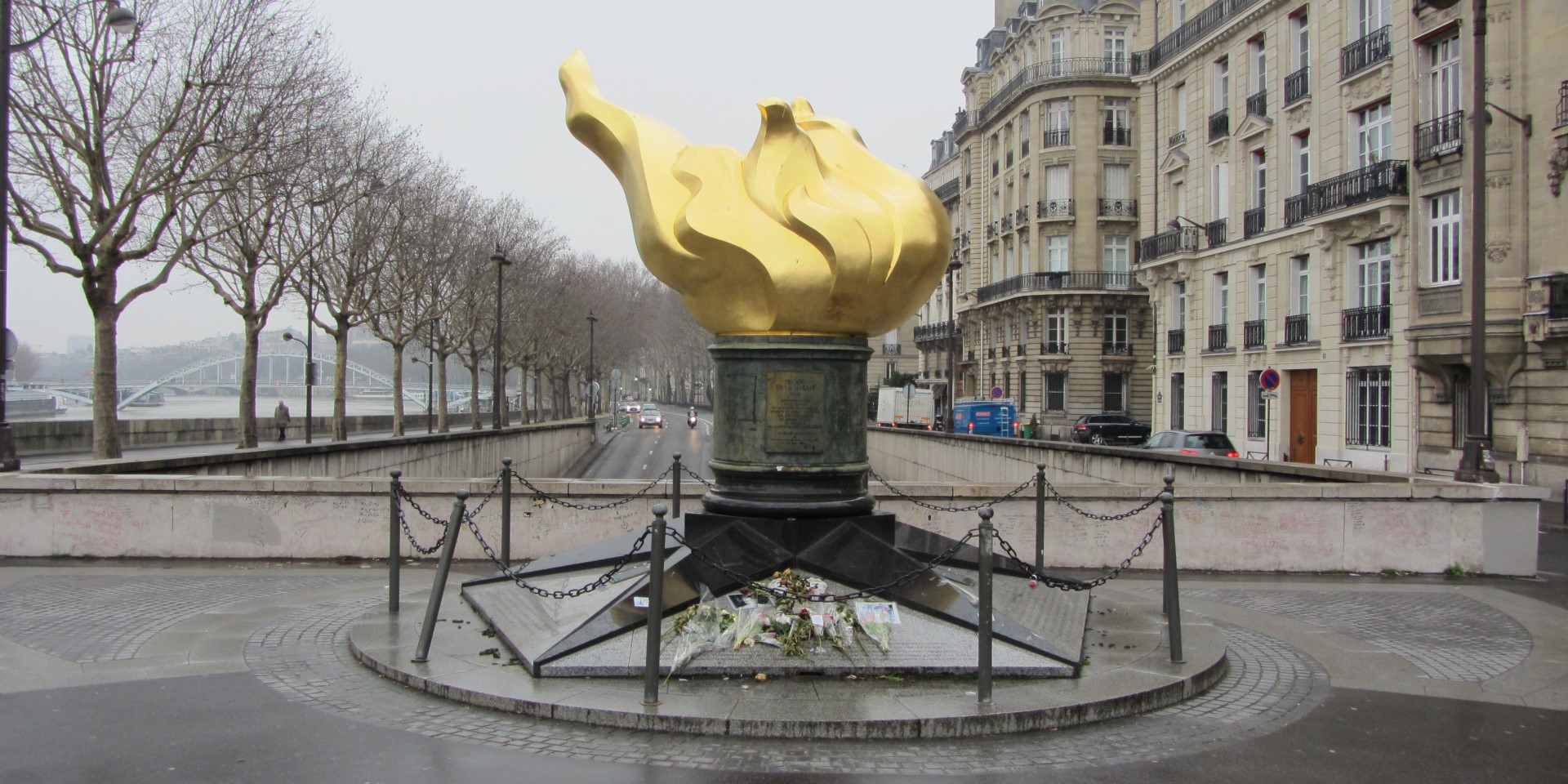
 There is a flame in Paris that was never meant to burn for a princess. It was a gift from one republic to another, a golden replica of the torch that has stood in New York Harbour since 1886, a symbol of liberty, of friendship, of the shared ideals of France and the United States. For two years, it sat quietly above the entrance to the Pont de l'Alma tunnel, noticed by the commuters who passed beneath it, admired by the tourists who stopped to photograph the Seine, but nothing more. Then, on a hot August night in 1997, the tunnel became the site of a tragedy that stunned the world, and the flame became something else entirely. It became a shrine. It became a place of pilgrimage. It became a silent witness to the grief of millions. Today, more than a quarter of a century later, the flowers still come, the messages still appear, and the flame still burns. This is its story.
The Flame of Liberty: A Gift That Became a Shrine
The Flame of Liberty was never intended to be a memorial. It was a diplomatic gesture, a celebration of journalism, a replica of one of the most famous symbols in the world. The story begins in 1987, when the International Herald Tribune, the English-language newspaper that has been read by expatriates and travellers in Paris since 1887, prepared to celebrate its centenary. The newspaper wanted to give something to the city of Paris, something that would symbolise the enduring friendship between France and the United States. The idea came from the sculptor Irena Senderska-Rakowska: a full-scale replica of the torch of the Statue of Liberty, cast in gilded copper, three and a half metres high, supported by a pedestal of black and grey marble.
The project cost approximately $400,000, raised through donations from people around the world. The torch was originally intended to be installed in the Place des États-Unis, the United States Square, in the 16th arrondissement of Paris. But Jacques Chirac, the mayor of Paris at the time, vetoed the location. Why he objected is not entirely clear, though some historians suggest he felt the square was already crowded with monuments. Instead, the flame was placed at the entrance to the Pont de l'Alma tunnel, on a small plaza overlooking the Seine, where it was dedicated in 1989. For eight years, it was a pleasant but largely unnoticed landmark.
Then came August 31, 1997, and everything changed.
The Night of August 31, 1997: What Happened in the Tunnel
You have heard the story, or fragments of it. Princess Diana had spent the summer of 1997 in the Mediterranean with her companion, Dodi Al-Fayed, the son of the Egyptian billionaire Mohamed Al-Fayed. They were in Paris on the night of August 30, staying at the Ritz Hotel on the Place Vendôme. After dinner, they attempted to leave the hotel, pursued by a pack of paparazzi on motorcycles. To evade the photographers, Diana and Dodi were placed in a black Mercedes S280 driven by Henri Paul, the deputy head of security at the Ritz, who had been drinking. The car sped away from the hotel at approximately 12:20 AM on August 31.
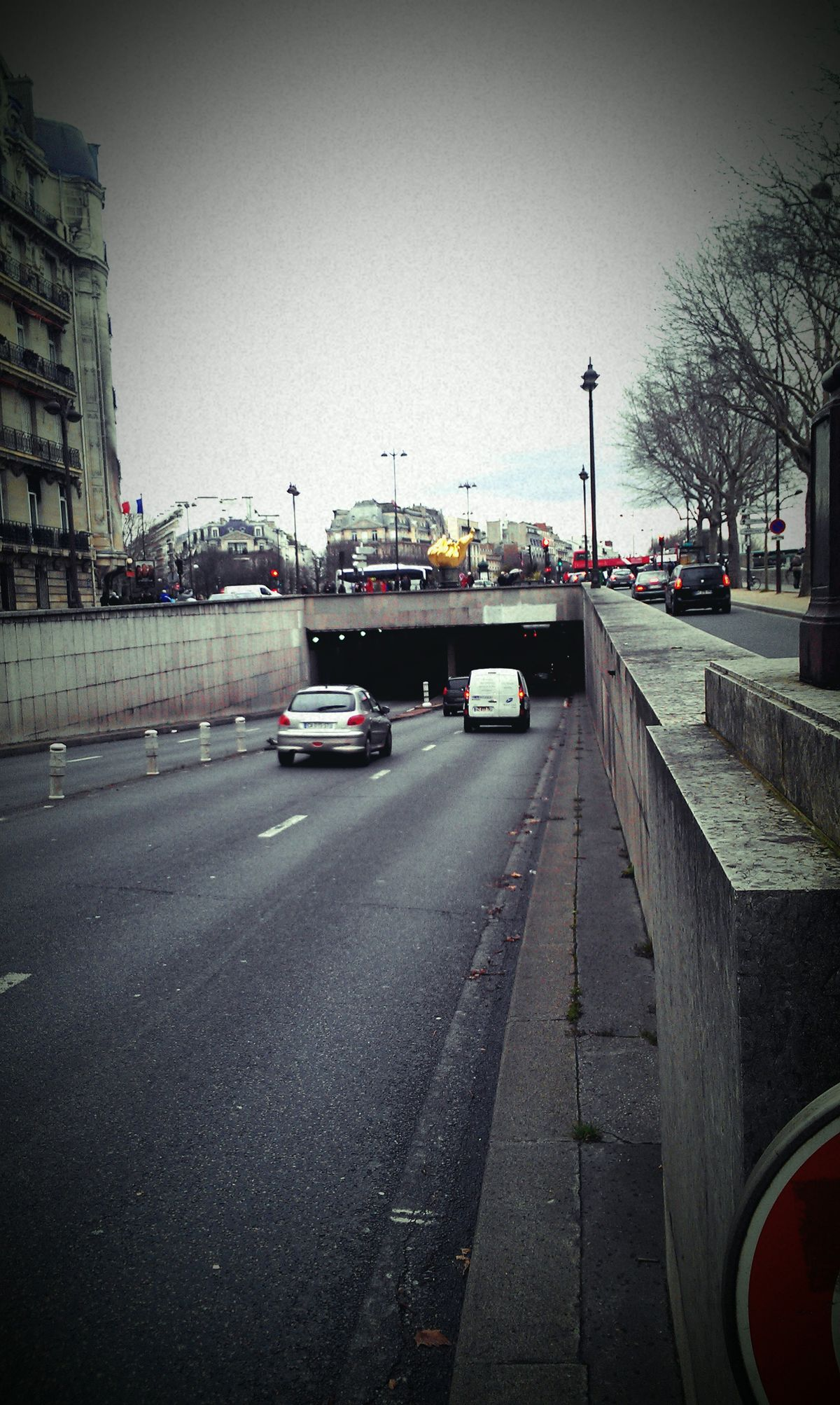
The Mercedes entered the Pont de l'Alma tunnel, a short underpass that carries traffic beneath the roundabout at the Place de l'Alma. The tunnel is not long, perhaps 400 metres, and it is not particularly dangerous. But the car was travelling too fast. The driver lost control. The Mercedes struck the thirteenth pillar of the tunnel, one of the concrete supports that line the roadway, then ricocheted into the tunnel wall. The impact was catastrophic. Dodi Al-Fayed and Henri Paul died instantly. Diana was alive but critically injured, trapped in the wreckage, her chest crushed against the back of the front seat. She was extracted from the car and rushed to the Pitié-Salpêtrière Hospital. Despite the efforts of the medical team, she died at 4:00 AM. The world woke up to the news that the People's Princess was gone.
The tunnel became a place of horror and pilgrimage simultaneously. Within hours, mourners began arriving. They could not enter the tunnel itself, which was closed for the investigation. But they could stand above it, at the entrance, where the Flame of Liberty rose from its marble pedestal. Someone left the first bouquet. Someone else left a photograph. Someone else wrote a message in marker on the base of the flame. The flame was not a memorial, but it became one, spontaneously, organically, irresistibly. The people decided, and the people's decision has never been reversed.
The Best Time to Visit: The memorial is accessible 24 hours a day. The quietest times are early morning, before 9:00 AM, when the traffic is light and the city is still waking up, or late evening, after 8:00 PM, when the Eiffel Tower sparkles and the Seine reflects the lights. The anniversary of her death, August 31, is the busiest day, when hundreds of mourners gather to leave flowers and pay their respects. For a private moment of reflection, visit on a weekday morning in spring or autumn.
Why the Tunnel? The Pont de l'Alma Before Diana
The Pont de l'Alma is not one of Paris's most famous bridges, not like the Pont Alexandre III with its gilded lamps and its Beaux-Arts exuberance, not like the Pont Neuf with its centuries of history. It is a functional bridge, built between 1854 and 1856, named for the Battle of Alma during the Crimean War. At its eastern end, at the Place de l'Alma, stands a statue of a zouave, a French soldier, that has become a informal marker of the water level of the Seine. When the river rises, the Parisians say, the zouave gets his feet wet. The bridge is known to locals, but it is not a tourist destination.
All of that changed on August 31, 1997. The tunnel beneath the roundabout became the most photographed underpass in the world. For weeks, television crews camped on the plaza above it. The graffiti that covered the walls, in French and English and dozens of other languages, became a global news story. The Flame of Liberty became a symbol not of Franco-American friendship but of sudden, senseless loss. Some Parisians resented the transformation. Others embraced it, seeing in the spontaneous memorial a reflection of the city's own history: Paris has always been a place where people leave flowers for strangers, where tragedy is met with beauty, where grief becomes art.
Today, the tunnel is again just a tunnel. The pillar that the Mercedes struck has been repaired. The concrete is smooth. But if you know where to look, you can still see the dark patch where the paint was scorched by the impact. The authorities have considered placing a plaque, but so far they have not, perhaps out of respect for the family, perhaps because the flame itself is plaque enough.
The Unofficial Memorial: Flowers, Messages and Graffiti of Love
If you visit the Flame of Liberty today, you will see what looks at first like graffiti. The surface of the flame is covered with handwritten messages, some in English, many in French, some in languages you will not recognise. 'Diana, we remember.' 'Thank you for everything, Princess.' 'The world will never forget.' 'Rest in peace with your angel wings.' These are not acts of vandalism. They are love letters, written by strangers, left for a woman they never met but whose death felt personal. The city of Paris has tried to remove the messages, to clean the monument and restore it to its original state. But the messages return within days. The city has given up. The messages are now part of the monument itself.
At the base of the flame, you will find fresh flowers, photographs, candles, toys, poems, postcards, flags, teddy bears. The offerings change with the seasons, with the weather, with the news. In the days after the death of Queen Elizabeth II, the pile of tributes grew larger. On the anniversary of Diana's birth, the flowers are pink and white. Children leave drawings. Teenagers leave bracelets. Elderly women leave handkerchiefs, folded neatly, as if for a funeral. You should take nothing. You should leave nothing but your presence and, if you wish, a flower. Do not leave anything that cannot biodegrade. The caretakers who maintain the memorial work hard to keep it beautiful, and they are volunteers, doing it for love.
The most touching tradition is the letters. Every day, people tuck handwritten letters into the crevices of the flame, into the gaps between the marble and the copper. Some are written on hotel stationery, some on torn notebook paper, some on fancy parchment. They are addressed to 'Diana', to 'Princess', to 'Your Royal Highness', to 'Mummy'. They speak of gratitude, of sorrow, of personal loss. 'I named my daughter after you.' 'Your courage saved my marriage.' 'You were the mother I never had.' Reading them is an intrusion, so do not read. Simply notice that they exist, and know that the grief of the world is still here, still real, still finding its way to this small plaza above a tunnel in Paris.
Respectful Visiting: The Flame of Liberty is a place of mourning for many people. Speak quietly, move slowly, and do not treat it as a photo opportunity for social media. A photograph of the flame and the flowers is acceptable. A selfie with the flame is not. The volunteers who tend the memorial have seen tourists pose and smile in front of it, and they will not stop you, but they will judge you. Do not be that tourist. Be the one who stands quietly, reads a few of the messages, and leaves a flower.
The Legend and the Conspiracies
No discussion of the Flame of Liberty would be complete without acknowledging the conspiracies that have grown up around Diana's death. The official investigation concluded that Henri Paul was intoxicated, that the car was travelling too fast, that the paparazzi chasing the Mercedes contributed to the accident but did not cause it. But not everyone accepted the official story. The night of the accident, the flame was not yet a memorial, but it quickly became the focus of conspiracy theorists. Some noted that the flame is a replica of the Statue of Liberty's torch, and that the Statue of Liberty was a Masonic symbol. Others claimed that the number 13, the pillar that the car struck, was significant. Others insisted that the flame was placed there deliberately, years before the accident, by some shadowy hand. None of these claims have any basis in fact, but they persist, because the death of a beloved princess feels like it should mean something, and random chance is a hard thing to accept.
The most curious legend concerns the flame itself. Some visitors claim that the flame flickers, that it moves, that it is not a static sculpture but something alive. The flame is made of copper, of course, and copper does not flicker. But on certain evenings, when the wind blows from the south and the reflections of the cars passing on the bridge dance across the surface of the metal, the flame appears to move. It is an optical illusion, but it is a beautiful one. And in a city that has perfected the art of beautiful illusions, perhaps that is enough.
What to See Nearby: The Eiffel Tower and the Seine
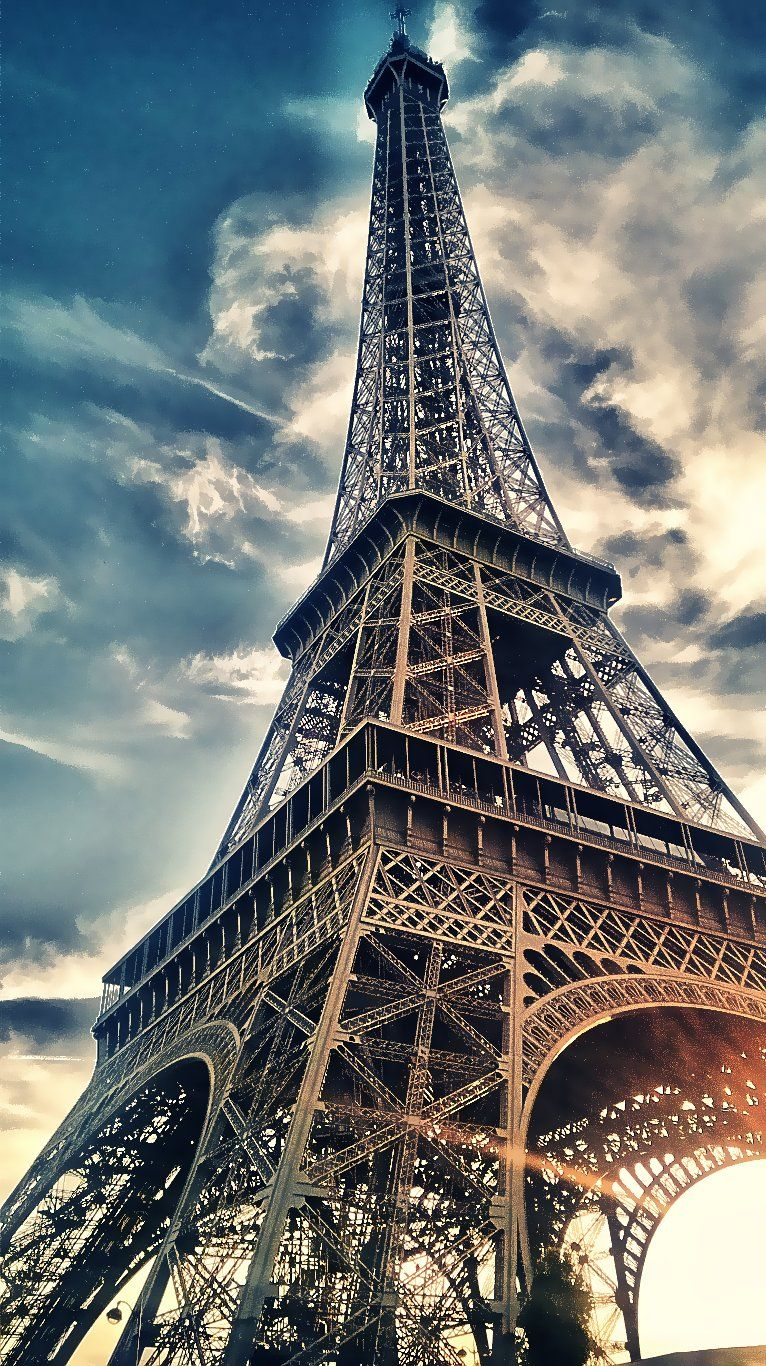
The Flame of Liberty is not far from the Eiffel Tower. From the memorial, you can see the tower rising above the roofs of the 7th arrondissement. It is a ten-minute walk across the Pont de l'Alma, past the Bateaux-Mouches docks, along the Quai Branly. The tower is free to look at, of course, though climbing it costs money. The view from the Trocadéro, across the Seine, is the classic postcard view, and it is free. Walk to the Trocadéro in the evening, when the tower sparkles on the hour, and watch the lights dance across the iron lattice. It is one of the great free experiences of Paris.
The Seine itself is right there, flowing past the memorial, past the bridge, past the Bateaux-Mouches that carry tourists up and down the river. You can walk along the quay for free, and you should. The bookstalls, the bouquinistes, are open along the left bank, selling vintage posters, old books, postcards and prints. The walk from the Pont de l'Alma to the Musée d'Orsay is beautiful, passing the Assemblée Nationale, the grand Palais Bourbon, and the graceful curve of the river. It takes about twenty minutes, and it is one of the most pleasant walks in Paris.
If you have time, cross the river to the left bank and explore the 7th arrondissement, one of the most elegant neighbourhoods in Paris. The Rue Cler, a pedestrian market street, is a short walk from the bridge. It is lined with cheese shops, bakeries, butchers and wine merchants. You can buy a baguette, a piece of cheese and a bottle of wine, and have a picnic on the Quai de la Tournelle. In Paris, a picnic is not a compromise. It is a ritual.
Where to Eat and Drink Near the Memorial
The area around the Pont de l'Alma is not the culinary heart of Paris, but there are good options. For a quick lunch, try the Café de l'Alma at 10 Avenue de l'Alma, a classic Parisian brasserie with outdoor seating and a view of the Eiffel Tower. The croque-monsieur is excellent, the salad Niçoise is fresh, and the coffee is strong. For a more substantial meal, walk to the Rue de l'Université, where you will find Le Florimond, a bistro that has been serving classic French cuisine since 1965. The boeuf bourguignon is legendary, and the chocolate mousse is handmade.
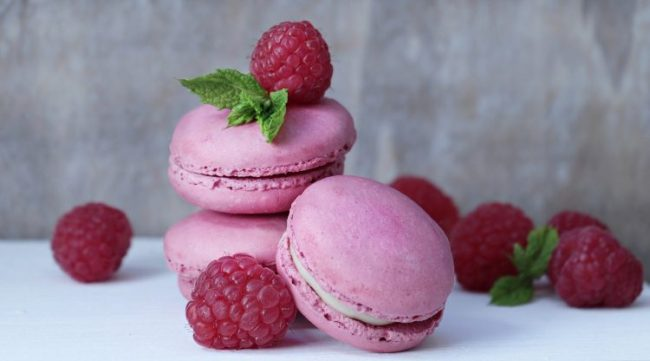
For dessert, you cannot leave Paris without a macaron. The nearest shop to the memorial is Ladurée at 21 Rue de l'Arcade, about a fifteen-minute walk. The macarons are expensive but perfect: crisp on the outside, chewy on the inside, flavoured with rose, pistachio, salted caramel and dozens of other subtle variations. Buy a box, sit on the Quai de la Seine, and watch the boats go by. It is a small luxury, and it costs less than five euros.
'People have said to me, "You must be very brave to carry on." That question in itself is not the bravest thing. Bravery is not being afraid of what is around the corner. Bravery is not being afraid of the future. Bravery is not being afraid of what people think of you.' — Diana, Princess of Wales
Practical Information for Your Visit
Getting to Paris: Paris is served by three major airports. Charles de Gaulle Airport (CDG) is the largest, located approximately 25 kilometres northeast of the city. Orly Airport (ORY) is 13 kilometres south of the city. Beauvais Airport (BVA) is 85 kilometres north, used primarily by low-cost carriers. The most comfortable way to reach the city centre is by private airport transfer, especially if you have luggage. Public transport options include the RER B train from CDG and Orly, and shuttle buses from Beauvais.
Getting to the Memorial: The Flame of Liberty is located at the intersection of Avenue de New York and Avenue de l'Alma, in the 8th arrondissement. The nearest metro station is Alma-Marceau on Line 9. From the station, exit toward the Seine, cross the Place de l'Alma, and you will see the flame on the small plaza above the tunnel. The memorial is free to visit and is accessible 24 hours a day.
Best Time for a Visit: Spring (April, May) and autumn (September, October) are ideal. The weather is mild, the crowds are smaller than in summer, and the light on the Seine is extraordinary. August is crowded and hot, but August 31 is the anniversary of her death, and many mourners gather. Winter is cold, but the memorial is quieter, and the contrast between the golden flame and the grey sky is striking.
What to Bring: A flower, if you wish to leave one. A camera for the Eiffel Tower view. A scarf for the wind off the Seine. And a quiet, respectful heart. The Flame of Liberty is not a tourist attraction. It is a place of memory, of loss, of love. Remember that as you stand before it.
Comments
No comments yet. Be the first to share your thoughts!
Leave a Comment
Your comment will appear after moderation.