 Michelle
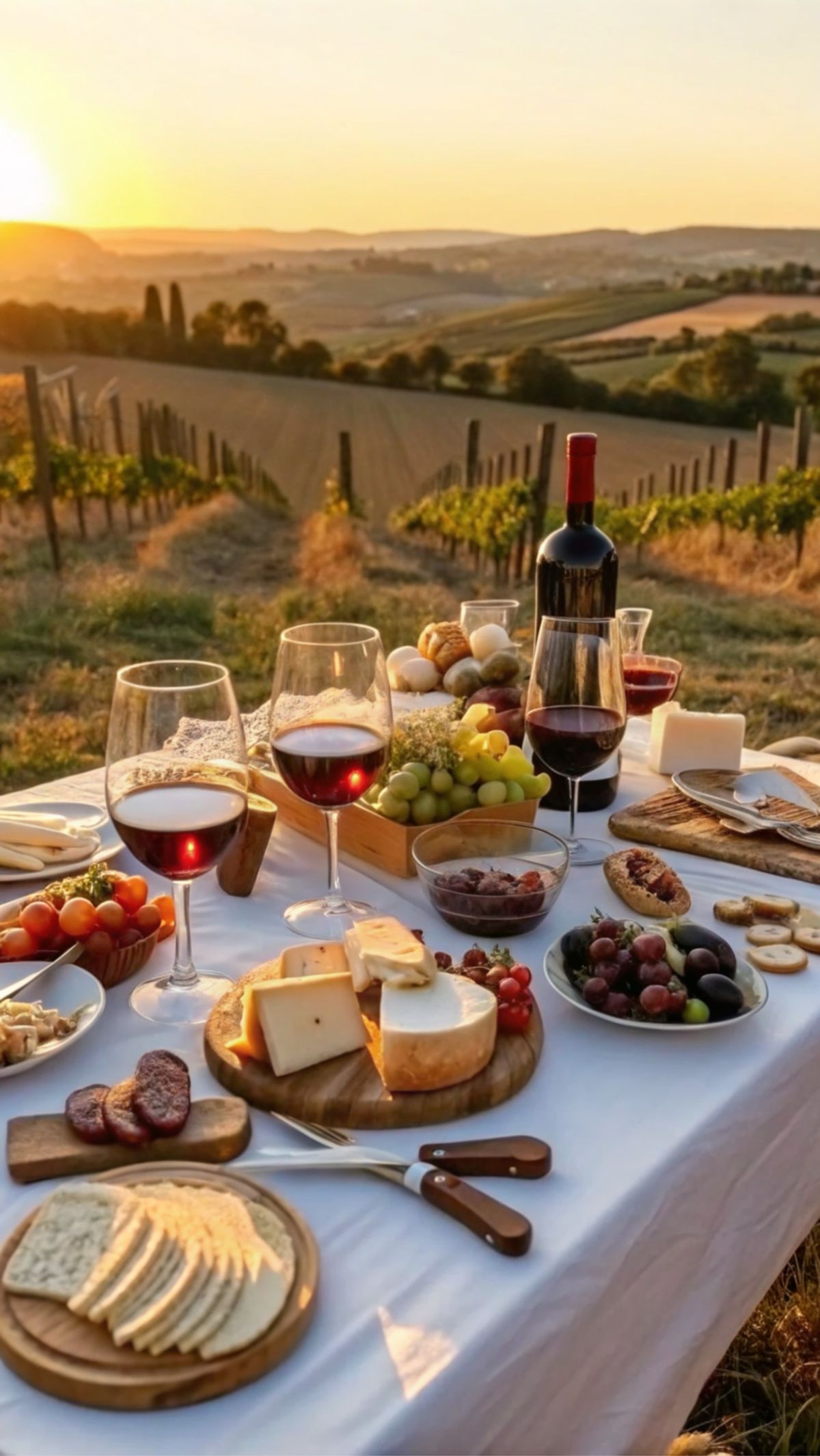
 There is a case to be made that Burgundy is the greatest food and wine region on Earth. Not the flashiest, not the most photographed, not the one that floods social media with perfectly plated tasting menus and three-hour queues. But the greatest in the sense that matters most: the region where the land, the climate, the history and the culture have conspired over centuries to produce a gastronomic civilisation so coherent and so deeply felt that every dish on the table and every wine in the glass belongs unmistakably to the same place. Burgundy does not simply produce great food and wine. It is defined by them. And if you visit it properly, eating your way through its markets, cellars, village auberges and old-fashioned restaurant tables draped in white linen, it will define something in you too.
1. Boeuf Bourguignon: Two Days of Patience and a Bottle of Good Pinot Noir
Any serious account of Burgundian cooking must begin where the region's culinary reputation was built: with boeuf bourguignon, the slow-braised beef stew that has become, for much of the world, synonymous with French cooking itself. And yet the version most people know, eaten in restaurants outside France or assembled in under an hour at home, bears only a passing resemblance to the dish as it is made in Burgundy, where it is taken with a seriousness bordering on the devotional.
The beef comes from Charolais cattle, the white-coated breed that has been raised on the limestone pastures of the Burgundy region for centuries and is considered by many French butchers to be the finest beef animal in the country. The meat is cut into generous pieces, never too small, and braised in a whole bottle of full-bodied Burgundy red wine alongside lardons of smoked pork, pearl onions, button mushrooms, garlic, potatoes, carrots and a bouquet garni: the small bundle of thyme, bay leaves and parsley tied together so it can be removed whole before serving. The dish is then cooked not for an hour, and not for two, but for two full days at a very low temperature, the flavours deepening and the meat becoming so tender it barely holds its shape. The resulting sauce should be dark, glossy and intensely concentrated, coating the meat and vegetables like a velvet cloak.
The proper accompaniment is a glass of whatever wine was used in the cooking. The French conviction that you cook with wine you would be happy to drink is never more relevant than here. A modest village-level Gevrey-Chambertin or a Cote de Nuits Villages is entirely appropriate and will make itself felt in the depth of the finished sauce.
Common tourist mistake: Ordering boeuf bourguignon at a restaurant near the main tourist sites without checking its provenance. A genuine version always specifies Charolais beef and requires two days of preparation. If the menu does not mention the breed and the restaurant is clearly set up for rapid turnover, it is worth asking. The real thing is worth seeking out with determination.
2. Escargots de Bourgogne: Garlic Butter, Fresh Parsley and a Glass of Chablis
If boeuf bourguignon is the soul of Burgundian cooking, then escargots de Bourgogne are its most audacious gesture: the declaration that this region does not simply use the finest available ingredients, but reaches for the ones that require the most confidence to transform into something sublime. The Burgundy snail, Helix pomatia, has been eaten here since Roman times, and the traditional preparation has been refined over centuries into one of the most recognisable dishes in the world.
The snails themselves are big, plump and remarkably sweet in flavour, with a texture that, when properly prepared, is tender and yielding. They are stuffed back into their shells with a generous compound butter of pureed garlic and finely chopped flat-leaf parsley, then baked until the butter is bubbling and intensely fragrant. You can also find them prepared with garlic oil and parsley cream for a lighter effect, or with a finishing touch of lemon and creme fraiche. But the classic version, butter and garlic and parsley in proportions that are generous to the point of extravagance, remains the most deeply satisfying.
They arrive at the table in a special ceramic plate with six or twelve round holes, one snail per cavity, accompanied by snail tongs to grip the shell and a small narrow fork to pry out the flesh. The technique takes a few attempts to master but rewards persistence, not least because the real prize is what remains in the shell once the snail is gone: a small pool of intensely flavoured, garlic-dark butter that demands to be scooped out with a piece of baguette and eaten with the kind of unselfconscious pleasure that defines eating well in France. The Burgundy snail is exported worldwide, and with good reason. Big, sweet and unlike anything else, it earns its reputation every time.
What to drink with escargots: The classic pairing is a glass of Chablis, the bone-dry, steely Chardonnay produced just north of the main Burgundy wine districts. Its minerality and fresh acidity cut through the richness of the butter beautifully. If Chablis is not available, any young, unoaked Burgundy white will do the job well. Avoid red wine with escargots: the tannins fight the butter and neither wins the argument.
3. Fondue Bourguignonne and Coq au Vin with Bresse Chicken
Burgundy's gastronomic tradition extends well beyond its two most celebrated dishes. Fondue bourguignonne is a revelation for visitors who associate fondue exclusively with melted cheese: here, the communal pot at the centre of the table contains hot oil, and the ritual is one of dipping chunks of raw beef into the oil using long-handled fondue forks, cooking them to your preferred degree of doneness and then moving them with a regular fork to a spread of accompanying sauces. Once you have removed the cooked meat from the oil, you dip each bite into whichever sauce takes your fancy: a sharp, creamy Dijon mustard sauce; a deeply earthy truffle and mushroom sauce; a bold blue cheese sauce; and a pepper sauce with a long, building heat that lingers on the palate long after the meal. The procedure is convivial and unhurried by nature, a dish designed for a long table, good conversation and a generous supply of red Burgundy to accompany it.
Coq au vin is one of those dishes whose worldwide celebrity has almost obscured how extraordinary it is when made properly in its region of origin. The Burgundian version begins with the chicken: specifically, the Bresse chicken, distinguished by its white feathers, fine blue feet, red wattles and remarkably fine, white flesh. Bresse chickens are the only poultry in France to hold their own Appellation d'Origine Controlee, and they are considered by many serious French cooks to be the finest table bird in the world. The chicken is marinated for a full day in red Burgundy wine before being braised slowly with herbs, tender pearl onions and mushrooms, creating a sauce of extraordinary depth and a meat so tender it barely needs cutting. Simple, rustic and absolutely compelling.
Best time to visit Burgundy for food and wine: September and October are transformative months. The grape harvest fills the vineyards with pickers and the air with the smell of crushed grapes. Markets overflow with wild ceps and girolles, game birds and Epoisses cheese at the peak of its ripeness. The Hospices de Beaune wine auction in November is one of the most important gastronomic events in the French calendar. Spring from April to June brings asparagus season, the first strawberries and outdoor market culture at its most vibrant.
4. Gougeres, Kir and the Burgundian Art of the Aperitif
No visit to a Burgundy wine cellar is complete without encountering gougeres, and once you have eaten your first one, still slightly warm from the oven, you will understand immediately why they have been the canonical accompaniment to wine tasting in this region for generations. A gougere is a savoury cheese puff made from choux pastry, the same light, egg-rich dough used for eclairs and cream puffs, mixed generously with grated cheese. Traditionally the cheese is Gruyere, Comte or Emmentaler, melted into the dough before baking so that it flavours the pastry throughout and creates a golden, slightly crisp exterior with a hollow, airy interior.
In the wine cellars along the Route des Grands Crus, gougeres are typically served cold as hors d'oeuvres while you taste, their mild, creamy savouriness providing an excellent counterpoint to the acidity and tannin of the wines. In restaurants and bistros, they arrive warm as an amuse-bouche or as an appetiser with a glass of kir, the aperitif invented in Dijon by Canon Felix Kir in the 1940s: a splash of local cassis liqueur topped with a glass of dry white Burgundy, typically Aligote. The colour is a beautiful rose-pink and the flavour is refreshing and gently sweet.
Gougeres are sometimes elevated further with fillings: braised beef, diced ham, sauteed mushrooms or a spoonful of Dijon mustard mixed into the pastry. Baked in a ring or a pie tin, they make a splendid shared dish in their own right. But the purist position holds that the plain unfilled gougere, eaten in a cold cellar with a glass of something young and mineral from the barrel, is one of the small, perfect pleasures of French gastronomic life.
5. Pears Poached in Red Wine: The Dessert Auguste Escoffier Gave the World
The great Burgundian meal deserves an equally great ending, and in this region that ending has, for over a century and a half, taken the form of poires au vin rouge: pears poached in red wine with a syrup of spices and vanilla. The dish was invented in 1864 by Auguste Escoffier, arguably the most influential chef in the history of French cooking, and it has remained one of the most elegant and deeply satisfying desserts in the classical French repertoire.
The pears are peeled whole and submerged in a syrup of red Burgundy wine, sugar, a cinnamon stick, a vanilla pod and cloves. They poach slowly until completely tender and deeply coloured, their flesh absorbing the wine and spice until they are transformed from something raw into something silky, warmly fragrant and a deep, jewel-like ruby red. They are served at room temperature or slightly chilled, with a scoop of vanilla ice cream and dark chocolate sauce poured over at the table. Traditionally the dish was garnished with crystallised violets; today you will often find it decorated with slivered almonds, fresh berries and a dusting of icing sugar. In all its versions it is, in the right setting, with the right wine already behind you and a long, unhurried meal coming to its natural close, heaven on a plate. Escoffier would approve.
Common tourist mistakes in Burgundy: Visiting only Beaune and Dijon and missing the villages of the Cote de Nuits entirely. Some of the finest cooking in the region is found in small village auberges in Gevrey-Chambertin, Vosne-Romanee and Chambolle-Musigny that appear in no guidebook. Ask your hotel or wine estate host where they eat on a Sunday. The answer will rarely disappoint. And always designate a driver when visiting wine estates: the wines are too good to be tasted under the pressure of a car key in your pocket.
6. The Wines of Burgundy: Five Districts, 101 Appellations, One Extraordinary Landscape
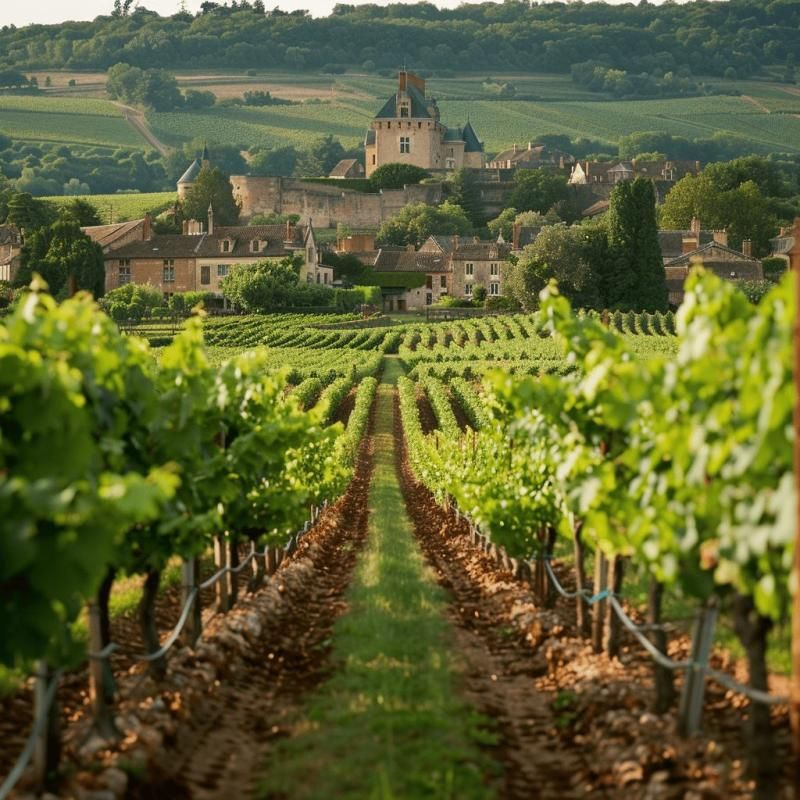
Burgundy's vineyards extend south for approximately 150 miles from Dijon to Macon. Within this long corridor of east-facing hillside, more than 4,600 wineries produce 101 different wines across five main wine districts, each with its own geology, microclimate and roster of celebrated producers. These wines are used abundantly in the regional cooking: the same Pinot Noir that fills your glass is the one used in the boeuf bourguignon and the coq au vin. The relationship between wine and food in Burgundy is not one of pairing theory. It is one of shared identity.
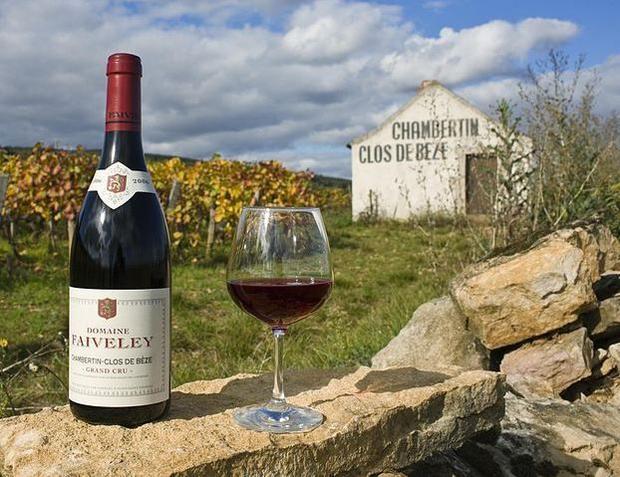
Chablis, the northernmost district, produces the driest and most mineral of all Burgundy whites from Chardonnay grown on Kimmeridgian limestone, giving the wine its extraordinary stony, almost saline character. The Cote de Nuits, running south from Dijon, is the heartland of Burgundy Pinot Noir: Gevrey-Chambertin, Chambolle-Musigny, Vosne-Romanee, Nuits-Saint-Georges. These are wines of extraordinary complexity. The Cote de Beaune produces the finest white wines in the world: Meursault, Puligny-Montrachet and Chassagne-Montrachet. The Cote Chalonnaise offers excellent quality at more accessible prices. The Maconnais, furthest south, is the home of Pouilly-Fuisse and Macon-Villages, approachable, fruit-forward Chardonnays that are among the most enjoyable everyday whites in France. Beyond these principal varieties, the region also produces wines from Merlot and Cabernet grapes in the Bordelais style, and the exquisite nectars of the Cote de Nuits remain among the most sought-after bottles in the world.
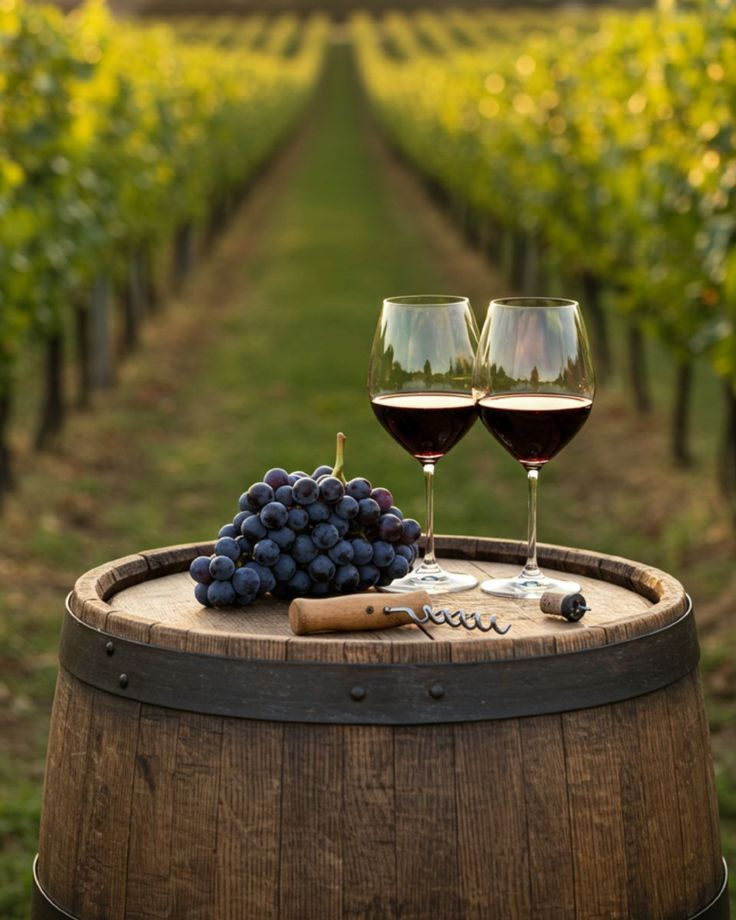
To drink a great Vosne-Romanee alongside a proper boeuf bourguignon in Burgundy is to understand, without needing any further explanation, why this region has been considered the gastronomic heart of France for five hundred years. The wine and the food are not two things. They are one.
7. The Mustard of Dijon: A Gastronomic Classic and Where to Buy It at Its Best
No visit to Burgundy is complete without a serious engagement with its most famous condiment. Dijon mustard is a gastronomic classic recognised across the world, and yet the versions most people encounter outside France are shadows of what the real thing, made by a specialist producer in Dijon, actually tastes like. The name describes both a place and a production method: mustard seeds are blended with vinegar, then ground to a perfectly smooth, pale yellow paste. Its distinctive taste, clean and hot on the sinuses rather than the palate, with a complexity that lingers well after the initial impact, is what makes it irreplaceable as both an accompaniment and a seasoning. It is used throughout Burgundian cooking with chicken, beef, fish and rabbit, and in the classic cream sauces of the region.
The largest and most celebrated producer is Grey Poupon-Maille, whose boutique on the Place de la Liberation in Dijon is one of the most rewarding food shopping stops in France. Mustards are sold from enormous gleaming vats, mixed to order in front of you, in dozens of flavours: Chablis wine, old vine Burgundy Pinot Noir, black truffles, tarragon, herbes de Provence, green peppercorns and many more. You can buy in beautiful ceramic crocks that keep the mustard fresher than a glass jar and make exceptional souvenirs. The shop also stocks a full range of Burgundian condiments and recipes, and the staff are genuinely enthusiastic about helping you choose.
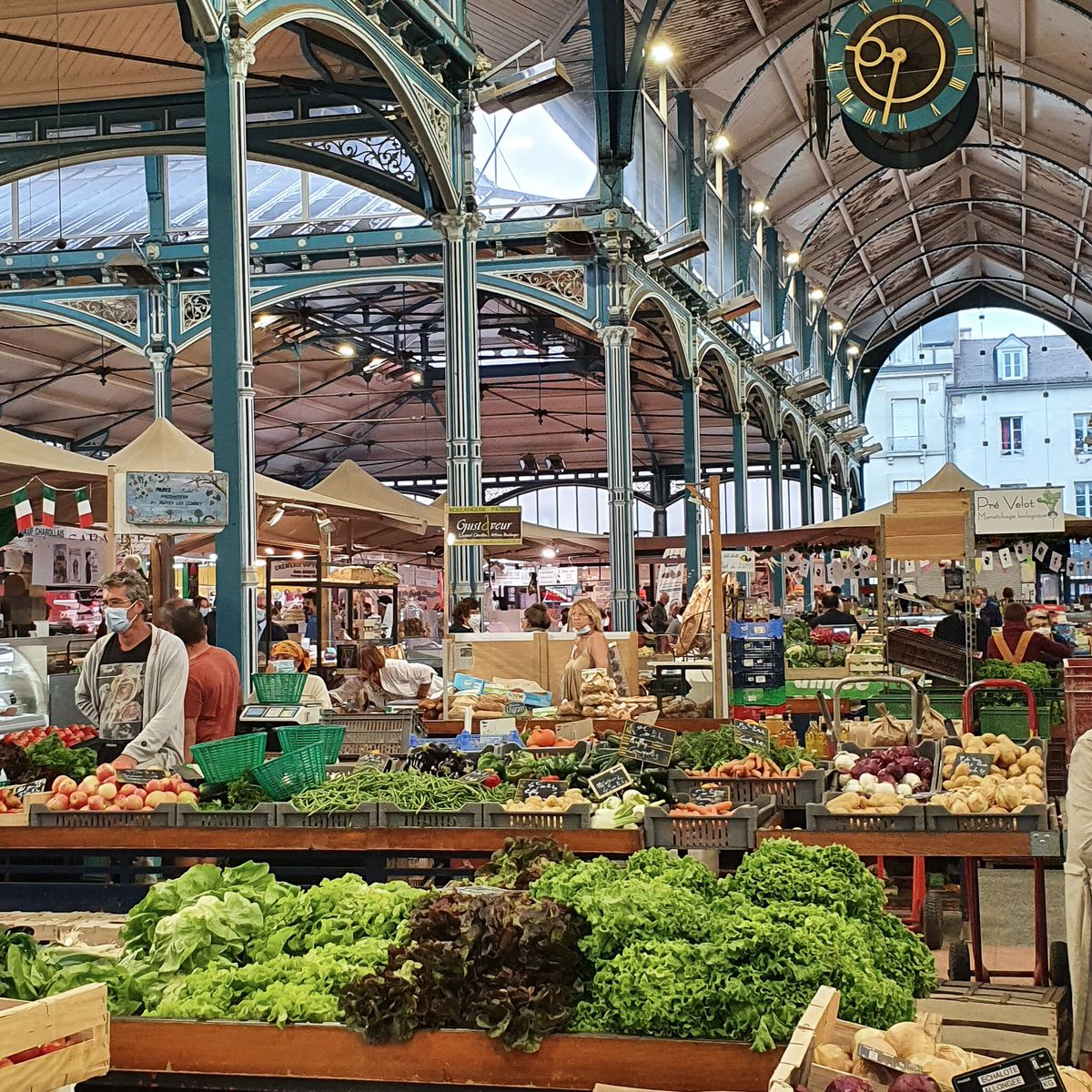
Food tip for buying mustard in Dijon: Visit the Maille boutique on a weekday morning rather than a Saturday afternoon to avoid the tour group crowds. Ask to taste three or four varieties before you choose: the Chablis-flavoured version is particularly good with fish and shellfish, while the old vine Pinot Noir mustard pairs beautifully with red meat. Take a ceramic crock rather than a jar, and do not refrigerate it once opened. Good Dijon mustard is best kept at cool room temperature, where its flavour develops rather than stalls. And do not leave Dijon without walking through the Halles de Dijon covered market, where local producers sell their own versions with far less fanfare and equally impressive results.
Getting to Burgundy: Arriving in Style and Ready to Eat
Burgundy sits in the heart of eastern France, easily accessible from Paris by high-speed rail and from the rest of Europe via Lyon-Saint Exupery Airport (LYS), which receives direct flights from London, Amsterdam, Brussels, Rome, Madrid and beyond. From Lyon Airport, a private airport transfer to Beaune takes approximately one hour and to Dijon approximately one hour and ten minutes. It is by far the most comfortable way to arrive, particularly if you are travelling with wine purchases, significant luggage or simply want to begin the journey in a mood appropriate to the pleasures that await.
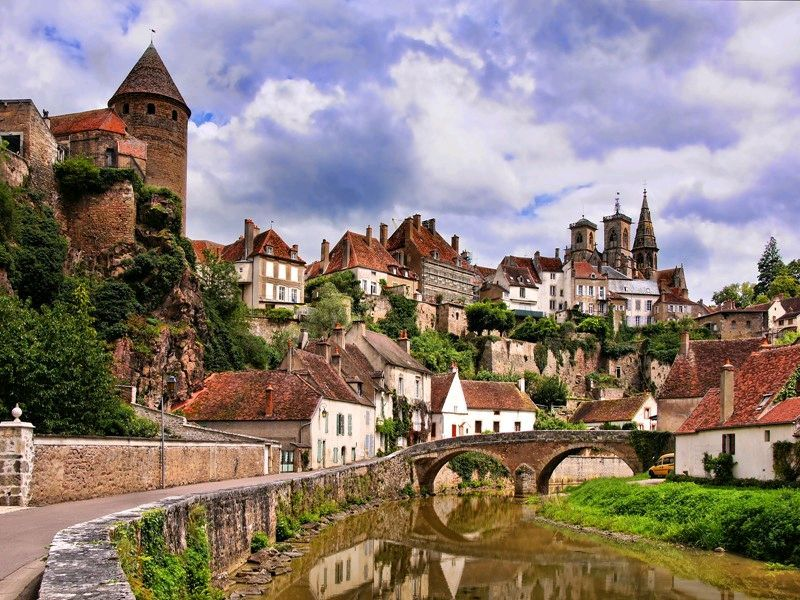
From Paris, the TGV from Gare de Lyon reaches Dijon in approximately one hour and forty minutes, making a long weekend in Burgundy entirely manageable even from the capital. Beaune is a further thirty minutes by regional train and is the natural base for exploring the wine country: a beautifully preserved medieval town with an excellent range of wine bars, specialist food shops and restaurants, and the magnificent Hospices de Beaune at its centre.
Comments
No comments yet. Be the first to share your thoughts!
Leave a Comment
Your comment will appear after moderation.