 Michelle
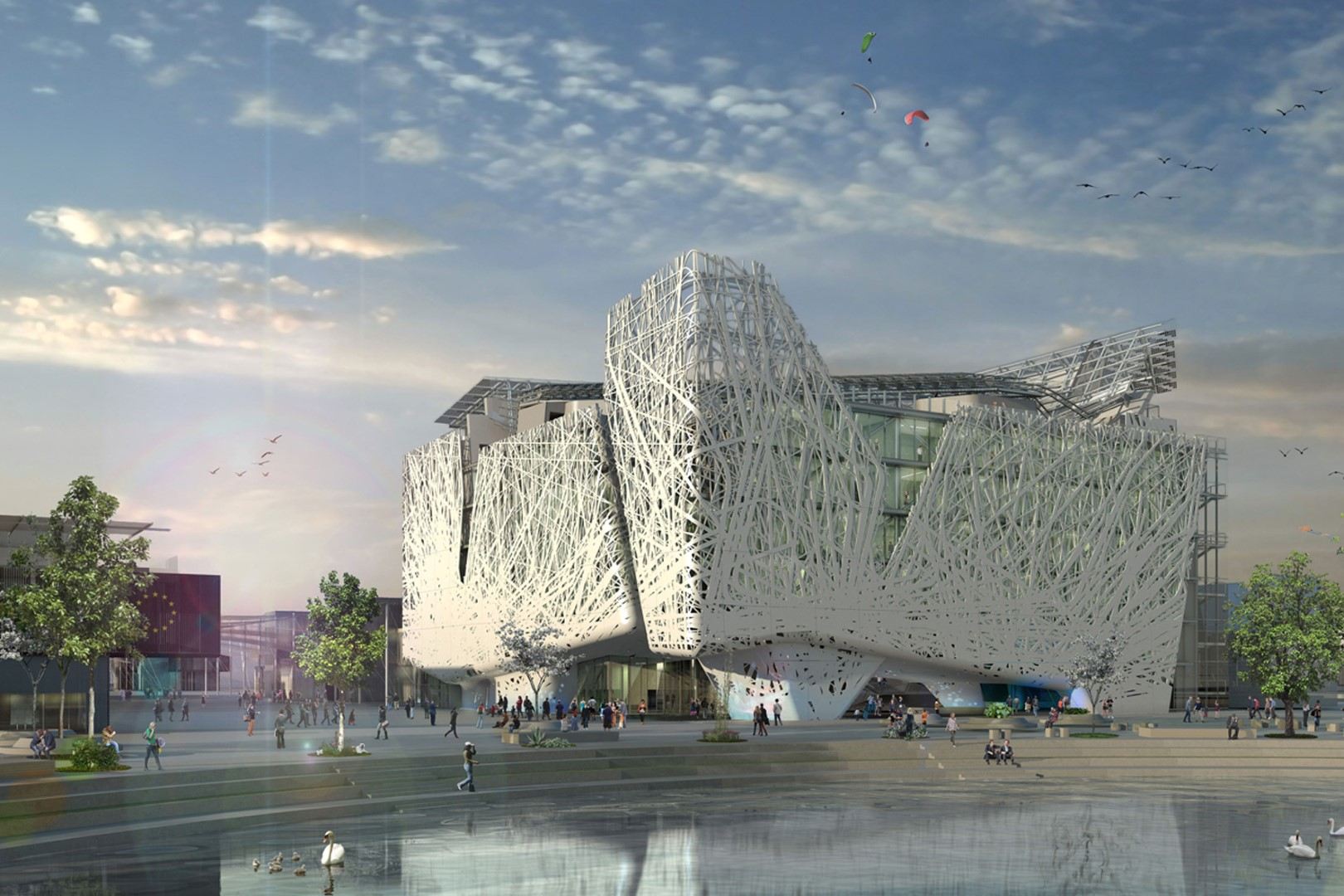
 In the spring of 2015, Milan hosted the Universal Exposition, one of the world's most prestigious international events, under the ambitious theme of Feeding the Planet, Energy for Life. One hundred and forty-five countries participated, each presenting its vision of the future of food, sustainability and urban living in pavilions of extraordinary variety and ambition. Among all of them, one stood out: not merely as the most architecturally remarkable, not merely as the most technologically innovative, but as the most genuinely Italian in its combination of beauty, intelligence and a particular determination to make something that would endure. The Palazzo Italia, designed by Rome-based Nemesi and Partners, was an urban forest that purified the air, generated its own electricity and was built to last. It remains one of the most extraordinary sustainable buildings constructed in Italy in the twenty-first century.
1. The Milan Expo 2015: Feeding the Planet, Energy for Life
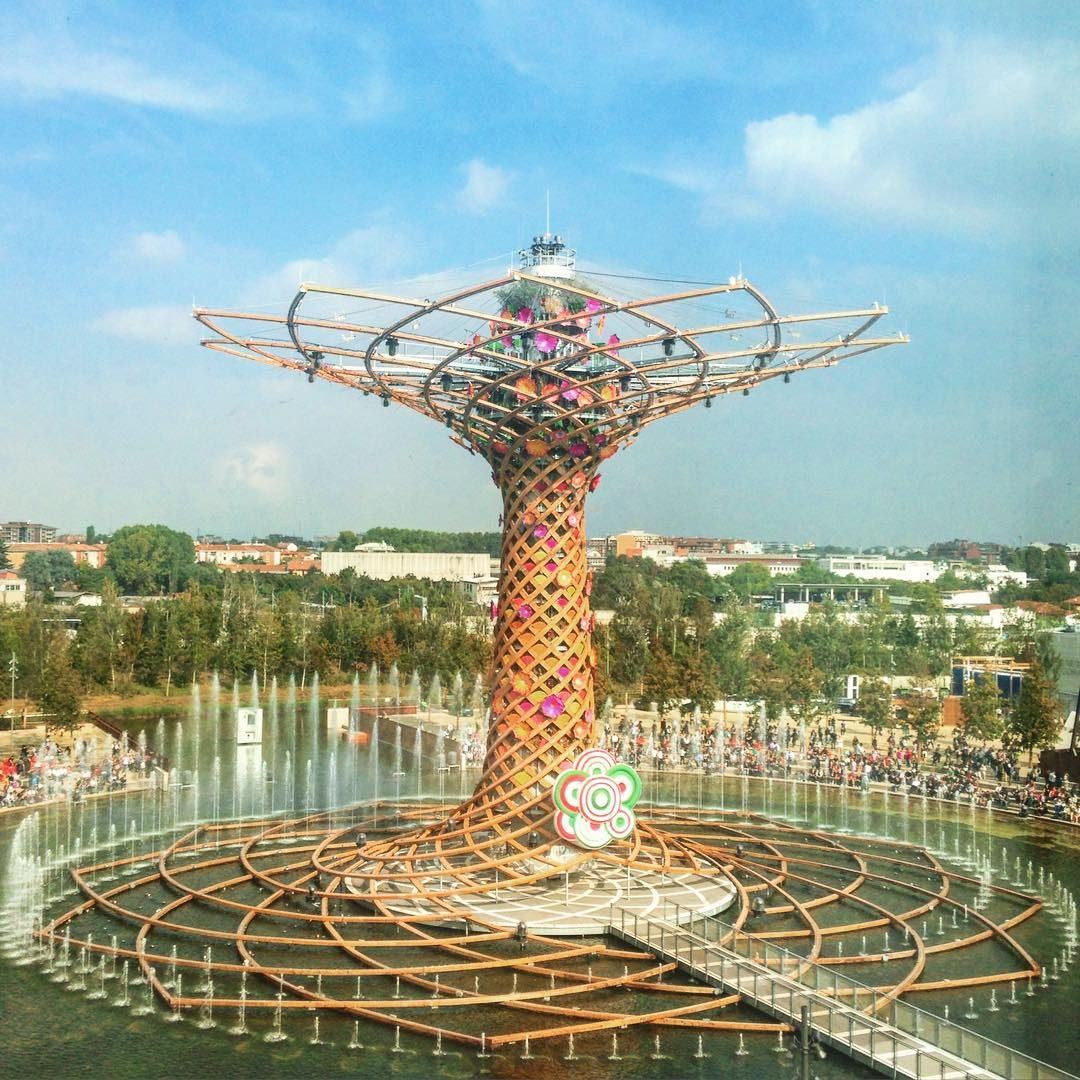
The Universal Exposition of Milan 2015, running from the first of May to the thirty-first of October, was the largest Expo in history by the number of participating countries and one of the most ambitious in its stated ambitions. The theme, Feeding the Planet, Energy for Life, addressed one of the most urgent and most complex challenges facing humanity in the twenty-first century: how to feed a global population of nine billion people by 2050, sustainably, equitably and without destroying the ecological systems on which all life depends. It was a theme that gave enormous latitude to architects and national pavilion designers, and the results ranged from the straightforwardly didactic to the genuinely visionary.
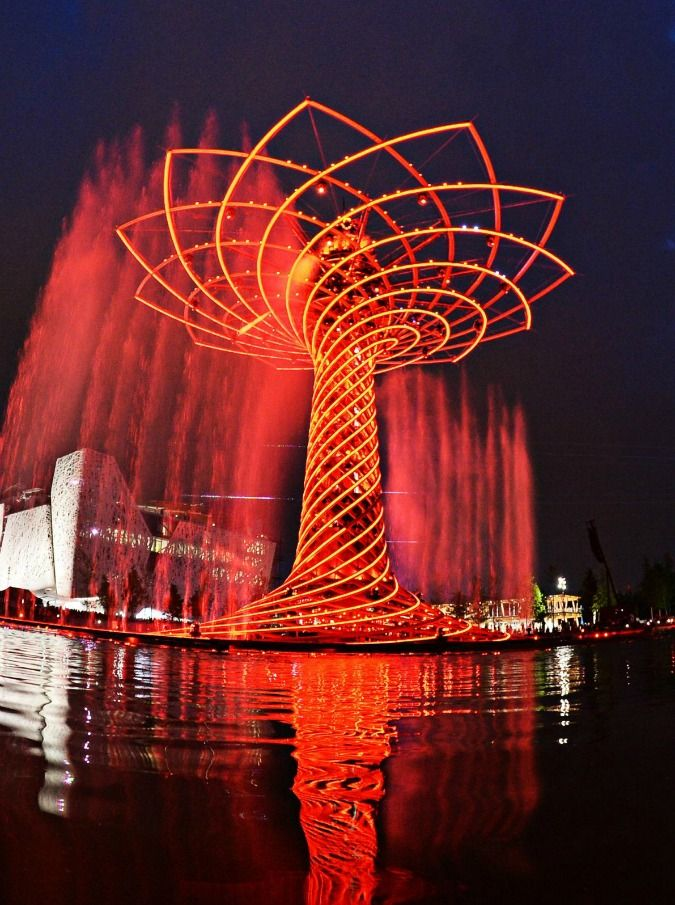
Milan itself, as host city, was transformed by the event. The Expo site at Cascina Merlata in the northwest of the city covered an area of approximately 1.1 million square metres and was purpose-built for the occasion, with a new urban district of streets, squares and infrastructure that anticipated the post-Expo redevelopment of the area as a permanent urban neighbourhood. The main axis of the site, the Decumano, ran for approximately 1.5 kilometres from the main entrance to the lake at the western end, flanked by the national pavilions on either side, and the scale and the visual variety of the ensemble was unlike anything the city had seen since the great industrial exhibitions of the nineteenth century.
The Italian Pavilion, named the Palazzo Italia, occupied a prominent position on the site and was, from the moment its design was unveiled in 2014, recognised as the most ambitious and most technically complex of all the permanent structures on the Expo site. It was designed not merely for the Expo but for the decades that would follow: one of a handful of buildings on the site conceived as permanent, as an investment in the architectural and sustainable future of the city, and it was built accordingly.
Did you know? The Milan Expo 2015 attracted over 21 million visitors across its six months of operation, making it one of the most attended universal expositions in history. The theme of food and sustainability generated an extraordinary range of architectural responses, from Austria's pavilion, a dense indoor forest that produced its own oxygen, to the UK pavilion, a single sculptural hive structure designed by Wolfgang Buttress. The Palazzo Italia was among the few structures on the site designed and built to remain permanently after the Expo closed.
2. The Concept: An Urban Forest in the Heart of the City
Nemesi and Partners, the Rome-based architectural studio founded by Michele Molè, won the international competition for the design of the Italian Pavilion in May 2013, beating sixty-eight other entrants from across the world. The brief was to design a structure that would embody the spirit of the Expo's theme while expressing something essentially Italian: a building that would be beautiful, innovative, technically ambitious and, above all, honest about what Italy stands for in the world of design, craft and environmental thinking.
The concept that Nemesi developed in response was the urban forest: a building that would function not merely as a passive container for exhibitions and events, but as an active participant in the ecological life of the city around it, mirroring the role that trees and forests play in urban environments. Just as a forest purifies the air through photosynthesis and transpiration, just as it creates microclimate effects of cooling and humidity, just as it generates the visual complexity of a natural landscape through its branching structure, so the Palazzo Italia would do all of these things through its architecture and its materials.
The design concept draws on three interconnected references. The first is the petrified forest: the external facade evokes the image of trees frozen in stone, their branching forms translated into the geometric lattice of the cement panels, creating a surface of extraordinary visual complexity that changes with the angle of the light. The second is the Italian village: the internal organisation of the building around a central square, with four connected blocks providing different functions, reinterprets the civic structure of the traditional Italian borgo, the communal gathering place at the heart of every small town and village in the country. The third is the tradition of Land Art: the building is conceived as an architectural landscape, a work of art at the scale of the natural world, blurring the boundary between built and natural environment in a way that is both conceptually sophisticated and visually arresting.
3. The Biodynamic Cement That Purifies the Air
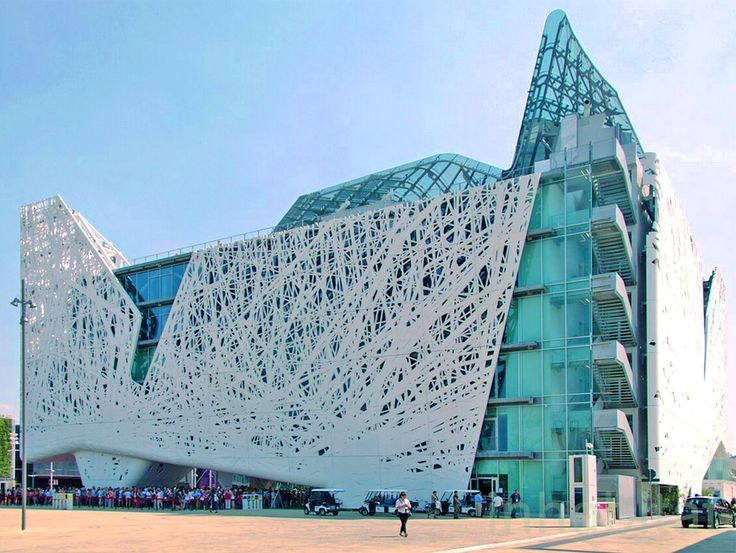
The most technically remarkable feature of the Palazzo Italia is its facade, and the most remarkable feature of its facade is the material from which it is made. The i.active BIODYNAMIC cement, produced by the Italian company Italcementi and used for the entire outer surface of the building as well as parts of the interior, is not merely an aesthetic choice: it is a functional environmental technology that turns the building into an active participant in the improvement of Milan's air quality.
The science behind the material is photocatalysis. The cement contains titanium dioxide, a photocatalytic compound that, when exposed to ultraviolet light from direct sunlight, triggers a chemical reaction on the surface of the material. This reaction breaks down nitrogen oxides, volatile organic compounds, benzene, formaldehyde and other gaseous air pollutants, converting them into harmless inert salts that are then washed away by rain. The process is entirely passive: no electricity is required, no maintenance is needed, and the catalytic action of the titanium dioxide is not consumed by the reaction, meaning the material continues to perform its air-cleaning function indefinitely as long as it receives adequate light.
The numbers are significant. The 900 panels of biodynamic cement cover approximately 9,000 square metres of facade surface, requiring an estimated 2,000 tonnes of cement to produce. In direct sunlight, this surface area of photocatalytic material is capable of degrading a substantial quantity of air pollutants each day, with the architects and Italcementi estimating an effect equivalent to removing several thousand cars from the surrounding streets. The rain then washes the resulting inert salts from the surface, keeping it clean and maintaining the efficiency of the photocatalytic action.
Perhaps equally remarkable is the composition of the cement itself. Approximately 80 percent of the material is made from recycled content, including offcuts and waste from the famous Carrara marble quarries of Tuscany, making the facade not only ecologically functional but ecologically produced. This combination of recycled content, photocatalytic air-cleaning performance and the aesthetic ambition of the branching geometric design represents one of the most complete integrations of sustainability and beauty in a building facade that has been achieved anywhere in the world.
How i.active BIODYNAMIC cement works: Titanium dioxide (TiO2) is a photocatalytic semiconductor that absorbs ultraviolet light and generates free radicals on the surface of the material. These free radicals react with nitrogen oxides (NOx), volatile organic compounds and other pollutants in the air, breaking their molecular bonds and converting them into water-soluble nitrates and other inert salts. The salts are then removed by rain. The reaction requires only sunlight and air: no additional energy, no chemicals, no maintenance. The same technology is used in self-cleaning glass, in hospital surfaces and in road surfaces in cities across Europe and Asia.
4. The Architecture: Structure, Light and the Italian Village
The Palazzo Italia is a six-storey building of approximately 13,000 square metres of gross floor area, its external dimensions approximately 70 metres long by 50 metres wide. The structure is organised around a central open square that functions as the primary circulation and gathering space of the building, accessed directly from the Expo site and providing the main entry point for visitors. This internal square, flooded with natural light from above and animated by the play of light and shadow from the branching facade panels, is the architectural heart of the building and the point from which all other elements of the interior radiate.
Four separate blocks surround and connect to the central square, each dedicated to a distinct function. The western block houses the main exhibition area, where Italy's contribution to the Expo theme of food and sustainability was presented across multiple levels of gallery space. The southern block contains the auditorium and events spaces, designed for conferences, performances and the programme of events that ran throughout the six months of the Expo. The northern block houses offices and administrative functions, and the eastern block provides conference and meeting rooms for the intensive programme of international dialogue that the Expo generated. The four blocks are connected by covered bridges that cross above the central square, creating a dynamic three-dimensional urban landscape within the building that the architects describe as a modern interpretation of the medieval Italian walled town.
The external facade is the element that makes the greatest visual impact and that has become the building's defining image. The branching geometric pattern of the cement panels creates a surface of extraordinary density and visual interest: from a distance the building appears almost organic, its skin resembling the interlocked branches of a forest canopy; from close up the precision of the geometric tessellation becomes apparent, revealing the engineering intelligence behind the apparent natural randomness. The shadows cast by the three-dimensional panels onto the surface behind them change throughout the day as the sun moves, creating a building that is never quite the same from one hour to the next and that in the late afternoon sun achieves a quality of warm, dappled light that is genuinely difficult to believe is the product of cement and geometry rather than living wood and leaves.
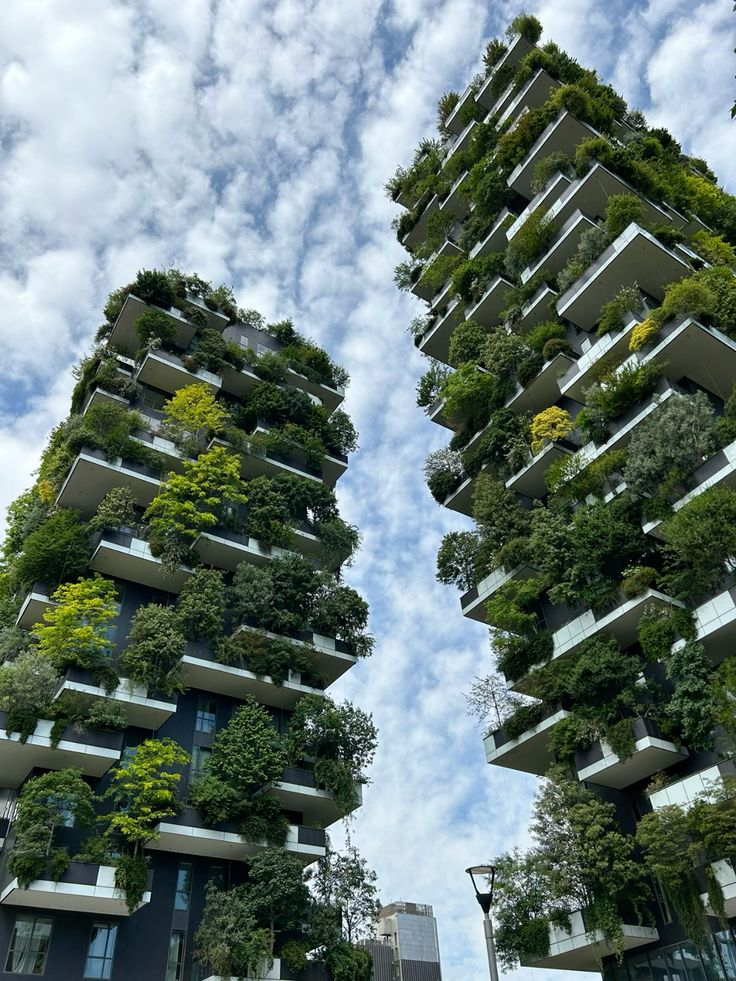
Common tourist mistake when visiting Milan: Spending all available time in the historic centre around the Duomo and the Galleria Vittorio Emanuele II without exploring the extraordinary contemporary architecture that has transformed the city in recent decades. The Porta Nuova district with its Bosco Verticale (the Vertical Forest by Stefano Boeri, winner of the International Highrise Award), the CityLife complex designed by three separate architects including Zaha Hadid, and the former Expo site at Cascina Merlata together represent one of the most ambitious programmes of urban regeneration undertaken by any European city in the twenty-first century and are as rewarding for the architecturally curious visitor as anything in the historic centre.
5. Energy Generation and the Full Sustainability Vision
The air-purifying cement facade is the most visible and most widely discussed sustainability feature of the Palazzo Italia, but it is far from the only one. The building was designed from the beginning to function as a comprehensive demonstration of what Italian technology and Italian design can achieve when applied to the challenge of sustainable architecture, and the full range of its environmental features represents a coherent integrated system rather than a collection of individual gestures.
The roof of the building is covered with photovoltaic glass panels, which harvest solar energy throughout the day and feed it into the building's electrical systems. The photovoltaic glass is not opaque like conventional solar panels but translucent, allowing diffused natural light to enter the building below while simultaneously generating electricity from the same sunlight. This combination of daylighting and energy generation from a single building element is one of the more technically sophisticated features of the design and one that contributes significantly to the building's overall energy balance.
The facade system serves a double function beyond its air-cleaning role: the depth and geometry of the cement panels create a complex pattern of solid and void that regulates the solar gain through the windows behind them, reducing the cooling load in summer while allowing the lower-angle winter sun to penetrate more freely. This passive solar design reduces the energy required for air conditioning during Milan's hot summers, which routinely see temperatures above 35 degrees Celsius and humidity that makes the heat oppressive. The result is a building that manages its thermal environment primarily through its skin rather than through mechanical systems, which is both more efficient and more elegant.
The sustainability consultant for the project, Livio De Santoli, worked with the architects and the engineering firms Proger and BMS Projects to ensure that the full range of sustainable technologies was integrated coherently into a building that could be delivered on time for the Expo opening. The engineering challenge was considerable: the scale of the biodynamic cement installation, the structural complexity of the branching facade system and the tight construction schedule all presented difficulties that required solutions of considerable ingenuity. The result, completed on schedule for the Expo opening on the first of May 2015, is a building that has been recognised internationally as one of the most technically accomplished sustainable structures of its decade.
6. The Legacy: A Permanent Icon of Italian Sustainable Design
The Universal Exposition of Milan closed on the thirty-first of October 2015, having welcomed more than twenty-one million visitors from across the world. Most of the national pavilions, built as temporary structures for the duration of the Expo, were subsequently dismantled and removed from the site. The Palazzo Italia was not among them. From the earliest stages of the project, the building had been conceived and designed as a permanent structure, built to the standards of a long-term public building rather than a six-month exhibition hall, and its materials, its construction and its foundations all reflected that ambition.
In the years following the Expo, the site at Cascina Merlata has been progressively redeveloped as a new urban district of Milan, and the Palazzo Italia continues to stand within it as the most architecturally distinctive building on what is now a rapidly developing area of the city. The building's ongoing air-cleaning function continues: the biodynamic cement of the facade continues to work as designed, capturing pollutants from the air of the city and converting them into inert salts, rain by rain and season by season, contributing modestly but genuinely to the air quality of a city that, like most large European cities, faces significant challenges from vehicle emissions and industrial pollution.
The Palazzo Italia has become something of a benchmark in the international conversation about sustainable architecture: a demonstration that the highest standards of environmental performance need not come at the cost of architectural ambition, that a building can be as beautiful as it is responsible, and that Italian design, in its best expressions, is as capable as any in the world of integrating intelligence, craft and vision into a single coherent whole. It is a building that continues to reward examination, and for the visitor to Milan with an interest in architecture and sustainability, it remains one of the most illuminating destinations the city has to offer.
The Palazzo Italia is not a pavilion. It is a declaration. A declaration that Italy, at its best, does not separate beauty from function, does not treat sustainability as a constraint on design, and does not build things intended to be temporary when permanence is possible. It is a building made of recycled marble dust and revolutionary cement, shaped like a forest and designed to last for a century. That is, in the most precise sense of the word, an Italian achievement.
Getting to Milan: Arriving at the Capital of Italian Design
Milan is served by two main airports. Milan Malpensa Airport (MXP), approximately 50 kilometres northwest of the city centre, is the larger of the two and the main hub for international long-haul connections, with flights from across Europe, North America, Asia and beyond. The most comfortable way to reach the city is a private airport transfer from Malpensa, which takes approximately 50 to 60 minutes depending on traffic and delivers you directly to your hotel without the need for any luggage management on public transport. The Malpensa Express train connects the airport to Milano Cadorna and Milano Centrale stations in approximately 52 minutes and runs every 30 minutes.
Milan Linate Airport (LIN), approximately 7 kilometres east of the city centre, handles shorter European routes and offers a private transfer to central Milan of approximately 15 to 20 minutes. The city itself is extraordinarily well served by public transport, with an extensive metro network, tram system and bus network covering the entire urban area.
For the visitor interested in the architecture of sustainable Milan, the city rewards a minimum of three full days: one for the historic centre, the Duomo and the Galleria, the Pinacoteca di Brera and the Last Supper, one for the Porta Nuova district and the Bosco Verticale, and one for the former Expo site and the Palazzo Italia. The combination of old Milan and new Milan is one of the most stimulating architectural contrasts available in any European city, and the quality of both is extraordinary.
Tips for visiting the Palazzo Italia and the former Expo site: The Cascina Merlata area is in active redevelopment and easy to reach by metro on the M1 line to Rho Fieramilano. The Palazzo Italia is visible from outside and the public spaces around it are freely accessible. For the interior, check the current exhibition programme as the building continues to host events, conferences and cultural activities. Combine the visit with a walk through the former Expo site, now being transformed into the Human Technopole research campus and the Athletes Village planned for the 2026 Milan-Cortina Winter Olympics.

Comments
No comments yet. Be the first to share your thoughts!
Leave a Comment
Your comment will appear after moderation.