 Michelle
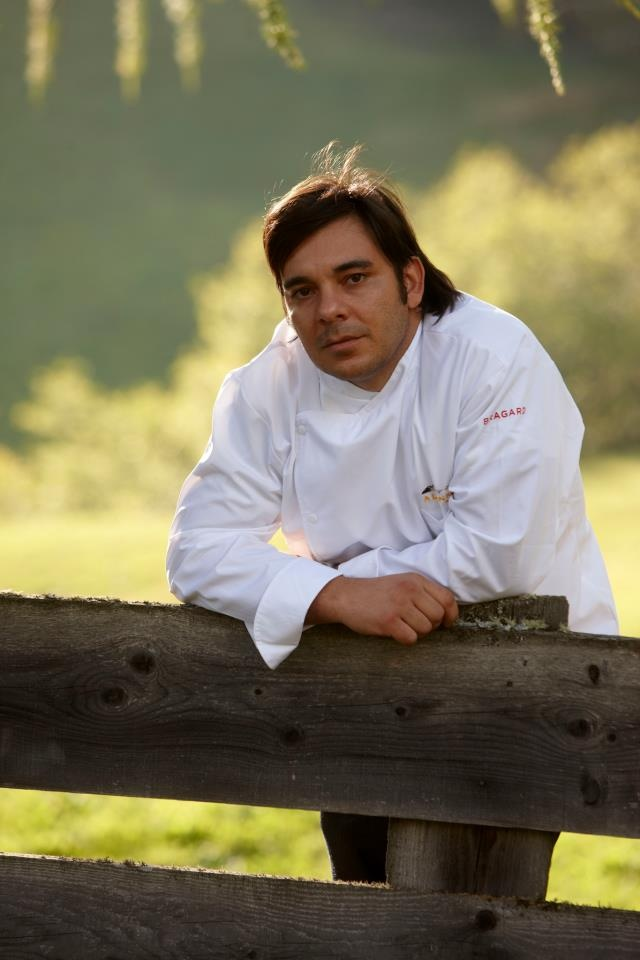
 There is a particular kind of Italian chef who carries their region with them wherever they go: who can move between Milan and Tokyo, between a three-Michelin-star kitchen and a simple seaside trattoria, and yet whose cooking always smells and tastes and feels unmistakably of home. Felice Lo Basso is that kind of chef. Born in Puglia, shaped by years of professional experience gained across Italy and abroad, and now based in Milan, he has built a career that is, in its deepest sense, a sustained act of translation: taking the extraordinary raw materials and the ancient culinary instincts of the Italian south and expressing them through a modern, technically refined, intensely personal language that is entirely his own. His dishes do not simply taste good. They tell you where he comes from.
1. Who Is Felice Lo Basso: A Chef Shaped by Puglia and the Adriatic
Felice Lo Basso grew up in Puglia, the long, sun-hammered region that forms the heel of the Italian boot and that has been producing some of the country's finest raw materials since ancient times. Puglia is the region of extra virgin olive oil so good that the rest of Italy has for centuries depended on it, whether quietly or openly. It is the region of durum wheat that built the pasta tradition of an entire civilisation. It is the region of the Adriatic and the Ionian seas, whose waters provide a daily harvest of fish and shellfish of extraordinary freshness and variety. And it is the region of burrata, orecchiette, fava bean purees, cime di rapa, dried figs and almonds and the particular, intensely sweet tomatoes that ripen under a sun that does not apologise for its strength.
Growing up surrounded by these ingredients, Lo Basso developed the instinct that defines his cooking to this day: an absolute conviction that the raw material is the beginning and the end of everything, and that the chef's role is not to impose a personality on the ingredient but to listen to what it needs and then provide exactly that. This sounds simple. It is, in practice, one of the most demanding approaches to cooking there is, because it requires not only technical mastery but a quality of attention and restraint that many talented cooks never fully develop.
He trained rigorously, passing through some of the most demanding professional kitchens in Italy and Europe, accumulating not just techniques but a breadth of reference that allows him to draw on influences from French classicism, Japanese precision and Scandinavian minimalism while producing food that is unmistakably, proudly Italian. His career has taken him from Puglia to the north of Italy, from hotel kitchens to independent restaurants, and in each environment he has pursued the same fundamental goal: to make food that is honest, beautiful and deeply satisfying, food that expresses a place and a person and that earns the trust and the appetite of the person sitting across the table.
Best time to visit Italy for a gastronomic journey: Spring from April to June and autumn from September to October are the finest seasons. Spring brings the extraordinary white asparagus of Veneto, the first strawberries and peas of the season, and fish from seas at their most productive after the winter. Autumn brings truffles from Piedmont and Umbria, porcini mushrooms, game, the grape harvest across the wine regions and the olive oil pressing season in Puglia, when the new oil arrives at the mill with a green, peppery intensity that fades within weeks. Both seasons offer the finest expression of Italian cooking at its most seasonal and most alive.
2. His Philosophy: Ingredients First, Technique Always, Personality Throughout
If you ask Felice Lo Basso to explain his cooking in a sentence, he will talk about the ingredient. Not about his training, not about his influences, not about the techniques he has accumulated over decades. Always the ingredient. This is not false modesty, the kind of understatement that chefs sometimes affect to seem more grounded than their ambitions. It is a genuine and deeply held conviction that emerged from his upbringing in a region where the land and the sea provide materials of such natural quality that the cook who meddles with them too aggressively does not improve them but simply makes them worse.
In practice, this philosophy expresses itself in a way of working that begins every day at the market. Lo Basso is known for his relationship with producers, fishermen and growers: the people who actually grow the olive trees, pull the nets and tend the kitchen gardens from which his cooking springs. He does not design menus in advance and then source the ingredients to fill them. He goes to the market, sees what is best that day, and builds from there. This approach requires not only technical flexibility but a kind of culinary confidence that only comes with experience: the ability to look at a beautiful piece of fish or a perfect vegetable and know immediately, from instinct and knowledge, what it wants to be on the plate.
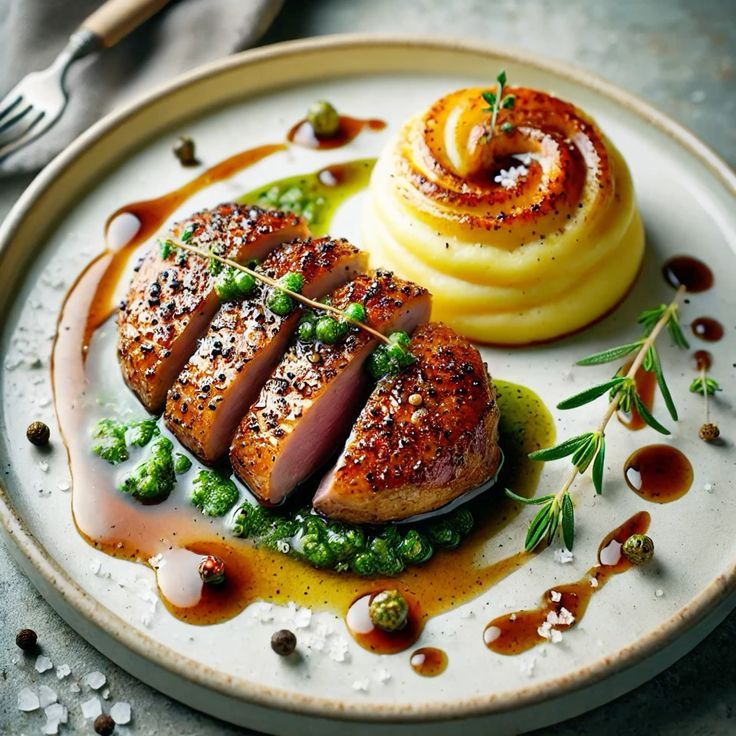
The technique is always present, always rigorous, but it is never the point. Lo Basso does not cook to demonstrate what he knows. He cooks to serve the ingredient, and the technique is the means by which that service is rendered with the greatest possible precision and care. A fish is cooked to exactly the right internal temperature. An olive oil is chosen with the specific dish in mind, its fruitiness and peppery finish calibrated to complement or contrast with the other elements on the plate. A vegetable is seasoned at the right moment in the right way to preserve its colour, its texture and its flavour. These are not small things. They are the substance of great cooking, and they are what separates a dish that is merely competent from one that is genuinely moving.
3. Mackerel Elevated: A Puglian Fish Transformed by Precision and Creativity
Of all the dishes associated with Felice Lo Basso, his mackerel preparations are perhaps the most emblematic of his approach: the choice of an ingredient that the broader restaurant world has long overlooked or undervalued, elevated by knowledge, technique and respect to a level that makes it impossible to see it the same way again. Mackerel has always been part of the food culture of coastal Puglia, where it arrives in abundant schools in the warm months and has been salted, smoked, marinated and fried by fishermen and home cooks for generations. In Lo Basso's hands it becomes something different: a vehicle for expressing the precision of modern technique in the service of the most direct and honest flavours.
His approach to the fish begins with sourcing. The mackerel must be caught the same day it is served, because mackerel is a highly perishable fish whose quality deteriorates rapidly once out of the water, and a mackerel that is even twenty-four hours old has already lost the bright, clean, slightly briny freshness that makes it worth eating at all. This is not a minor consideration. It is the foundation on which everything else is built, and it is the reason why this fish appears on the best Italian coastal tables so much more rarely than its quality deserves: because most restaurants cannot or will not commit to the daily sourcing that it requires.
In his most celebrated mackerel preparation, Lo Basso fillets the fish with great precision, removing every bone and trimming the fillets to perfect uniformity, then marinates them briefly in a mixture of excellent extra virgin olive oil from Puglia, fine sea salt, a few drops of lemon juice and a little white wine vinegar. The marinade both seasons the fish and begins a very gentle partial cure that firms the flesh slightly without cooking it, preserving the raw intensity of flavour while making the texture more yielding and pleasurable. The fillets are then either served in this semi-raw state, placed on a bed of something cool and acidic, perhaps a puree of Jerusalem artichokes or a cream of smoked aubergine, or briefly seared over very high heat on a cast iron surface for a matter of seconds on each side, leaving the interior essentially raw while creating a crust of caramelised skin that provides textural contrast and a deeper layer of flavour.
The dish is finished with a thread of extraordinary olive oil, a sprinkle of fine salt and sometimes a few leaves of fresh herb: perhaps samphire, perhaps wild fennel fronds, perhaps the smallest leaves of fresh mint. It is the kind of dish that looks almost impossibly simple on the plate and reveals its complexity only when you eat it, when the layers of flavour open up in sequence and you begin to understand that every element has been chosen with absolute precision to serve the central ingredient.
Chef Lo Basso's tip for cooking fish at home: The most important thing you can do when cooking fish is to buy it from a fishmonger you trust, on the day you plan to cook it. No technique, no seasoning and no sauce can compensate for fish that is not fresh. Ask your fishmonger when the fish arrived and choose accordingly. If the eyes are bright and clear, the flesh firm and the smell clean and marine rather than fishy, you have a good fish. Everything else is secondary.
4. Sea Bass, Burrata and the Flavours of the Italian South
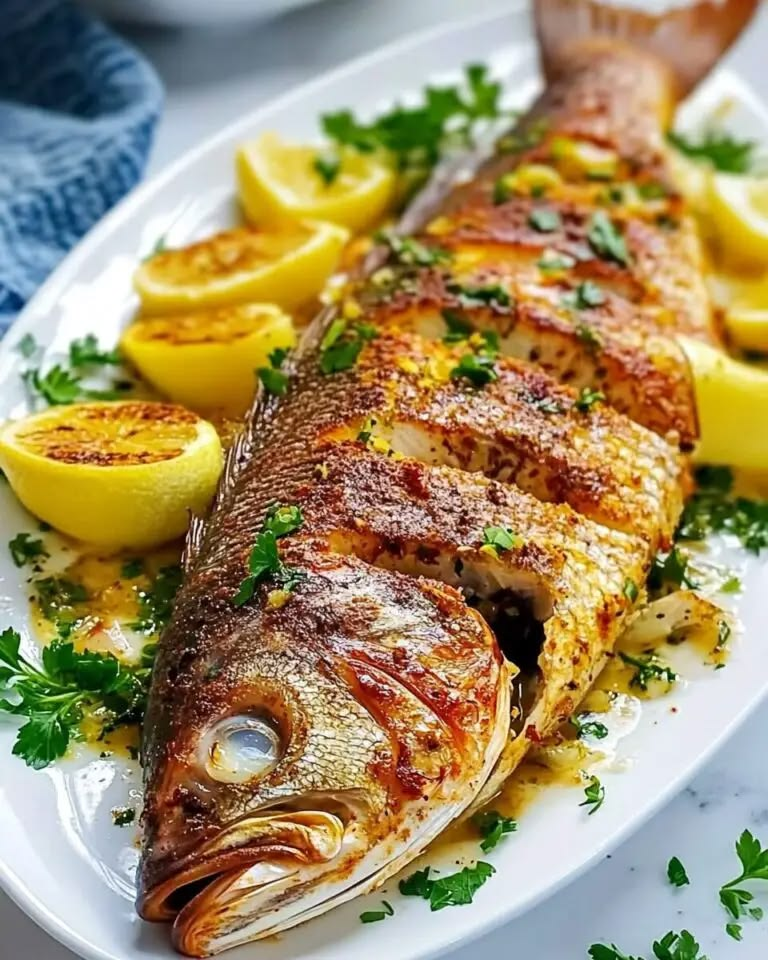
The sea bass, branzino in Italian, is one of the great fish of the Mediterranean and one that Lo Basso has worked with throughout his career with a consistency and a depth of understanding that have produced some of his most celebrated and most emotionally resonant dishes. Where mackerel is the fish of everyday life in coastal Puglia, the ingredient that fishermen eat at home and that requires no ceremony to enjoy, sea bass is the fish of occasion: more delicate, more subtle, requiring a greater lightness of touch from the cook but rewarding that touch with a flavour of extraordinary clean elegance.
One of his most admired preparations pairs a precisely cooked sea bass fillet with burrata, the extraordinary fresh cheese of Puglia that wraps a skin of mozzarella around a filling of cream and shredded curd, producing something that is simultaneously firm and liquid, mild and rich, simple and complex. The combination of the fish and the cheese might seem unexpected to anyone unfamiliar with the culinary logic of the Italian south, but in Lo Basso's hands it is entirely coherent: the clean salinity of the fish and the cool, creamy richness of the burrata exist in a relationship of complementary contrast that makes each element taste more intensely of itself in the presence of the other.
The dish is typically completed with a reduction of concentrated tomato, perhaps a coulis of San Marzano tomatoes or the small, intensely flavoured cherry tomatoes of Puglia, and a generous thread of the best extra virgin olive oil he can find. The tomato provides acidity and colour. The oil provides richness, aroma and the particular sensation of warmth that only a great southern Italian olive oil can produce. Together with the fish and the burrata, these four elements create a plate that is at once simple enough to understand immediately and complex enough to think about for a long time after the meal is finished.
Common mistakes when cooking Italian fish dishes at home: Overcooking the fish, which transforms a delicate and beautiful ingredient into something dry and disappointing. Sea bass and other Mediterranean fish should be cooked briefly, at a moderate heat, and removed from the heat just before you think they are done: the residual heat will finish the cooking in the time it takes to plate the dish. Another mistake: using olive oil that is too neutral or too light for the recipe. Italian fish dishes, particularly those of the south, are designed to be used with oils of character and intensity, and a bland supermarket olive oil will flatten the flavours of even the best fish.
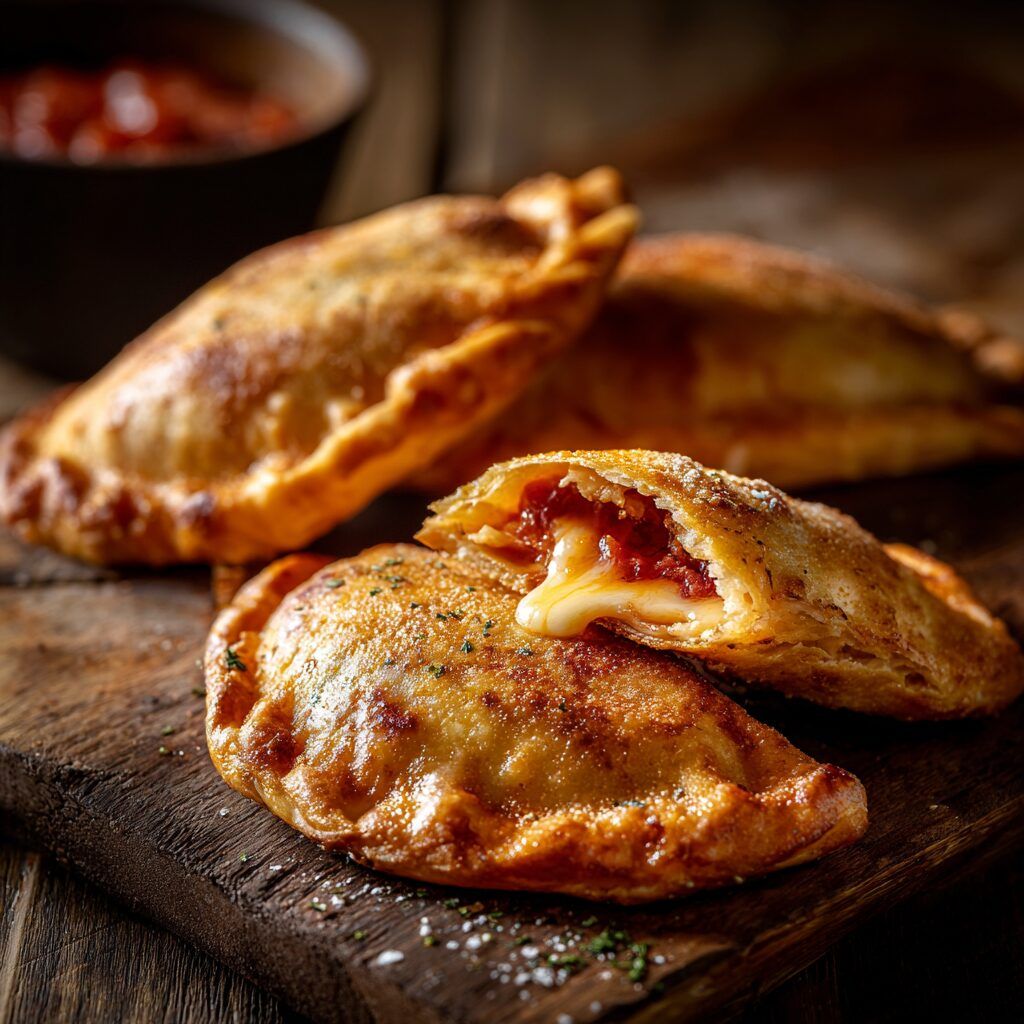
5. Pasta, Olive Oil and the Essential Pantry of a Great Italian Kitchen
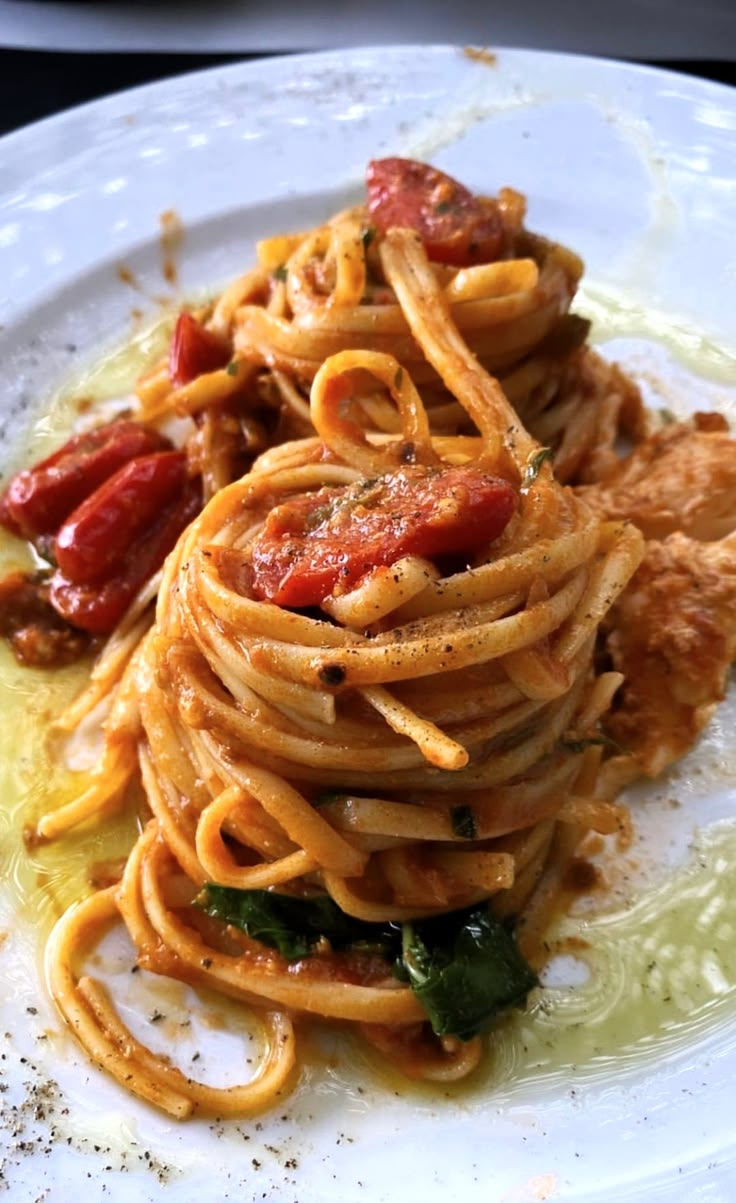
No account of Felice Lo Basso's cooking would be complete without discussing his relationship with pasta, which is the other great pillar of Puglian cuisine alongside fish and vegetables. Puglia is one of the great pasta regions of Italy, the homeland of orecchiette, the small ear-shaped pasta traditionally made by hand from semolina and water that is one of the most distinctive and most beautiful pasta forms in the Italian repertoire. It is also the region of cavatelli, of sagne ncannulate, of laganelle, of a dozen other shapes each with its own history, its own ideal sauce and its own particular way of interacting with the ingredients it meets in the bowl.
Lo Basso's pasta preparations reflect the full range of his culinary personality: there are dishes that are faithful expressions of Puglian tradition, the classic orecchiette con le cime di rapa (orecchiette with turnip tops, garlic, anchovies and olive oil) made with produce sourced from Puglian farms and cooked with the precision and care of a chef who grew up eating this dish at his grandmother's table, and there are dishes that take the forms and flavours of the south and transform them through modern technique into something that retains the emotional resonance of the original while achieving a new aesthetic sophistication.
Underpinning all of his pasta work, as it underpins all of his cooking, is extra virgin olive oil from Puglia: the region produces more olive oil than any other in Italy, and the best of it, pressed from Coratina, Ogliarola or Peranzana olives grown on trees that are often centuries old, has a character of extraordinary intensity, with notes of artichoke, fresh-cut grass, green tomato and a long, warming peppery finish that is almost as satisfying to the throat as to the palate. Lo Basso uses olive oil the way a musician uses a fundamental note: it is always present, always grounding, and everything else is built around it.
6. Desserts: Citrus, Almonds and the Sweet Traditions of Puglia
Felice Lo Basso's desserts occupy a quieter place in the conversation about his cooking than his fish and pasta dishes, but they are, in many ways, the most intimate expression of where he comes from. Puglia has a long and rich tradition of sweets built on a small number of extraordinary ingredients: the almonds of the Murge plateau, considered by pastry makers and confectioners across Italy to be among the finest in the world, with a flavour of extraordinary intensity and a fat content that makes them particularly suited to the preparation of almond pastes, biscuits and nougats; the citrus fruits of the Gargano promontory, whose lemon groves and orange orchards produce fruits of exceptional flavour and fragrance; the artisan honey of the coastal heathlands, made from citrus blossom, sulla or wildflower nectars that vary in flavour and colour through the seasons; and the figs, both fresh and dried, that Puglia has preserved and traded since Greek and Roman antiquity.
Lo Basso uses these ingredients in his desserts with the same respect and precision that he brings to his fish and vegetables. A typical dessert might pair a delicate almond cream with thin slices of fresh lemon, a few drops of aged citrus honey and a scatter of toasted almond flakes: a construction of apparently total simplicity that reveals, on tasting, a depth and a balance of flavour that is the product of careful selection and precise execution rather than complexity for its own sake. Another might take dried fig and almond in a revisitation of the traditional Puglian sweet called fichi mandorlati, filling dried figs with whole almonds and a little orange zest, baking them gently until the figs caramelise at the edges and the almond inside becomes toasted and fragrant, then serving them with a small scoop of almond milk gelato and a thread of extraordinary citrus honey.
These are desserts that reward attention. They do not announce themselves with drama or visual complexity. They invite you to slow down, to concentrate, to notice the way one flavour opens into the next. They are, in the end, very much like the chef who makes them: confident enough in what they are to need no elaboration, and generous enough to give you something worth thinking about long after the meal is done.
Great Italian cooking is not about complexity or about impressing anyone. It is about respect. Respect for the ingredient, for the producer who grew it, for the diner who is going to eat it, and for the tradition that taught you, centuries before you were born, that the best food is always the most honest food.
Felice Lo Basso
Visiting Italy: Getting to Milan or Puglia to Experience Great Italian Cuisine
Felice Lo Basso divides his professional life between Milan, the great northern metropolis where Italy's most ambitious fine dining scene is concentrated, and his native Puglia, whose extraordinary ingredients continue to inspire and anchor his cooking. Both destinations are easily reachable from across Europe and beyond, and both offer extraordinary food experiences for the visitor who wants to understand Italian cooking at its most serious and most generous.
Milan is served by Malpensa Airport (MXP), approximately 50 kilometres northwest of the city centre, with excellent connections from across Europe, North America and the Middle East. A private airport transfer from Malpensa to central Milan takes approximately 50 to 60 minutes and is the most comfortable way to begin a city visit, particularly after a long journey. Linate Airport (LIN), just 7 kilometres east of the city centre, handles shorter European routes and offers a private transfer to central Milan of approximately 15 to 20 minutes.
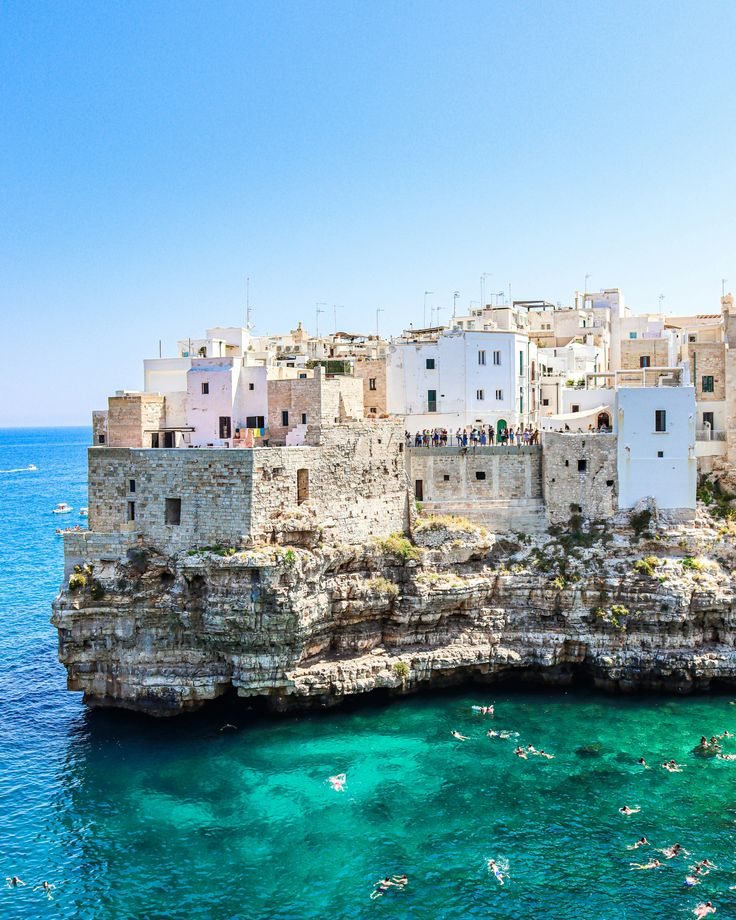
For Puglia, the main gateway is Bari Karol Wojtyla Airport (BRI), with good connections from Rome, Milan and several European cities. From Bari Airport a private transfer to the centre of Bari or to the towns of the Murge, the Valle d'Itria or the Salento takes between 20 minutes and 2 hours depending on the destination. This is a landscape that rewards time and slowness: the more you drive the white roads between trullo farms, old olive groves and small whitewashed villages, the more you understand why Felice Lo Basso carries Puglia with him wherever he goes.
Tips for a great Italian food and chef experience: Book the best Italian restaurants at least three to four weeks in advance, and further ahead for the most celebrated kitchens during peak periods. Many serious Italian restaurants do not have websites or do not accept reservations online: call directly, in Italian if possible, and be prepared for a fixed menu format rather than a la carte. When visiting Puglia, spend at least two nights outside the main tourist towns: the inland villages of the Valle d'Itria and the Murge plateau have some of the finest and most authentic cooking in the region and almost none of the tourist infrastructure. Ask your accommodation host for their personal restaurant recommendations. They will always be better than anything in a guidebook.

Comments
No comments yet. Be the first to share your thoughts!
Leave a Comment
Your comment will appear after moderation.