 Michelle
 Dutch food has a reputation problem. Ask most travellers what they know about the cuisine of the Netherlands and the answers will be vague at best: cheese, maybe, and something about herring. The French will not mention it. The Italians will not mention it. And yet Amsterdam, for anyone willing to pay genuine attention, is one of the most rewarding food cities in northern Europe, a place where centuries of maritime trade, colonial history and a deeply pragmatic relationship with excellent raw ingredients have produced a culinary culture that is rich, various and full of genuine pleasures. You just have to know where to look.
Why Dutch Food Deserves More Credit Than It Gets
To understand Dutch food, you need to understand the Netherlands. This is a small, flat, densely populated country that spent several centuries as one of the most powerful trading empires in the world. The Dutch East India Company, founded in 1602, controlled the spice trade from the Moluccas, established colonies across Southeast Asia, and brought back to the Netherlands not just nutmeg, pepper, cloves and cinnamon, but the culinary traditions of the peoples it encountered. Indonesian cooking, above all, became so thoroughly absorbed into Dutch food culture that rijsttafel is now considered as essentially Dutch as stamppot. This is a country whose food is shaped by the sea, by the trade routes of three centuries ago, and by a climate that rewards dairy farming, root vegetables and preserved fish over the kind of fresh produce cookery that dominates the cuisines further south.
It is also, increasingly, a country whose chefs are doing remarkable things with those traditions. Amsterdam has a growing number of excellent restaurants working with Dutch ingredients at a serious level: North Sea fish, aged cheeses, game from the heathlands, vegetables from the polders, craft gin and artisan beer from local producers. The city has a vibrant food market scene, a tradition of informal street eating that is genuinely excellent, and a cafe culture in which food, drink and conviviality are inseparable. The traveller who arrives in Amsterdam ready to eat with curiosity will be well rewarded.
The golden rule for eating well in Amsterdam: Move away from the main tourist axis. The restaurants immediately surrounding the Anne Frank House, the Rijksmuseum and the Dam Square are, with some honourable exceptions, aimed at international visitors and priced accordingly. Walk ten minutes in almost any direction and the quality improves and the prices drop. The Jordaan, De Pijp, the Oud-West and the area around the Spaarndammerbuurt are where Amsterdam actually eats.
1. The Essential Street Food: Herring, Bitterballen and Stroopwafels
Amsterdam's street food culture is one of the most unpretentious and satisfying in Europe. Three things you must eat standing up, bought from a stall or a counter, before you sit down in any restaurant.
Haring: raw herring the Dutch way
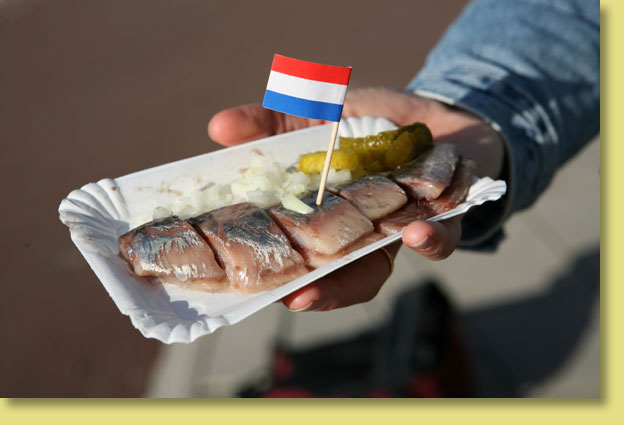
The Dutch relationship with herring is ancient, passionate and entirely non-negotiable. Hollandse Nieuwe, the new season's herring caught between May and July, is the most celebrated annual food event in the Netherlands: the arrival of the first barrel of the new catch, the vlaggetjesdag or Flag Day, is a festivity in the fishing port of Scheveningen and across the country. The herring is lightly salted and cured rather than cooked, with a texture that is silky, rich and nothing like what the word "raw" might lead you to expect if your experience of raw fish is limited. It is served two ways: naar binnen slaan, the traditional method, in which you hold the fish by the tail and lower it into your mouth in a single bite, or in a soft white roll with finely chopped raw onions and cornichons. The roll version is the more practical for first-timers. The traditional method is the more dramatic and the more authentically Dutch.
Herring stalls, called haringhandel, are found throughout Amsterdam: near the harbour, on the main shopping streets and at the city's markets. Look for a stall with a queue of local people and buy from there. The price is modest, the quality is consistent, and the experience of eating fresh herring on an Amsterdam street corner in the sunshine is one of those small, perfect travel moments that stays with you long after the grand museums have blurred together in memory.
Bitterballen: the definitive Dutch bar snack
Bitterballen are small, round, deep-fried croquettes with a crispy breadcrumb exterior and a molten, intensely savoury interior of slow-cooked meat ragout, typically beef, bound in a rich béchamel. They are served in every brown cafe in the city, always with a pot of grainy Dutch mustard for dipping, always alongside a glass of cold beer. They are dangerously good. The exterior is crisp and golden; the interior, which must be approached with caution because it retains heat with extraordinary persistence, is creamy and deeply flavoured, the kind of thing that makes you understand immediately why the Dutch love them so much and why they are consumed in such quantities that the Netherlands has developed an entire industry around producing them.
The best bitterballen are made fresh on the premises from good-quality braised meat, and the difference between these and the frozen mass-produced versions that dominate the cheaper end of the market is immediately apparent. A traditional brown cafe in the Jordaan or the canal belt that takes its kitchen seriously will give you the real thing, and a plate of six or eight with a Heineken or a Grolsch is one of the most satisfying informal meals Amsterdam offers.
Stroopwafels: the architecture of caramel
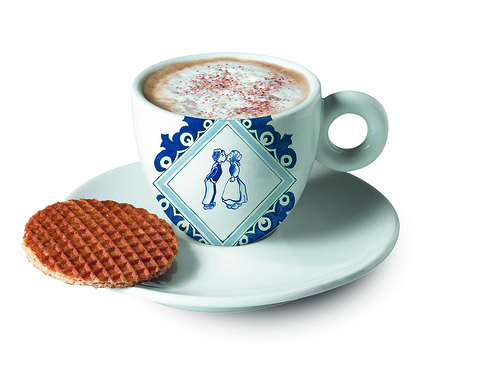
Stroopwafels are one of those foods that are so immediately, accessibly delicious that they have conquered the world and are now sold in every airport and supermarket from Amsterdam to Auckland. But the stroopwafel you buy in a plastic packet bears approximately the same relationship to the real thing as a supermarket croissant bears to a croissant from a Parisian boulangerie. The real stroopwafel is made fresh, by hand, on a round waffle iron, then sliced horizontally and filled with warm, pliable caramel syrup before the two wafer-thin layers are pressed back together. It is eaten immediately, while still warm and slightly soft, and the combination of the crisp-edged waffle and the yielding caramel centre is one of the simplest and most effective pleasures in Dutch food.
The Albert Cuyp Market in De Pijp is the best place in Amsterdam to buy a fresh stroopwafel, and the smell of them cooking on the iron will find you long before you find the stall. Buy two. You will not regret it. The Noordermarkt on Saturday mornings also has excellent fresh stroopwafels alongside its organic produce and artisan food stalls.
The Albert Cuyp Market: The largest and liveliest street market in Amsterdam, the Albert Cuyp in De Pijp runs from Monday to Saturday and stretches for several hundred metres along the Albert Cuypstraat. It sells fresh produce, fish, meat, cheese, street food, clothing and household goods, and it is one of the most authentic and enjoyable ways to spend a morning in the city. Come hungry. Fresh stroopwafels, raw herring, poffertjes, Dutch cheese, Indonesian snacks and a dozen other things will compete for your attention and your appetite at every turn.
2. Cheese: the Greatest Single Food Product of the Netherlands
The Netherlands produces approximately nine hundred million kilograms of cheese every year, and exports around seventy per cent of it to countries across the world. Dutch cheese is, after all, one of the most widely recognised food products on the planet. Gouda, Edam, Leerdammer, Maasdam: these names are familiar in supermarkets from Tokyo to Toronto. But the industrially produced, plasticwrapped version of Dutch cheese that most of the world knows bears very little resemblance to the real thing, just as the processed imitation of Parmigiano Reggiano bears no relationship to a properly aged wheel of the genuine article.
Real Dutch cheese, aged properly in the traditional way, is one of the great food pleasures of northern Europe. Oude Gouda (old Gouda), aged for at least twelve months and often for two or four years, develops a hard, granular texture and a deep, complex flavour with notes of butterscotch, brown bread and a pleasant crystalline crunch from the tyrosine crystals that form during long ageing, exactly as they do in a great Parmesan. Noord-Hollandse Gouda, made only in the Noord-Holland province from local milk, is one of the finest cheeses produced anywhere in the world, and is protected by a PDO designation. Edam, with its distinctive red wax coating, is milder and creamier when young and develops considerably more character with age. Leerdammer, with its large holes and nutty flavour, and Boerenkaas, the raw-milk farmhouse cheese made on traditional dairy farms, round out a category that deserves serious attention from any food-conscious traveller.
Where to buy and eat cheese in Amsterdam
The best cheese in Amsterdam is found in dedicated specialist shops rather than in the tourist-oriented cheese stores that crowd the main shopping streets and offer free tastings alongside aggressive sales pitches. Henri Willig, while operating several tourist-friendly branches throughout the city, also sells genuinely good aged cheeses. De Kaaskamer on the Runstraat in the Nine Streets is the most serious specialist cheese shop in the city centre: a tiny, intensely aromatic space crammed with hundreds of varieties of Dutch and international cheese, run by people who know and love their subject. The staff will cut you a sample of anything in the shop and guide you towards a purchase with genuine expertise rather than commercial pressure.
At the Noordermarkt on Saturdays, several farmers and small producers sell their cheese direct to the public, and this is where you will find boerenkaas of a quality that is simply not available in any shop. The raw-milk farmhouse cheeses sold here at various stages of ageing represent the authentic tradition of Dutch cheesemaking and are a world apart from the industrial product. Buy a wedge of three-year-old aged Gouda from one of these stalls and eat it with a slice of dark rye bread, a smear of Dutch mustard and a glass of local craft beer, and you will understand immediately why the Netherlands built an empire partly on the trade in this extraordinary product.
Common tourist mistakes around Dutch food: Buying cheese from tourist traps on the Nieuwendijk or near the Dam Square where prices are inflated and quality is often poor. Eating in restaurants on the main tourist canal fronts where the same unremarkable menu of pasta, pizza and overpriced Dutch standards is served to a captive audience. Assuming that Dutch cuisine is boring without actually trying it. Skipping the herring because it sounds alarming. And above all, visiting Amsterdam without spending at least one morning in the Albert Cuyp Market, which is one of the most rewarding food experiences the city has to offer and costs almost nothing.
3. Rijsttafel: Indonesia on a Dutch Table
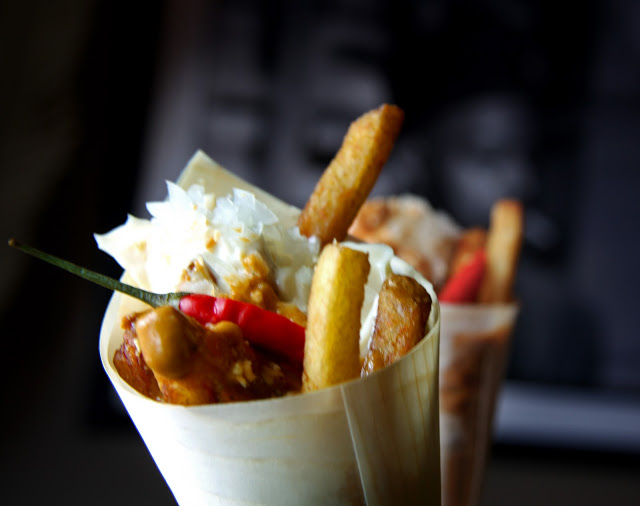
Of all the legacies of Dutch colonial history, the one that has done the most to enrich the food culture of the Netherlands is the rijsttafel. The word means simply "rice table" in Dutch, and the concept was developed by Dutch colonists in the Dutch East Indies, the archipelago that is today Indonesia, as a way of sampling the extraordinary variety of Indonesian regional cooking in a single meal. A rijsttafel consists of a large mound of steamed rice served at the centre of the table, surrounded by a collection of small dishes, typically between fifteen and thirty, representing the full range of Indonesian culinary traditions: satay of chicken, beef or lamb, slow-braised rendang, gado-gado (vegetables with peanut sauce), various sambals at different levels of heat, tempeh, tofu, prawn crackers, fried banana, coconut-based curries, and pickled vegetable preparations. It is generous, aromatic, colourful and deeply satisfying, and eating it in a good Indonesian restaurant in Amsterdam on a cold Dutch evening is one of the most pleasurable things the city has to offer.
Amsterdam has one of the finest concentrations of Indonesian restaurants outside of Indonesia itself, a direct legacy of the historical connection between the two countries. The quality varies enormously, from the tourist-oriented establishments near the main sites that serve a diluted version of the cuisine at premium prices, to the genuine family-run restaurants in De Pijp, the Oud-West and the Indische Buurt (the East Indies neighbourhood) where the cooking is authentic, the prices are moderate and the atmosphere is warmly unpretentious.
When ordering, specify the number of people the rijsttafel should serve: most restaurants offer a version for two and a larger version for four or more, and the selection of dishes expands accordingly. A full rijsttafel for two people at a good restaurant will comfortably provide enough food for a long, leisurely dinner, and it is one of the few Amsterdam dining experiences that consistently exceeds expectations regardless of what you have heard about Dutch food in advance.
Dutch food tells you something important about Dutch history: that this is a country which went out into the world, encountered other cultures with extraordinary culinary traditions, and brought the best of what it found back home. The rijsttafel is the most eloquent single expression of that story, and eating it in Amsterdam, where it has been part of the food culture for over a century, is one of the genuinely great pleasures of northern European travel.
4. Brown Cafes, Markets and Where to Eat Like a Local
No guide to food in Amsterdam would be complete without a proper account of the bruine kroeg, the brown cafe. These are the traditional pubs of the Netherlands, and they take their name from the colour that centuries of tobacco smoke, dark wood and amber candlelight have given to their walls and ceilings. They are warm, unhurried, slightly worn around the edges and deeply congenial places, the kind of spaces where a person can arrive alone at four in the afternoon and stay until midnight without anyone suggesting they might like to leave. They serve Dutch beer on tap, jenever (the Dutch gin that is the ancestor of English gin), a rotating selection of hot food and the obligatory plate of bitterballen with mustard. They are also one of the best places in Amsterdam to meet Dutch people on their own terms, without the mediation of a tourist context.
The finest concentration of genuinely good brown cafes is in the Jordaan neighbourhood, on the streets and small squares between the main canals. Cafe 't Smalle on the Egelantiersgracht, one of the oldest brown cafes in Amsterdam, dating to 1786, has a canal-side terrace and an interior of extraordinary atmospheric density. Cafe de Prins on the Prinsengracht is a neighbourhood institution with excellent food and a loyal local clientele. These are places to visit without a plan, to sit at the bar or at a small table by the window, to order whatever is recommended and to allow the afternoon to unfold at its own pace.
Poffertjes, pannenkoeken and Dutch pancakes
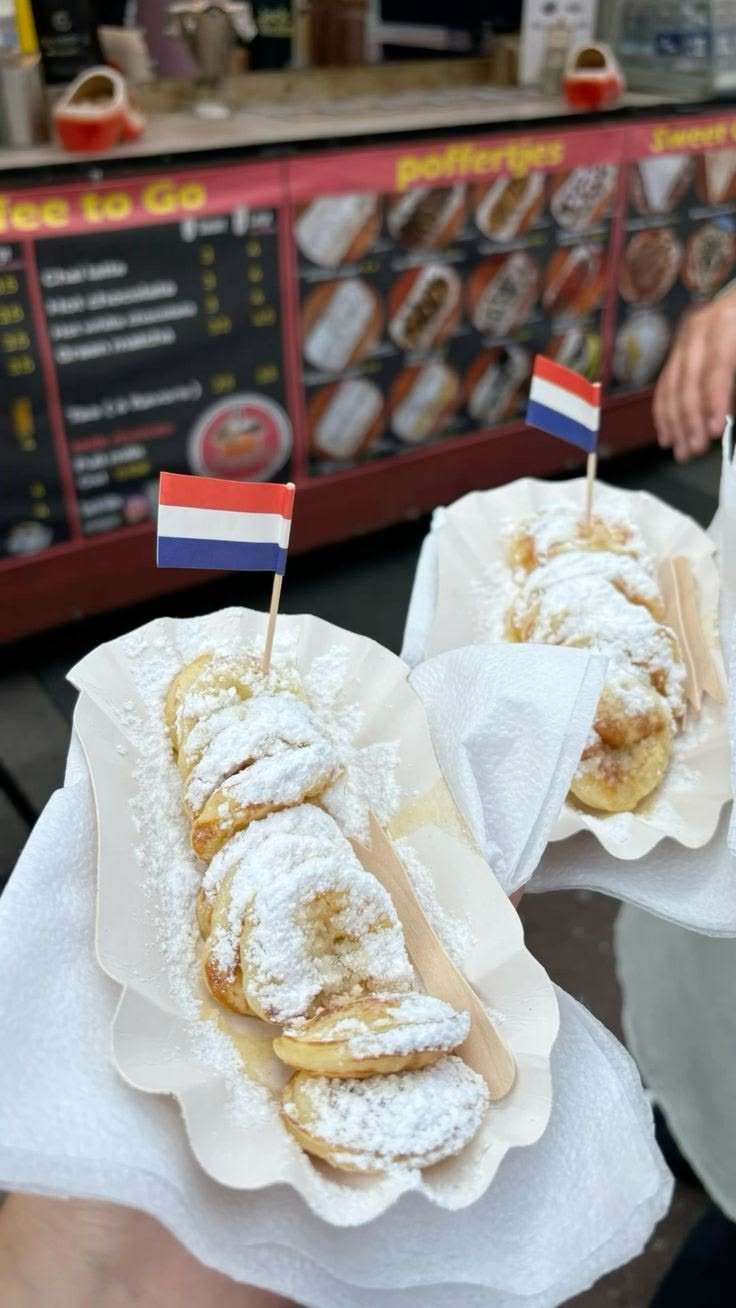
Poffertjes are small, thick, fluffy mini-pancakes cooked in a cast-iron pan with semicircular indentations, served in a pile with a generous dusting of icing sugar and a pat of butter that melts immediately on contact with the warm surface. They are a quintessentially Dutch street food and market food, sold from wooden stalls throughout the city, and they are one of those things that are enormously better than they sound. The batter, made with yeast and buckwheat flour, gives them a slightly chewy, substantial texture that is completely different from a thin French crepe, and the combination of warm dough, melted butter and sweet powdered sugar is one of the most comforting eating experiences Amsterdam offers. The Albert Cuyp Market always has at least one excellent poffertjes stall, and the smell of them cooking is one of the market's defining sensory pleasures.
Pannenkoeken, the larger Dutch pancakes, are a different proposition entirely: thin, wide and substantial, they are eaten at all times of day and can be topped with anything from smoked bacon and apple to cheese and salami to sweet fruit compotes and cream. There are dedicated pannenkoek restaurants in Amsterdam, serving nothing but pancakes in a vast range of combinations, and they represent one of the best informal lunches the city offers, particularly for families with children.
Jenever: the original gin
No account of Amsterdam food and drink culture is complete without mentioning jenever, the Dutch distilled spirit that is the direct ancestor of English gin. Jenever is made from malt wine and flavoured with juniper and other botanicals, and it comes in two main styles: jonge jenever (young), lighter and closer in character to a modern dry gin, and oude jenever (old), richer, rounder and more complex, with a malty depth that makes it entirely its own thing rather than merely a historical precursor to something else. Jenever is traditionally served in a small tulip-shaped glass filled to the very brim, so full that the first sip must be taken with the glass still on the bar without lifting it, a practice known as kopstoot or "head butt." Paired with a glass of cold Dutch beer, this constitutes the traditional Dutch kopstootje, and drinking one in a proper brown cafe in the Jordaan on a cool Amsterdam evening is one of those small, unrepeatable pleasures that travel occasionally delivers.
Getting to Amsterdam for your food adventure: Amsterdam Airport Schiphol is one of Europe's best-connected airports, with a direct train to Amsterdam Centraal every few minutes that takes approximately 17 minutes. From Centraal, the Albert Cuyp Market in De Pijp is 20 minutes by tram, the Noordermarkt in the Jordaan is 20 minutes on foot, and the canal belt brown cafes are within walking distance. A private airport transfer delivers you directly to your hotel door in 25 to 40 minutes, which is ideal if you are arriving with luggage and want to drop your bags before heading straight out to eat.

Comments
No comments yet. Be the first to share your thoughts!
Leave a Comment
Your comment will appear after moderation.