 Michelle
 Fifty-eight miles south of Sicily, in the middle of the Mediterranean Sea, a tiny archipelago of three inhabited islands packs more history, more beauty and more surprises into its 316 square kilometres than most countries manage across an area fifty times larger. Malta is unlike anywhere else on Earth. Its capital is a UNESCO World Heritage city built in the sixteenth century by a crusading military order. Its prehistoric temples predate Stonehenge by over a thousand years. Its beaches are among the clearest in the Mediterranean. Its people speak a language that is the only Semitic language written in the Latin alphabet, a linguistic echo of the Arab rulers who controlled the islands in the ninth and tenth centuries. Come to Malta expecting a beach holiday and you will leave having experienced something considerably more complex and considerably more memorable.
1. Valletta: Europe's Smallest Capital and One of Its Greatest
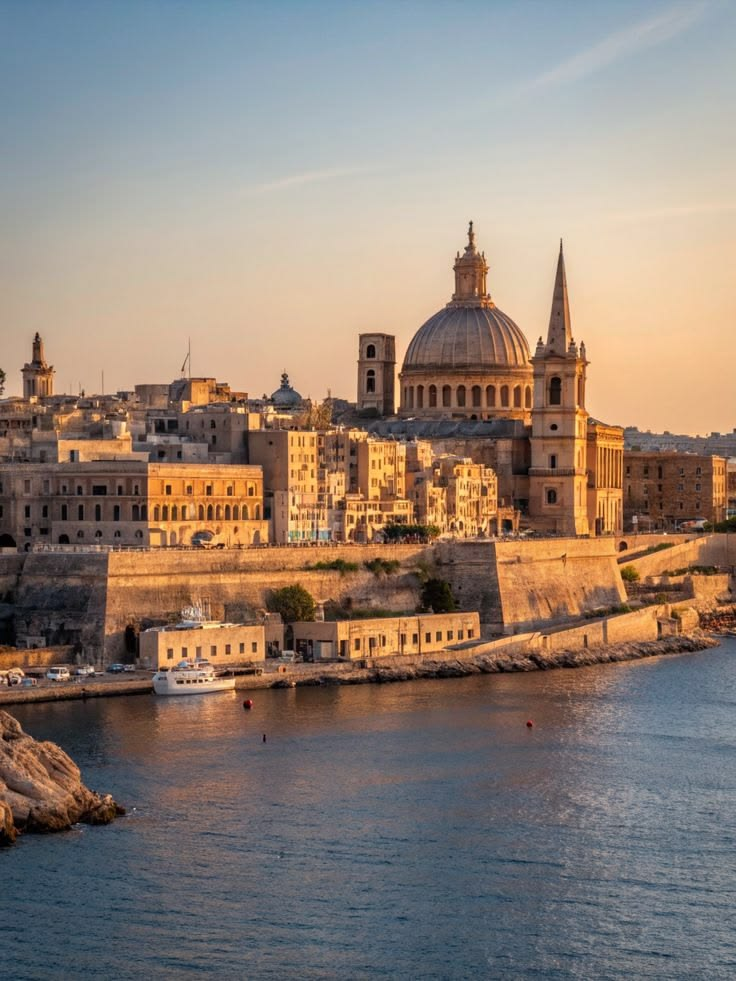
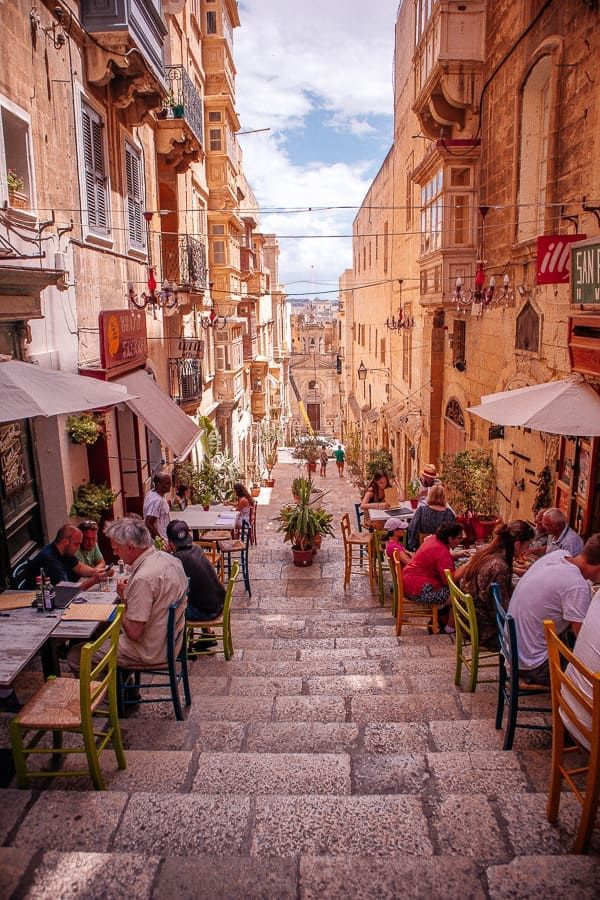
Valletta, the capital of Malta, holds the distinction of being the smallest national capital in the European Union, occupying a peninsula of barely one square kilometre between the Grand Harbour to the south and Marsamxett Harbour to the north. But the superlatives that matter most about Valletta are not those of size. It is the most concentrated historic city in Europe, with a density of monuments, churches, palaces and fortifications per square metre that UNESCO recognised in 1980 when it listed the entire city as a World Heritage Site. Every building in Valletta was constructed from the same golden limestone that was quarried from beneath the peninsula itself, giving the city a visual unity and a warmth of colour that is unlike any other capital in the world.
Valletta was founded in 1566 by Jean de Valette, Grand Master of the Knights of St John, following the Great Siege of 1565 in which the Knights and the Maltese people repelled a massive Ottoman invasion against extraordinary odds. The new city was designed from the beginning as a planned Renaissance fortification, laid out on a grid of streets that still defines the urban structure today, and it was built with a speed and a purposefulness that reflected the military urgency of the Knights' mission. The result is a city that has an unusual homogeneity for a European capital: almost everything in Valletta was built within a relatively short period, by people who shared a coherent aesthetic vision, and the limestone of which it is made gives it a quality of golden warmth that changes dramatically through the day as the Mediterranean light shifts from morning to afternoon to evening.
The heart of Valletta is St George's Square, the main public space of the city, where the Grandmaster's Palace occupies the entire eastern side with its ornate facade and its interior of state rooms, armoury and the extraordinary Hall of the Knights. The St John's Co-Cathedral, just a short walk away, is arguably the single most spectacular interior in Malta: a baroque masterpiece whose floor is entirely paved with the ornate marble tombstones of Knights, whose side chapels are decorated with the heraldic imagery of the eight national langues of the Order, and whose vault is covered with a painted narrative of the life of St John by Mattia Preti that is one of the great baroque decorative cycles in Europe. In the Oratory of the cathedral hangs Caravaggio's vast Beheading of Saint John the Baptist, the only painting the artist ever signed, an overwhelming work of darkness and violence and deeply human compassion that alone is worth the journey to Malta.
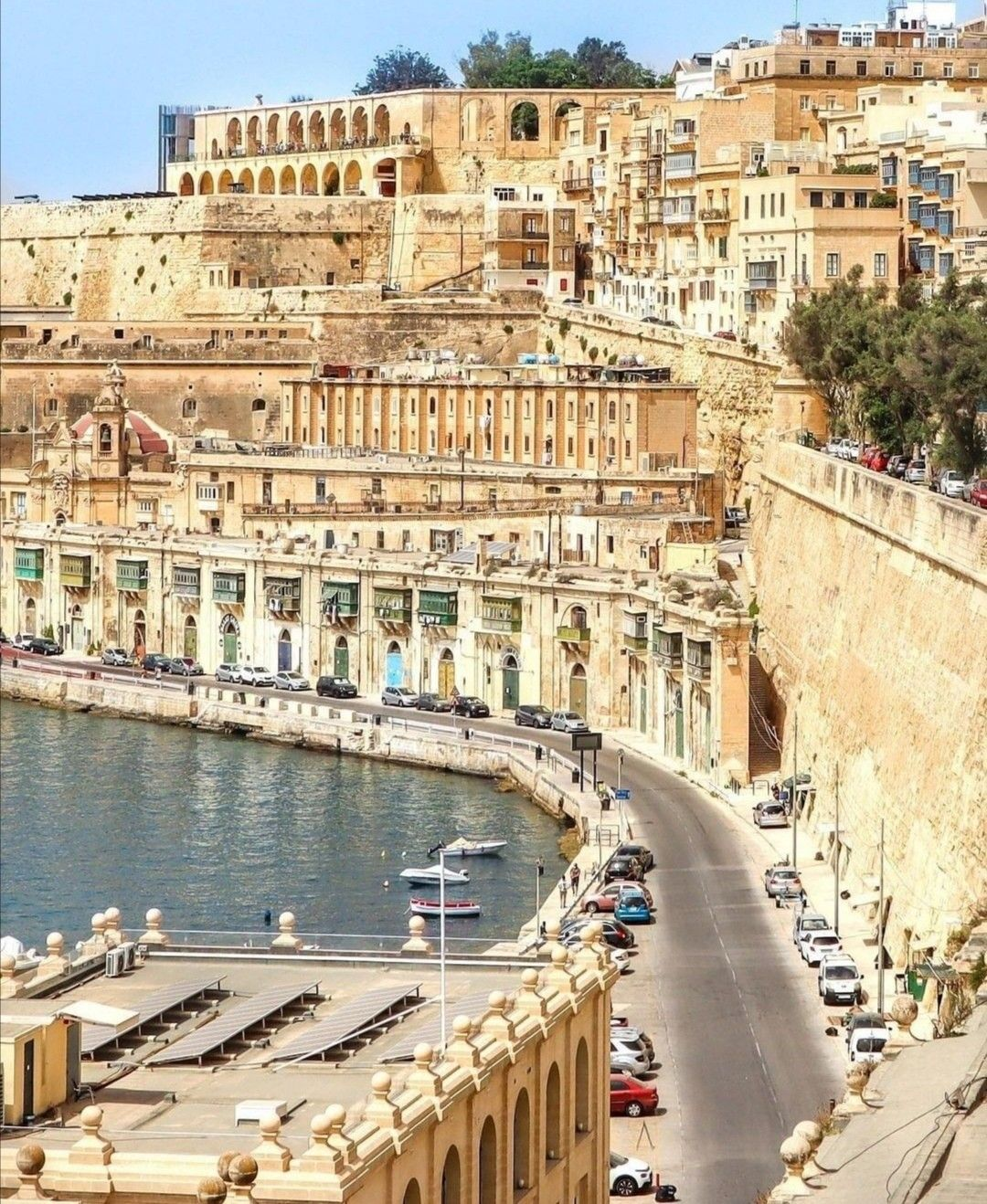
The Grand Harbour itself, visible from almost every elevated point in Valletta, is one of the finest natural harbours in the Mediterranean and the stage upon which much of Maltese and European history was played out over five centuries. The view from the Upper Barrakka Gardens, which overlook the harbour from the highest point of the city walls, is one that genuinely astonishes: the Three Cities of Birgu, Senglea and Cospicua arranged on their peninsulas across the water, the great fortifications of Fort Saint Angelo rising from the tip of Birgu, and the harbour itself spread between them in all its extraordinary historical and visual complexity.
Best time to visit Valletta: The city is at its most atmospheric in the early morning before the tour groups arrive and in the late afternoon when the low sun turns the limestone a deep amber gold. Arrive at St John's Co-Cathedral when it opens at 9am to see the Caravaggio in relatively uncrowded conditions. The Upper Barrakka Gardens are at their most spectacular in the evening when the harbour lights begin to come on and the Three Cities across the water are silhouetted against the sunset sky. The daily cannon-firing ceremony at noon from the Saluting Battery below the gardens is free and worth witnessing.
2. The Prehistoric Temples: Older Than the Pyramids, Older Than Stonehenge
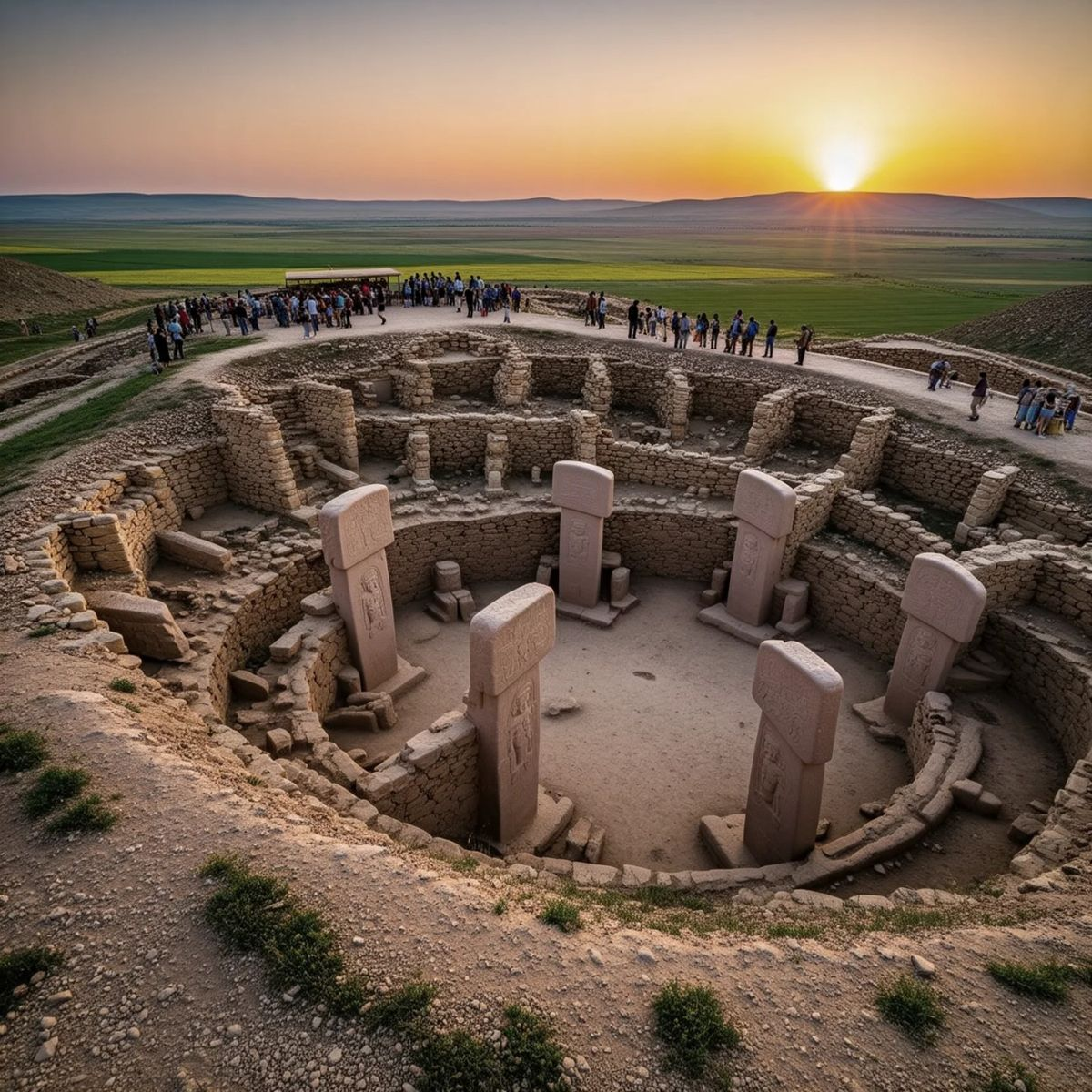
Malta possesses one of the most extraordinary concentrations of prehistoric architecture in the world, and the Tarxien Temples are at the heart of it. Built between approximately 3600 and 2500 BC, the Tarxien complex consists of four interconnected temple structures of remarkable sophistication and scale, constructed from massive blocks of coralline and globigerina limestone by a culture about which relatively little is known beyond what its extraordinary buildings reveal. At their peak, the temples were decorated with spiral carvings, animal reliefs and the lower half of a colossal statue, originally perhaps 2.5 metres tall, of a figure that may represent a deity or a priest-ruler, whose fragmentary remains are now in the National Museum of Archaeology in Valletta.
The temples predate the Egyptian pyramids of Giza by several centuries and are older than Stonehenge by over a thousand years, making them among the oldest free-standing stone structures in the world. They were used for ritual and ceremonial purposes over a period of more than a millennium, and the animal bones and pottery found within them suggest a sophisticated society with complex religious practices, extensive agricultural production and long-distance trading connections across the Mediterranean. UNESCO inscribed the Tarxien Temples, along with five other Maltese prehistoric temple sites, on the World Heritage List in 1980.
Equally remarkable, and even more atmospheric, is the Hal Saflieni Hypogeum, an underground temple and burial complex entirely carved into the rock over approximately 1,500 years between 4000 and 2500 BC. Discovered accidentally during construction work in 1902, the Hypogeum descends through three levels to a depth of approximately ten metres below street level, its chambers connected by a network of passages and its walls and ceilings decorated with red ochre paintings of spirals, honeycomb patterns and what may be representations of cattle. The acoustic properties of the deeper chambers are extraordinary: a low voice produces resonances that seem to fill the entire underground space, and it has been suggested that these acoustics were deliberately created and used in ritual contexts.
Entry to the Hypogeum is strictly limited to preserve the fragile environment within, and tickets must be booked weeks in advance, particularly in summer. This is one of those cases where advance booking is not merely advisable but essential: do not arrive in Malta expecting to visit on the day, because you will almost certainly be turned away. Book your Hypogeum ticket before you book your flight, or as soon thereafter as possible.
Common tourist mistake: Failing to book the Hal Saflieni Hypogeum in advance. Entry is limited to a maximum of 80 visitors per day in groups of 10, and tickets are released months in advance. During peak season from June to September, they are frequently sold out two to three months ahead. Book on the Heritage Malta website as soon as your travel dates are confirmed. Missing the Hypogeum is one of the most common regrets of Malta visitors who did not plan ahead.
3. Mdina: The Silent City on the Hilltop
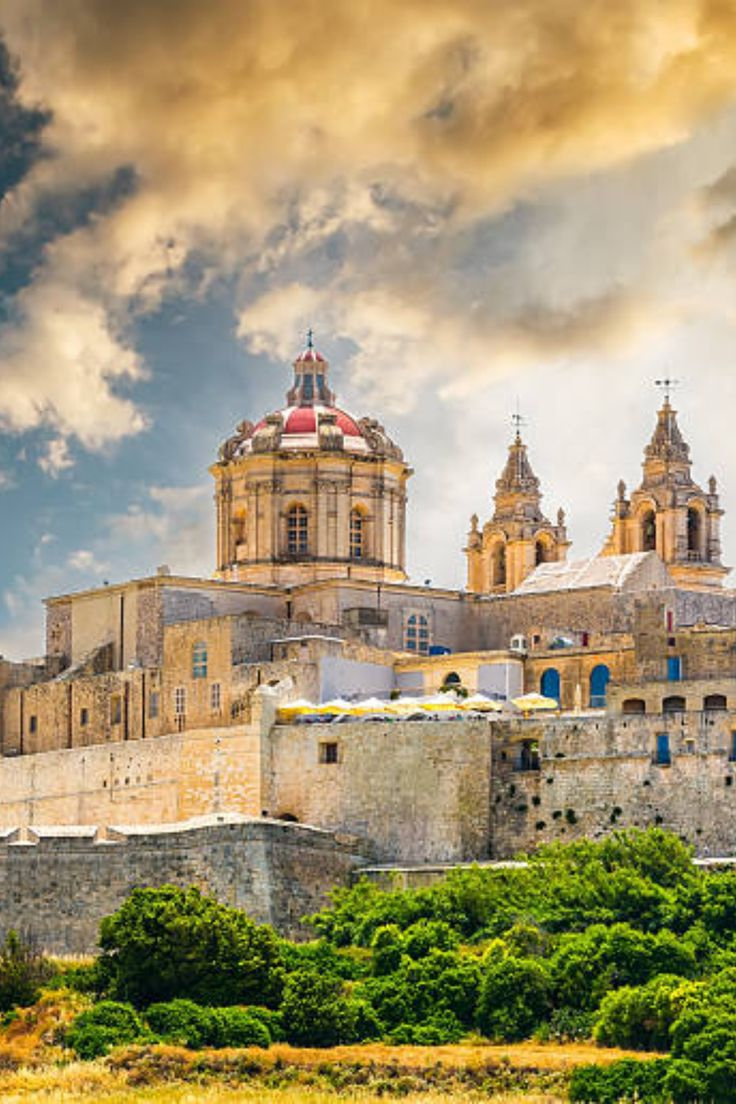
Mdina, the ancient fortified city that served as the capital of Malta before Valletta, occupies a dramatic hilltop position in the centre of the island and offers, from its bastions, a panoramic view across the entire breadth of Malta in every direction. On a clear day you can see the coast in three directions simultaneously: the northern coast with its bays and beaches, the south with its cliffs and the salt pans of Marsaxlokk, and on the clearest winter days even the distant outline of Sicily. The view alone justifies the visit.
But Mdina is far more than a viewpoint. It is one of the most beautifully preserved medieval walled cities in the Mediterranean, its narrow streets of pale limestone buildings almost entirely devoid of cars and of the tourist infrastructure that disfigures so many historic European cities of comparable beauty. The population within the walls is tiny, perhaps 250 permanent residents, and the city is consequently extraordinarily quiet for much of the day: the silence that gives it the nickname of the Silent City is genuine, and it creates an atmosphere of calm and concentrated history that is deeply unusual in any European tourist destination and completely remarkable in one as small as Malta.
The Cathedral of St Paul, which dominates the city from its highest point, was built in 1702 on the site of a Norman cathedral and claims, through an unbroken line of episcopal succession, to be the oldest continuous Christian community in Europe, founded according to tradition by St Paul himself following his shipwreck on Malta in 60 AD. The cathedral's interior is one of the finest Baroque spaces in Malta, and the museum adjacent to it contains Dürer woodcuts, Raphael drawings and a remarkable collection of Maltese silver and art that rewards careful attention.
The Palazzo Falson, a magnificently restored fifteenth-century palazzo in Mdina's main street, gives a vivid impression of the domestic life of the Maltese nobility in the medieval and early modern periods: its rooms are furnished with Sicilian and Maltese baroque furniture, paintings, silver, ceramics and weapons of every kind, and the rooftop terrace offers one of the best views in the city. Mdina is at its most magical in the early morning before the day-trippers arrive, and in the late evening when the crowds have departed and the limestone glows in the warm light of the streetlamps.
Best time to visit Malta: April to June is ideal: temperatures are warm and pleasant between 18 and 24 degrees Celsius, the sea is clear and swimmable from May onward, and the island is not yet crowded with summer visitors. September and October offer the warmest sea temperatures of the year, with the Mediterranean having retained six months of summer warmth, and the crowds and the prices have both moderated significantly from the August peak. Malta in February is cool but surprisingly pleasant for sightseeing, with almost no tourists and the extraordinary light of the winter Mediterranean making the golden limestone of Valletta and Mdina glow more warmly than at any other time of year.
4. The Blue Lagoon and the Beaches of Malta and Comino
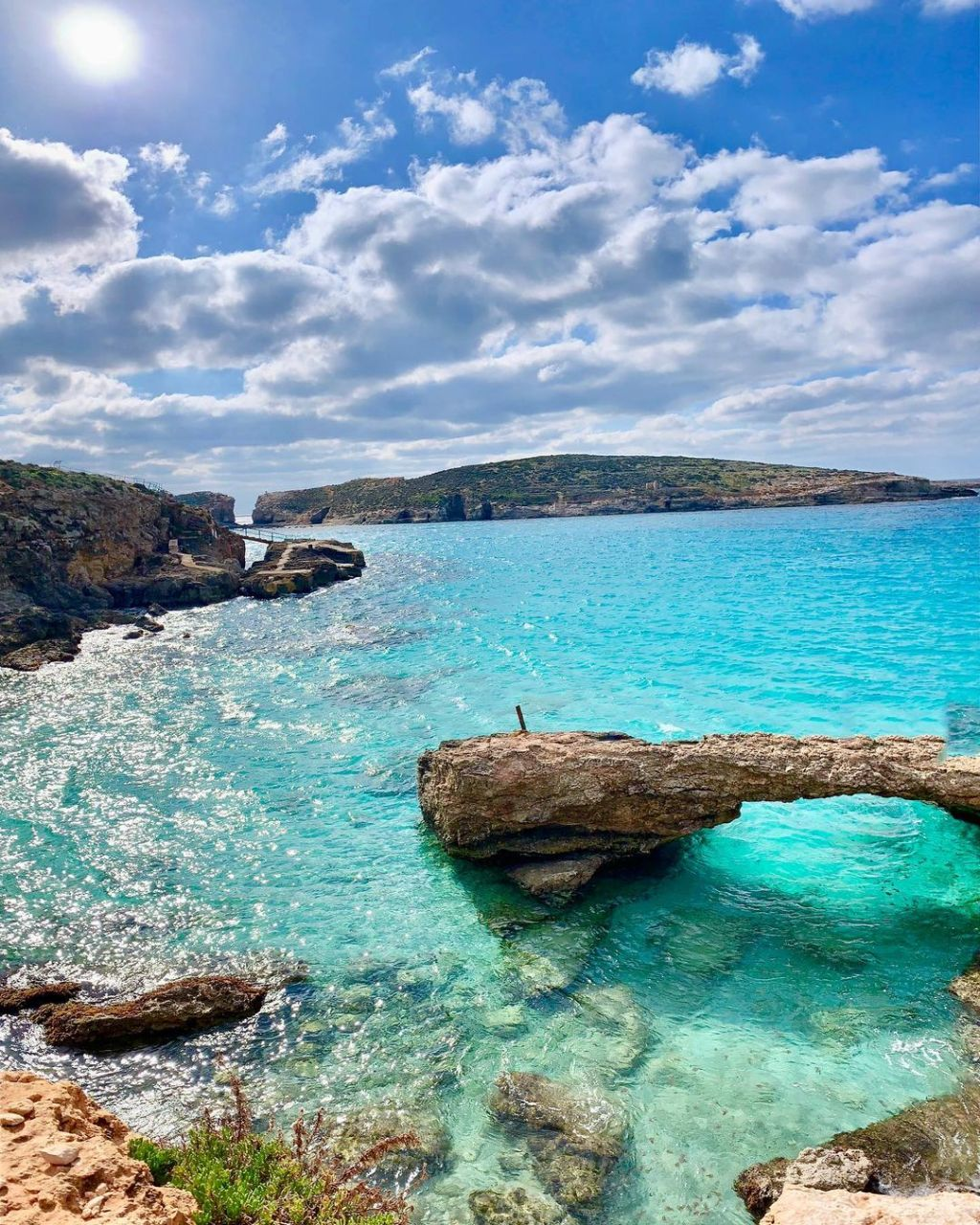
Malta is a stunning seaside destination, and the variety and quality of its beaches and coastal landscapes consistently surprise visitors who arrive expecting the Mediterranean at its most conventional. The island's geology, a compact plateau of limestone that drops to the sea in cliffs and coves on most sides, produces an extraordinary range of coastal environments: dramatic cliffs dropping fifty metres to the sea on the southwestern coast, sheltered sandy bays on the northern coast, crystal-clear rocky coves on the eastern coast, and the extraordinary Blue Lagoon of Comino, the tiny uninhabited island between Malta and Gozo, which is by common consent one of the most beautiful and most intensely turquoise bodies of water in the entire Mediterranean.
The Blue Lagoon occupies a shallow bay between Comino and the tiny islet of Cominotto, its water an extraordinary shade of turquoise that results from the combination of the white sandy bottom, the very shallow depth and the clarity of the Mediterranean light. The colour is real, not a photographic enhancement, and it genuinely astonishes on first sight even for visitors who have seen the photographs many times before. The snorkelling within the lagoon is exceptional, with visibility often exceeding ten metres and a rich variety of Mediterranean marine life including sea urchins, octopus, wrasse and the occasional moray eel visible in the rocky margins of the bay.
The Blue Lagoon is reached by a short ferry crossing from the northern Malta resort of Cirkewwa, with boats running regularly throughout the day in summer. It is important to arrive early: by midday in July and August the lagoon is crowded with day-trippers from the mainland, and the experience of arriving on a quiet morning before the tourist boats is something qualitatively different from joining the afternoon crowds. The only accommodation on Comino is a single hotel, and staying on the island overnight gives access to the lagoon in the extraordinary stillness of the early morning and evening hours when the day-trippers have departed.
On the main island, the best sandy beaches are concentrated on the northern coast: Golden Bay and Ghajn Tuffieha are the two finest, both large, sandy and backed by low cliffs that prevent the overdevelopment that has affected some other Mediterranean beaches. St Peter's Pool near Marsaxlokk on the southern coast is a magnificent natural rock pool that the Maltese themselves consider one of the finest swimming spots on the island, and the lack of tourist infrastructure around it means it retains a genuinely local character. The resort towns of St Julian's and Sliema on the northeastern coast are the liveliest and most cosmopolitan areas of the island, with excellent restaurants, lively bars and a coastal promenade that makes for a fine evening walk.
5. Gozo: The Sister Island of Temples, Cliffs and Vineyards
The island of Gozo, reached by a 25-minute ferry crossing from Cirkewwa in northern Malta, is Malta's sister island and in many ways its complement: smaller, quieter, more agricultural, more dramatically beautiful in its landscape and more distinctly its own in its character. Where Malta is dense with history and urban energy, Gozo feels like a place that has chosen its pace of life deliberately and is entirely content with it. The landscape is greener than Malta's, more deeply folded into valleys, with the golden cliffs of the western coast rising from the sea in formations of extraordinary power.
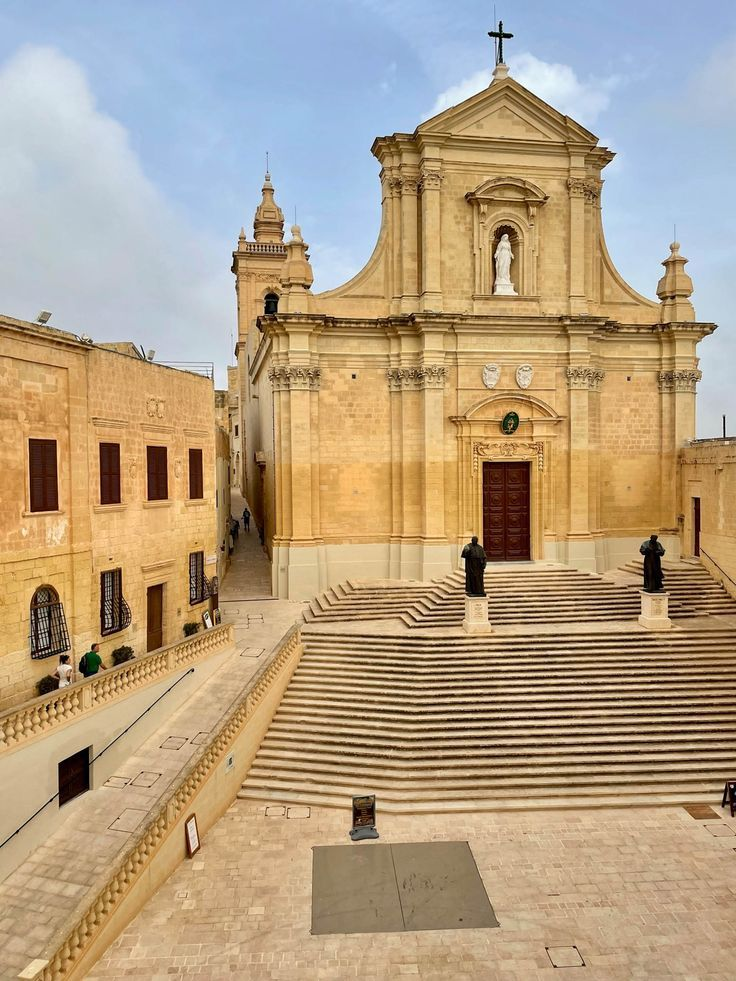
The heart of Gozo is its Citadel, the ancient fortified city that crowns the central hill of the island above the capital Victoria, also called Rabat. The Citadel's history stretches back to Bronze Age settlement and includes Phoenician, Roman, Arab, Norman, Aragonese and Knights of St John occupations, and the buildings within its walls range from medieval to baroque in a compressed ensemble that rivals Mdina in atmosphere and surpasses it in the dramatic quality of its hilltop position. The Cathedral of the Assumption, whose extraordinary trompe l'oeil ceiling creates the illusion of a vaulted dome over what is actually a flat nave, is one of the most charming architectural tricks in the Maltese islands and never fails to delight visitors who look up and then look again.
Gozo also possesses its own prehistoric temples: the Ggantija Temples, near the village of Xaghra, are among the oldest and largest of all the Maltese prehistoric structures, dating from approximately 3600 BC and their name in Maltese meaning simply the giant's tower, a reflection of the awe with which later inhabitants regarded the massive limestone blocks from which they were constructed. The two adjacent temples, the larger dating from around 3600 BC and the smaller from around 3000 BC, are in a remarkable state of preservation, their massive apse walls still standing to a height of nearly six metres in places. UNESCO included them in the World Heritage listing of the Maltese prehistoric temples in 1980.
Gozo's coastal landscape deserves its own day of exploration. The dramatic Dwejra Bay on the western coast, where the famous Azure Window arch stood until its collapse in a storm in 2017, retains its extraordinary geological drama: the Inland Sea, a small lagoon connected to the open sea through a narrow tunnel in the rock, the collapsed dome of the Fungus Rock, and the sheer cliffs of the western coast all combine in a landscape of geological and visual power that is unique in the Mediterranean. The waters off Dwejra are considered among the finest dive sites in Europe, and snorkelling in the Inland Sea and along the cliff base is exceptional.
How to get to Gozo: The Gozo Channel ferry runs from Cirkewwa in northern Malta approximately every 45 minutes throughout the day and night, with more frequent crossings in summer. The crossing takes 25 minutes. The ferry is free for foot passengers. Cars and motorcycles pay a fee on the return journey to Malta only. The ferry can be very busy in summer: arrive at Cirkewwa at least 30 minutes before your intended crossing if travelling by car. Consider staying at least one night on Gozo: the island reveals itself more fully to those who spend time there rather than attempting it as a rushed day trip.
6. Maltese Food, Wine and the Art of Eating Well on the Islands
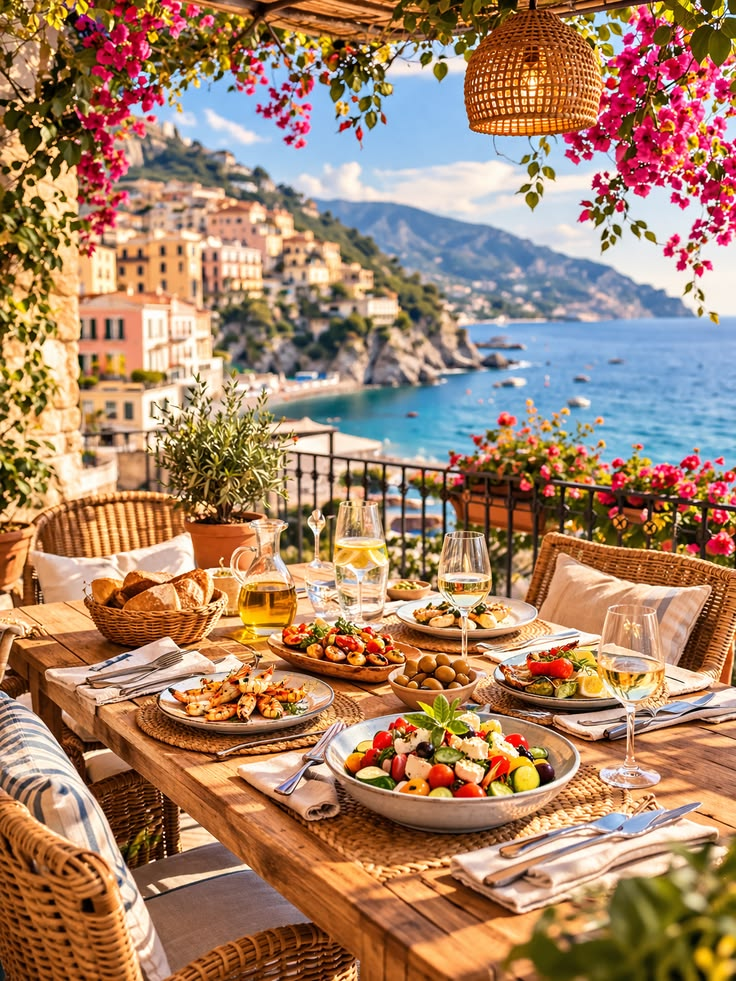
Maltese cuisine is the product of the same extraordinary confluence of cultures that shaped the language, the architecture and the history of the islands: Sicilian, Arab, Norman, Aragonese, French and British influences have all left their mark on a culinary tradition that is at once deeply Mediterranean and distinctly its own. The result is a kitchen of considerable interest for the food-curious traveller, combining the seafood and olive oil of the Italian south with North African spicing, British-influenced pastry traditions and the particular ingredient traditions of a small island culture that has always made extraordinary things from limited resources.
The most emblematic of all Maltese dishes is fenek, rabbit, which is the national food of Malta in the same way that haggis is the national food of Scotland and boeuf bourguignon is the national food of Burgundy. Rabbit is braised slowly with garlic, tomatoes, wine and herbs until it is completely tender and the cooking liquid has reduced to a rich, dark sauce, and it is typically served with ftira, the distinctive Maltese sourdough bread, or with the local pasta. Pastizzi, the savoury pastries of flaky filo-style dough filled with ricotta or mushy peas that you find in every pastizzeria on the island, are the essential Maltese street food and one of the most satisfying inexpensive foods in the Mediterranean. They are best eaten warm from the oven, standing at the counter of a village bar, accompanied by a small black coffee.
Maltese wine has improved enormously in quality over recent decades, with local producers focusing on indigenous varieties such as Gellewza and Ghirgentina that produce wines of genuine character and considerable interest. The island's warm, dry climate and its limestone soils produce reds of impressive concentration and whites of good aromatic freshness, and the best producers, several of whom offer tastings at their estates, are beginning to attract international attention. The Meridiana and Marsovin estates are the largest and most accessible, but smaller producers in Gozo in particular are producing increasingly exciting wines from old vines on the island's volcanic soil.
Malta teaches you something that the famous Mediterranean destinations rarely have time for: that extraordinary history and extraordinary beauty can coexist in a space so small that you can drive across it in forty minutes. That the world's oldest free-standing buildings are here, in the sun, and you can touch the stone that someone cut five thousand years ago. That a harbour can be so beautiful it makes you revise your understanding of what beautiful means. Malta is not a small version of somewhere else. It is entirely, completely, irreducibly itself.
Getting to Malta: Arriving the Right Way
Malta International Airport (MLA), located approximately 8 kilometres south of Valletta, is one of the best-connected small country airports in the Mediterranean, with direct flights from most major European cities as well as connections to North Africa and the Middle East. The most comfortable and direct way to reach your hotel is a private airport transfer, which takes between 15 and 20 minutes to Valletta and between 20 and 30 minutes to the northern resort areas of St Julian's and Sliema.
Public buses operated by Malta Public Transport connect the airport to Valletta Bus Terminal in approximately 30 minutes on lines X4 and X7. From Valletta, the bus network covers the entire island, though journey times to more remote destinations can be lengthy. For exploring the island at your own pace, particularly for reaching the prehistoric temples, Mdina and the beaches of the northern and southern coasts, a hire car is the most practical option: Malta drives on the left, the roads are generally good and the distances are small enough that the entire island is accessible in a day from any base.
Tips for making the most of Malta: Do not try to see everything in a single visit. Malta rewards return trips, and the temptation to pack Valletta, Mdina, the Tarxien Temples, the Hypogeum, the Blue Lagoon and a full day in Gozo into a single week will result in a blur rather than a memory. Choose three or four things that genuinely matter to you and give them the time they deserve. Book the Hal Saflieni Hypogeum ticket months in advance. Hire a car for at least one day to explore the southern and western coasts of the island, which most package tourists never reach. And eat at least once in a village restaurant far from the tourist circuit: the Maltese table at its most authentic is one of the most quietly satisfying food experiences in the Mediterranean.
Comments
No comments yet. Be the first to share your thoughts!
Leave a Comment
Your comment will appear after moderation.