 Michelle
 London is a city built on its own history. Beneath the streets of the City of London, beneath the foundations of office buildings and railway stations and the tunnels of the Underground, lie the physical remains of twenty centuries of continuous human settlement: Roman forums, medieval plague pits, Saxon cemeteries, Georgian infrastructure and the accumulated debris of a civilisation that has never stopped building on top of itself. Every major construction project in central London is simultaneously an archaeological excavation, and few have revealed as much, or as dramatically, as the project that would eventually become the Elizabeth line. During the Crossrail excavations at Charterhouse Square, near Farringdon station, archaeologists discovered approximately 3,000 human skeletons, many of them among the best-preserved and most scientifically significant plague victims ever found.
1. The Discovery: What Engineers Found Beneath Charterhouse Square
The Crossrail project, conceived in the 1990s and finally approved for construction in 2008, was from the beginning understood to be one of the most significant infrastructure projects in the history of London: a 118-kilometre railway line running east to west beneath the city, requiring the excavation of 42 kilometres of new tunnel through the geological and archaeological layers that underlie the metropolis. The project's archaeologists knew from the beginning that they would find things. What they did not fully anticipate was the scale, the condition and the scientific significance of what awaited them at the Charterhouse Square site.
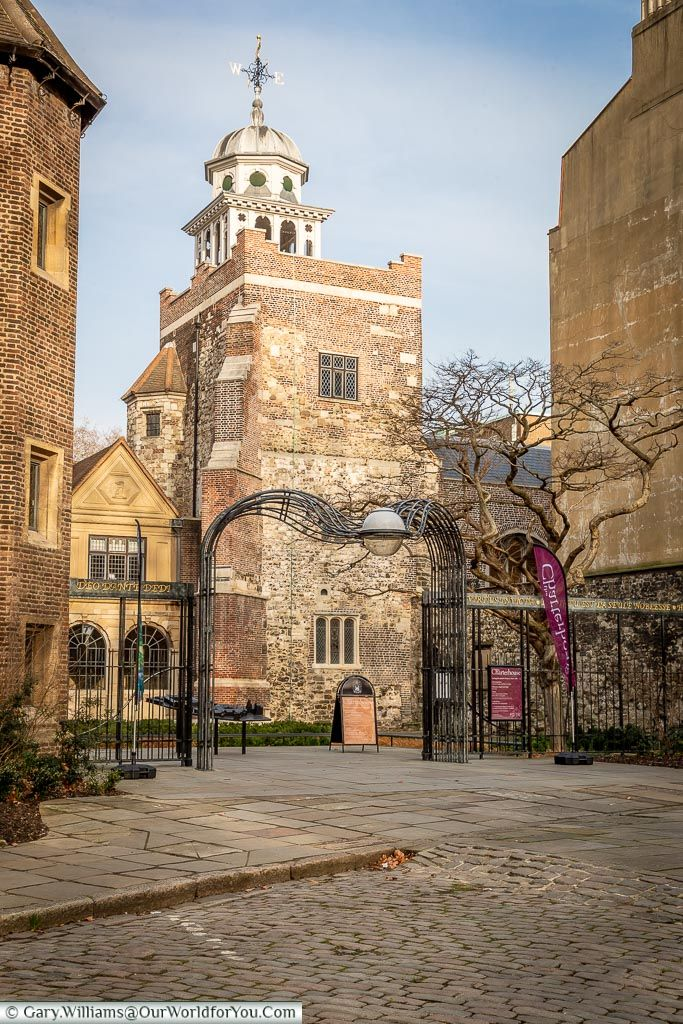
Charterhouse Square is a small, pleasant garden square in the Clerkenwell area of the City of London, surrounded by eighteenth and nineteenth century buildings and overlooked by the medieval gatehouse of the Charterhouse, the former Carthusian monastery that gave the square its name. It had long been known to historians that this area contained a medieval burial ground: written records from the fourteenth century describe the purchase of land here for the burial of plague victims, and skeletal remains had been found in the area during earlier construction work in the nineteenth and twentieth centuries. But no one had excavated the site systematically, and no one had any precise sense of how many individuals were interred there or in what condition.
When the Crossrail excavation team began work at the site in 2013, they found the answer quickly. At a depth of approximately 2.5 metres below street level, beneath the Georgian foundations and the Victorian service pipes and the accumulated centuries of urban deposition, they encountered the first skeletons. Then more. Then more still. By the time the excavation was complete, the team had recovered the remains of approximately 3,000 individuals from this single site, interred in a burial ground that had been in use from the mid-fourteenth century and that represented one of the largest and best-preserved medieval cemeteries ever discovered in Britain.
The condition of the remains was extraordinary. The clay subsoil of the Charterhouse Square site had acted as a natural preservative, keeping the skeletons in a state of preservation that allowed not only the standard archaeological analysis of bone morphology and burial position but, for the first time in a discovery of this kind, the extraction of ancient DNA in sufficient quantity and quality to permit detailed genetic analysis of the individuals interred there and, more significantly, of the pathogen that had killed many of them.
Did you know? London has been continuously inhabited for over two thousand years, and its archaeological record is one of the richest and most complex in the world. The city sits on a deep sequence of archaeological deposits that in some areas reaches fifteen metres or more below the modern street level. Every year, construction projects across London yield finds ranging from Roman coins and medieval pottery to Bronze Age tools and, on occasion, human remains of every period from prehistoric times to the twentieth century. The Crossrail project alone yielded over 10,000 significant archaeological finds from over forty sites across the city.
2. The Black Death in London: The Epidemic That Changed Everything
To understand what was found at Charterhouse Square, you need to understand what the Black Death was and what it did to the city of London in the middle of the fourteenth century. The Black Death arrived in England in the summer of 1348, carried by infected fleas on rats that had made their way overland from the ports of continental Europe, where the epidemic had already been spreading westward from Central Asia for several years. It reached London by the autumn of that year and proceeded to devastate the city with a speed and a comprehensiveness that no previous catastrophe in the city's history had approached.
The disease, caused by the bacterium Yersinia pestis, presented in three forms. The most common was bubonic plague, characterised by the swelling of the lymph nodes, particularly in the armpits and groin, into the dark, painful swellings called buboes that gave the disease its common name. The septicaemic form, in which the bacterium entered the bloodstream directly, was almost invariably fatal and caused the characteristic darkening of the skin, from which the name Black Death derives. The pneumonic form, spread by respiratory droplets and therefore the most contagious, killed with the greatest speed: a person who went to bed healthy could be dead before morning.
In London, the epidemic killed between a third and a half of the entire population in the space of approximately eighteen months. The city in 1348 had a population of perhaps 80,000 to 100,000 people. By the time the first wave of the epidemic had passed in 1350, it had perhaps 50,000 to 60,000 survivors, many of them psychologically and economically devastated. The normal burial infrastructure of the city, its parish churchyards and the grounds of the religious houses, was completely overwhelmed almost immediately. There was simply no space to bury the dead in the normal way, and the sheer volume of corpses arriving daily at the burial sites made the rituals of Christian burial, with their individual prayers and individual graves, impossible to maintain.
The response was the establishment of emergency plague burial grounds outside the densely built core of the medieval city. The Charterhouse Square site was one of these: land purchased specifically for the interment of plague victims, where bodies could be buried in layers, multiple individuals to a grave, in the closest approximation to Christian dignity that the overwhelming circumstances permitted. The written records describe the ground being consecrated and the bodies being buried with prayers, but the reality of what archaeologists found in 2013 tells a story of crisis management as much as of religious ritual: bodies interred rapidly, in multiple layers, in a pattern that speaks of a city overwhelmed by death on a scale it had never previously encountered and could barely comprehend.
3. What the Science Revealed: DNA, Isotopes and the Genetics of Plague
The scientific analysis of the Charterhouse Square remains, led by the Museum of London Archaeology in collaboration with researchers from several British and European universities, produced results that rewrote several aspects of our understanding of the Black Death and of the medieval London population more generally. The quality of DNA preservation in the clay subsoil proved exceptional, allowing researchers to extract ancient genetic material from the dental pulp of the skeletons, which tends to be the best-preserved source of ancient DNA in human remains, and to subject it to the kind of detailed genomic analysis that was simply not possible with older, less well-preserved material.
The most significant scientific finding was the confirmation, through ancient DNA analysis, that Yersinia pestis, the plague bacterium, was present in a substantial proportion of the individuals examined. This was not entirely surprising given the historical context, but the genetic data obtained from the Charterhouse Square remains was of sufficient quality to allow researchers to sequence significant portions of the plague bacterium's genome and to compare it with modern strains and with plague DNA recovered from other medieval sites across Europe. The results contributed to a growing body of evidence about the evolutionary history of the bacterium, its route into Europe from Central Asia, and its relationship to the plague strains that caused subsequent epidemic waves in the fourteenth and fifteenth centuries.
Isotope analysis of the skeletons, which examines the chemical signatures left in bone and tooth enamel by the water and food consumed during a person's lifetime, revealed that the Charterhouse Square population was remarkably diverse in its origins. While the majority of individuals showed isotope signatures consistent with having grown up in London or the surrounding Home Counties, a significant minority showed signatures indicating childhood in other parts of Britain, continental Europe, and in some cases possibly further afield. This was consistent with what historians know about medieval London as a cosmopolitan trading and administrative centre that drew migrants from across Europe, but the isotope data made it possible to quantify that diversity in a way that written records alone cannot achieve.
The analysis of the skeletal pathology, the physical changes to bones caused by disease, injury and long-term physical stress, provided a detailed picture of the health and living conditions of fourteenth-century Londoners. Many individuals showed evidence of anaemia in childhood, probably caused by nutritional deficiency and intestinal parasites. A significant proportion had healed fractures suggesting physically demanding occupations. Dental disease was widespread. The overall impression was of a population that was, by modern standards, in generally poor health even before the plague arrived, with an immune system already compromised by the chronic stresses of medieval urban life.
Best time to visit London for history and archaeology: London's extraordinary museums and historic sites are accessible year-round, but autumn and winter from October to February offer particular advantages for the historically minded visitor: the major museums are significantly less crowded than in summer, the great medieval sites of the City of London are easier to explore at leisure, and the winter light has a quality that suits the ancient and the melancholy particularly well. The Museum of London in the Barbican, which houses the most comprehensive collection of London archaeological material including Crossrail finds, is free to enter and exceptional at any time of year.
4. A City Built on Its Dead: London's Long History of Underground Discoveries
The Charterhouse Square find was extraordinary in its scale and its scientific significance, but it was not the first time that London had yielded its buried dead to construction workers and archaeologists. The city's long history of continuous occupation, its position on a river that has attracted settlement since prehistoric times, and the relentless pace of its construction and reconstruction over two millennia have made it one of the richest and most complex archaeological environments in the world, and its underground infrastructure in particular has a long history of yielding remarkable human remains.
The construction of the original London Underground in the 1860s, the world's first metropolitan railway, required the excavation of shallow cut-and-cover tunnels through the dense archaeological deposits of the Victorian city, and the navvies who dug them regularly encountered the bones of medieval and earlier Londoners, particularly in the areas around the old City of London where burial grounds had existed since Norman times. These finds were largely unremarked and unrecorded at the time: the Victorian builders, working under enormous pressure of time and budget, had neither the inclination nor the archaeological training to document what they found, and most of it was simply removed and disposed of as a nuisance.
Later extensions and improvements to the Underground system in the twentieth century were more archaeologically careful, but the pace of work and the limited archaeological resources of the pre-war and post-war periods meant that much was still lost before it could be properly recorded. The construction of the Jubilee line extension in the 1990s, which passed through some of the most archaeologically sensitive areas of east London, was the first major Underground project to be preceded by a systematic archaeological programme, and it set the template for what would follow with Crossrail.
Beyond the Underground, the continuous process of rebuilding and redevelopment that has shaped modern London has yielded discoveries of every kind and every period. Roman bathhouses have been found beneath office blocks in the City. Saxon cemeteries have emerged beneath housing estates in the suburbs. A Bronze Age boat was discovered in the mud of the Thames near Vauxhall. Viking graves have been identified in east London. And in Paris, just before the London discovery, builders had found human bones beneath a supermarket near the city centre: a reminder that the great European capitals, built on the accumulation of two thousand years of continuous settlement, carry their histories not just in their visible monuments but in the very soil beneath their streets.
5. The Crossrail Project: Building the Elizabeth Line Through Layers of History
The Crossrail project, which opened as the Elizabeth line in May 2022 after years of delay and at a total cost of approximately 18.9 billion pounds, was the largest infrastructure project in European history for much of its construction period, employing over 10,000 workers at peak and requiring the excavation of 42 kilometres of new tunnel beneath one of the most geologically and archaeologically complex cities in the world. From the beginning, the project's planners understood that the archaeological challenge was inseparable from the engineering one, and they made provision for a programme of pre-construction and construction-phase archaeology that was, in scale and ambition, unprecedented in British infrastructure history.
The Museum of London Archaeology was appointed to lead the archaeological programme, and over the course of the excavations between 2009 and 2018 it recovered more than 10,000 significant finds from over forty sites across the route. These ranged from individual coins and fragments of pottery to large structural remains, human burials, animal bones and environmental samples that together painted an extraordinarily detailed picture of London's development from the prehistoric period to the twentieth century. The finds included a Roman road surface with the wheel ruts of two-thousand-year-old carts still visible in the stone, a Tudor bowling alley beneath the site of Liverpool Street station, and the remains of the Bethlem Royal Hospital (Bedlam) psychiatric institution, one of the most notorious and most studied institutions in the history of medicine.
The Charterhouse Square excavation was, by common consent among the project's archaeologists, the most significant single site on the entire route. The combination of the sheer number of individuals recovered, the exceptional state of preservation, and the scientific potential of the ancient DNA had no parallel in the history of British urban archaeology. The project required its own dedicated scientific programme, involving universities in Britain, Denmark, Germany and France, and the results it produced continue to be published and discussed in the scientific literature years after the excavation itself was completed.
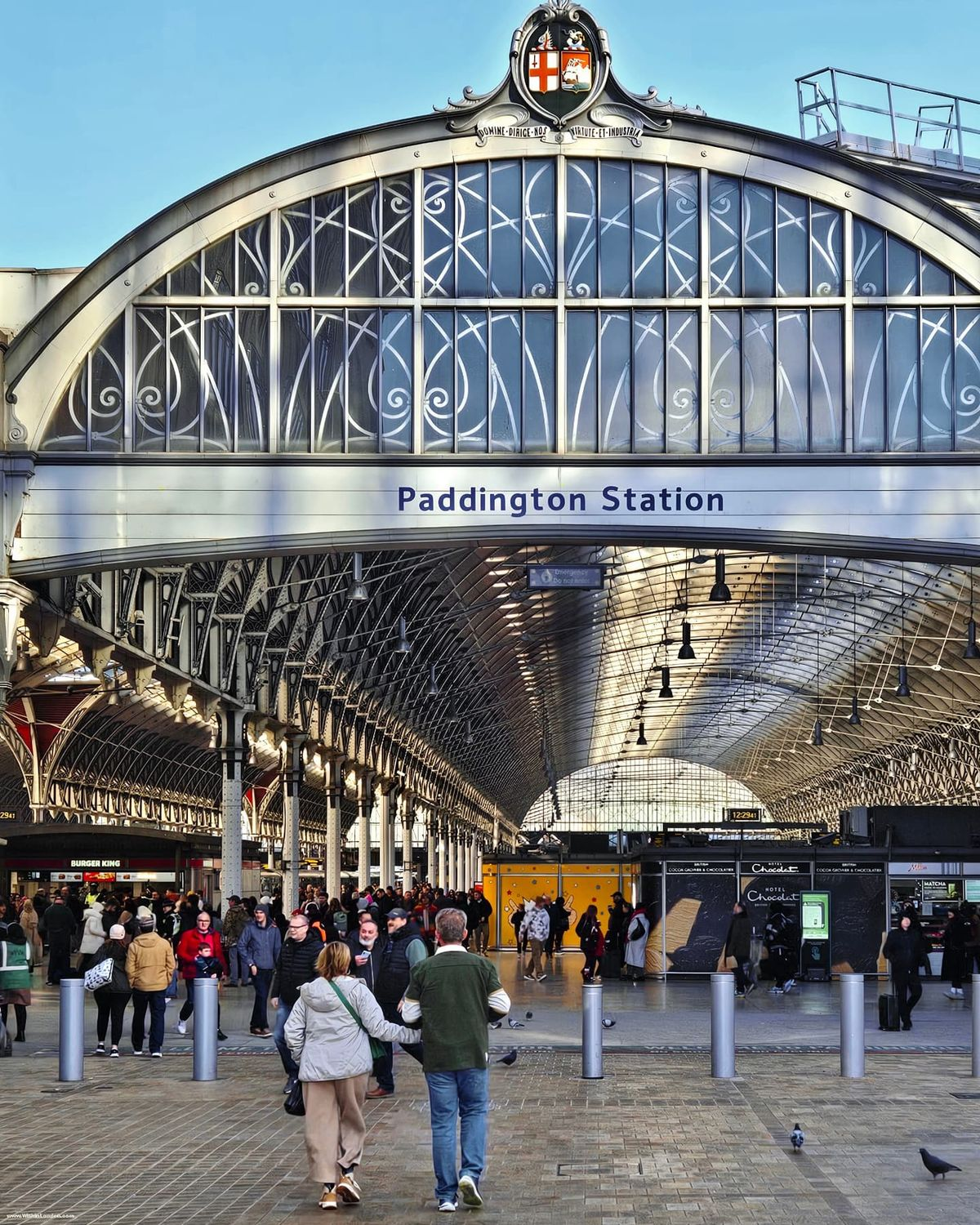
The Elizabeth line today runs directly beneath Charterhouse Square, its trains passing every few minutes through the clay that preserved the remains of the plague dead for seven hundred years. The passengers on those trains, moving between Heathrow and Shenfield or between Paddington and Abbey Wood, are in a very literal sense riding through London's medieval history, separated from it by a few metres of engineering and seven centuries of time. It is an unusual kind of intimacy with the past, and one that the city offers, in its various forms, at almost every turn.
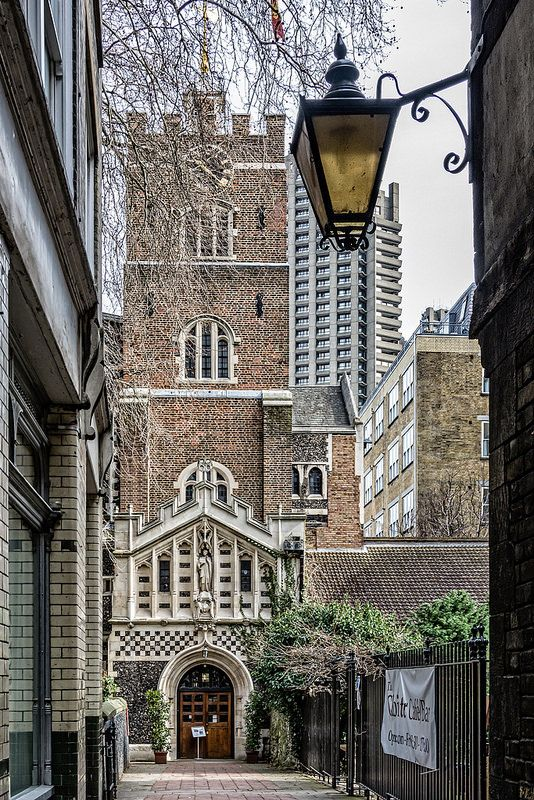
Common tourist mistakes when exploring the history of medieval London: Limiting your visit to the most obvious sites, such as the Tower of London, without exploring the less famous but equally extraordinary remains of the medieval city that survive in the streets and buildings of the City of London. The church of St Bartholomew the Great in Smithfield, just a short walk from Charterhouse Square, is one of the best-preserved Norman buildings in London and dates from 1123. The Charterhouse itself, adjacent to the square where the skeletons were found, is now partly open to the public and contains some of the most atmospheric medieval spaces in the city. And the Museum of London, free to enter, has a permanent exhibition on medieval and Tudor London that puts the Crossrail discoveries in their full historical context.
6. How to Visit the Area and Explore the History of Medieval London
Charterhouse Square is not, in itself, a tourist attraction in the conventional sense: it is a private residential garden square, and access to it is limited. But the area around it is extraordinarily rich in medieval and early modern history, and a morning or an afternoon spent walking through Clerkenwell and Smithfield is one of the finest historical experiences available to any visitor to London, and almost entirely free. The Charterhouse itself, the former Carthusian monastery whose gatehouse overlooks the square, was partially opened to public guided tours in 2017 and offers access to some of the most intact medieval monastic spaces in the city. The great hall, the chapel, the courtyard and the Master's Court preserve an atmosphere that the centuries have not entirely erased, and standing in them it is possible to feel something of the weight of the history that lies beneath the ground nearby.
A short walk west brings you to Smithfield Market, the great meat market that has operated on this site since the twelfth century and that was, in the medieval period, also the city's principal livestock market and the site of some of its most significant public events, including the execution of William Wallace in 1305 and the burning of Protestant martyrs under Queen Mary in the 1550s. The market building itself, a magnificent Victorian iron and brick structure by Horace Jones completed in 1868, is one of the finest market buildings in Europe. Adjacent to it stands the church of St Bartholomew the Great, founded in 1123 and containing some of the finest Norman stonework in London, including the crossing arches and the apse of the original priory church that have survived remarkably intact through nine centuries of use and modification.
The Museum of London, a short walk east in the Barbican, is the essential companion to any exploration of the historical layers of the city. Its permanent galleries cover London from prehistory to the present, with particular strength in the Roman, medieval and Tudor periods, and the Crossrail finds, including material from the Charterhouse Square excavation, have been incorporated into the displays. Entry is free, and the galleries are extensive enough to occupy a full day of serious engagement or a couple of hours of selective viewing depending on your interest and your time.
Every great city is built on the bones of its past. London more literally than most. To walk its streets is to move across a palimpsest of twenty centuries of human life, death, ambition and catastrophe. The 3,000 individuals discovered at Charterhouse Square were not simply archaeological specimens. They were Londoners. They walked these streets, worked in these neighbourhoods, loved people and were loved in return. And then the plague came, and London buried them, and built itself on top of them, and forgot them, for seven hundred years. They deserve to be remembered.
Suggested walking route through medieval Clerkenwell and Smithfield: Begin at Farringdon station on the Elizabeth line. Walk north to Charterhouse Square and circumnavigate the garden. Continue to the Charterhouse gatehouse and, if open, join a guided tour. Walk west along Charterhouse Street to Smithfield Market. Visit St Bartholomew the Great church immediately behind the market. Return east along Long Lane to Barbican station and the Museum of London. The entire walk takes approximately two hours at a leisurely pace and covers one of the densest concentrations of medieval history in London. All elements are free except the optional Charterhouse tour.
Getting to London: Arriving at Heathrow and Reaching the City
London Heathrow Airport (LHR), the main international gateway to the city, is now directly connected to Farringdon station via the Elizabeth line, making the journey from the airport to the area of the Crossrail discovery not only straightforward but historically apt: you arrive in London via the same railway line whose construction revealed the medieval city buried beneath your feet. The Elizabeth line from Heathrow runs directly to Farringdon in approximately 45 to 50 minutes, stopping at Paddington, Bond Street, Tottenham Court Road, Farringdon and Liverpool Street along the way.
For those who prefer a more comfortable and direct arrival, a private airport transfer from Heathrow to any London hotel or address takes between 45 and 60 minutes depending on traffic and deposits you directly at your destination without the need for luggage on public transport. This is particularly recommended for visitors arriving with heavy luggage, travelling in groups, or arriving late in the evening when the combination of journey planning and luggage handling on the Underground is more burden than it needs to be.
Comments
No comments yet. Be the first to share your thoughts!
Leave a Comment
Your comment will appear after moderation.