 Michelle
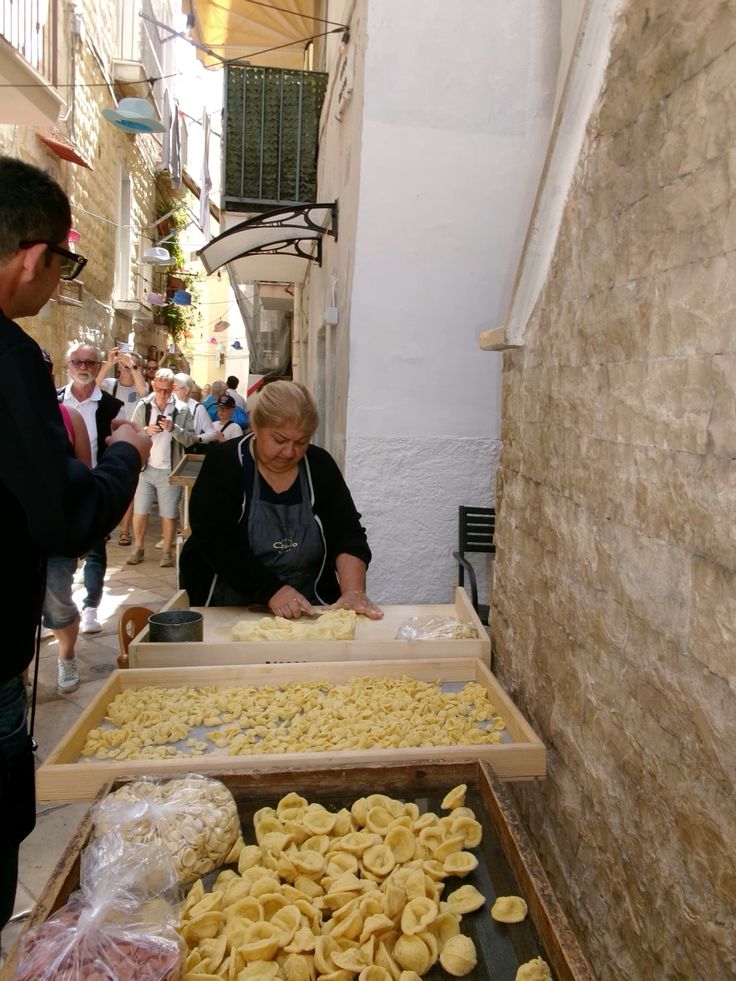
 There is a street in Bari Vecchia, so narrow that two people cannot pass without turning their shoulders, where the air is always thick with the smell of frying dough, boiling tomato and fresh yeast. The women sit on low wooden stools in their doorways, their hands moving with a speed that seems impossible, transforming flour and water into the shape of a small ear. This is the Bari of the kitchen, the Bari of the grandmothers, the Bari that does not appear on postcards but lives in the memory of every Barese who has ever left home. I was born here, and I still dream of these smells. Let me walk you through my city, not with a guidebook but with a fork and a glass. You will not be hungry when we are done.
The Bread of Bari, Focaccia, Friselle and the Ancient Pancotto
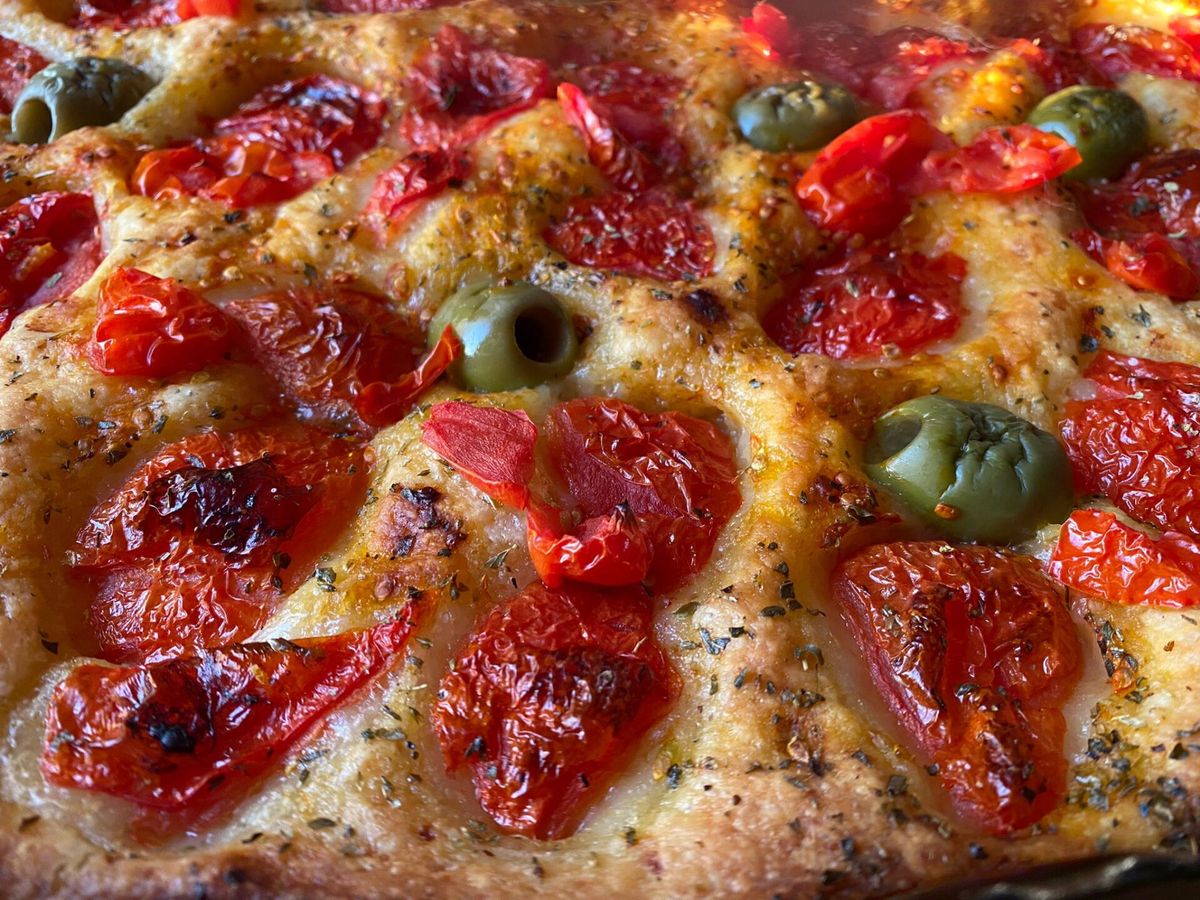
The bread of Bari is not a side dish. It is a foundation, a sustenance, a philosophy. The most famous expression is focaccia barese, a thick, soft, oily focaccia topped with cherry tomatoes, olives, oregano and a generous sprinkle of salt. The dough is enriched with olive oil, and the texture is somewhere between bread and pizza: chewy, fragrant, golden. The best focaccia is eaten hot from the oven, folded in half, torn with the fingers. You will find it in every bakery in Bari Vecchia, but the true connoisseurs know to seek out the bakeries that still use a wood fired oven.
Almost unknown outside of Apulia are the friselle, also called freselle or friseddhe. These are small bagel shaped loaves made from durum wheat or barley, baked twice to remove all moisture and rendered hard as stone [citation:2]. To eat a frisella, you dip it very briefly in cold water, just enough to soften the exterior while keeping the interior crisp, then dress it with olive oil, salt, cubed cherry tomatoes and oregano [citation:2]. The result is a salad on bread, a meal for farmers and fishermen, a taste of the Mediterranean that requires no cooking and no cutlery. A frisella is the lunch of anyone who has no time for lunch.
But the most ancient bread dish in the Barese repertoire, the one that carries the weight of centuries of poverty and ingenuity, is pancotto. The name means cooked bread, and the recipe is a lesson in the art of not wasting. In the old Bari, bread was never thrown away, even when it became hard as stone [citation:9]. The grandmothers would break it into pieces with their hands, drop it into boiling water for a few minutes, then drain it and dress it with olive oil, salt, pepper and a handful of grated cheese [citation:9]. Sometimes they added a few torn leaves of wild rucola or a pinch of chilli. That was dinner. That was the meal that sustained families through the leanest winters. Today, pancotto has been revived in the restaurants of the city, often enriched with potatoes, seasonal vegetables and a poached egg. But the heart of the dish is unchanged: it is the taste of respect for food, the taste of a time when nothing, absolutely nothing, was wasted.
The ritual of the frisella. Do not make the mistake of soaking a frisella for too long. It should be dipped in cold water for no more than five seconds on each side. The centre must remain crisp, the exterior softened. A properly prepared frisella produces a sound when you bite into it: a crack, then a yielding, then the burst of oil and tomato. It is one of the most satisfying textures in all of Italian cooking.
Orecchiette, The Little Ears of the Apulian Table
No food tour of Bari is complete without a pilgrimage to the Strada dell'Orecchietta, the street of the little ear. In this narrow alley of Bari Vecchia, the women of the neighbourhood still make fresh pasta by hand, as their grandmothers taught them, as their great grandmothers taught them. The recipe is simple: semolina flour, water, salt. No eggs. The dough is rolled into long ropes, cut into small pieces, then transformed with a knife and a flick of the thumb into the shape of a small ear, orecchietta [citation:7].
The classic condiment is orecchiette con le cime di rapa, with turnip tops. The cime di rapa are a slightly bitter green that grows wild in the fields of Apulia in the winter months. The preparation is a model of balance: the pasta and the greens are boiled together, drained, then tossed in a pan with a soffritto of garlic, chilli and anchovies dissolved in olive oil [citation:7]. The anchovies do not announce themselves. They melt into the oil, providing salt and depth without fishiness. The bitterness of the turnip tops is tempered by the sweetness of the pasta and the heat of the chilli. The result is a dish that is satisfying, surprising and entirely addictive.
In the summer months, when the cime di rapa are not in season, the Baresi turn to orecchiette pomodorini e cacio alla barese, the little ears with cherry tomatoes and local cheese [citation:10]. The tomatoes are sweet and bursting with flavour, the cacio is a sharp, crumbly cheese made from sheep's milk, and the combination is as simple as it is perfect. The pasta is boiled, drained, and finished in the pan with raw tomatoes, olive oil, basil and a generous grating of cheese. It is the taste of the Apulian summer, and it is gone too soon.
A recipe from the grandmothers. To make orecchiette at home, take 400 grams of semolina flour and 200 millilitres of warm water. Mix to form a firm dough. Knead for ten minutes. Rest for thirty minutes. Roll into a rope the thickness of a finger. Cut into centimetre wide pieces. Press each piece with a butter knife, drag it toward you, then flip it inside out with a flick of the thumb. The motion is not difficult, but it requires practice. The first hundred will be imperfect. The second hundred will be acceptable. The third hundred will be orecchiette.
The Tiella Barese, Rice, Potatoes and Mussels in Perfect Harmony
The tiella barese, also known as riso, patate e cozze, is the signature baked dish of Bari. The name comes from the tiella, the terracotta casserole dish in which it is cooked [citation:3]. The ingredients are simple: rice, potatoes, mussels, tomatoes, onions, parsley, garlic and a generous amount of olive oil. But the assembly is an art.
The dish is built in layers. A layer of sliced potatoes on the bottom, then a layer of rice, then a layer of mussels in their shells, then a layer of tomatoes and onion, then more potatoes, more rice, more mussels, until the tiella is full. The liquid from the mussels and the tomatoes steams the rice and softens the potatoes, and the olive oil rises to the top to create a golden, crispy crust. The flavours meld in the oven: the sweetness of the potatoes, the brininess of the mussels, the acidity of the tomatoes, the starchiness of the rice. It is a complete meal in a single dish, and it is the most beloved comfort food of the Barese table.
There is an old story about the tiella. It is said that in the poorest families, one could measure the wealth of the household by counting the mussels on top of the tiella. The rich families covered the surface with mussels. The poor families used only a few, or none at all, limiting themselves to rice and potatoes [citation:3]. Today, the tiella is made without such distinctions, and the mussels are generous. But the memory of that poverty, that creativity, that refusal to waste, is baked into every bite.
The Street Food of Bari, Sgagliozze, Panzerotti and the Spleen Sandwich
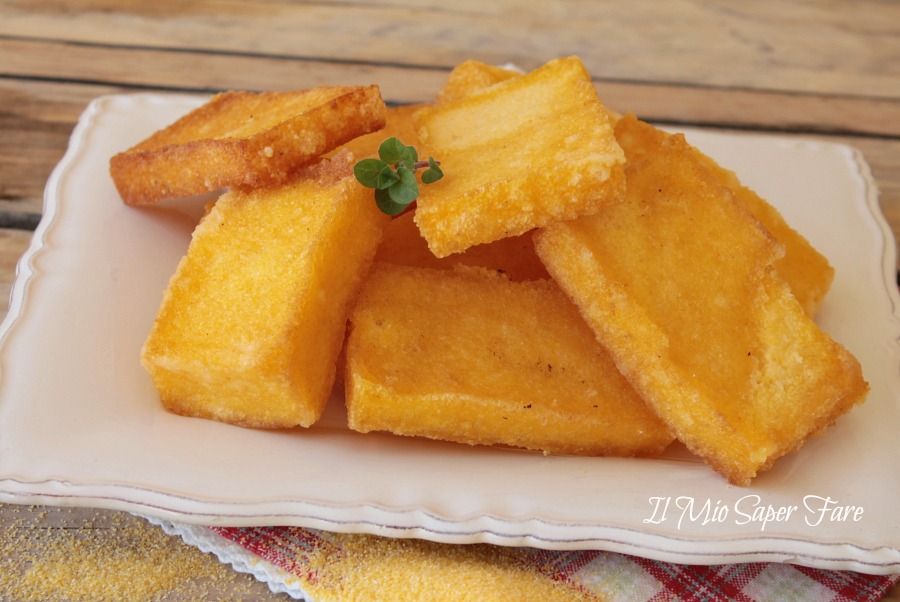
The street food of Bari is not a trend. It is a tradition, a livelihood, a way of life. The most beloved street snack is the sgagliozza, a rectangle of fried polenta [citation:6]. The polenta is made from cornmeal, spread thin on a wooden board, cut into squares and fried in boiling oil until golden and crisp. The outside shatters, the inside is soft and yielding, and the whole thing is dusted with salt and eaten hot, from a paper cone, with the fingers. The sgagliozze were originally sold after Mass on the feast day of Saint Nicholas, the patron saint of Bari, on December 6 [citation:6]. Today, they are sold throughout the year from carts and small shops in Bari Vecchia, and they are the perfect snack at any hour.
The panzerotto is a fried turnover of pizza dough, stuffed with mozzarella, tomato and, sometimes, ham or mushrooms [citation:6]. The dough is stretched thin, filled, folded into a crescent, sealed and plunged into hot oil. The panzerotto emerges golden and puffed, the cheese molten, the dough crisp and chewy. It is eaten immediately, straight from the fryer, and it burns the fingers and the mouth, and no one cares.
For the adventurous eater, Bari offers the pane con la milza, the spleen sandwich. The spleen, along with lung and trachea, is boiled, then sliced thin and piled onto a soft roll. The sandwich can be ordered schietto, without ricotta, or with ricotta, and is finished with a squeeze of lemon and a grating of sharp pecorino cheese. The flavour is mild, earthy, almost sweet. The texture is tender. The sandwich is not nearly as alarming as it sounds, and it is one of the most authentic expressions of the Barese street food tradition.
Fave e Cicoria, The Taste of the Poor Kitchen
Fave e cicoria is the emblem of the Apulian cucina povera, the poor kitchen that transformed humble ingredients into dishes of extraordinary flavour [citation:1]. The fave are dried broad beans, soaked overnight, then cooked slowly with water, olive oil and salt until they collapse into a creamy, golden puree. The cicoria is wild chicory, a bitter green that grows in the fields of the Apulian countryside, boiled until tender, then dressed with olive oil and garlic [citation:1].
The dish is served as a combination: a mound of the warm, velvety fava puree, and on top, a heap of the dark, bitter cicoria. The flavours are a study in contrast: the sweetness of the beans against the bitterness of the greens, the creaminess against the slight chew. It is a dish of the winter, when the cicoria is at its most abundant and the dried beans from the previous harvest are stored in the pantries. It is also a dish of memory. Every Barese of a certain age remembers eating fave e cicoria as a child, remembers their grandmother stirring the pot, remembers the smell of the bean puree filling the kitchen on a cold evening.
The recipe is simple, but it requires patience. The dried fava beans must be soaked for at least eight hours. They are then rinsed, covered with fresh water, and brought to a gentle boil. A foam will rise to the surface; it must be skimmed away. The beans cook for an hour or more, until they are soft enough to crush with a fork. Some cooks add a bay leaf or a clove of garlic to the cooking water. Some finish the puree with a splash of olive oil and a grinding of black pepper. The cicoria is boiled separately in salted water, drained, and then lightly sautéed with olive oil and garlic. The two components are served together, and the eater is expected to mix them on the plate, allowing the bitter greens to cut through the sweetness of the beans. It is not a beautiful dish. It is a deeply satisfying one.
The Sea on the Table, Raw Seafood and the Octopus of the Fishermen
Bari is a city of the sea, and the sea appears on the table in every season. The most authentic seafood experience is to visit the Porto Peschereccio, the fishing port, early in the morning, when the boats return with their catch and the fish is unloaded onto the dock. The small kiosks and carts in the port serve the catch of the day raw, simply dressed with lemon, olive oil and parsley, or fried in a paper cone. The raw shrimp are sweet as candy. The sea urchins are a revelation: briny, creamy, tasting of the deep sea. The fried calamari and the mixed fry of tiny fish, the frittura di paranza, are crisp and light, the oil fresh, the seasoning minimal.
The signature seafood dish of Bari is polpo alla pignata or, in the local dialect, pulpe che l'acqua lore, octopus cooked in its own water. The fishermen of Bari have a secret technique: before cooking, they beat the octopus against a smooth rock to tenderize the flesh, then they gently move it in a basin of water to make it curl [citation:4]. The octopus is then cooked slowly with onion, a few cherry tomatoes, parsley, and a little pepper, in a terracotta pignata, a pot that retains heat and distributes it evenly [citation:4]. The result is an octopus that is tender, not rubbery, infused with the flavours of the sea and the vegetables. It is served with a wedge of lemon and a piece of bread to soak up the sauce. It is the taste of the Adriatic on a plate.
The Wines of the Barese Territory, Primitivo di Gioia del Colle
No meal in Bari is complete without a glass of Primitivo, the great red grape of Apulia. The most distinguished expression of this variety comes from the hills of Gioia del Colle, a town located approximately forty kilometres south of Bari, on the edge of the Murge plateau. The story of Primitivo in Gioia del Colle begins at the end of the 18th century, when a local churchman named Filippo Indellicati identified a vine that ripened earlier than the others, a characteristic that reduced its exposure to disease and mould [citation:8]. He called the grape Primativo, meaning early ripening, and the name later became Primitivo [citation:8].
Primitivo di Gioia del Colle DOC is a wine of considerable structure and elegance. The colour is a deep, intense ruby red, tending toward garnet with age. The nose offers notes of violet, blackberry, mulberry, sour cherry, and a distinctive balsamic and spicy quality [citation:8]. On the palate, it is full bodied and austere, with important tannins and a good acidity that gives it length and ageing potential. The Riserva version requires two years of maturation and can reach alcohol levels of 16 or even 17 degrees, with a long, persistent finish [citation:8]. This is the wine to drink with the roasted meats of the Apulian countryside, with the aged cheeses, and, for the adventurous, with the tiella barese.
Not far from Gioia del Colle, the Primitivo di Manduria is a different wine: softer, sweeter, with more residual sugar and less austerity. It is the fruitier, more immediately appealing expression of the same grape, and it is more widely known internationally. The Primitivo di Gioia del Colle, in contrast, is the connoisseur's Primitivo, the one that demands attention and rewards patience. The production is limited to approximately two million bottles per year, a tiny fraction of the total Primitivo produced in Apulia [citation:8]. It is not always easy to find outside of the region, but in Bari, it is on the wine list of every serious restaurant.
For white wines, look for Falanghina, a crisp, floral, mineral white that grows in the sandy soils of the Apulian coast, and Greco di Tufo, more structured and complex, with notes of citrus and honey. The rosé of the region, Gioia del Colle Rosato, made primarily from Primitivo grapes, is a pale, delicate wine with aromas of wild strawberry and rose petal, perfect for a summer afternoon with a plate of raw seafood.
A note on wine service in Bari. In the osterie of Bari Vecchia, the wine is often served in a carafe, not a bottle, and the label is a mystery. This is not a sign of poor quality. It is a sign of a restaurant that buys from local producers and does not feel the need to impress with names. The wine in the carafe will be young, fresh and inexpensive, and it will be exactly the right wine for the food on your table. Trust the carafe.
The Sweets of the Grandmothers, Cartellate for Christmas
The sweetest memory of the Barese culinary tradition is the cartellata, a fried pastry that appears on every table in Bari during the Christmas season. The recipe has been passed down for generations. The dough is made from flour, semolina, olive oil, white wine and eggs [citation:5]. It is rolled very thin, cut into long strips, folded into a ribbon that is then pinched at intervals to create a row of cavities, and finally rolled into a spiral shape, a cartellata. The pastries are left to dry for twelve hours, then fried in peanut oil until golden and crisp [citation:5].
The final step is the baptism. The cartellate are dipped in vincotto, a syrup made from cooked grape must, reduced slowly over low heat until it thickens and darkens, taking on the flavour of figs, prunes and spice. Some families add a little sugar to the vincotto to make it more caramelised, some add a splash of cooked wine, some add cocoa for a darker, more bitter note [citation:5]. The cartellate absorb the syrup through their cavities, becoming soft and sticky on the inside while remaining crisp on the outside. They are then dusted with powdered sugar or, in some homes, sprinkled with toasted almonds or chopped walnuts.
The recipe I am giving you today comes from a grandmother born in Bari in 1913, and she learned it from her mother, who learned it from hers [citation:5]. In every Barese family, there is a variation. Some add grated lemon zest to the dough. Some use white wine, some use rosé. Some fry the cartellate in olive oil, some in peanut oil. Some dip them in vincotto once, some twice. What they all share is the memory of making them together, of the kitchen filled with the smell of frying dough and boiling must, of the children stealing the broken pieces before they are dipped, of the cartellate that remain crisp until the Epiphany. This is the taste of Christmas in Bari.
A Dedicated Food and Wine Day Tour in Bari
The following itinerary is designed for the serious eater, the traveller who wants to taste the city rather than just see it. It is a full day of walking, eating, drinking and walking again. Wear comfortable shoes. Come hungry. Do not ask for substitutions.
Morning, The Strada dell'Orecchietta and the Morning Market
Begin your day in Bari Vecchia, on the Strada dell'Orecchietta. Arrive by 9:00 AM, when the women are already at their doorsteps, their boards set up, their hands moving. Watch them work. Ask them questions. They are proud of their skill and happy to explain. Buy a bag of fresh orecchiette to take home. Then walk to the Mercato di Santa Scolastica, the covered market near the castle. The stalls are overflowing with olives, cheeses, salamis, dried tomatoes, artichokes preserved in oil, and breads of every shape and size. Sample the burrata, a cow's milk cheese with a creamy, stracciatella filled centre, and the stracciatella itself, the soft, stringy curd that is the filling of the burrata. Buy a piece of focaccia from a bakery stall and eat it warm, standing among the crates of fruit and the hanging salamis.
Late Morning, Sgagliozze and Panzerotti
Walk to the edge of Bari Vecchia, near the Piazza Mercantile, and find the cart of a sgagliozza vendor. The polenta will be frying in a large pan of oil, the squares turning golden and crisp. Order a cone of sgagliozze, dusted with salt, and eat them as you walk. Then, find a panzerotto vendor. The panzerotto should be made to order: the dough stretched, filled, folded, sealed and plunged into the oil. Wait the two minutes it takes to fry. Eat it immediately. The cheese will be molten, the tomato sauce will be hot, and you will burn your mouth. You will not care. You will order another.
Lunch, A Tiella Barese
For lunch, find a trattoria that serves tiella barese. Not every restaurant has it on the menu every day. It is a dish of the home, not always of the restaurant. If you cannot find tiella, order orecchiette con le cime di rapa. Drink a glass of Primitivo di Gioia del Colle with it. The wine will be young, maybe a year or two old, but it will have the structure to stand up to the anchovies and the bitter greens. Do not drink the wine too cold. It should be cellar temperature, around 16 degrees Celsius.
Early Afternoon, The Porto Peschereccio
Walk to the fishing port. The boats will be in, the nets spread out on the dock to dry, the fishermen sitting in the shade mending their gear. Find a kiosk selling raw seafood. Order a plate of raw shrimp, a plate of marinated anchovies, and if they have them, sea urchins. The urchins are opened with scissors, the orange tongues are loosened with a spoon, and you eat them directly from the shell, with nothing but a squeeze of lemon. They taste of the sea in its purest form. If raw seafood is not to your taste, order a cone of fried calamari and small fish. The fry should be light, not greasy, the coating thin and crisp.
Late Afternoon, A Wine Tasting
Bari has several enotecas that offer tastings of local wines. Enoteca Fontana del Vin, near the cathedral, offers flights of Primitivo from different producers, allowing you to compare the austere Gioia del Colle with the softer Manduria. The staff are knowledgeable and patient. Allow an hour for the tasting. Do not swallow every mouthful. It is acceptable to taste and spit, especially if you are going to dinner later.
Evening, A Final Dinner
For your final dinner, choose a restaurant that specialises in the cucina povera: fave e cicoria, pancotto arricchito with poached egg, polpo alla pignata. The wine should be a mature Primitivo di Gioia del Colle Riserva, at least five years old, with the tannins softened and the flavours deepened. Finish with a glass of vincotto, the same syrup that coats the cartellate, served in a small glass as a digestif. It is thick, sweet, and warming, and it tastes of figs and time. It is the taste of Bari, and you will carry it with you.
A note on pacing. Do not attempt to eat everything in a single day. The itinerary above is designed for a full day of eating, but you can spread it over two or three days if you prefer. The quality of your experience will be higher if you do not force yourself to finish every course. Leave room for spontaneity. The best meals in Bari are often the ones you do not plan: a glass of wine at a random enoteca, a plate of salumi at a bar you stumbled into, a conversation with a local who recommends a dish not in any guidebook.
Transport Tips, Arriving in Bari for Your Food Tour
Bari is easily accessible by air and rail. Bari Karol Wojtyła Airport (BRI) is located approximately 12 kilometres northwest of the city centre. The most comfortable way to reach your hotel is by private transfer with Airport Connection. Your driver will meet you at arrivals, assist with luggage, and deliver you directly to your hotel in the historic centre. The journey takes 20 to 25 minutes, and the price is fixed, with no hidden costs. Book at least 48 hours in advance for the best availability.
If you prefer public transport, the Ferrovie del Nord Barese train runs from the airport to the city centre every 30 minutes and takes approximately 20 minutes. The AMTAB city bus line 16 connects the airport to the city centre, with a journey time of 35 minutes. However, if you are carrying luggage or arriving after a long flight, the private transfer is strongly recommended. The last thing you want to do before a food tour is drag a suitcase through the alleyways of Bari Vecchia.
Once you are in Bari, the best way to explore is on foot. The historic centre is compact and flat, and the distances between the markets, the bakeries and the restaurants are short. Wear comfortable shoes. The pavement in Bari Vecchia is made of chianche, the local limestone, which is smooth and slippery when wet. Walk carefully, and look up as often as you look down. The city reveals itself slowly, at eye level and above.
How to book your transfer with Airport Connection. Select your pickup location, Bari Karol Wojtyła Airport (BRI). Enter your destination in Bari, either your hotel address or a landmark such as the Basilica of Saint Nicholas. Specify the number of passengers and the amount of luggage. The system calculates a fixed price instantly. Confirm your booking online, and you will receive a confirmation email with your driver details and meeting instructions. Book at least forty-eight hours in advance for the best availability.
Book Your Transfer →
Conclusion, A City to Be Eaten
Bari is not a city of monuments. It is a city of flavours. The taste of fresh orecchiette, still warm from the boiling water, tossed with garlic and anchovies and the bitter greens of the field. The crunch of a sgagliozza, the salt on the tongue, the oil on the fingers. The smell of the focaccia in the morning, the yeasty, olive oily scent that drifts through the alleyways and pulls you out of bed. The sweetness of the cartellate at Christmas, the vincotto sticky on the lips, the powdered sugar dusted on the plate. These are the memories that last. These are the reasons to return. Bari is a city to be eaten, not just seen. And it is waiting for you, with its pots simmering and its wine glasses filled, to come and taste it for yourself.
Comments
No comments yet. Be the first to share your thoughts!
Leave a Comment
Your comment will appear after moderation.