 Michelle
 Genoa does not shout. Unlike Rome with its imperial trumpets or Florence with its Renaissance fanfares, Genoa whispers. Its glories are hidden in narrow alleyways called caruggi, behind the doors of palaces that do not reveal their splendour from the street, in the pages of a maritime history that shaped the Mediterranean for centuries. The city has been called La Superba, the Proud One, and the name fits. Genoa has never needed to perform for visitors. It has simply continued to be itself: a vertical city of stone and sea, of ancient wealth and modern industry, of pesto and focaccia, of sailors and bankers, of Christopher Columbus and the greatest aquarium in Europe. I was born here, in a small apartment overlooking the Piazza delle Vigne, and I have spent thirty years learning to read the city's stones. They speak in fragments, in layers, in the soft accent of the Genoese dialect. Five days is the minimum time required to begin understanding what they are saying. Come with me. I will walk you through my Genoa.
Day 1 — Piazza De Ferrari, the Teatro Carlo Felice and the Doge's Palace
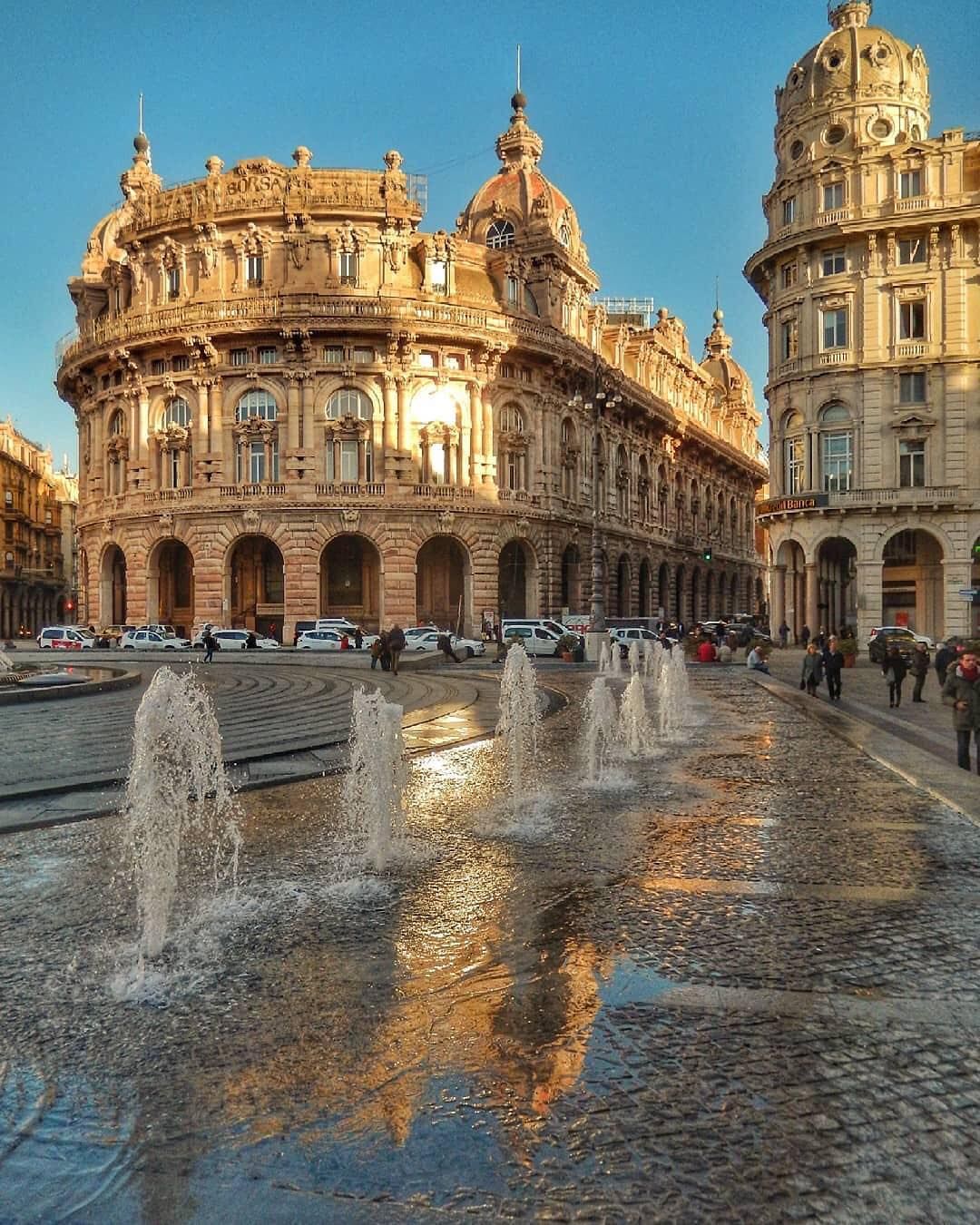
Begin your first morning at the heart of modern Genoa, Piazza De Ferrari. The square is dominated by a monumental bronze fountain, its water rising and falling in a rhythm that has become the auditory signature of the city. Around the fountain, the buildings tell the story of Genoa's 19th century revival: the Palazzo della Regione, the Palazzo della Borsa, the Teatro Carlo Felice and the Palazzo Ducale. Do not rush. Stand in the centre of the piazza and turn slowly. You are standing where the ancient city meets the modern city, where the caruggi of the medieval centre spill out into the grand boulevards of the 19th century expansion.
The Teatro Carlo Felice is the city's opera house, named after the king of Sardinia who funded its construction. The original theatre opened in 1828. It was almost completely destroyed by the bombing of February 1941, one of the most devastating air raids of the Second World War in Italy. For half a century, the city argued about what to build in its place. The solution, inaugurated in 1991, was a compromise: the neoclassical portico and the grand foyer were reconstructed from the original plans, while the main auditorium was built in a sober, almost severe modern style that some Genoese still resent and others defend with passion. The acoustics, however, are extraordinary. If your visit coincides with a performance of opera or classical music, do not hesitate. Book a ticket. You will experience one of the finest acoustic spaces in Italy.
Next to the theatre, the Palazzo Ducale was the seat of the doges of the Republic of Genoa, the elected rulers who governed the city for more than five centuries. The palace is a palimpsest of architectural styles, with medieval foundations, Renaissance loggias, Baroque halls and modern exhibition spaces. The most spectacular room is the Sala del Maggior Consiglio, the Great Council Hall, a vast space that once held the 400 members of the Genoese parliament. The ceiling is a fresco celebrating the glory of the Republic. The walls are lined with portraits of the doges, each one staring down at you with the calm authority of men who commanded the most powerful maritime republic in the Mediterranean. The palace now hosts temporary art exhibitions, and the ticket price is reasonable for the quality of the shows.
A curious story. The Teatro Carlo Felice was not the first opera house on this site. The original building was constructed in 1828. During the bombing of 1941, the director of the theatre, a man named Giovanni, refused to leave the building. He was last seen in the foyer, surrounded by falling masonry, shouting at the German and Italian anti aircraft gunners to aim more carefully. His body was never found. Some Genoese believe he still walks the corridors of the theatre on the anniversary of the bombing, checking that the seats are properly aligned. The theatre management has never officially commented, but no member of the night staff will work alone on February 7.
For lunch on your first day, I will take you to Trattoria Da Maria on Via Balbi, a family run restaurant that has been serving Genoese classics since 1965. Order trenette al pesto, the long flat pasta with the world famous sauce of basil, pine nuts, Parmesan, pecorino, garlic and Ligurian olive oil. The pesto here is made fresh every morning, by hand, in a marble mortar with a wooden pestle. The difference between this and the industrial pesto you have tasted elsewhere is the difference between a symphony and a child pounding on a piano. The pesto is bright green, fragrant, intensely savoury, and it coats every strand of the trenette in a way that seems impossible. A glass of Vermentino, the crisp white wine of the Ligurian coast, is the only acceptable accompaniment. Do not ask for red. Do not ask for anything else. Trust me.
In the afternoon, explore the Museo di Palazzo Reale, the Royal Palace of Genoa, built in the 17th century for the Balbi family and later acquired by the Savoy dynasty. The palace is a masterpiece of Genoese Baroque, with a grand staircase adorned with frescoes by the most celebrated painters of the period, a throne room of breathtaking opulence, and a ballroom that looks out over the port of Genoa. The view from the terrace is one of the finest in the city: the ancient port, the lighthouse, the hills of the Riviera and, on clear days, the first blue smudge of the Apuan Alps. The palace is less visited than the Rolli Palaces, which is to your advantage. You will have rooms almost to yourself.
For dinner, reserve at Osteria del Vico Palla, a tiny restaurant hidden in a caruggio near the Piazza delle Erbe. The room has six tables, the menu is written on a blackboard in Italian only, and the owner, a woman named Gabriella, will tell you what to order. Do not argue with her. She will bring you pansoti, a stuffed pasta shaped like a priest's hat, filled with a mixture of herbs and ricotta, and served with a sauce of walnuts, pine nuts and cream. The sauce is rich, earthy, profoundly satisfying. Follow it with coniglio alla ligure, rabbit cooked in white wine, olives and rosemary. The rabbit is falling off the bone. The sauce is so good you will ask for bread to wipe the plate. Gabriella will pretend not to notice. She is Genoese. She has seen everything.
Day 2 — Via Garibaldi and the Rolli Palaces, a UNESCO Wonder
Your second day is dedicated to the Rolli Palaces, the system of aristocratic residences that earned Genoa a UNESCO World Heritage designation in 2006. The word rolli refers to the official lists (rolli) of palaces that were required to host state visits by popes, emperors and other dignitaries. These were not ordinary houses. They were statements of power, wealth and cultural sophistication, built by the banking and merchant families who made Genoa one of the financial capitals of Renaissance Europe.
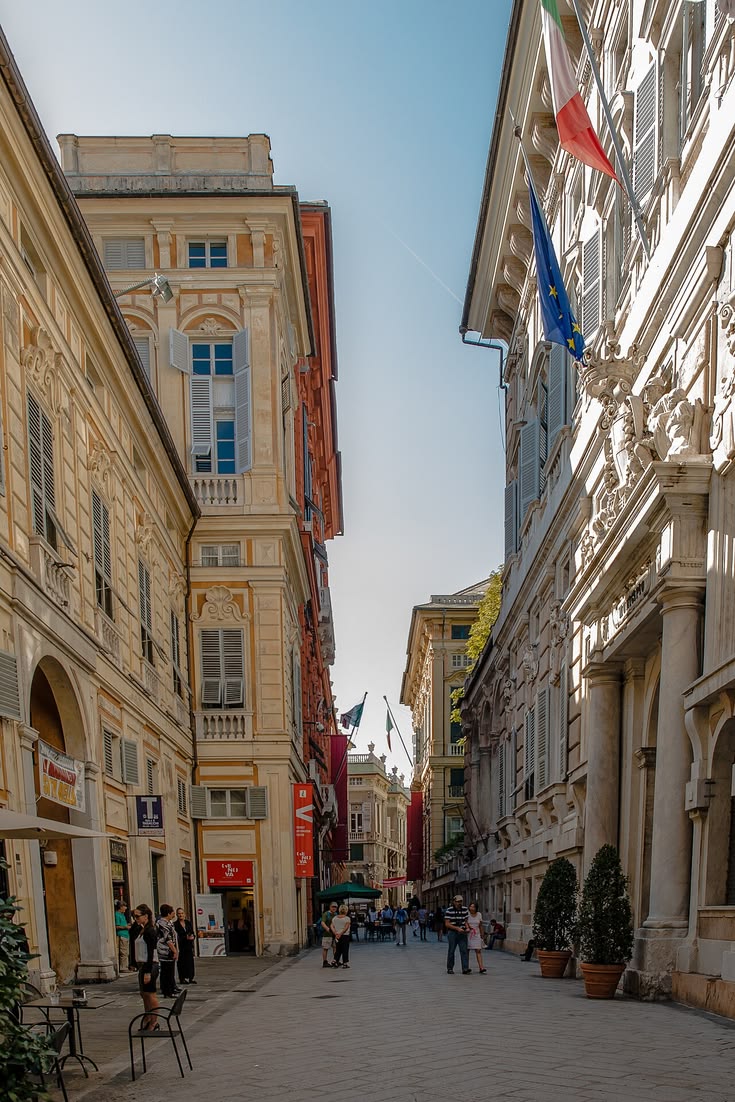
The greatest concentration of Rolli Palaces is on Via Garibaldi, originally called Strada Nuova when it was laid out in the 1550s. The street is a triumph of urban planning, a straight, wide avenue lined with palaces of extraordinary beauty. Begin at the Palazzo Rosso, the Red Palace, named for the colour of its facade. The palace was built for the Brignole Sale family, one of the richest dynasties in Genoa, and it contains their art collection, donated to the city in 1874. The collection includes works by Van Dyck, Veronese, Strozzi, Dürer and Bernardo Strozzi, but the most memorable room is the Hall of Mirrors, a smaller version of the famous gallery at Versailles, lined with mirrors and crystal chandeliers that multiply the light from the tall windows.
Next door, the Palazzo Bianco, the White Palace, houses the Galleria di Palazzo Bianco, the city's collection of paintings from the 15th to the 17th century. The collection includes works by Filippino Lippi, Hans Memling, Caravaggio and the great Genoese painters of the Golden Age. The Caravaggio is a late work, the Ecce Homo, painted in 1605, and it is one of the most powerful paintings in the city: Christ stands before the crowd, crowned with thorns, his expression one of exhausted, almost infinite patience. The painting is not large. It is intimate. You can stand a few feet from it and feel the weight of its centuries.
Across the street, the Palazzo Tursi, the Turquoise Palace, is now the city hall and the museum that houses the collection of Genoese decorative arts, the archive of Paganini (the great violinist was a Genoese), the mace of the doges, and, most touchingly, the alleged violin of Niccolò Paganini himself, the Cannon, which is kept in a climate controlled case in a room that feels more like a chapel than a museum. Paganini was a Genoese, born in a small house in the caruggi, and he was the greatest virtuoso violinist of his age. His technique was so extraordinary that audiences believed he had made a pact with the devil. The legend followed him all his life. When he died, the Church refused to bury him in consecrated ground for several years. A Genoese composer, on hearing the news, remarked: His soul may have gone to hell, but his fingers, his fingers will play for eternity.
Practical information. The three palaces on Via Garibaldi (Palazzo Rosso, Palazzo Bianco and Palazzo Tursi) are managed as a single museum complex called Musei di Strada Nuova. A combined ticket costs approximately 15 euros and is valid for two days. The museums are closed on Mondays. Allow at least three hours for all three palaces, more if you are interested in the decorative arts or the Paganini collection. Photography is permitted without flash.
For lunch, walk to the Mercato Orientale, the covered market of Genoa, located a few blocks from Via Garibaldi. The market is a feast for the senses: stalls of freshly caught fish from the Ligurian Sea, piles of purple artichokes, green basil in enormous bunches, olives, cheeses, salamis, and the famous focaccia ligure. Buy a slice of focaccia from one of the bakery stalls. It should be soft, oily, salty, studded with dimples, and eaten warm. Do not ask for any topping. The pure focaccia, focaccia al sale, is the only one that matters. Eat it standing at a plastic table or leaning against a column, and you will have eaten exactly as the Genoese eat.
In the afternoon, explore the Via Balbi, the other great street of Rolli Palaces. The Palazzo Reale you visited on your first day is on this street, but there are others that are less visited and equally spectacular. The Palazzo dell'Università, the former Jesuit college, has a library with a ceiling fresco that stretches for the entire length of the room, depicting the triumph of theology over heresy. The building is open to the public during university hours, and you can walk through the courtyard and up the grand staircase without paying. The Chiesa del Gesù on the same street contains two extraordinary Rubens paintings, huge canvases of the Circumcision and the Adoration of the Magi, painted by the Flemish master during his stay in Genoa in the early 1600s. The church is free, uncrowded and magnificent.
For dinner, I will send you to Ristorante Zeffirino on Via Balbi, a historic restaurant that has been serving Genoese cuisine since 1939. The pesto here is legendary, but you should order something different: cappon magro, the spectacular seafood and vegetable terrine that is the most complex and beautiful dish in the Ligurian repertoire. The cappon magro is a layered construction of fish, shellfish, vegetables, bread and hard boiled eggs, arranged in a pyramidal shape and covered with a green sauce made from basil, parsley, capers and vinegar. It is a dish of extraordinary beauty and considerable historical interest: it was invented by Genoese sailors using preserved ingredients that could survive long voyages. Zeffirino's version is the best in the city. The price is high, but the experience is unforgettable.
Day 3 — The Caruggi, the Cathedral of San Lorenzo and the Legend of the Devil's Column
On your third day, you will enter the medieval heart of Genoa, the caruggi. The caruggi are the narrow alleyways that form a labyrinth east of Via Garibaldi and west of the Porto Antico. They are dark, vertical, mysterious. Laundry hangs from windows. Cats sleep on the worn stone steps. Vespas roar past, their engines echoing off the ancient walls. The caruggi are not a museum. They are a living neighbourhood, and they contain some of the most beautiful and surprising architecture in the city.
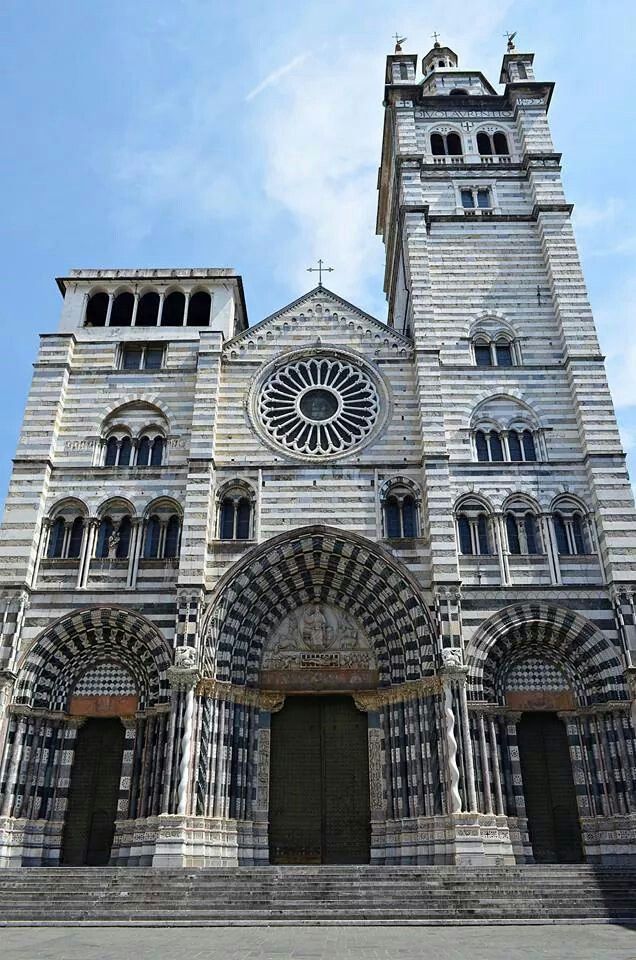
Your first destination is the Cathedral of San Lorenzo, the Duomo of Genoa, a building that has been the spiritual centre of the city since the 5th century. The current structure dates from the 12th and 13th centuries, a Romanesque Gothic hybrid of extraordinary beauty. The facade is striped in black and white marble, the same pattern you see in the cathedrals of Siena and Orvieto, a sign of the influence of Tuscan craftsmen on Genoese architecture. The portals are decorated with sculptures of lions, saints and monsters. The great rose window throws coloured light onto the marble floor.
The interior is vast, severe, and unexpectedly moving. The columns are massive, the ceiling is vaulted, and the light is dim, filtered through alabaster windows that give the space a warm, golden glow. The treasure of the cathedral is kept in the Museo del Tesoro, which you can visit from the left aisle. The most famous object is the Sacro Catino, the Holy Basin, a hexagonal green glass dish that was brought back from the Crusades and was long believed to be the Holy Grail, the cup from which Christ drank at the Last Supper. It is not the Holy Grail. It is a green glass dish of Islamic origin, probably 9th century. But the legend of the Holy Grail in Genoa persisted for centuries, and the dish is still displayed as a sacred object, its power undiminished by the loss of its fantasy.
The cathedral also contains a curious architectural feature: two columns in the nave, one darker than the other, known as the devil's column. The legend, preserved in the chronicles of the city, tells that the devil, envious of the beauty of the new cathedral, tried to destroy it by hurling a great stone column from the hills above Genoa. The column flew through the air, struck the facade, and landed in the nave, where it remains to this day, embedded in the floor. The column is real. The stone is darker than the surrounding marble. And the story, which the Genoese tell with a wink, is a medieval invention designed to explain an irregularity in the building stone. But when you stand in the nave and look at the column, you can almost believe it.
A note on timing. The Cathedral of San Lorenzo is open daily from 8:00 AM to 12:00 PM and from 3:00 PM to 7:00 PM. The Museo del Tesoro has separate hours, generally 9:00 AM to 5:00 PM, closed on Mondays. The dress code is respected: cover your shoulders and knees. Photography is permitted in the cathedral but not in the treasury museum.
After the cathedral, explore the caruggi. Walk without a map. Lose yourself. You will find the Piazza delle Erbe, a small square filled with outdoor cafes; the Porta Soprana, a medieval gate that marked the entrance to the city; the Cloister of Sant'Andrea, a hidden Romanesque jewel; and the House of Christopher Columbus, a modest medieval house that was once part of the property of the Colombo family. The house is not the birthplace of Columbus (he was probably born in a different building, now destroyed), but it is a reconstruction of the kind of house in which the future admiral of the ocean sea would have lived as a boy. The museum inside is small but interesting, with models of the ships of the period and documents relating to the history of the Genoese voyages of discovery.
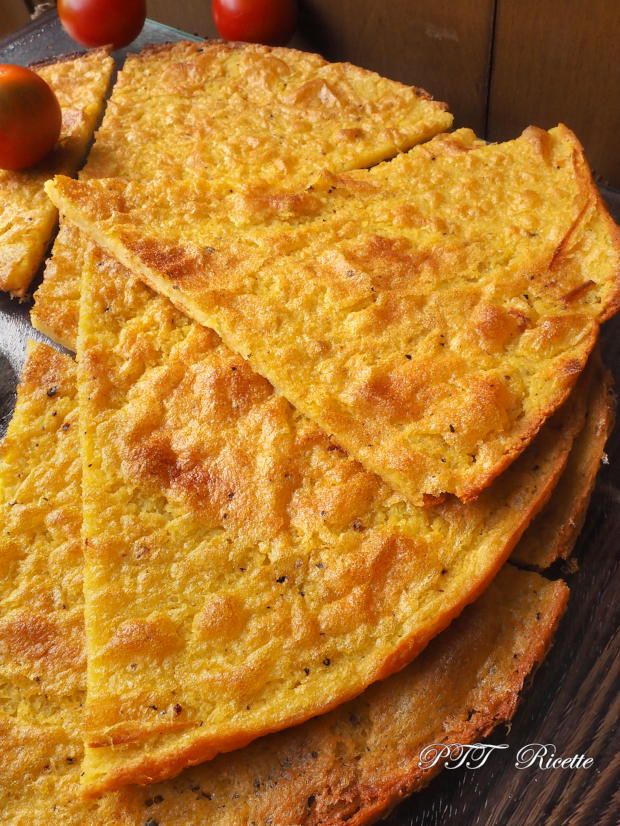
For lunch in the caruggi, I will send you to Focacceria di San Giorgio on Via San Giorgio, a hole in the wall that serves the best farinata in Genoa. Farinata is a thin, crispy pancake made from chickpea flour, water, olive oil and salt. It is baked in a copper pan in a wood fired oven, and when it emerges it is golden brown, crunchy on the edges, soft in the centre. The Genoese eat it as a street food, folded in a paper cone, between the hours of 11 AM and 1 PM, when the ovens are working. Eat it hot, with a sprinkle of black pepper. It costs two euros. It is one of the best things you will taste in Italy.
For dinner, reserve at Trattoria Vegia Zena, an old Genoese name for Old Genoa, located near the Porta Soprana. The restaurant specialises in the cuisine of the Genoese tradition, and the room is decorated with maritime memorabilia, photographs of old Genoa, and a portrait of Paganini scowling at the diners. Order the buridda, a fish stew made with whatever the fishermen brought in that morning, cooked with tomatoes, white wine, garlic and herbs. The stew is served in a clay pot, and the fish is so fresh you can taste the sea. The house wine is a simple Vermentino from the Cinque Terre, inexpensive and perfect. The bill will be lower than you expect. Genoa is not Venice. This is a city where the quality of the food is not reflected in the price, to the advantage of the visitor.
Day 4 — The Porto Antico, the Aquarium and Christopher Columbus
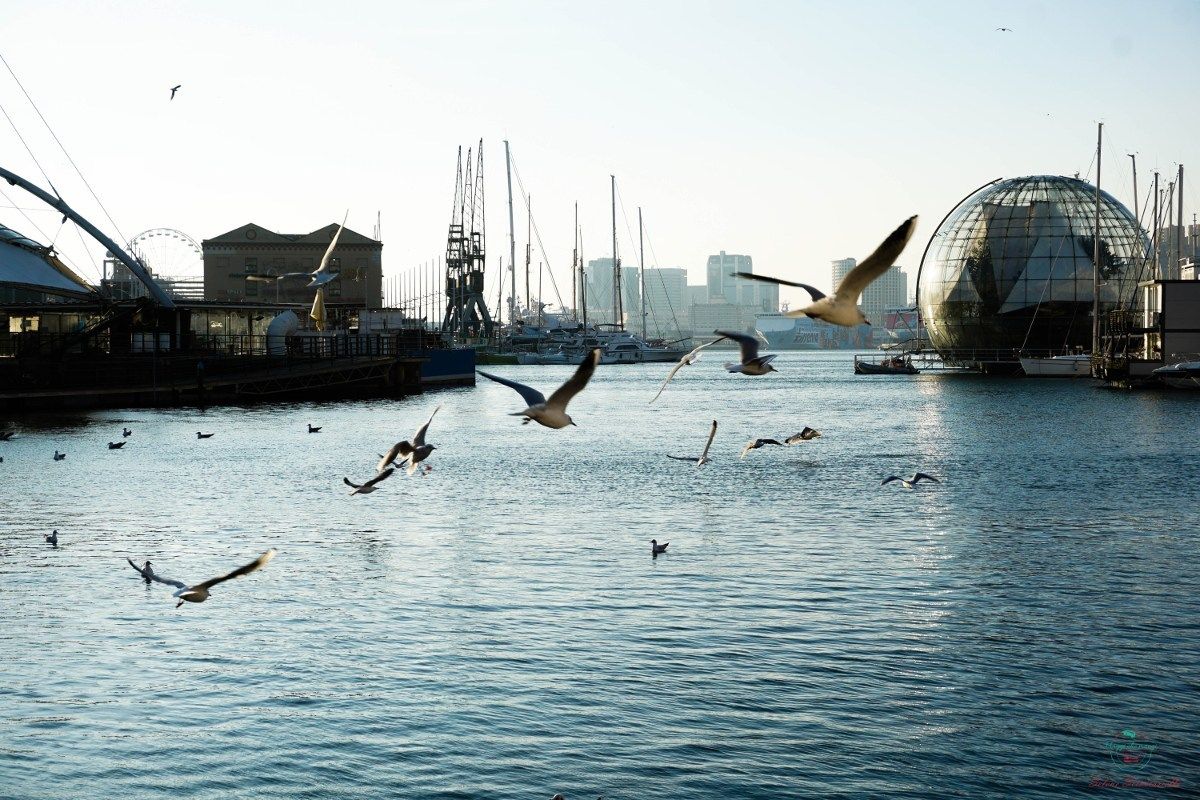
Your fourth day is dedicated to the sea. The Porto Antico, the ancient port of Genoa, was for centuries the most important commercial harbour in the Mediterranean. In the late 20th century, the port was redeveloped by the architect Renzo Piano, a Genoese by birth, who transformed the abandoned warehouses and docks into a vibrant cultural and recreational district. The result is one of the most successful urban regeneration projects in Europe, and it is the part of Genoa that children and families love best.
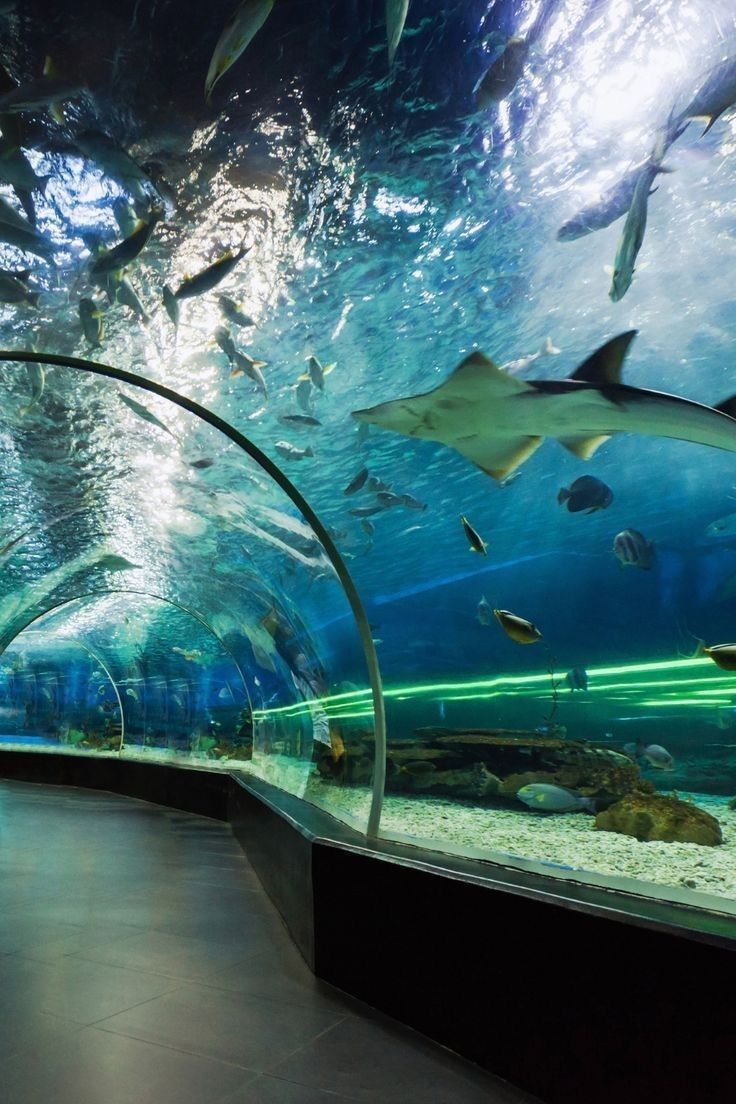
The centrepiece of the Porto Antico is the Aquarium of Genoa, the largest aquarium in Italy and one of the largest in Europe. The building was designed by Renzo Piano himself, and it houses more than 15,000 animals from 400 species, in tanks that replicate the environments of the world's oceans. The highlight is the tank of the Mediterranean, where you can see sharks, groupers, moray eels and the astonishingly graceful sea turtles gliding through the blue water. The most popular inhabitants are the dolphins, whose tank is separate from the main building, and the manatees, the gentle sea cows that float in a warm water tank with an expression of permanent, placid contentment.
The aquarium is extremely popular, and the queues can be long. I strongly recommend booking your tickets online in advance, selecting a specific entry time. The visit takes at least two hours, three if you have children or a serious interest in marine biology. The ticket is not cheap (approximately 30 euros for an adult), but the facility is world class, and the money supports the aquarium's research and conservation programmes.
A curious story. The Aquarium of Genoa was originally built for Expo 1992, the celebration of the 500th anniversary of the first voyage of Christopher Columbus to the Americas. The harbour in front of the aquarium, the Darsena, was constructed specifically for the exhibition, and the area around the Porto Antico was completely transformed. The Genoese were sceptical at first, but the project has been an enormous success, and the aquarium now receives more than a million visitors each year. The Colombiadi, as the Genoese called the celebrations, changed the city forever, not always for the better, but the aquarium was a gift that no one, not even the most cynical Genoese, would now give back.
After the aquarium, walk through the Porto Antico to the Bigo, the panoramic lift designed by Renzo Piano as a giant white crane, a stylised version of the loading cranes that once filled the port. The lift takes you to a viewing platform 40 metres above the water, with extraordinary views of the harbour, the city and the hills. On clear days, you can see the coast of the Riviera di Levante all the way to Portofino, and the mountains of Corsica are visible as a blue smudge on the southern horizon. The lift costs a few euros, and it is worth every cent.
For lunch, stay in the Porto Antico and eat at Eataly Genova, the multi storey food emporium that celebrates the gastronomic products of Italy. The ground floor is a market where you can buy olive oil, wine, cheese, salami and fresh pasta. The upper floors house restaurants, each one dedicated to a different aspect of Italian cooking. The pasta restaurant on the first floor serves a trenette al pesto that is excellent, and the pizza restaurant on the second floor makes a thin, crispy Roman style pizza. Eat in the communal dining area, surrounded by Genoese families and tourists, and feel the energy of a city that has learned to embrace its visitors without losing its soul.
In the afternoon, visit the Galata Museo del Mare, the maritime museum of Genoa, housed in a restored 19th century shipyard on the edge of the Porto Antico. The museum is the largest and most comprehensive maritime museum in the Mediterranean, and it tells the story of Genoa's relationship with the sea from the Roman period to the present day. The highlight is the full scale reconstruction of a 17th century Genoese galley, complete with the oars, the benches, the living quarters and the terrifying bronze ram at the bow. You can walk through the galley, sit on the benches, and imagine the 200 oarsmen pulling in rhythm, the captain shouting orders, the sea rising and falling. It is a physical experience, and it is unforgettable.
For your final dinner in the Porto Antico, I recommend Ristorante Al Veliero, a seafood restaurant on the waterfront directly opposite the Aquarium. The restaurant is named for the sailing boat, the veliero, that is moored in front of the entrance and serves as its most recognisable feature. Order the fritto misto di mare, a mixed fried seafood platter of prawns, squid, anchovies and small fish, all coated in a light batter and fried to golden perfection. The fish is so fresh that it barely needs the lemon wedge served on the side. A glass of pigato, the white wine of the western Ligurian coast, will complete the meal. The service is efficient, the view is charming, and the price is reasonable for the location.
Day 5 — The Spianata di Castelletto and Boccadasse
Your final day in Genoa is for views and relaxation. Begin at the Spianata di Castelletto, a panoramic terrace on the hillside above the historic centre. You can reach it by the public lift from Piazza Portello, a curious funicular that runs through the interior of a building, emerging at the top onto a glass platform that offers one of the most spectacular views of any city in Italy. The Spianata itself is a broad, open space, lined with benches, where the Genoese come to sit in the evening, to smoke, to kiss, to watch the sun set over the port. The view is comprehensive: the red roofs of the medieval city, the dome of San Lorenzo, the towers of the Palazzo Ducale, the blue curve of the harbour, the green hills of the Riviera, and, far in the distance, the Apuan Alps and, on exceptionally clear days, the island of Corsica.
The Spianata is at its best in the early morning, when the light is soft and the city is still quiet, and again at sunset, when the buildings turn gold and the sea darkens to cobalt. I recommend visiting twice, once at the beginning of your day and once at the end, to see the same scene in different lights. The lift operates from early morning until late evening, and the ride is free with a public transport ticket.
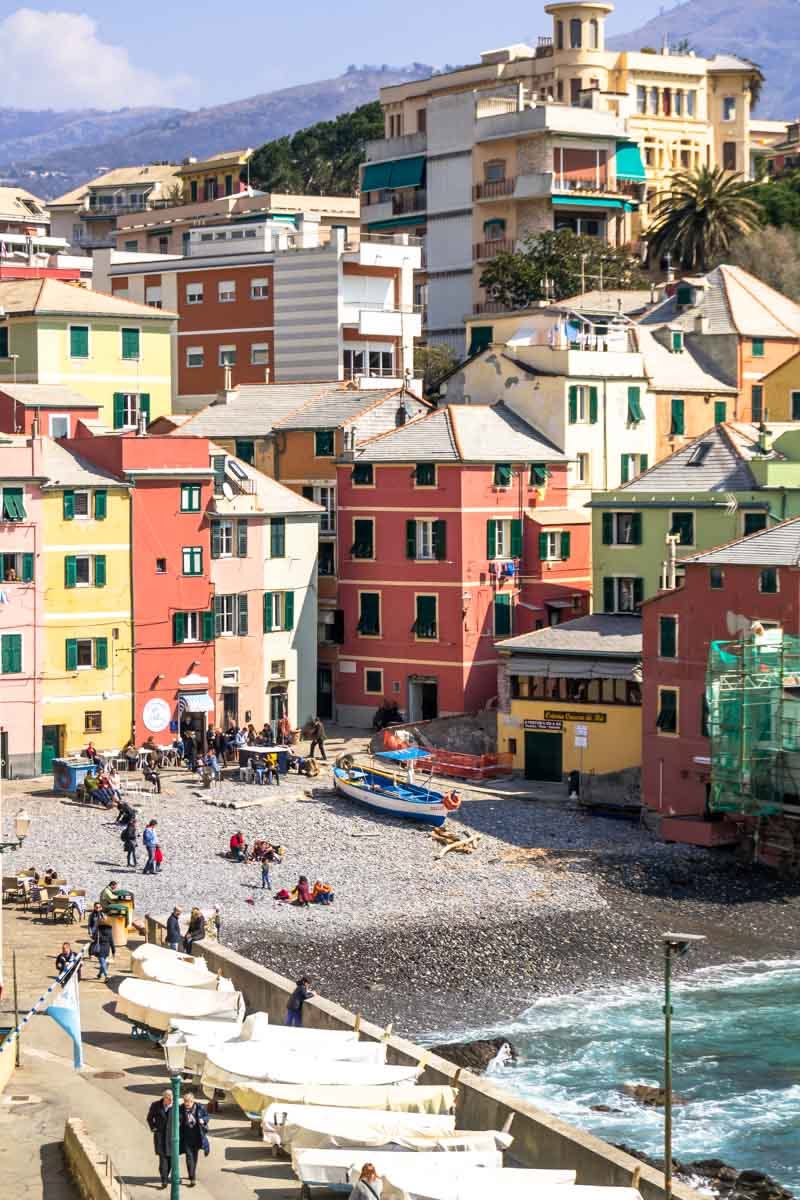
After the Spianata, descend to the neighbourhood of Boccadasse, the old fishing village that has been absorbed by the expansion of the city but has retained its character, its colour and its soul. Boccadasse is a small bay on the eastern edge of Genoa, a crescent of pebble beach surrounded by pastel coloured houses, fishing boats pulled up on the sand, and a tiny church, the Church of Sant'Antonio, that watches over the scene from a small headland. The neighbourhood is called Boccadasse, which means the mouth of the donkey, after the shape of the bay, which resembles a donkey's yawning jaw. The name is not elegant, but the place is beautiful, and it is the favourite destination of the Genoese for a Sunday afternoon walk or a summer evening drink.
For lunch in Boccadasse, I will send you to Ristorante Capo Santa Chiara, a family run restaurant on the beach. Order the trofie al pesto, the short, twisted pasta that is the traditional shape for pesto in Liguria, and the frittura di paranza, a mixed fried seafood platter of small fish from the waters directly in front of the restaurant. The fish is so fresh that you can taste the salt of the Ligurian Sea. The view from the terrace is the bay of Boccadasse, the colourful houses and the blue water. The service is slow in the best sense of the word. You are on vacation. You are not in a hurry. Do not be in a hurry.
After lunch, walk along the Passeggiata Anita Garibaldi, the seaside promenade that connects Boccadasse to the neighbourhood of Sturla. The promenade hugs the coast, passing through small coves, rocky beaches and pastel coloured apartment buildings. The views are of the open sea, the lighthouse of Genoa and, in the distance, the promontory of Portofino. The walk is flat, easy and beautiful. It is the favourite walk of the Genoese, and after four days of climbing the caruggi and the staircases of the city, you will appreciate the flatness.
For your farewell dinner, I have reserved a table for you at Osteria del Duca in the caruggi of the historic centre. The restaurant is small, the menu is written on a blackboard, and the owner, a man named Marco, will sit at your table and tell you about the food, the wine and the city. Order the pansoti al sugo di noci, the stuffed pasta with walnut sauce, followed by the stoccafisso accomodato, the dried cod cooked in the Genoese style with potatoes, olives, pine nuts and tomatoes. The cod is not fresh, it is dried, and that is the point. The dish is a survival from the age of sail, when dried fish was the only protein that could survive long voyages. The Genoese sailors carried it across the oceans, and the people of the city transformed it into a dish of extraordinary complexity and comfort. Marco will pour you a glass of Sciacchetrà, the rare sweet wine of the Cinque Terre, and he will tell you a story about the city that you have not heard before. Listen to him. He is the last of a generation. When he is gone, no one will tell the stories quite the same way.
An afternoon at the beach. If the weather is warm and you have time, bring a swimsuit to Boccadasse. The beach is pebbles, not sand, and the water is cold even in summer, but swimming in the bay is a rite of passage for visitors to Genoa. The Genoese will watch you from the terraces of the restaurants, sipping their white wine and smiling. They are not laughing at you. They are remembering their own first swim in Boccadasse. It is a memory that lasts a lifetime.
Common Tourist Mistakes in Genoa
Spending only one day. Genoa is not a day trip from Portofino or the Cinque Terre. It is a city of more than 580,000 people, with more than two thousand years of history crammed into every street. One day gives you an impression, not an experience. Five days gives you the beginning of a relationship.
Eating pesto from a jar. You are in the home of pesto. Do not, under any circumstances, order pesto that comes from a jar. The pesto in Genoa is made fresh, by hand, in a marble mortar with a wooden pestle. The difference is the difference between a real flower and a silk flower. Both are pretty. Only one has fragrance, texture, life.
Skipping the Rolli Palaces. The Rolli Palaces are the heart of Genoa's UNESCO designation, and they are among the most beautiful domestic interiors in Europe. Visitors who come to Genoa only for the Aquarium miss the soul of the city. The palaces are easy to visit, well signposted, and the combined ticket is inexpensive. Do not skip them.
Not carrying cash in the caruggi. The small bakeries, the focaccerie, the street food stalls and the family run trattorias often do not accept credit cards. If you arrive in the caruggi without cash, you will watch other people eat while you stand hungry and frustrated. A Genoese proverb says: Who has no money in his pocket has no voice in the piazza. It is not a proverb. I invented it. But it is true.
Forgetting to look up. Genoa is a vertical city, built on the slopes of the hills that surround the port. The most beautiful details are often above eye level: the frescoes on the ceilings of the loggias, the statues on the cornices of the palaces, the terracotta chimneys, the hanging gardens. Walk with your head up. You will see a different city.
The Best Time to Visit Genoa
Spring from April to June and autumn from September to October are the ideal seasons for visiting Genoa. April brings mild temperatures, the wisteria in bloom on the balconies of the Via Garibaldi palaces, and the first outdoor festivals. May and June are warm but not hot, perfect for walking the caruggi and the promenades. September is still warm, often sunny, with the added pleasure of the grape harvest in the nearby Cinque Terre and the Riviera. October is cooler, sometimes rainy, but the autumn light over the port is extraordinary, and the city is less crowded than in spring. July and August are hot and humid, with temperatures often exceeding 30 degrees Celsius, but the air conditioning in the museums is good, and the sea breeze offers relief in the coastal neighbourhoods. A rule of thumb: if the Genoese are sitting on the Spianata di Castelletto in the evening, drinking wine and watching the sunset, the season is right. If they are not, you have chosen the wrong month.
Essential Practical Information
Getting to Genoa. Genoa Cristoforo Colombo Airport (GOA) is located approximately 10 kilometres west of the city centre. A private transfer with Airport Connection takes 20 to 25 minutes and delivers you directly to your hotel. The Volabus airport bus runs from the airport to the central station (Piazza Principe) every 30 minutes and takes approximately 30 minutes. The train (Trinacria Express) departs every hour and takes 15 minutes to reach Genova Brignole station. The transfer is the most comfortable option, especially for late night arrivals or for travellers with luggage. Book at least 48 hours in advance.
Getting around Genoa. The historic centre is compact but vertical, and the best way to explore it is on foot. For longer distances, the AMT public transport network includes buses, funiculars and a metro line. The funiculars (Zecca Righi, Sant'Anna, and Quezzi) are not just transport; they are tourist attractions in themselves, offering spectacular views as they climb the hills. The public lift to Castelletto is free with a transport ticket. A 24 hour transport pass costs approximately 5 euros and is excellent value.
Safety. Genoa is a safe city, but like any large urban centre, it requires normal precautions. Keep your bag closed and in front of you in the caruggi. Keep your phone in your pocket. Do not leave valuables visible in a parked car. The area around the central station (Piazza Principe) can be disorienting at night, but it is not dangerous. The greatest risk you face is being pickpocketed on a crowded bus, and that risk is lower in Genoa than in Rome or Naples. Use your common sense, and you will be fine.
Language. English is spoken in hotels and high end restaurants, but it is not widely spoken elsewhere. Learn a few words of Italian: buongiorno (good morning), buonasera (good evening), per favore (please), grazie (thank you), un piatto di trenette al pesto, per favore (a plate of trenette with pesto, please). Your effort will be appreciated, and the response, even if you do not understand it, will be warmer than any reply in English.
Comments
No comments yet. Be the first to share your thoughts!
Leave a Comment
Your comment will appear after moderation.