 Michelle
 Palermo does not welcome you. It receives you, as it has received Phoenicians, Romans, Arabs, Normans, Swabians, French, Spaniards and the waves of internal migration from every corner of Sicily. The city has been conquered more times than any other in Italy, and it has absorbed every invasion, every language, every spice, every architectural gesture, and transformed them into something that is neither Arab nor Norman nor Baroque but Palermitan. I was born here, in a small apartment overlooking the Ballarò market, and I have spent thirty years learning to read the city's stones. They speak in fragments, in layers, in whispers. Five days is the minimum time required to begin understanding what they are saying. Come with me. I will walk you through my Palermo.
Day 1 — The Norman Palace, the Cathedral and the Ghost of Santa Rosalia
Begin your first morning in Palermo at the Norman Palace, the oldest royal residence in Europe. The palace was built by the Arabs in the 9th century as a fortress, expanded by the Normans in the 11th century, and then modified by every subsequent dynasty that ruled Sicily. You enter through the courtyard, cross the first loggia, and climb a staircase that has been walked by emperors, kings and viceroys. At the top, the Palatine Chapel waits for you. You are not prepared for it.
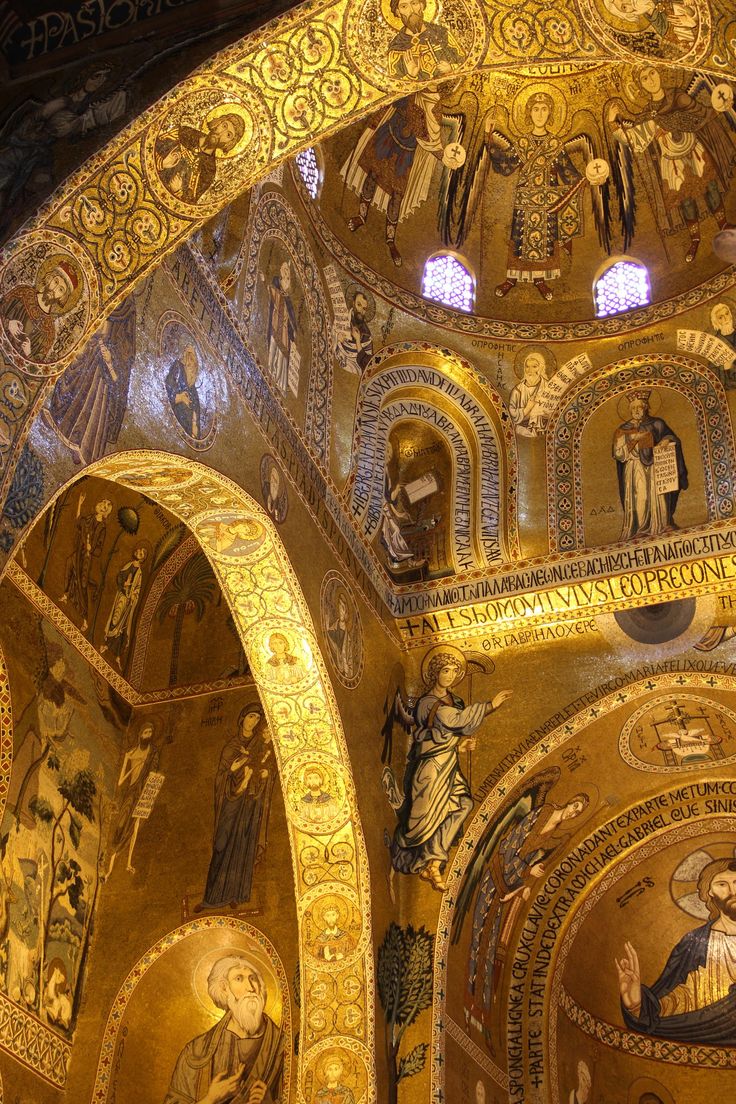
The chapel is small. It is a rectangular room with three apses, a wooden ceiling carved and painted by Arab craftsmen, and walls entirely covered in Byzantine mosaics of a richness that defies description. Gold leaf covers every surface. Christ Pantokrator stares at you from the central apse with an expression of such intense, compassionate authority that you feel, for a moment, that you have wandered into a church not on earth but in heaven. The mosaics were completed between 1140 and 1143 by Greek and Arab artisans working under the Norman king Roger II. They represent the most perfect synthesis of Norman, Byzantine and Arab art that has survived anywhere in the world.
After the palace, walk along Via Vittorio Emanuele toward the Cathedral of Palermo. The cathedral is a palimpsest of architectural styles: the original Norman basilica, the Gothic portals added in the 14th century, the Baroque dome from the 18th century and the neoclassical facade from the 19th century. Do not be put off by the eclecticism. The interior contains the royal tombs of Roger II, Henry VI, Frederick II and Constance of Aragon, and the chapel of Santa Rosalia, the city's patron saint. The legend of Rosalia is one of Palermo's most curious stories. She was a Norman noblewoman who abandoned her wealthy family to live as a hermit on Mount Pellegrino. After her death, her remains were forgotten for four centuries. In 1624, during a terrible plague, her bones were carried in procession through the streets of Palermo, and the plague ceased. She was immediately declared the patron saint of the city, and her feast day on July 15 is still celebrated with one of the most spectacular festivals in Sicily.
A practical note. The Palatine Chapel is open Monday through Saturday from 8:30 AM to 4:30 PM and on Sunday mornings from 8:00 AM to 2:00 PM. The ticket for the palace and the chapel costs approximately 20 euros. Buy it online in advance during high season, as the queue can be long. The dress code is respected: cover your shoulders and knees.
For lunch on your first day, I will take you to Antica Focacceria San Francesco, a historic establishment that has been serving Palermitan street food since 1834. Order a pane con la milza, the legendary spleen sandwich, with a splash of lemon juice and a handful of ricotta if you are feeling adventurous. It sounds alarming, I know. But the spleen is slow cooked in lard until it becomes soft and mildly flavoured, and the bread is soft and chewy, and the combination is one of the most addictive snacks in Italy. Wash it down with a glass of ice cold soda water, as the Palermitans do, and you will have eaten like a local on your first morning.
In the afternoon, walk to the Chiesa del Gesù, the mother church of the Jesuit order in Sicily. The exterior is severe, almost austere. The interior is the richest example of Sicilian Baroque in Palermo: marble inlays, polychrome stones, frescoes covering every available surface, and a nave that seems to explode with decorative energy. The Jesuits built this church to overwhelm the senses, and they succeeded. Peer into the side chapels, each one a masterpiece of 17th century craftsmanship. The church is free, uncrowded (tourists prefer the cathedral), and unforgettable.
For dinner, I recommend Trattoria Da Salvatore on Via Della Vetriera. This is a family run restaurant in the historic quarter of La Loggia, and it serves the best pasta con le sarde in the city: fresh sardines, wild fennel, pine nuts, raisins and anchovies, tossed with busiate (a curly, long pasta from Trapani). The flavours are sweet, salty, bitter and herbal all at once, and the dish is the most complete expression of Arab influenced Sicilian cooking. Reserve online two days in advance, because the room has only ten tables.
Day 2 — Monreale, the Cloister and the Golden Mosaics
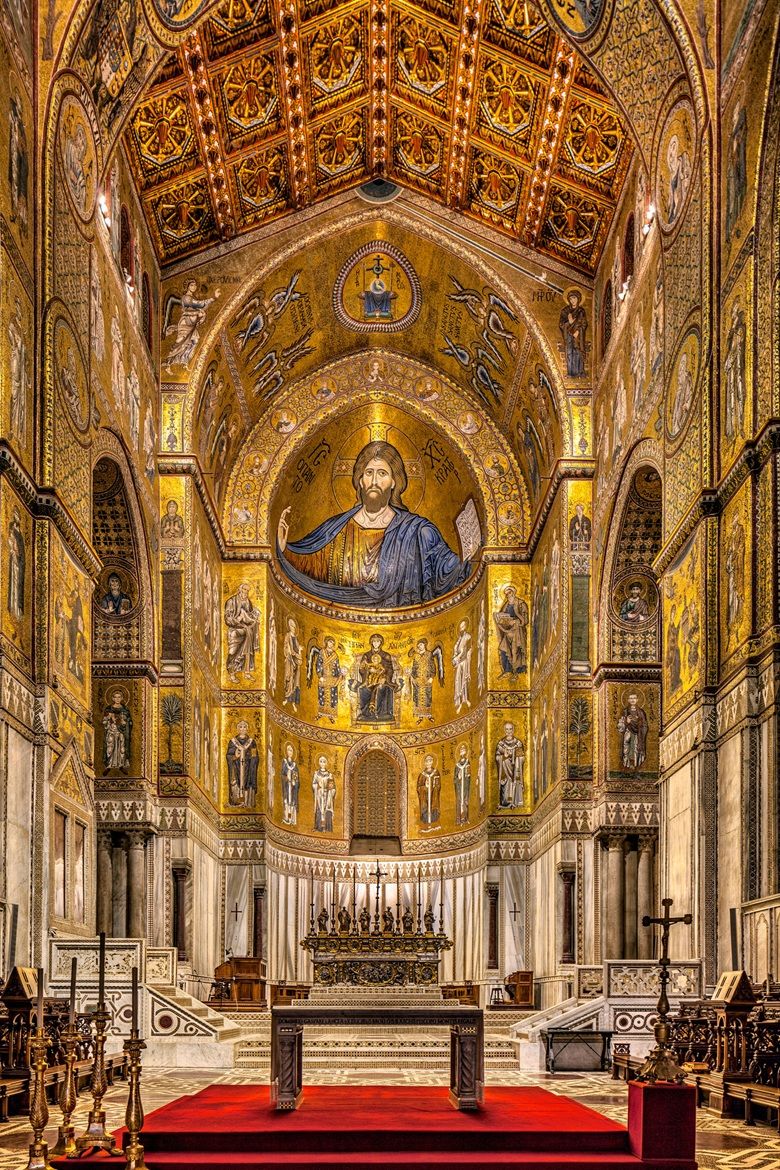
On your second day, you will leave the city for a few hours. Monreale is a hilltop town located approximately eight kilometres southwest of Palermo, and it is home to one of the most extraordinary cathedrals in the world. You can reach it by city bus from Piazza Indipendenza, or you can book a private transfer for maximum comfort. The cathedral was built between 1172 and 1176 by King William II of Sicily, known as William the Good, and its interior is covered in more than 6,000 square metres of Byzantine mosaics, the largest such cycle anywhere on Earth.
The effect of entering the cathedral is overwhelming. Every surface, every arch, every vaulted ceiling, every wall is covered in gold leaf and coloured glass tesserae. The central apse shows a majestic figure of Christ Pantokrator, larger than life, his right hand raised in blessing. Below him, the Madonna, the apostles, the archangels and the stories of the Old and New Testaments unfold in panels that stretch from floor to roof. The light that enters through the high windows reflects off the gold and fills the space with a warm, liquid glow that seems to come from nowhere and everywhere at once. Non credenti, non-believers, have been moved to tears in this building. I have seen it happen.
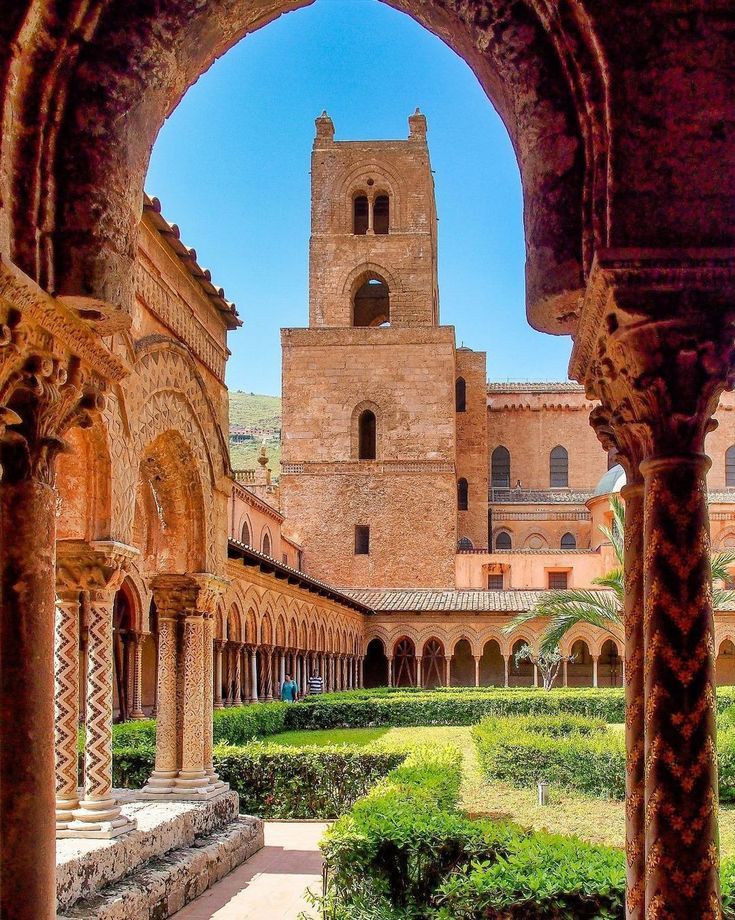
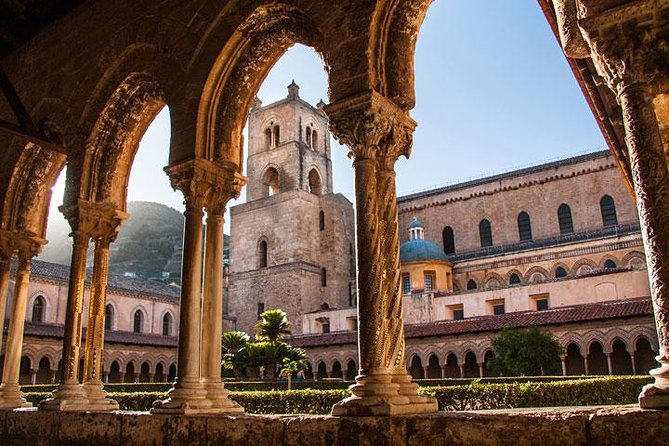
After the cathedral, walk through the adjacent cloister. The cloister is a square courtyard surrounded by 228 columns, each one carved with a different decorative pattern, no two alike. The columns support pointed arches in the Arab style, and the capitals are covered with scenes from the Bible, scenes from daily life, animals, monsters and human figures twisted into impossible positions. A small fountain in the centre of the courtyard represents the tree of life. You can sit on the low wall, listen to the silence (the tourist crowds do not penetrate here), and understand why William the Good chose this hill for his greatest monument.
How to reach Monreale. The city bus line 389 departs from Piazza Indipendenza, directly in front of the Norman Palace. The journey takes approximately 30 minutes and costs less than two euros. The bus stop in Monreale is a short walk from the cathedral. Alternatively, a private transfer takes 20 to 25 minutes door to door and is recommended for families or anyone with mobility concerns. The cathedral is open daily from 8:30 AM to 12:30 PM and from 2:30 PM to 5:00 PM.
Return to Palermo in the afternoon and walk through the Via dei Cassari, the street of the potters, where ceramic workshops have been active for centuries. The windows are filled with Sicilian maiolica: plates decorated with Moorish heads, vases painted with citrus fruits, tiles in bright yellows, blues and greens. The prices are higher here than in the souvenir shops of the historic centre, but the quality is incomparably better. Buy a small piece of ceramic as a memory of your trip, and you will still be looking at it with pleasure in twenty years.
For dinner, I will send you to Osteria Mercede in the Capo market district. Order the busiate al pesto trapanese, a pasta with a raw pesto of almonds, basil, cherry tomatoes and ricotta salata, and follow it with involtini di pesce spada, swordfish rolls filled with breadcrumbs, pine nuts and raisins in a white wine sauce. The restaurant is small, the service is slow (it is not slow, it is Palermitan), and the wine list features growers from Etna and the Egadi islands that you will not find anywhere else. Arrive early, or book by telephone, because the local clientele fills the room by eight o'clock.
Day 3 — The Capuchin Catacombs, the Quattro Canti and Teatro Massimo
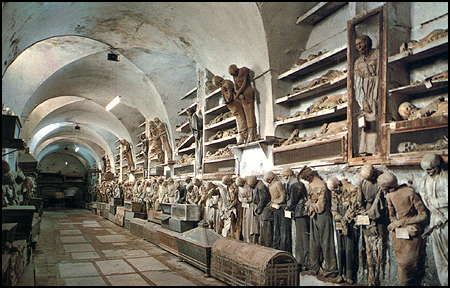
Your third day begins with an encounter that some visitors find disturbing and others find strangely peaceful. The Capuchin Catacombs (Catacombe dei Cappuccini) contain approximately 8,000 mummified bodies arranged along the walls of a subterranean corridor beneath the Capuchin monastery. The mummies date from the 16th to the 19th century, and they are not abstract skeletons but dressed, posed, often remarkably well preserved corpses, some of them still wearing their original clothes. The most famous resident is Rosalia Lombardo, a two year old girl who died in 1920 and whose body is so perfectly preserved that she appears to be sleeping. Her eyes, closed for more than a century, seem to open and close as the light moves across the glass of her coffin.
I warn you before entering: the catacombs are not a tourist attraction in the conventional sense. They are a sacred place, a massive devotional memento mori, and the atmosphere is one of quiet, respectful melancholy. Photography is permitted without flash. The voices of visitors drop to whispers. You are walking among the dead of Palermo, and they have things to tell you about how we live, how we die, and how we wish to be remembered. The catacombs are open daily from 9:00 AM to 5:00 PM. The ticket costs approximately three euros. Do not bring small children. They will find it frightening, and they will remember it.
After the catacombs, you need a restorative lunch. Walk to the Capo market and find the cart of Nino u Ballerino, a legendary street food vendor who has been selling boiled octopus, baby octopus salad, and panelle (chickpea fritters) from the same spot for forty years. Stand at the counter, squeeze lemon over a paper cone of mixed seafood, and eat with your fingers. It costs five euros, and it is the best seafood you will have in Palermo.
In the afternoon, return to the historic centre and visit the Quattro Canti, the octagonal intersection where Via Maqueda crosses Via Vittorio Emanuele. The four corners are occupied by four identical Baroque palaces, each one decorated with statues representing the four seasons, the four Spanish kings of Sicily, and the four patronesses of Palermo (Santa Cristina, Santa Ninfa, Sant'Oliva and Sant'Agata). The square is the exact centre of the old city, and from here you can walk in any direction and find yourself in a different historical era. Turn left toward the Piazza Pretoria, the square of the Senate of Palermo, dominated by the Fontana Pretoria, a 16th century fountain of naked nymphs, satyrs, river gods and sea monsters that the Palermitans, scandalised by its nudity, immediately nicknamed the Fountain of Shame.
End your day at the Teatro Massimo, the largest opera house in Italy and the third largest in Europe. The building was completed in 1897 after more than twenty years of construction, and its acoustic qualities are legendary. You can take a guided tour of the interior in the morning or early afternoon, but the best way to experience the theatre is to attend a performance. If the season coincides with your visit, book tickets in advance and watch an opera or a symphony concert in a space that has been described as the most beautiful room in Sicily. If no performances are available, the tour is still worth the time. The grand staircase, the marble foyer and the breathtaking auditorium with its six tiers of gilded boxes will leave you speechless.
A curious story. The Teatro Massimo appears in the final scenes of Francis Ford Coppola's The Godfather Part III, where Michael Corleone dies alone in the courtyard after watching his daughter perform on the stage. The scene was filmed on location, and Palermitans are still proud of the connection, even though the film's portrayal of Sicily is not exactly flattering. The theatre's management offers a Godfather themed tour once a week in summer. Ask at the box office.
For dinner, reserve at Ristorante Ferro di Cavallo on Via Venezia. This restaurant specialises in the cuisine of the Madonie mountains, the range that rises behind Palermo. Order maccheroni con le sarde a mare, a different version of the classic sardine pasta, and then a braised black pork cheek from the Nebrodi, a breed of pig that lives semi wild in the mountains and produces some of the most intensely flavoured pork in Italy. The wine list features Etna rosso and the rare Malvasia delle Lipari, a sweet wine from the Aeolian islands. The room is warm, the service is professional, and the bill will be lower than you expect for this quality.
Day 4 — Ballarò, Vucciria and the Street Food That Conquers the World
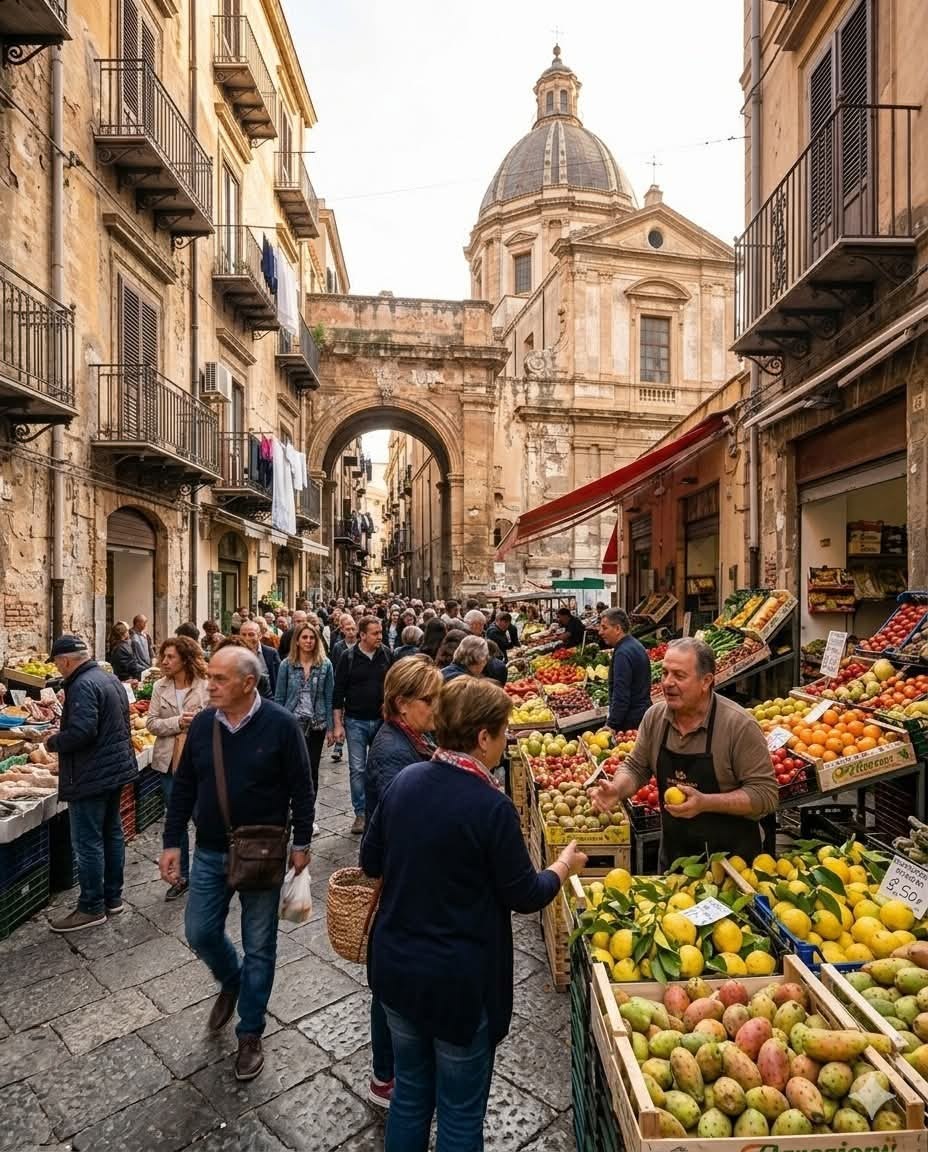
Today you will not eat in a restaurant. You will eat on the streets, from carts and stalls and windows, the way the Palermitans have eaten for a thousand years. Begin at the Ballarò market, the oldest and largest street market in Palermo, occupying a warren of alleys between Via Maqueda and Corso Tukory. Ballarò operates from dawn until early afternoon, and it is not a tourist attraction but a functioning market where Palermitans buy their daily fish, fruit, vegetables, cheese, bread and meat. The voices of the vendors echo off the buildings. The colours are blinding: bright red tuna steaks, purple eggplants, green fennel, yellow lemons, orange persimmons. And the smells, the smells are intoxicating.
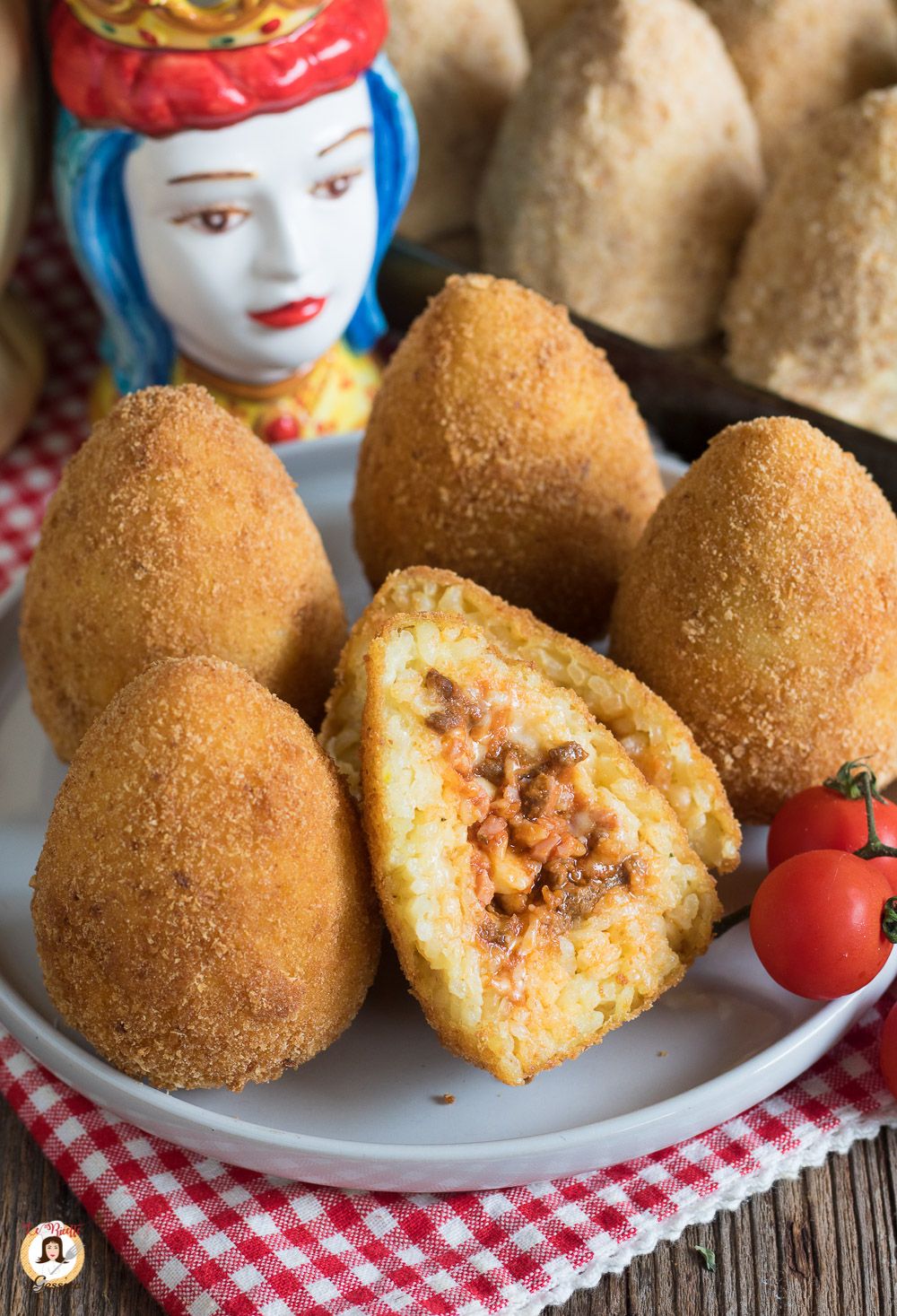
Your first stop is Franco u Vastiddaru, a cart near the entrance of the market that sells the best sfincione in Palermo. Sfincione is Palermo's contribution to the pizza family: a thick, spongy dough topped with tomato sauce, onion, breadcrumbs, sharp caciocavallo cheese and anchovies. Eat it hot, folded like a sandwich, standing on the street corner. Your second stop is Pietro the arancina man, whose cart has no name but is known to everyone in the neighbourhood. Order an arancina (in Palermo it is feminine, arancina, not the masculine arancino of the eastern part of Sicily) filled with ragù, peas and mozzarella. The rice is perfectly cooked, the shell is crisp, and the filling is still molten. Eat it carefully. It burns the inside of your mouth, and you will not care.
For a more adventurous palate, stop at Da Pino, a cart that sells boiled spleen, lung and heart on soft rolls. This is the pane con la milza that you tasted on your first day, but here, in its native environment, it is even better. Ask for it schietto (without ricotta) or with ricotta, and add a squeeze of lemon and a grating of sharp pecorino cheese. Do not think about what you are eating. Feel the texture, the salt, the acid, the soft bread. This is the taste of popular Palermo, unchanged for centuries.
In the afternoon, walk to the Vucciria market, the market immortalised in a famous painting by Renato Guttuso. Vucciria is smaller than Ballarò, and its character is different: it is the market of the evening, when the stalls push out into the square and the young people of Palermo gather for drinks, fried food and conversation. Taste the pani ca meusa, the same spleen sandwich, at one of the historic carts that have been operating here for generations. Then walk uphill to the Church of San Domenico, the Pantheon of illustrious Sicilians, where the island's great figures are buried.
For your final street food experience of the day, cross the road to Antica Gelateria Oscar on Via Mariano Stabile. Oscar has been serving gelato since 1955, and he makes the most intense cannoli in Palermo. The shell is fried to order, the ricotta is whipped to a cloud, and the chocolate chips are generously scattered. You can also order gelato con la brioche, a scoop of ice cream stuffed into a soft, sweet brioche bun, which is the preferred breakfast of the entire city during the summer months. It is not breakfast. It is a meal. It is magnificent.
A note on eating in the markets. Cash is required. The vendors do not accept cards. Eat everything with your hands. Do not ask for a fork. Do not ask for a seat. The experience is designed to be consumed standing, walking, talking, sharing. Bring small denominations, be polite (a buongiorno and a grazie are essential) and follow the example of the Palermitans. They have been eating this way for a thousand years. They know what they are doing.
For a sit down dinner after all that street food, you will not need much. But if you want a final taste of seafood, walk to Al Covo dei Pescatori on the edge of the Kalsa district, near the Porta Felice. This is the restaurant where the fishermen of the old harbour eat. Order a raw seafood platter: red shrimp, marinated anchovies, sea urchin, oysters, and a bowl of busiate with fresh tomatoes and bottarga (cured tuna roe). The fish was swimming in the Tyrrhenian Sea six hours before it reached your plate. You cannot eat fresher seafood anywhere in Palermo.
Day 5 — La Kalsa, the Martorana and the Sea
Your final day in Palermo should be slow. Begin in the Kalsa district, the Arab quarter of the medieval city, named from the Arabic word al khalisa meaning the pure. The Kalsa was the heart of Islamic Palermo, the seat of the emirs, a maze of narrow streets, hidden courtyards, crumbling palaces and forgotten churches. The district has been neglected for centuries, but it is now the most evocative and least touristic part of the historic centre. Walk without a map. Get lost. You will find more beauty in an hour of wandering than in the entire itinerary of a guided tour.
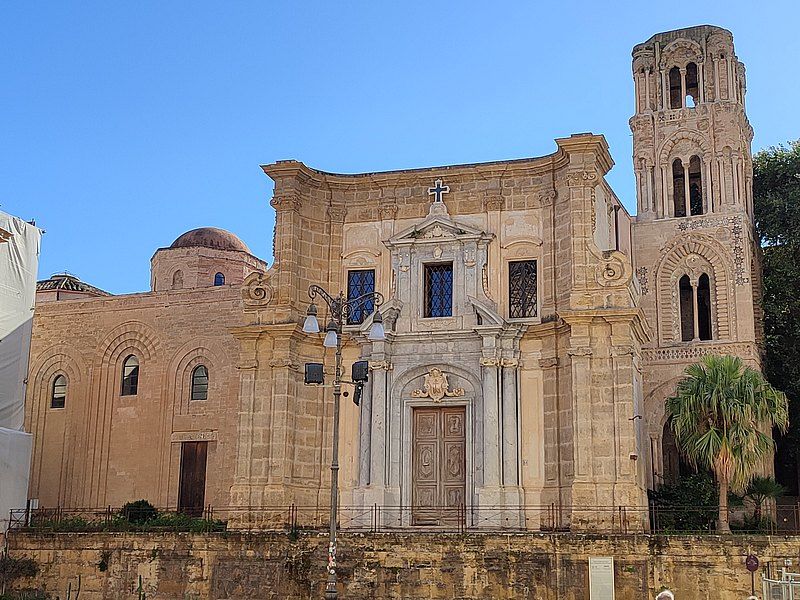
Your first fixed destination is the Church of Santa Maria dell'Ammiraglio, better known as the Martorana. The church was built in 1143 by George of Antioch, the admiral of King Roger II, and its original structure is pure Byzantine: a Greek cross plan, a central dome, and walls covered in gold mosaics of astonishing beauty. The mosaics are less vast than those at Monreale, but they are older, more intimate, and in some ways more moving. The most famous panel shows Roger II receiving the crown of Sicily from Christ, a political statement disguised as a religious image. The church also contains a Baroque extension added in the 16th century, and the contrast between the dark, gold lit Byzantine interior and the bright, stuccoed Baroque addition is one of the most fascinating architectural juxtapositions in Italy.
Next door, the Church of San Cataldo is the opposite of the Martorana: a small, square Norman building with three red Arabic domes and a completely bare interior, stripped of all decoration. The building has no pews, no altarpieces, no frescoes, nothing but stone and light. You stand in the centre of the square room, look up at the three domes, and feel the architecture directly, without the mediation of imagery. The effect is surprisingly powerful, almost meditative.
For lunch on your final day, I send you to Pizzeria Frida on Via Vittorio Emanuele, a modern pizzeria that makes the finest Neapolitan style pizza in Palermo. The crust is soft and puffy, the toppings are local and seasonal, and the wine by the glass is poured from bottles you would expect to find only in a serious restaurant. Order the Margherita con bufala (buffalo mozzarella instead of the usual fior di latte) and a portion of their fried pizza dough as an appetiser. It is a humble meal, but it is perfect.
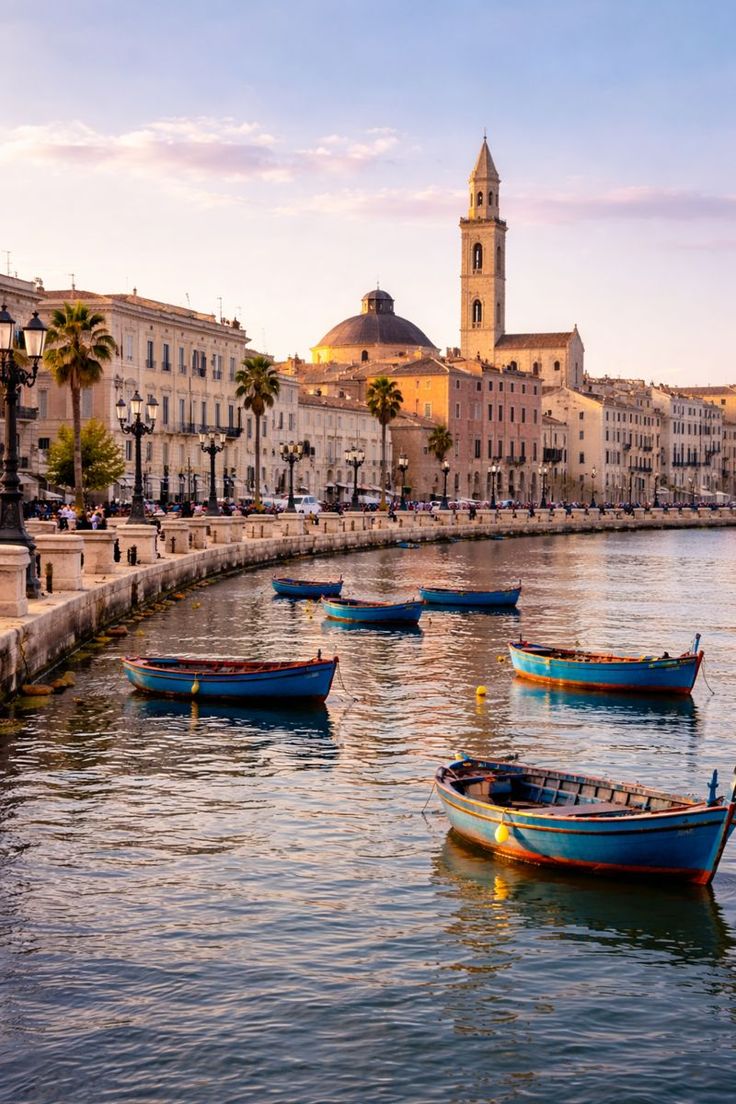
In the afternoon, walk to the sea. Foro Italico is the long seafront promenade that stretches from the Kalsa to the neighbourhood of Sant'Erasmo. The views across the Tyrrhenian Sea toward the Gulf of Mondello and Monte Pellegrino are the views that have been painted by artists for three centuries. Sit on a bench, watch the fishing boats, the families, the old men playing cards, and let the city wash over you one last time. You will understand, at this moment, why Palermo is not a city to be seen but a city to be lived.
For your farewell dinner, I have reserved a table for you at Bye Bye Blues, the Michelin starred restaurant of the chef Patrizia Di Benedetto, located on the seafront of Mondello beach. It is a short taxi ride from the centre, and the food is the most refined expression of Sicilian cuisine you will encounter on your trip. The tasting menu changes seasonally, but it always includes a raw seafood course, a pasta course (often a reinterpretation of the classic con le sarde), a fish course from the waters of the Strait of Sicily, a meat course from the Nebrodi, and a dessert that will make you question why you ever ate cannoli anywhere else. The wine list is thick as a novel, and the service is warm, knowledgeable and entirely unpretentious. Book at least three weeks in advance. It is worth every euro.
An afternoon at Mondello. If the weather is warm and you have time, spend your final afternoon at Mondello beach, the belle époque seaside resort of Palermo. The beach is a crescent of white sand, the water is shallow and clear, and the art nouveau architecture of the bathing establishments is delightful. Take the AMAT bus 806 from Piazza Sturzo or a taxi from the centre. The journey takes 30 to 40 minutes. Bring a swimming costume and a towel, and join the Palermitans as they escape the heat of the city.
Common Tourist Mistakes in Palermo
Spending only one day. Palermo is not a day trip from Cefalù or Taormina. It is a city of more than 600,000 people, with more than two thousand years of history crammed into every street. One day gives you an impression, not an experience. Five days gives you the beginning of a relationship.
Eating in the tourist restaurants on Via Maqueda. The restaurants directly on the main thoroughfares are aimed at visitors who do not know better. They are not terrible, but they are overpriced and anonymous. Walk two streets toward the markets, and you will find the real cooking of the city.
Skipping the Capuchin Catacombs because you find them disturbing. The catacombs are not a horror show. They are a devotional space, a meditation on mortality, and a unique window into the social history of Palermo. Miss them, and you miss something essential about how this city understands death and life.
Not carrying cash in the markets. The street food vendors, the small bakeries, the fruit stalls and the seafood carts do not accept credit cards. If you arrive at Ballarò without cash, you will watch other people eat while you stand hungry and frustrated.
Forgetting to cover your shoulders and knees in churches. Palermo has more churches than any other city in Italy, and most of them enforce the dress code even in summer. A light scarf is the best investment you can make. It covers your shoulders, fits in a pocket, and transforms you from a turned away tourist into a welcome visitor.
The Best Time to Visit Palermo
Spring from March to May and autumn from September to November are the ideal seasons for visiting Palermo. The weather in March and April is mild and sunny, ideal for walking, and the almond trees blossom in the Conca d'Oro, the golden valley that surrounds the city. May is warmer, sometimes hot, but still far from the oppressive heat of July and August. The autumn months bring the grape and olive harvests, and the food of the island is at its richest. September is still warm enough for swimming at Mondello, while November is cooler and wetter but offers the lowest prices of the year and the most authentic, least touristic experience of the city. A rule of thumb: if the average daily temperature in Palermo exceeds 30 degrees Celsius, the Sicilians have retreated to the mountains or the beaches, and you should too.
Essential Practical Information
Getting to Palermo. Palermo Falcone Borsellino Airport (PMO) is located approximately 32 kilometres west of the city. A private transfer with Airport Connection takes 35 to 45 minutes and delivers you directly to your hotel. The Prestia e Comandè airport bus runs from the airport to the central station every 30 minutes and takes approximately 50 minutes. The train (Trinacria Express) departs every hour and takes 45 minutes to reach Palermo Centrale. The transfer is the most comfortable option, especially for late night arrivals or for travellers with luggage. Book at least 48 hours in advance.
Getting around Palermo. The historic centre is compact and flat, and the best way to explore it is on foot. For longer distances, the AMAT city bus network is extensive, but the schedules are not always reliable. Taxis are inexpensive by northern European standards, but they can be difficult to hail on the street. Use the ItTaxi app to book. The Metro is not useful for tourists, except for the line connecting the central station to the seaside neighbourhoods of Sant'Erasmo and Sferracavallo.
Safety. Palermo is a safe city, but like any large urban centre, it requires normal precautions. Keep your bag closed and in front of you in the markets. Keep your phone in your pocket. Do not leave valuables visible in a parked car. The neighbourhoods around the central station can be disorienting at night, but they are not dangerous. The greatest risk you face is being pickpocketed on a crowded bus, and that risk is lower in Palermo than in Rome or Naples. Use your common sense, and you will be fine.
Language. English is spoken in hotels and high end restaurants, but it is not widely spoken elsewhere. Learn a few words of Italian: buongiorno (good morning), buonasera (good evening), per favore (please), grazie (thank you), dove si mangia? (where does one eat?). Your effort will be appreciated, and the response, even if you do not understand it, will be warmer than any reply in English.
Comments
No comments yet. Be the first to share your thoughts!
Leave a Comment
Your comment will appear after moderation.