 Michelle
 Belgium is one of those countries whose culinary reputation lags significantly behind the reality. Ask most travellers what they know about Belgian food and they will mention chocolate, possibly waffles, and perhaps the beer. All correct, and all magnificent. But the full picture of Belgian food culture is considerably richer than these three celebrated exports suggest. Belgium is a country where food is taken seriously at every level, from the frituur on the corner to the starred restaurant in the Sablon neighbourhood, where the ingredient quality is consistently high, where regional traditions are maintained with genuine pride, and where the beer culture is without parallel anywhere else on the planet. Come hungry. Stay curious. Leave with your standards permanently recalibrated.
Why Belgian Food Deserves a Serious Reputation
Belgium sits at the intersection of French and Dutch culinary traditions, and the result is a food culture that combines the technical ambition and ingredient reverence of French cooking with the hearty, generous pragmatism of northern European cuisine. The country has more Michelin-starred restaurants per capita than almost any other nation on Earth, a fact that is frequently surprising to travellers who have not spent much time thinking about Belgian food. The reason is not merely the skill of the chefs, though that is considerable, but the quality of the raw materials: Belgian butter, cream and cheese are exceptional. The North Sea provides superb fish and shellfish, particularly the grey shrimps from the Zeeland coast that are one of the country's most beloved ingredients. The Ardennes forests yield game, mushrooms and wild herbs of extraordinary quality. And the agricultural tradition of producing vegetables for a cuisine that genuinely prizes them, from the white asparagus of spring to the chicory of winter, is one of the most sophisticated in Europe.
The restaurant culture of Belgium also reflects the country's characteristic lack of pretension. Belgian cooking, even at its most refined, tends towards generosity over minimalism, comfort over theatre, and substance over style. A great Belgian restaurant does not make you feel that you are attending a performance: it makes you feel that you are being fed, properly and with genuine care, by people who understand that the purpose of a meal is pleasure and nourishment rather than intellectual exercise. This directness is one of the most appealing qualities of Belgian food culture, and it is found at every level of the market from the roadside frituur to the three-starred dining room.
The Belgian lunch tradition: Belgium takes lunch seriously in a way that is becoming increasingly rare in northern Europe. Many of the best Belgian restaurants offer a lunch menu at prices significantly below the dinner equivalent, and the quality is generally identical. If you are in Brussels, Ghent or Bruges for more than one day, consider organising your most ambitious restaurant booking around a weekday lunch rather than dinner. You will eat just as well for considerably less money, and the atmosphere of a Belgian restaurant at lunch on a weekday, full of business people eating properly and unhurriedly, is in many respects more characteristic than the equivalent dinner service.

1. The Essential Belgian Dishes: What to Order and Where
Belgian cuisine has a core of traditional dishes that are made everywhere and are the measure by which a restaurant or a kitchen is judged. These are the things you must eat before you leave, regardless of where you are staying and how many days you have.
Moules-frites: the national dish
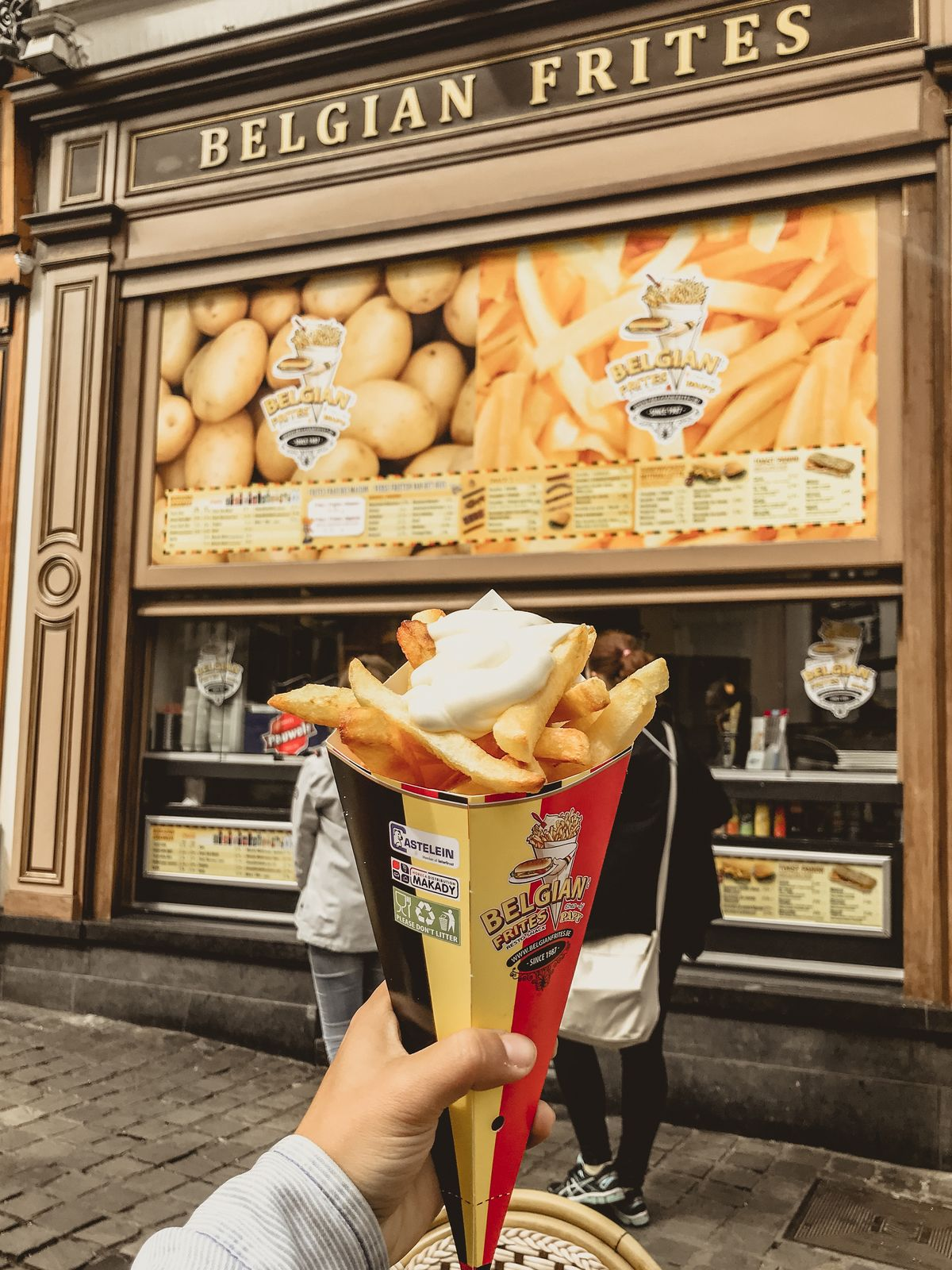
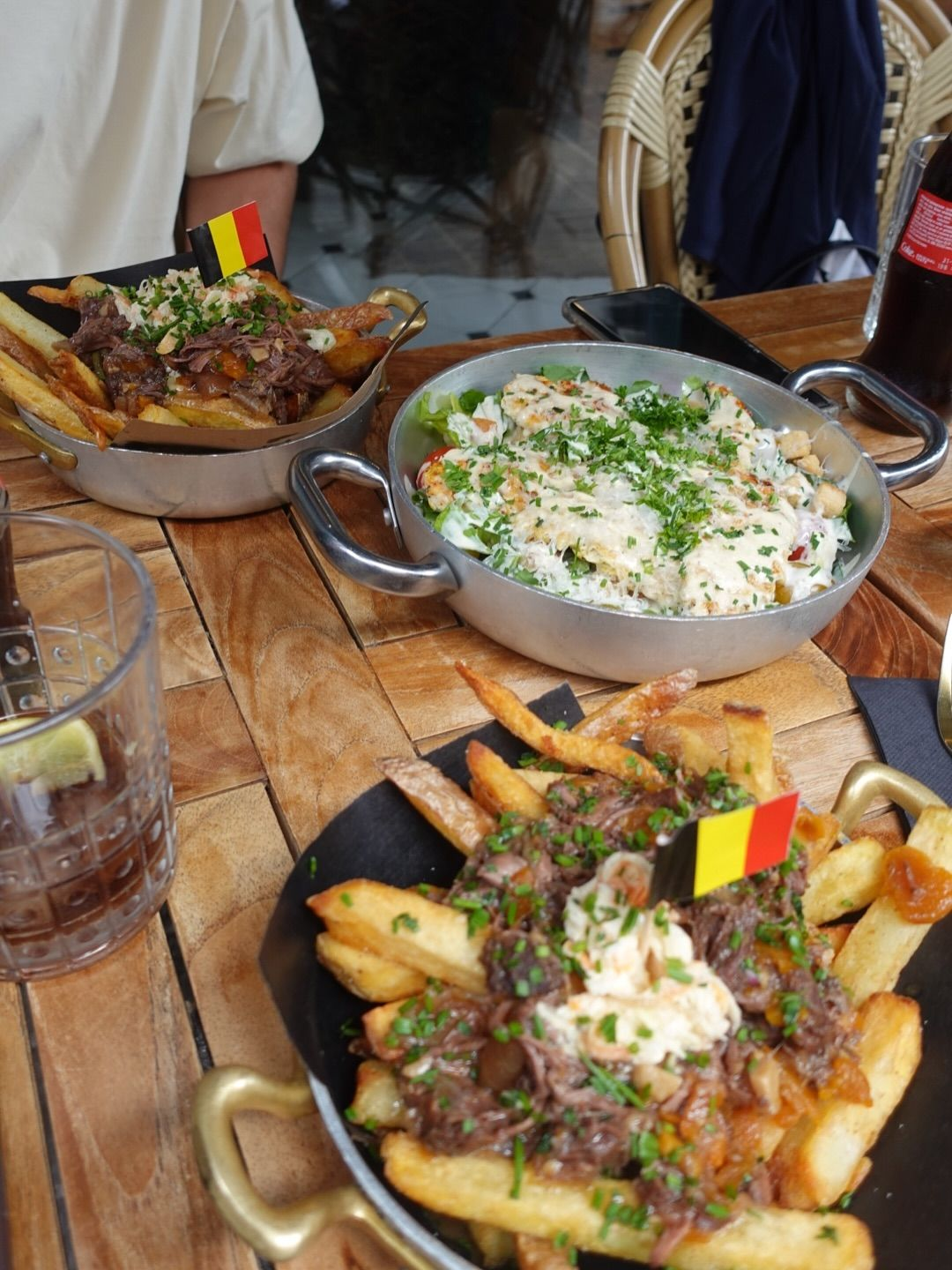
Moules-frites is the dish that most completely represents the spirit of Belgian cooking: excellent shellfish, treated simply, served in quantity, accompanied by the finest fried potatoes in the world. A proper Belgian pot of mussels contains approximately one kilogram of mussels, cooked to order in white wine or beer or cream with shallots, celery and herbs, and served in the pot with a second pot for the empty shells. The frites arrive separately in a paper cone, fried twice in beef fat or vegetable oil to achieve the specific exterior crispness and interior softness that characterise the genuine Belgian frite at its best. The combination is so straightforward and so deeply satisfying that the question of why it works so well is actually quite interesting: the answer lies almost entirely in the quality of the individual components. Belgian mussels from the Zeeland coast are exceptionally sweet and meaty. Belgian frites, made from the right potato variety (Bintje is the traditional choice) and fried at the right temperature, have a texture and flavour that is genuinely different from the fries served in the rest of the world.
In Brussels, the area around the Place Sainte-Catherine, the old fish market square, has the highest concentration of good moules-frites restaurants in the city, and the competition keeps quality consistently high. The restaurants on the square itself are the most visible but not always the best; the side streets around it contain several excellent options. Order the classic white wine preparation for a first visit, then try the version cooked in Belgian white beer on your second order.
Waterzooi: the Ghent original
Waterzooi (pronounced roughly "water-zoy") is a thick, creamy stew that originated in Ghent and is one of the great dishes of Flemish cooking. The word means "water mess" in old Flemish, which gives little indication of the refinement of the finished dish. The original version was made with fish from the Leie river, but as the river became too polluted for edible fish in the nineteenth century, chicken gradually replaced fish as the principal ingredient, and today both versions are widely available. The dish consists of the principal ingredient, either whole chicken pieces or substantial pieces of firm white fish, cooked in a vegetable and cream broth flavoured with leeks, carrots, celery root, onion and fresh herbs. The result is somewhere between a soup and a stew: more substantial than a broth, less solid than a traditional stew, and served in a wide shallow bowl with good bread for the broth. It is the kind of dish that feels like an act of generosity on the part of whoever made it, which is entirely consistent with the character of Ghent's food culture.
Carbonnade flamande: beef braised in Belgian ale
Carbonnade flamande, the Flemish beef stew braised in dark Belgian ale with onions, mustard, thyme and a piece of bread spread with mustard placed on top of the meat during cooking, is one of the defining slow-cooked dishes of northern European cuisine. The beer reduces during the long braising to produce a sauce of extraordinary depth and complexity, slightly bitter, slightly sweet, with a richness that is different from any wine-based stew and immediately recognisable as something entirely Belgian. It is typically served with steamed potatoes or frites and a green vegetable, and it is the kind of dish that makes you understand immediately why the Belgians are so attached to their beer as a cooking medium as well as a drinking one. The best versions require at least three to four hours of slow braising and a good dark Belgian ale, and the restaurants that do it properly are worth seeking out on a cold autumn or winter evening in any Belgian city.
Belgian frites: the original and still the best
The Belgian frite is not a side dish. It is a national institution, a subject of genuine cultural pride, and an object lesson in how a single food, cooked with the right potato, the right fat, at the right temperature and in the right sequence, can be transcendently better than the superficially identical thing made with less care. The Belgian practice of double-frying, cooking the potatoes first at a lower temperature to cook them through and then at a higher temperature to achieve the crisp exterior, is the technical foundation, but the real secret is the starting material: a high-starch, low-moisture potato variety like the Bintje, which produces frites of a texture that the more widely grown potato varieties simply cannot replicate. They are eaten from a paper cone with mayonnaise as the primary condiment (not ketchup, which the serious frituur vendor regards with mild contempt), from a dedicated street kiosk called a frituur or fritkot, and they are one of the finest inexpensive foods available anywhere in Europe. Find the local frituur, join the queue of Belgian people, and order a medium cone with mayonnaise. This is the authentic experience.
2. Belgian Beer: the Most Extraordinary Beer Culture in the World
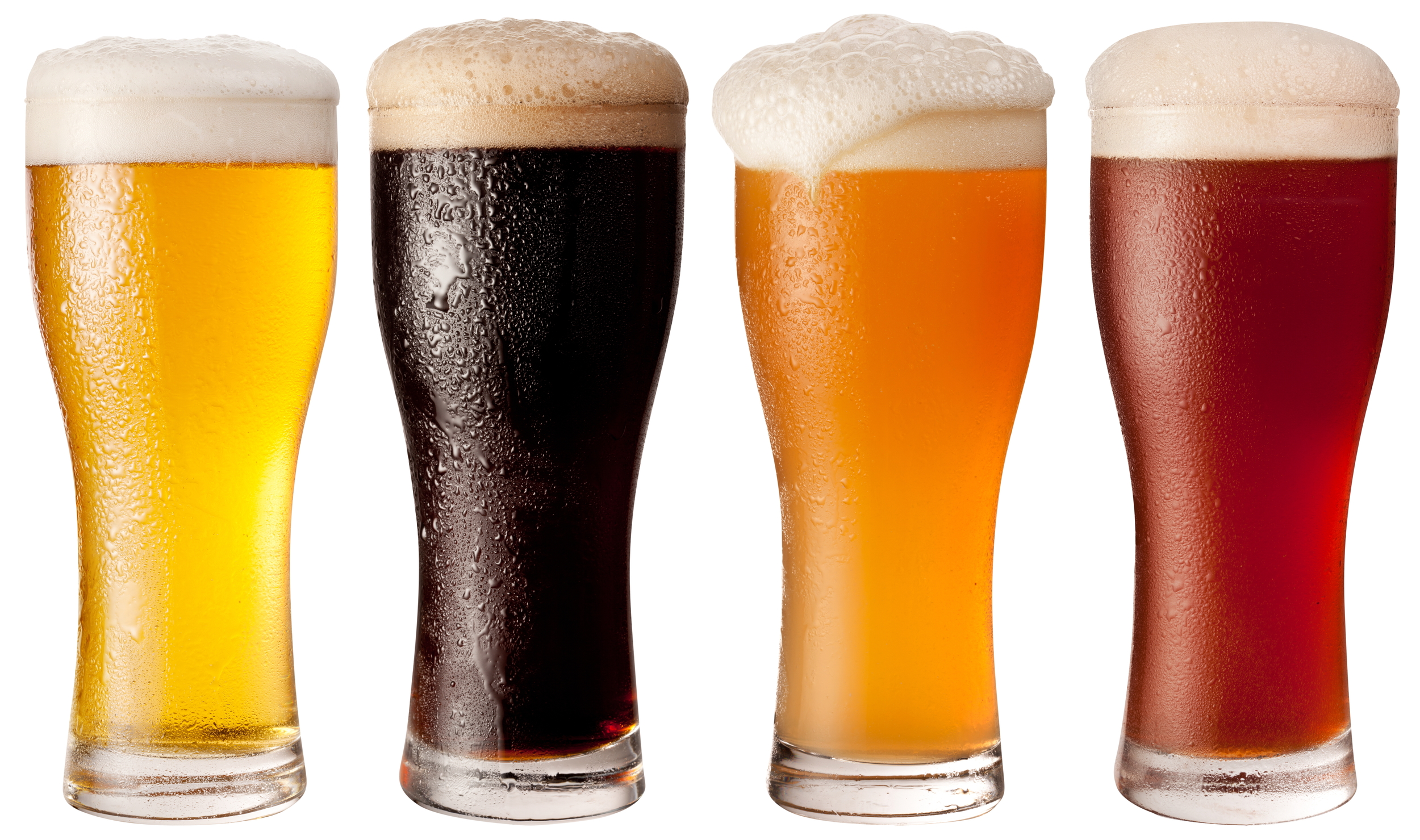
In 2016, UNESCO inscribed Belgian beer culture on its list of Intangible Cultural Heritage of Humanity, a recognition that was long overdue and entirely deserved. Belgium produces over 1,500 distinct beers from more than 300 breweries, representing a range of styles, flavours, fermentation methods and traditions that is without parallel anywhere else on the planet. The United States has more craft breweries by number. Germany has a longer formal regulatory tradition. Britain has a rich ale heritage. But no country in the world matches Belgium for the sheer variety, complexity and cultural depth of its beer tradition, and drinking Belgian beer in Belgium, properly, with the right glass and the right food, is one of the great pleasures available to the European traveller.
Trappist ales: beer as a monastic tradition
The most celebrated category of Belgian beer is the Trappist ale, produced in or immediately adjacent to Trappist monasteries under the supervision of monks, with profits used to support the monastery and charitable causes. There are currently six Belgian breweries holding the Authentic Trappist Product designation: Westvleteren, Chimay, Rochefort, Orval, Westmalle and Achel. Each produces beers of extraordinary quality and character. Westvleteren 12, the strongest and most complex of the Westvleteren range, is consistently voted one of the finest beers in the world and can only be purchased directly from the monastery by advance telephone reservation, a logistical challenge that merely adds to its mystique. Chimay, produced in the Trappist monastery of Scourmont in the southern Ardennes, is the most widely distributed and best known of the Trappist ales internationally, and its Blue (Chimay Bleue), a strong dark ale of 9% alcohol with notes of dried fruit, chocolate and a warming finish, is one of the most perfectly balanced strong ales ever produced. Orval, which ages in the bottle due to the addition of Brettanomyces wild yeast before bottling, develops a character of extraordinary complexity over time and is one of the most distinctive and individual beers in the Belgian tradition.
Lambic, gueuze and the spontaneously fermented tradition
Lambic is among the most extraordinary and unusual beverages produced anywhere in the world: a beer that is fermented not by the addition of cultured yeast but by exposure to the wild yeasts and bacteria of the Senne valley air around Brussels, a process called spontaneous fermentation that has been practised in this specific geographical area for centuries and cannot be replicated elsewhere because the microbial environment that produces it is unique to this place. Young lambic is tart, rough and slightly acidic; aged lambic develops considerable complexity. Gueuze, the blend of young and old lambic that referments in the bottle to produce a naturally sparkling sour beer of great elegance and complexity, is the pinnacle of the lambic tradition and is sometimes described as the Champagne of Belgian beers. The finest gueuzes, from producers like Cantillon, Boon, Tilquin and 3 Fonteinen, are genuinely complex beverages that age gracefully for years and reward attention and a certain openness to sourness and complexity.
The Cantillon brewery in the Anderlecht district of Brussels, operational since 1900 and one of the last surviving urban lambic breweries in the world, is open to the public as a working museum and tasting room and is one of the most remarkable artisanal food experiences available anywhere in Belgium. Walking through the cobwebbed, draught-filled brewery, seeing the coolship where the wort is exposed to the night air for spontaneous fermentation, and tasting fresh lambic and gueuze directly from the barrel is an experience that no amount of reading about Belgian beer can prepare you for. Book in advance.
How to drink Belgian beer correctly
Belgian beer is drunk with considerably more ceremony than most other beer traditions, and the ceremony matters. Each major beer style and many individual beers have their own dedicated glass, shaped to enhance the specific character of that beer: the wide-mouthed chalice of Chimay, the tulip glass of Duvel, the distinctive goblet of Kwak, the thin-stemmed bowl of Orval. A Belgian bar that serves a beer in the wrong glass is considered to be making a genuine mistake, and many of the better beer cafes will take considerable care to ensure that the right glass is used. The glass is typically rinsed with cold water before serving to ensure temperature and cleanliness. The beer is poured at a specific angle to produce the right amount of head. All of this sounds elaborate but becomes entirely natural after one or two encounters, and it produces a better drinking experience at every stage.
The best beer cafes in Belgium: In Brussels, the Moeder Lambic Fontainas in the Saint-Gilles neighbourhood and the Delirium Cafe near the Grand Place are excellent starting points, representing very different ends of the Belgian beer experience. In Bruges, the Bruges Beertje (the Little Bear) on the Kemelstraat is one of the finest specialist beer cafes in the world, serving over 300 Belgian beers in a small, convivial space that has been operating since 1983. In Ghent, the Dulle Griet on the Vrijdagmarkt is famous for its collection of over 500 beers and the tradition of leaving your shoe as a deposit when ordering the metre-tall Kwak glass. Any of these places will give you an education in Belgian beer that no amount of reading can match.
3. Chocolate, Waffles and the Sweet Side of Belgium
Belgium's reputation for chocolate is among the most justified in the world, and the difference between a genuinely excellent Belgian chocolate, made from high-quality single-origin couverture by a skilled chocolatier, and the mass-produced Belgian chocolate sold in airport gift shops, is as significant as the difference between a great Trappist ale and a mass-market lager. The two most important things to know about Belgian chocolate are that the best of it is made fresh and should be eaten within a week or two of purchase, and that the finest chocolatiers are not necessarily in the most visible locations.
Pralines, the filled chocolates that are Belgium's most distinctive contribution to the chocolate tradition, were invented in Brussels in 1912 by Jean Neuhaus, and the tradition of fine praline-making has been continuously refined in Belgium for over a century. The finest examples, from producers like Pierre Marcolini in Brussels, The Chocolate Line in Bruges and Zaabar in Brussels, are works of considerable artisanal skill: ganaches, caramels, gianduja pastes and fruit preparations enclosed in shells of precisely tempered chocolate, with flavours that range from the classical (coffee, pistachio, caramel) to the adventurous (Sichuan pepper, yuzu, aged rum). Budget around ten to fifteen euros for a small box of genuinely excellent pralines, which is modest for an experience that represents one of the finest food pleasures Belgium offers.
Belgian waffles: the two traditions
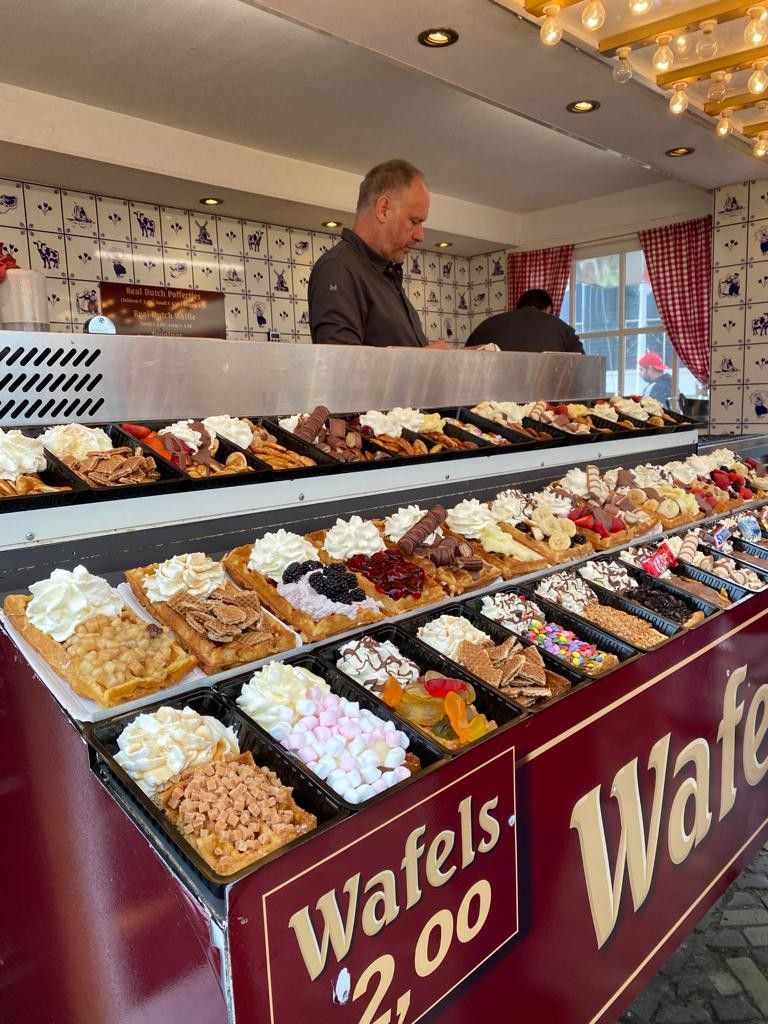
Belgian waffles come in two fundamentally different versions, and understanding this distinction will save you from ordering the wrong one and wondering what all the fuss is about. The Brussels waffle (gaufre de Bruxelles) is rectangular, light, crisp-edged and relatively dry: it is designed to be eaten plain or with minimal toppings, and its quality lies in the lightness of the batter and the crispness of the exterior. The Liège waffle (gaufre de Liège) is oval or irregular in shape, denser, richer and embedded with pearl sugar that caramelises against the iron during cooking, producing a sweet, chewy, slightly crispy surface that is an entirely different eating experience from the Brussels version. The Liège waffle is eaten warm, from a street vendor, without toppings: it does not need them. The Brussels waffle can be eaten with whipped cream, strawberries or chocolate sauce and is the version you are most likely to encounter in tourist-oriented establishments. For the authentic experience of Belgian waffle culture, find a street vendor selling Liège waffles and eat one standing up, without cutlery, in the street. It will be one of the better things you eat in Belgium.
Belgian food culture has a quality that is difficult to name precisely but immediately recognisable in experience: it is the quality of things made by people who genuinely care how they turn out. The frite fried in the right fat at the right temperature. The praline filled with a ganache that required three days to prepare. The gueuze that has been ageing in the bottle for three years before anyone was allowed to open it. Belgium is a country that takes the time to do things properly, and the results, at every level of the food chain, are worth the journey.
4. Where to Eat: Brussels, Bruges and Ghent
Belgium's three major cities each have a distinct food personality and reward different approaches depending on what you are looking for.
Brussels: cosmopolitan and ambitious
Brussels is the most cosmopolitan of the three and has the greatest variety: from the moules-frites institutions around the Place Sainte-Catherine and the Belgian classics in the Ixelles and Saint-Gilles neighbourhoods to the starred restaurants of the Sablon district and the natural wine bars and contemporary kitchens of the Matongé and the Flagey area. The Rue des Bouchers, the heavily touristed restaurant street near the Grand Place, is best avoided: the restaurants that line it are aimed entirely at visitors and their quality does not justify their prices. Walk ten minutes in almost any direction from the Grand Place and the quality improves and the authenticity increases significantly. The Place du Châtelain area in Ixelles is one of Brussels' finest food neighbourhoods, with excellent bistros, cheese shops, wine bars and bakeries that cater to a largely local clientele and price their menus accordingly.
Ghent: innovative and proud of it
Ghent has one of the most exciting restaurant scenes in Belgium, remarkable for a city of its size and particularly notable for the quality and ambition of its vegetarian and plant-based restaurants, a tradition that goes back to the city's decision in 2009 to introduce a weekly Thursday "Veggie Day" encouraging residents to eat plant-based food once a week. The restaurant culture that developed around this initiative has produced several genuinely excellent establishments that would hold their own in any major European food city. But Ghent is equally strong on traditional Flemish cooking: waterzooi, carbonnade flamande, stoofvlees and the full range of regional classics are available at numerous restaurants of excellent quality throughout the historic centre. The Vrijdagmarkt square and the streets around the Patershol neighbourhood, a beautifully preserved medieval quarter of small cobbled streets just north of the Gravensteen castle, have the highest concentration of good restaurants in the city.
Bruges: tradition and the best beer cafe in the world
Bruges is the most tourist-oriented of the three cities and the one where the gap between tourist restaurants and good local eating is most significant. The streets immediately around the central Markt and the Burg have a high density of restaurants aimed at day visitors, and quality in this area is variable. Walk further into the residential streets of the historic centre, towards the Sint-Anna or the Coupure neighbourhoods, and you find a more authentic and more rewarding dining environment. Bruges's particular strength, beyond the standard Flemish classics which are available everywhere at decent quality, is its beer cafe culture: the Bruges Beertje and the Cambrinus are two of the finest specialist beer establishments in Europe, and spending an evening working through the beer list at either of them, with a plate of local cheese and charcuterie, is one of the most pleasurable experiences the city offers.
Common tourist mistakes when dining in Belgium: Eating in the Rue des Bouchers in Brussels or the restaurants on the central Markt in Bruges, where the tourist concentration is highest and the quality-to-price ratio lowest. Assuming that all Belgian beer is interchangeable and ordering a Stella Artois (which is technically Belgian but represents none of the interest or quality of the authentic Belgian beer tradition) when the beer menu contains dozens of more interesting options. Visiting Brussels without making time for a proper Belgian lunch, which is one of the finest food experiences the city offers at any price. And leaving Belgium without buying a box of proper fresh pralines from a serious chocolatier.
Getting to Belgium: Arriving and Getting Around
Brussels Airport (Zaventem, BRU), located approximately 14 kilometres northeast of the city centre, is the main international gateway to Belgium, with direct connections from major European hubs and intercontinental destinations. The most comfortable arrival experience is a private airport transfer directly to your hotel, which takes around 25 to 35 minutes at a fixed price. The direct train from the airport to Brussels-Central, Brussels-Midi and Brussels-Nord stations runs every 15 minutes, takes approximately 20 minutes and is an excellent public transport option.
From Brussels, the main Belgian cities are exceptionally well connected by rail. Bruges is 60 minutes by direct train from Brussels-Central. Ghent is 30 minutes. Antwerp is 35 minutes. The Belgian rail network, operated by SNCB, is comprehensive and punctual by European standards, and the combination of the compact geography of the country and the quality of the rail connections means that Belgium rewards a multi-city visit of three to four days more than almost any other country of equivalent size. Arriving at Brussels Airport and spending time in Brussels, Ghent and Bruges within a long weekend, with a different food and beer experience in each city, is one of the finest short European travel itineraries available.
Comments
No comments yet. Be the first to share your thoughts!
Leave a Comment
Your comment will appear after moderation.