 Michelle
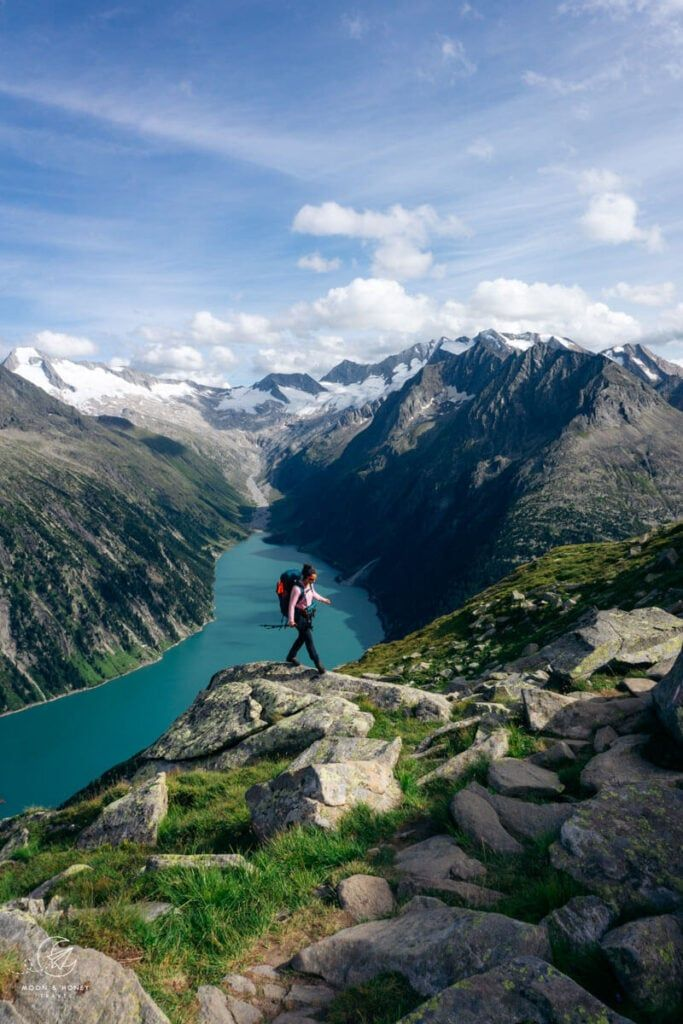
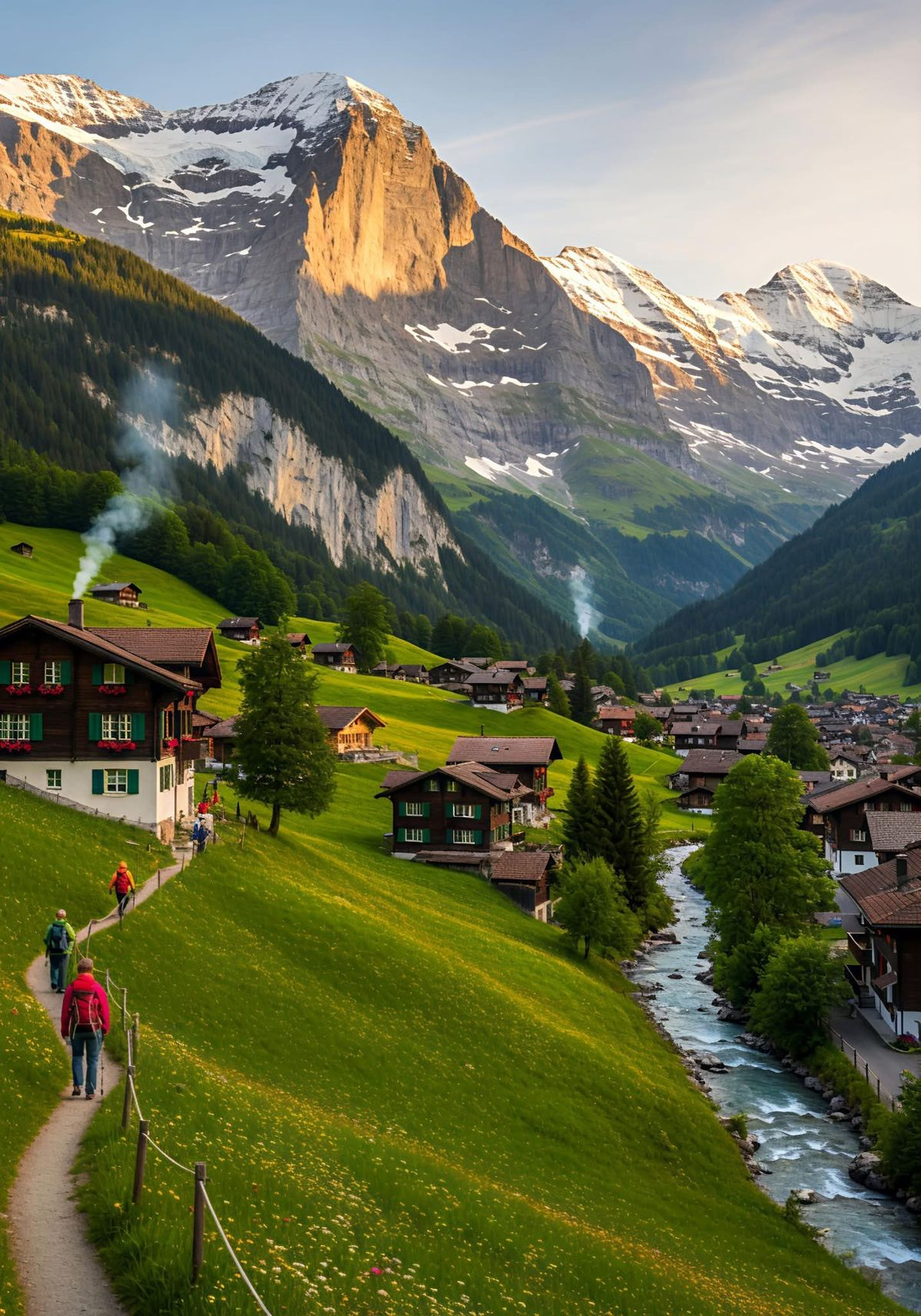
 There are countries that have mountains, and then there are countries that have organised an entire way of life around them. Austria is emphatically in the second category. Two thirds of the country's surface is covered by the Alps, and the relationship between Austrians and their mountains is not merely recreational but deeply cultural: a tradition of walking, climbing, skiing and simply being in the high places that goes back centuries and that has produced one of the finest outdoor infrastructure systems in the world. More than fifty thousand kilometres of marked hiking trails. Over five hundred mountain huts offering food and accommodation. Trail signage so reliable and so detailed that losing your way is genuinely difficult. This is a country that has put serious thought into how to welcome the person who wants to walk in the mountains, and the result is extraordinary.
Why Austria Is One of the World's Great Hiking Destinations
The Austrian Alps form part of the Eastern Alps, the section of the great alpine chain that runs through Tyrol, Salzburg, Carinthia, Styria and Vorarlberg before continuing into Switzerland and the mountain systems of neighbouring countries. Within Austria, the range spans an extraordinary variety of terrain: from the relatively gentle, forested hills of the Bregenzerwald in the west and the green valleys of the Salzkammergut in the centre to the bare, dramatic high-altitude world of the Ötztal and the Hohe Tauern, where glaciers still occupy the upper valleys and peaks above three thousand metres are not uncommon.
What distinguishes Austria as a hiking destination is not merely the quality of the landscape, which is objectively extraordinary, but the quality of the infrastructure built to help walkers experience it. The Österreichischer Alpenverein, the Austrian Alpine Club, founded in 1862, is one of the oldest and most active mountaineering and hiking organisations in the world. It maintains the majority of the country's marked trail network, owns and operates hundreds of mountain huts, publishes detailed maps and guidebooks for every region, and provides weather forecasts, trail condition reports and rescue coordination that make the Austrian Alps accessible to hikers of widely varying experience and ability. Membership of the Alpenverein, which is open to international visitors, provides discounts at alpine huts across Austria, Germany and South Tyrol, rescue insurance, and access to one of the most comprehensive databases of trail information available anywhere.
The result of this long institutional commitment to mountain access is a trail network that works seamlessly from valley floor to high alpine ridge. You can walk from a village station, climb through meadows and forests to a mountain hut for lunch, continue to a high-altitude lake or a summit viewpoint in the afternoon, and be back in time for dinner. Or you can spend a week moving from hut to hut on a multi-day route, sleeping in the mountains, eating hearty alpine food at shared wooden tables with other walkers from a dozen different countries, and covering some of the most beautiful terrain in Europe without ever needing to plan further than the next day's stage.
Joining the Alpenverein: If you plan to spend more than a few days hiking in Austria, joining the Austrian Alpine Club before you travel is genuinely worthwhile. Annual membership costs around 65 euros and includes substantial discounts at hundreds of alpine huts across the Eastern Alps, third-party liability insurance in the mountains, and access to rescue insurance that covers helicopter evacuation. The online maps and trail condition database are also invaluable for planning. The international section of the Alpenverein website allows non-Austrian residents to join online.
1. The Best Hiking Regions in Austria
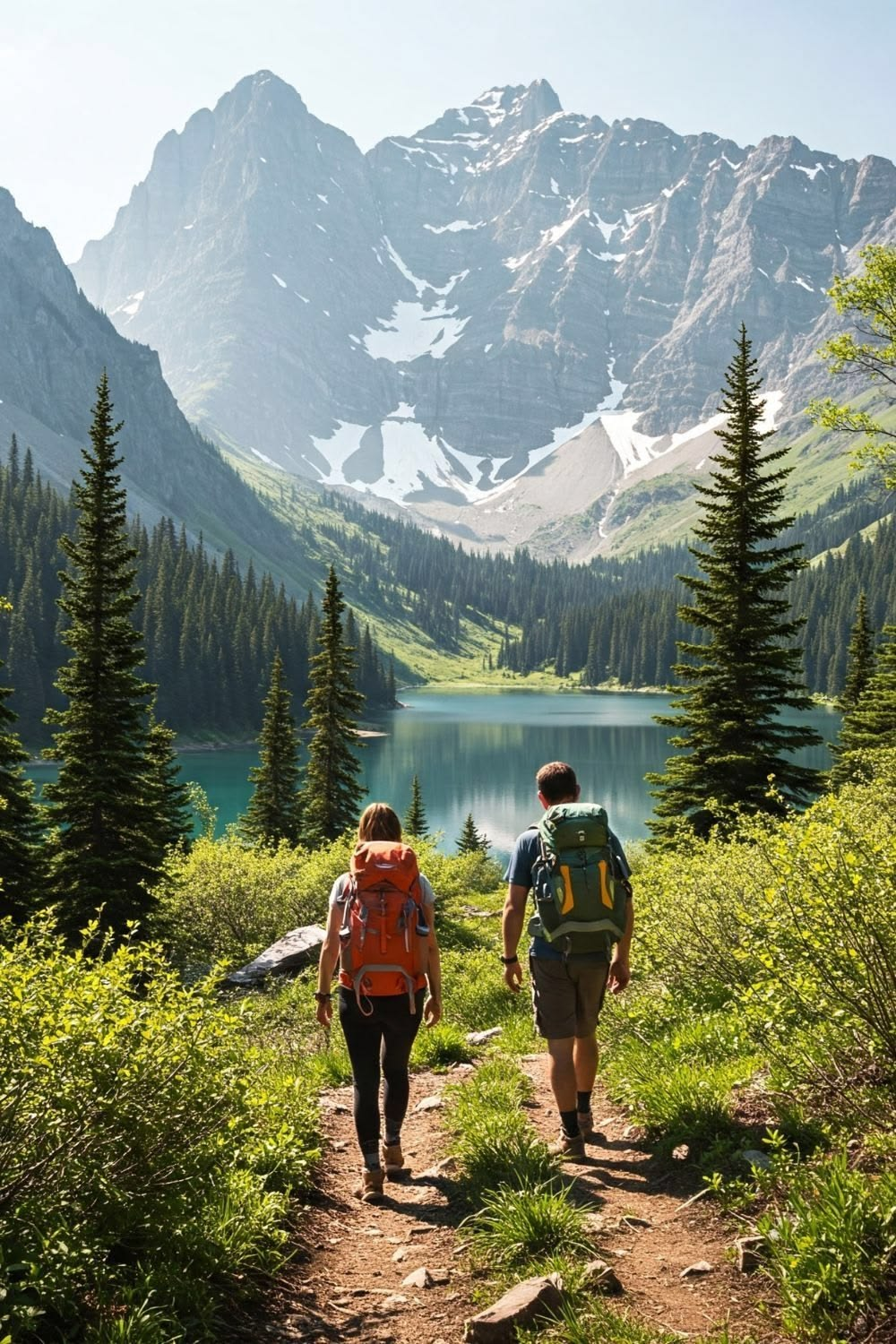
Austria's hiking landscape is vast and enormously varied, but four regions stand out as the most compelling destinations for walkers of every level.
Tyrol: the heart of alpine hiking
The Tyrol is Austria's alpine heartland and its most celebrated hiking destination, a region of dramatic peaks, deep valleys, traditional villages and a trail network of extraordinary density and quality. The regional capital, Innsbruck, sits in a bowl of mountains from which you can reach high alpine terrain within minutes of stepping off a cable car, and the surrounding valleys, including the Stubaital, the Ötztal, the Zillertal and the Pitztal, offer routes for every level from gentle half-day family walks to demanding multi-day crossings of high-altitude passes.
The Ötztal Alps contain some of the most spectacular and physically demanding terrain in Austria, culminating in the Wildspitze at 3,768 metres, the highest mountain in the Tyrol and the second highest in Austria. The surrounding area gained worldwide attention in 1991 when a glacial mummy, subsequently named Ötzi, was discovered in a melting glacier near the Austrian-Italian border at 3,210 metres, having been preserved in the ice for approximately 5,300 years. The Ötzi discovery transformed scientific understanding of Copper Age European life, and the area around the find site, accessible by a long high-altitude trail from the Similaun Hut, draws visitors with a specific interest in this extraordinary piece of prehistoric history.
The Zillertal, one of the most beautiful valleys in the Tyrol, offers a gentler introduction to alpine hiking for those new to the mountains. The valley floor is easily accessible from Innsbruck by train, and from the village of Mayrhofen a network of cable cars gives access to high alpine terrain without the need for a long ascent from the valley. The Berliner Höhenweg, a multi-day high-altitude circuit of the Zillertal Alps, is one of the finest long-distance routes in Austria, traversing glaciated terrain above 3,000 metres between a series of well-equipped alpine huts and offering views of extraordinary scale and drama.
Hohe Tauern National Park: Austria's high-altitude wilderness
The Hohe Tauern National Park, spanning the provinces of Salzburg, Carinthia and Tyrol, is the largest national park in the Alps and one of the most biodiverse alpine ecosystems in Europe. At its centre stands the Grossglockner at 3,798 metres, Austria's highest mountain, whose dramatic form dominates the skyline of the central Alps. The Grossglockner High Alpine Road, one of the most spectacular mountain roads in Europe, bisects the national park and provides road access to areas that would otherwise require a serious climb, making the high alpine landscape accessible to visitors who are not experienced mountaineers but who want to experience the scale of the high mountains.
The Krimmler Waterfalls in the western Hohe Tauern, at 380 metres the highest waterfalls in Austria and among the most powerful in Europe, are reached by a well-marked trail of moderate difficulty that ascends through a series of viewpoints alongside the cascading water. The hike takes approximately two hours return and is suitable for walkers of all levels. The surrounding Obersulzbachtal valley offers further excellent walking through one of the most pristine glacial landscapes in the Eastern Alps, with the Krimmler Achental and the Krimmler Kees glacier visible from several points along the valley trails.
The Salzkammergut: alpine lakes and gentler walking
The Salzkammergut, the lake district southeast of Salzburg, offers a different quality of hiking experience from the high alpine regions of Tyrol and the Hohe Tauern: gentler terrain, more moderate altitudes, and the constant presence of extraordinarily beautiful lakes whose colours range from deep turquoise to vivid emerald depending on the season and the angle of the light. The region contains 76 lakes and is surrounded by limestone mountains, the Dachstein being the highest, that provide excellent walking above the valley floors without the exposure and technical demands of the high-altitude routes further west.
The Hallstatt Skywalk walk, ascending above the UNESCO-listed village of Hallstatt to a viewing platform at 360 metres above the lake, is one of the most photogenic short hikes in Austria. The Gosaukamm ridge walk above the Gosausee lake system offers more demanding terrain with spectacular views over the Dachstein glacier and the surrounding mountains. And the Loser Alm plateau above the Altausseer See is a vast, gently sloping high meadow with extraordinary views in every direction, reached by road and cable car as well as on foot, and offering easy walking of the kind that rewards those who are more interested in the experience of being in a beautiful landscape than in the physical challenge of getting there.
2. Mountain Huts: Austria's Extraordinary Alpine Refuge Network
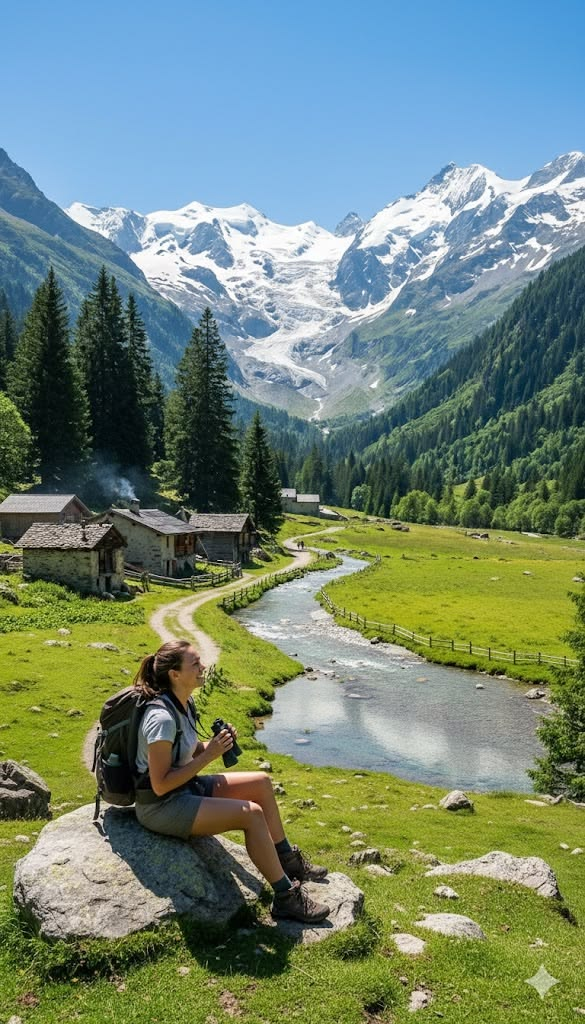
One of the things that sets hiking in Austria apart from almost any other mountain destination in the world is the quality and density of its Schutzhütten, the alpine mountain huts that provide food, drink and accommodation throughout the trail network. There are over five hundred staffed huts in the Austrian Alps, ranging from small, simple shelters accessible only on foot after several hours of hiking to large, well-equipped establishments that can accommodate hundreds of guests and serve elaborate hot meals throughout the day.
The huts are the social and logistical infrastructure of alpine hiking in Austria, and spending time in them is one of the most rewarding aspects of a hiking trip in the region. Arriving at a hut after a long uphill section, removing your boots at the door, sitting down at a wooden table on a sunny terrace with a view of the peaks, ordering a bowl of Gulaschsuppe or a plate of Kaiserschmarrn and a cold beer, and watching other walkers arrive and recover: this is the rhythm of Austrian mountain walking, and it is as much a part of the experience as the trail itself.
What to expect in an alpine hut
Austrian mountain huts vary considerably in their size, comfort and the facilities they offer, but all of them operate on a similar model. Most provide both day visitor services (food, drinks, snacks) and overnight accommodation in the form of Mehrbettzimmer (multi-bed rooms, typically six to twelve bunks) and, in the larger huts, some private double rooms. Overnight guests are provided with a blanket or duvet and a sheet sleeping bag, which you either bring yourself or rent on arrival. Meals are hearty and warming: soup, pasta, goulash, schnitzel, dumplings, and the famous Kaiserschmarrn, the sweet shredded pancake served with apple sauce or plum jam that is the definitive alpine dessert and one of the most comforting things available at altitude anywhere in Europe.
Booking overnight accommodation at popular huts during July and August is strongly recommended, and for some of the most sought-after huts on major routes it is essential. Many huts now have online booking systems through the Alpenverein website or their own websites. Arriving at a full hut without a reservation during high season can occasionally mean sleeping in the Notlager, the emergency dormitory, or being turned away entirely. Plan ahead, particularly for routes that involve overnight stays at well-known huts on popular long-distance trails.
Hut etiquette in Austria is straightforward and worth knowing before you arrive. Remove your boots at the entrance and wear the indoor sandals or slippers provided. Greet fellow walkers with Berg Heil on the trail or simply Grüß Gott in the hut. Pay your bill on departure rather than at each round. Leave the hut and the surrounding area exactly as you found it. And if you are using the hut only for refreshments without staying overnight, a modest purchase is expected and appreciated.
What to eat in an Austrian mountain hut: The food served in Austrian alpine huts is some of the most satisfying in the world, calibrated perfectly for the appetite of someone who has spent several hours walking uphill. Do not leave Austria without trying Tiroler Gröstl (pan-fried potatoes, onions and meat, topped with a fried egg), Leberknödelsuppe (liver dumpling soup), Apfelstrudel warm from the oven, and the Kaiserschmarrn that appears on virtually every hut menu in the country. At lower altitude inns and valley restaurants, Wiener Schnitzel, Tafelspitz (boiled beef) and the various regional specialities of Tyrol, Salzburg and Carinthia are all worth seeking out. Austrian food at its best is generous, well-crafted and deeply satisfying.
3. Planning Your Hike: Seasons, Difficulty and Essential Gear
The Austrian Alps reward careful planning. Unlike a visit to a city, where a degree of improvisation is possible and the consequences of poor preparation are limited to minor inconvenience, hiking in the mountains requires honest self-assessment, appropriate equipment and respect for the conditions. The good news is that Austria's trail infrastructure and information resources make this planning easier here than almost anywhere else in Europe.
Understanding the trail difficulty system
Austrian trails are marked with a consistent colour-coded difficulty system that applies throughout the country. Blue trails are suitable for walkers of all fitness levels and experience, typically following well-maintained paths through gentle terrain with moderate elevation gain. Red trails are moderately demanding routes that may involve steeper sections, some scrambling and exposure to height, suitable for fit walkers with some experience of mountain terrain and appropriate footwear. Black trails are demanding high-altitude routes that may involve glacier crossings, via ferrata sections, challenging terrain and significant navigation requirements, and are intended for experienced mountaineers with specialist equipment. Most leisure hiking in Austria is conducted on blue and red trails, which together cover the vast majority of the country's 50,000-kilometre network.
The hiking seasons in detail
The main hiking season in the Austrian Alps runs from mid-June to mid-October, but the optimal experience varies significantly within this window. June is characterised by lush alpine meadows still recovering from the snowmelt, abundant wildflowers, and trails that are sometimes still wet and muddy in the upper sections. The mountain huts are open but not yet at summer capacity, and the relative quiet of early season has its own appeal. July and August are the peak months: maximum daylight hours, warm temperatures at altitude, fully staffed and operational huts, and the highest visitor numbers. The combination of excellent conditions and heavy use means that popular trails and huts feel genuinely busy during these months, and advance booking is essential for overnight accommodation. September and early October represent, for many experienced walkers, the finest time of year: the summer crowds have thinned, the alpine meadows are turning from green to gold, the light has a particular clarity and warmth, and the huts are still open but noticeably quieter.
Above approximately 2,500 metres, conditions can change rapidly at any time of the hiking season. Afternoon thunderstorms are common in the Alps throughout summer and can develop with remarkable speed, transforming a clear morning into a dangerous electrical storm by early afternoon. Checking the mountain weather forecast before setting out and planning to be below the exposed sections of any high-altitude trail by early afternoon is a discipline that experienced alpine walkers never abandon, regardless of how promising the morning looks.
Essential equipment for hiking in Austria
The minimum equipment for any hiking day in Austria, even on well-marked blue trails, includes proper waterproof hiking boots with ankle support, a waterproof jacket, a mid-layer fleece or warm top, sun protection (hat, sunscreen and sunglasses, since UV intensity increases significantly at altitude), sufficient water for the day and snack food, a detailed map of the area or a downloaded offline map on your phone, and a fully charged mobile with the local mountain rescue number saved (140 in Austria). For red trails and above, trekking poles are strongly recommended for both the ascent and the descent, the downhill portion being the one that most frequently causes knee and ankle injuries in walkers who have underestimated the cumulative toll of several hours on steep terrain.
The Austrian Alps are not simply a backdrop for physical exercise. They are a landscape of extraordinary beauty, ancient geology and deep human history, and the walker who moves through them with patience and attention will find rewards that go well beyond the purely physical. Take your time. Look around. Stop at the huts. Talk to the other walkers. The mountains will give you back exactly what you bring to them.
4. Getting to the Austrian Alps: Arriving and Getting Around
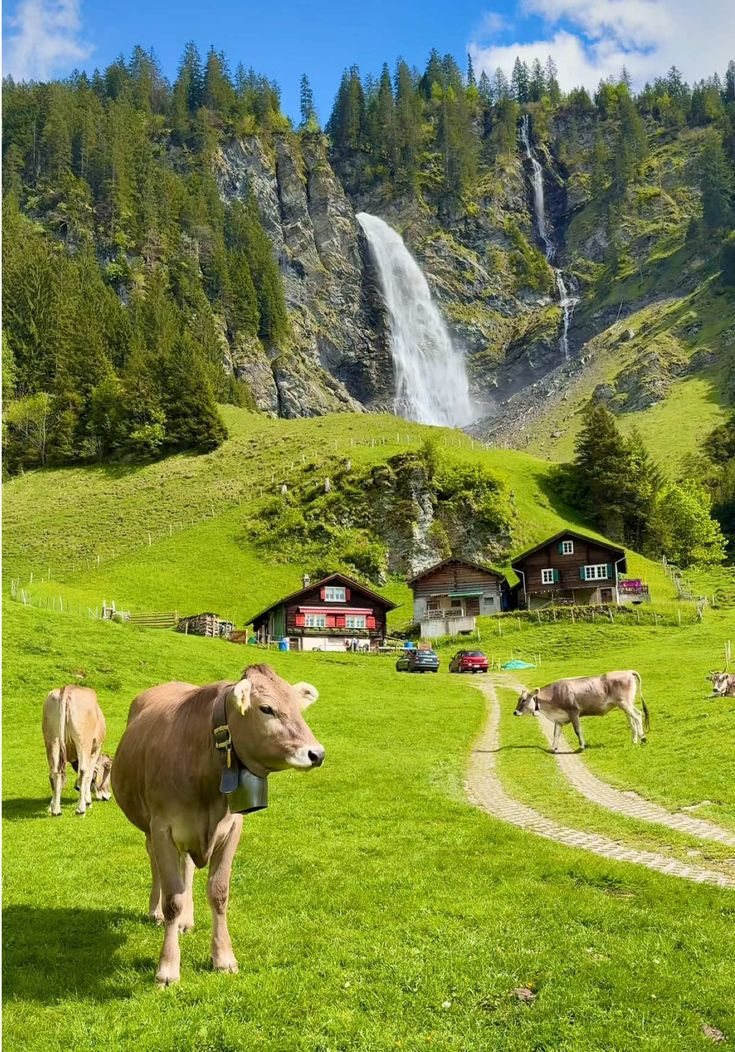
Austria is one of the most accessible mountain destinations in Europe, served by an excellent international airport at Vienna and by regional airports at Innsbruck, Salzburg and Graz that receive direct flights from major European cities during the summer hiking season. The country's rail network is among the finest in Europe, and the combination of international connections and domestic services makes it possible to arrive at Vienna Airport and be standing in alpine terrain within three to four hours without needing to hire a car.
Vienna International Airport (VIE), the country's principal hub, is located approximately 20 kilometres east of the city centre. The most comfortable way to reach your Vienna hotel or continue to the train station is a private airport transfer, which takes around 30 to 40 minutes at a fixed price and delivers you door to door with your luggage handled. From Vienna Hauptbahnhof or Wien Meidling, high-speed trains connect to Innsbruck in approximately two hours and to Salzburg in approximately two and a half hours, both offering excellent onward connections to the alpine valleys.
Innsbruck Airport (INN), which receives direct flights from London, Amsterdam, Frankfurt and other European hubs during the summer, is the most convenient arrival point for hikers planning to spend their time in the Tyrol or the Ötztal Alps. The airport is only 4 kilometres from the city centre and is served by buses and taxis, with a private transfer taking approximately 15 minutes. Innsbruck itself, surrounded by mountains on all sides, offers cable car access to high alpine terrain directly from the city and is an excellent base for multi-day hiking programmes in the Tyrolean Alps.
Salzburg Airport (SZG) is the most convenient arrival point for walkers planning to explore the Salzkammergut or the Hohe Tauern. The airport is 4 kilometres from the city centre and well connected by bus and taxi. Salzburg is also an excellent city to spend a day or two in its own right: the baroque old town, the Hohensalzburg fortress, the Mozart birthplace and the extraordinary musical culture of the city make it one of the most rewarding urban destinations in central Europe and a fitting gateway to one of the most beautiful alpine landscapes in the world.
Common mistakes hikers make in the Austrian Alps: Setting out without checking the mountain weather forecast and being caught in an afternoon thunderstorm on an exposed ridge. Underestimating the time required for routes, which are always marked with ascent and descent times based on average fitness levels and tend to be optimistic for those not accustomed to alpine terrain. Wearing trail running shoes or unsuitable footwear on rocky, wet or steep trails. Not carrying a map and relying entirely on phone GPS, which loses signal in many valleys and whose battery fails in cold temperatures. And perhaps most commonly, attempting a route rated beyond one's current fitness level and equipment without realising the consequences until reaching the difficult section, when retreat is harder than it looked from the bottom.
Comments
No comments yet. Be the first to share your thoughts!
Leave a Comment
Your comment will appear after moderation.