 Michelle
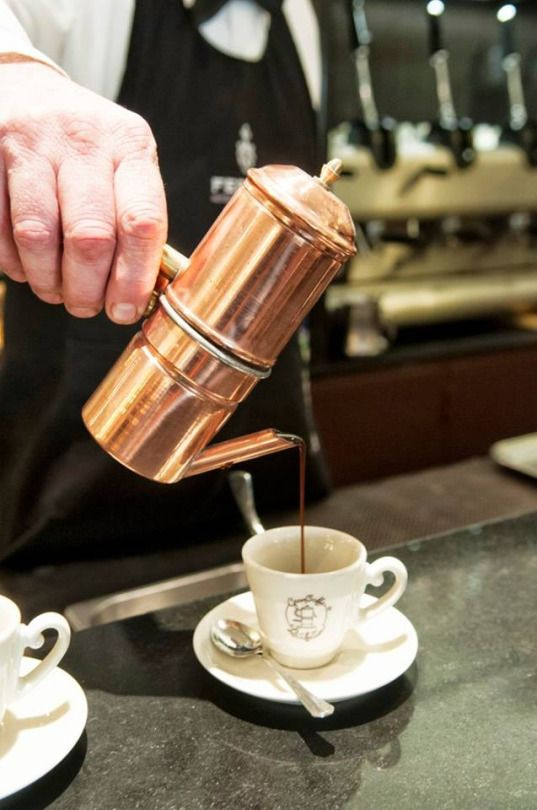
 There is a moment, sometime around 7:00 AM in Naples, when the city begins to wake up. The first sound is not of traffic or scooters. It is the hiss of steam from the espresso machine of a neighbourhood bar, followed by the clink of small ceramic cups being placed on a marble counter. The first smell is not of exhaust but of warm milk and coffee being poured simultaneously, a third-generation barista working with the absent-handed precision of a father tying his child's shoelaces. This is where a day of eating in Naples must begin, not with a knife and fork, not with a plate and a napkin, but with a stovetop espresso and a sfogliatella that has just emerged from the oven. Naples does not merely have food. Naples has a philosophy of food, a street food culture that turns every alley into a dining room and every passerby into a connoisseur. This is the full tour.
Dawn: The Coffee Ritual and Naples' First Awakening
You have not eaten breakfast in Naples until you have done it standing up. The Neapolitan coffee bar is a theatre of efficiency. You walk in, approach the counter, catch the eye of the barista and say, 'Un caffè, per favore.' Do not sit. Sitting is for tourists and the elderly. The barista will place a small ceramic cup under the spout of the espresso machine, pull the lever, and within thirty seconds your coffee will be in front of you. The crema will be thick and hazel. The aroma will be of dark chocolate and toasted hazelnuts. You will drink it in two sips. Then you will eat something sweet.
The sfogliatella is the queen of Neapolitan pastries. The name means 'small thin leaf', and the pastry is exactly that: hundreds of paper-thin layers of dough wrapped around a filling of ricotta, semolina, sugar, candied fruit and a hint of cinnamon. When you bite into a freshly baked sfogliatella, the layers shatter like glass, then dissolve into creaminess on your tongue. The best sfogliatella in Naples is at Attanasio (Vico Ferrovia, 1-4), a bakery near the central station that has been making the pastry for more than a century. Order the 'riccia', the curly version with the crispest layers. It will be the best pastry you have eaten. It will be the best pastry you will ever eat. Do not argue with this statement.
The other morning pastry you must try is the 'babbà', a small mushroom-shaped cake soaked in rum syrup. The babà was invented in Naples in the 18th century, possibly by a Polish pastry chef who adapted a traditional cake to the Neapolitan taste for rum. The result is a pastry that is simultaneously light and intoxicating, the rum soaking through every pore of the cake. Eat it with your hands. It will be messy. It will be worth it. The best babà is at Pasticceria Poppella (Via Santa Brigida, 69), which also invented the 'Fiocco di Neve', a sweet ricotta-filled snowflake of a pastry that is so light you will need three of them.
The Secret of Neapolitan Coffee: The caffè sospeso, or 'suspended coffee', is a uniquely Neapolitan tradition. A customer pays for a coffee but does not drink it, leaving it instead to be claimed by someone who cannot afford one. The tradition dates to the post-war period, when poverty was widespread but generosity was greater. You can still participate. When you order your espresso, ask for 'un caffè sospeso'. The barista will collect the payment and mark it on a slip of paper. Someone later will come in and ask, 'C'è un caffè sospeso?' and they will drink it without paying. It is a small act of grace in a city that knows the value of small graces.
Street Food: The Cuoppo and the Walking Lunch
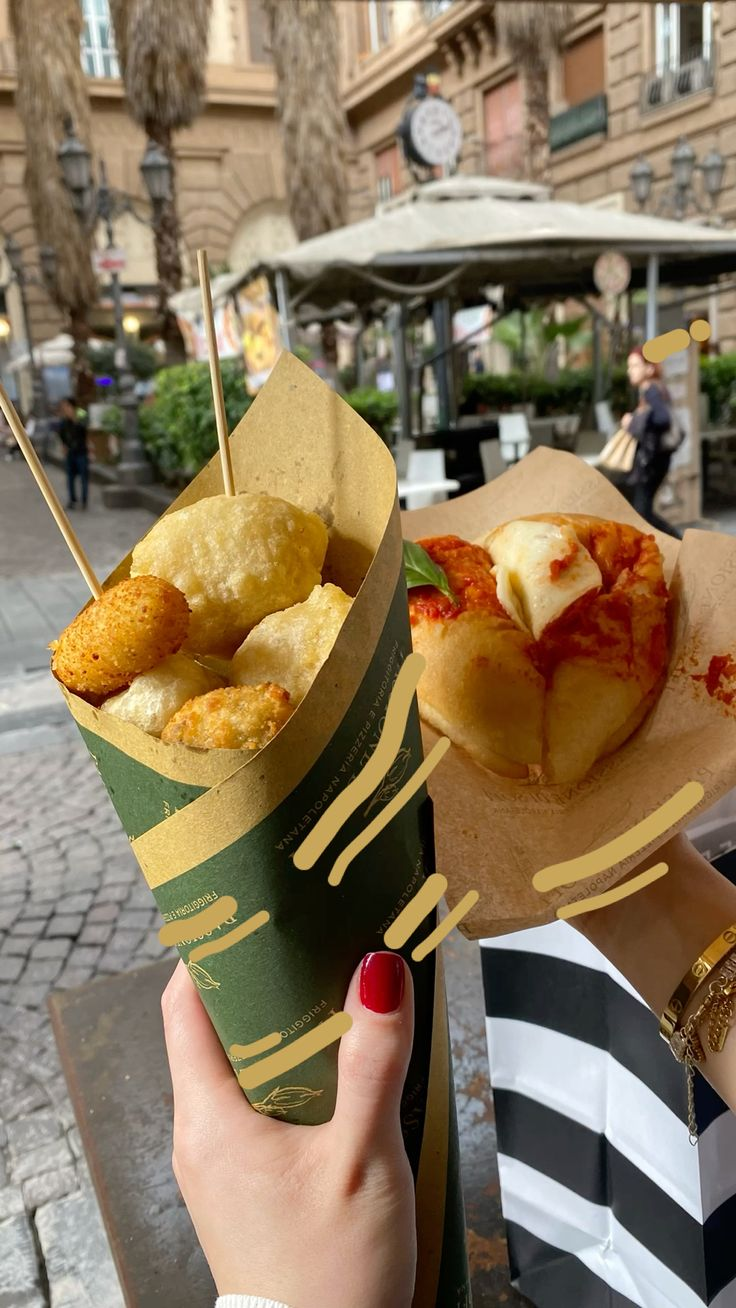
Naples invented the concept of eating on the street. Long before food trucks became fashionable in Portland or London, the Neapolitan 'cuoppo' was the original mobile meal: a paper cone, about the size of two fists, filled with freshly fried seafood and vegetables, sold from a stall or a small window. You order, you pay, you walk. That is the entire ritual.
The cuoppo is not fast food in the American sense. It is not designed to be eaten in a car. It is designed to be eaten while walking along the Spaccanapoli, the ancient street that cuts through the historic centre like a knife wound, while dodging scooters and stepping over puddles and breathing the air of a city that has been breathing the same air for three thousand years. The contents of the cuoppo vary by season and by vendor, but the classic combination includes: 'zeppoline' (tiny fried dough balls, sometimes stuffed with anchovies), 'alici fritte' (fresh anchovies, fried whole until crisp), 'calamari e gamberetti' (squid rings and tiny shrimp), 'melanzane fritte' (fried eggplant slices), 'fiori di zucca' (zucchini blossoms stuffed with mozzarella and fried). The paper cone absorbs some of the oil, but your fingers will still be greasy. You will wipe them on your trousers. This is acceptable. The Neapolitans do it too.
Where to find the best cuoppo? Look for stalls in the Pignasecca market, the old food market that has been operating on the same streets since the 16th century. The vendors at Pignasecca do not have websites or Instagram accounts. They have been selling cuoppo to the same families for generations. You will know the right stall by the queue. If there is a queue of office workers and police officers, you have found the right place.
The Holy Trinity of Neapolitan Pizza
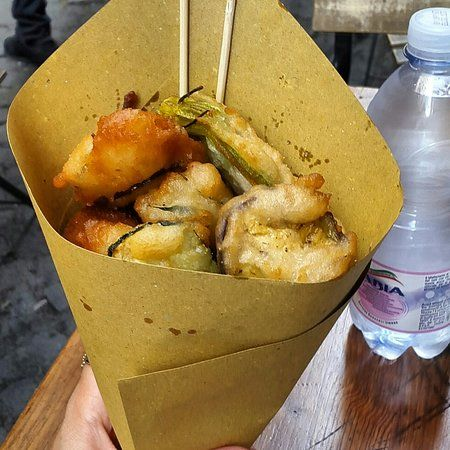
You cannot visit Naples without eating pizza, and you cannot eat just one. The Neapolitans have elevated pizza-making to a form of ritual art, governed by strict rules that are enforced with the seriousness of religious dogma. The dough must be made from soft wheat flour, water, salt and yeast. It must be kneaded by hand and left to rise for at least eight hours. It must be formed by hand, not rolled with a pin. It must be baked in a wood-fired oven at 485 degrees Celsius (905 degrees Fahrenheit) for no more than sixty to ninety seconds. The crust must be puffy, blistered and charred in places.
Pizza Margherita: The classic. Created in 1889 by the pizzaiolo Raffaele Esposito to honour Queen Margherita of Savoy. The toppings are simple: tomato, mozzarella, fresh basil, olive oil. The colours represent the Italian flag: red, white and green. The pizza Margherita is the test of a pizzeria. If they cannot make a perfect Margherita, they cannot make anything. The best Margherita in Naples is at Pizzeria Starita (Via Materdei, 27), which has been open since 1901. The crust is so light and airy that you will finish a whole pizza without noticing that you have eaten anything, and then you will order another.
Pizza Marinara: The oldest pizza, named not for the sea but for the 'marinai', the sailors who ate it on their ships. It has no cheese: only tomato, garlic, oregano and olive oil. The flavours are fierce and direct. The best Marinara in Naples is at Pizzeria Da Michele (Via Cesare Sersale, 1), which is famous worldwide for having only two pizzas on its menu: Margherita and Marinara. They have been making the same two pizzas in the same oven since 1870. The queue can be two hours long. Bring a book. It is worth it.
Pizza Fritta (Fried Pizza): This is the street food pizza, the pizza of the poor, the pizza that was sold from carts before the wood-fired oven became common. The dough is filled with ricotta, salami and basil, folded into a half-moon, and fried in bubbling oil until golden and puffy. The outside is crisp and crackling. The inside is molten and creamy. It is, in its own way, more Neapolitan than the baked pizza. The best fried pizza is at Pizzeria La Masardona (Via Girolamo Santacroce, 31), which serves it as nature intended: wrapped in paper, eaten standing up, oil dripping down your wrist.
The Code to Avoiding Pizza Queues: The famous pizzerias have queues that can kill an afternoon. The solution is to go for lunch at 11:30 AM, half an hour before the official opening time. The queue will be short. Eat an early lunch, then continue your food tour. Dinner queues at the same pizzerias are three times as long. Alternatively, download the Qualco app, which many Neapolitan pizzerias now use for reservations. Book a few days in advance for lunch, a week in advance for dinner.
The Markets: Pignasecca and the Soul of the City
The Pignasecca market is not a tourist attraction. It is a working market, a place where the people of Naples buy their daily bread, their vegetables, their fish, their meat. The vendors shout their prices. The customers shout back. The negotiation is as much a performance as a transaction, and the performance has been running continuously since the 16th century.
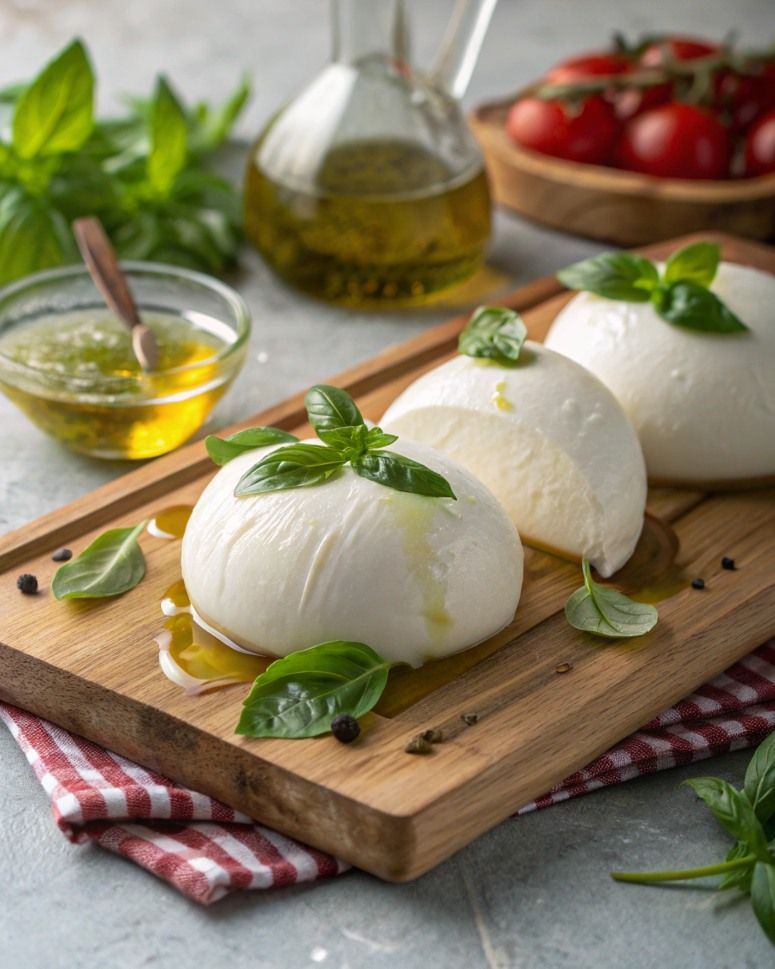
You should walk through the market slowly, not buying yet, just watching. Notice that every part of the animal is sold here, not just the prime cuts. The Neapolitans have a phrase: 'Non si butta via niente' — nothing is thrown away. The tradition of cucina povera, poor cooking, taught generations to use every scrap, and those traditions are still alive in the markets of Naples. You will see stalls selling tripe, lungs, hearts, feet, ears, everything that the modern supermarket throws away. The same stalls also sell the best mozzarella you will ever eat, buffalo mozzarella from the plains of the Sele River, still warm from the water bath, weeping whey, the texture of a cloud and the taste of pure milk. Buy a piece. Eat it with your hands, standing there. You will understand.
The best time to visit Pignasecca is in the morning, between 8:00 AM and noon. By 1:00 PM, the vendors are packing up, the best produce is gone, and the market is winding down. On Saturdays, the market is at its most crowded and its most energetic. On Sundays, it is closed, as is most of Naples.
The Fried Wonders: Pizza a Portafoglio and Sciurilli
Not all street food in Naples is fried, but the best of it is. Two fried wonders deserve special attention.
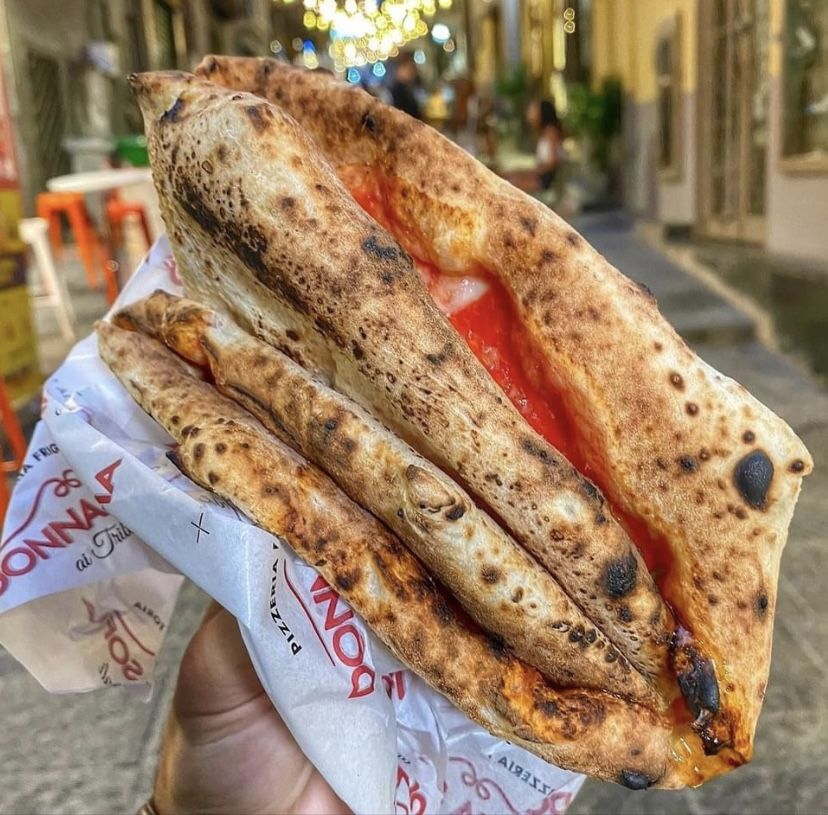
Pizza a Portafoglio (Wallet Pizza): A small, thin pizza, folded into a wallet shape, wrapped in paper, and sold from a street cart. The folding is the key. The pizza is baked briefly, then folded twice, creating a package that is crispy on the outside and soft on the inside. The traditional filling is tomato and mozzarella, but some vendors add salami or mushrooms. You eat it like a sandwich, walking, folding and unfolding as you go. The best pizza a portafoglio is at Vesi Pizzeria on Via Broggia, but the true art of the wallet pizza is found at the anonymous street carts that appear in the late evening in Piazza Dante and Piazza Garibaldi.
Sciurilli: The name means 'little flowers', and the snack is exactly that: tiny courgette (zucchini) flowers, dipped in a light batter and fried until crisp. The flowers are sweet and delicate, the batter is salty and crisp. The combination is extraordinary. Sciurilli are seasonal, appearing in the spring and early summer when the courgette flowers are in bloom. The best sciurilli in Naples are sold from a small window at Via Pignasecca, 99, a stall that has been frying flowers for more than fifty years. You will see the queue. Join it.
The Offal Tradition: O Pere e O Musso
This is the part of the food tour that separates the tourists from the travellers. O Pere e O Musso is a cold sandwich made from boiled pig's feet (o pere, the foot) and parts of the pig's head (o musso, the snout). The meat is cooked for hours until it is tender, then pressed, sliced thin, and served on a soft roll with salt, pepper and a squeeze of lemon.
The sandwich is an acquired taste. The texture is gelatinous and firm simultaneously. The flavour is pork intensified, not hidden beneath spices or sauces. The Neapolitans adore it. The best o pere e o musso is at a stall called A' Figlia d' 'o Marenaro at Via Pignasecca, 50. The vendor has been making the same sandwich from the same recipe for forty years. The queue is composed almost entirely of elderly Neapolitan men who have been eating this sandwich since they were children. If you have the courage to join them, you will earn a kind of respect that no amount of pizza tasting can buy.
Pastries and Sfogliatella: The Sweet Finale
After a day of savoury eating, you will need something sweet. Naples has you covered.
Struffoli: Small balls of dough, fried until golden, then covered in honey and sprinkled with coloured sprinkles. Struffoli are traditionally eaten at Christmas, but they are available year-round at the city's best pastry shops. The honey is warm and floral, the dough is light and slightly chewy. You will not be able to stop eating them.
Rococò: A ring-shaped biscuit made with almonds, vanilla and lemon zest. The name comes from the rococo period, and the biscuit is as ornate and beautiful as the art movement itself. The best rococò are at Pintauro (Via Toledo, 275), a pastry shop that has been operating since 1780. The biscuits come in a box tied with ribbon. They make an excellent gift for the people you love, assuming you do not eat all of them yourself on the flight home.
Gelato: Naples is the birthplace of ice cream as we know it. The 17th-century Neapolitan chef Antonio Latini published the first recipe for 'sorbetta' in 1692, and the city has never looked back. The best gelato in Naples is at Bilancione (Via Colonna, 16), which serves a 'fiordilatte' (flower of milk) so pure and creamy that you will weep. The chocolate flavour is made with dark chocolate from Modica, granulated by hand, and the stracciatella is flecked with shards of real chocolate, not the industrial chips of lesser gelaterie.
The Secret to Neapolitan Gelato: The best gelato in Naples is not in the tourist shops near the Duomo. It is in the neighbourhood gelaterie where the customers speak Neapolitan dialect. Look for gelato that is not piled high in a mountain (that means it is full of air) but sits flat in the tub. Look for colours that are natural, not fluorescent green (pistachio should be beige, not green). Look for a metal tub, not a display freezer. And ask for 'panna' on top: a dollop of whipped cream that the Neapolitans consider essential.
'In Naples, the food is not a distraction from life. It is the life. The street food vendor frying his cuoppo at 2:00 AM, the baker pulling his sfogliatella from the oven at dawn, the pizzaiolo who has been folding dough for forty years and still finds joy in the perfect crust, the old man at the tripe stall who has been serving the same sandwich to the same customers since 1975. These are not merchants. They are priests of an ancient religion. And you are welcome to worship with them.'
Practical Information for Your Food Tour
Getting to Naples: Naples Capodichino Airport (NAP) is served by most European carriers. A private airport transfer to the city centre takes approximately 15 to 20 minutes and is the most comfortable option, especially if you are arriving with luggage. The Alibus shuttle is an economical alternative, taking you to Piazza Garibaldi (central station) or Piazza Municipio (the port).
Getting Around Naples: The historic centre is compact and walkable. The food tour described above covers approximately five kilometres of walking, mostly flat. Wear comfortable shoes. The metro (Line 1 and Line 2) is efficient for longer distances. The buses are reliable but crowded. Avoid driving: the streets of Naples are not designed for the faint of heart, and parking is impossible.
Best Time for a Food Tour: Spring (April, May) and autumn (September, October) are ideal. The weather is mild, the markets are full, and the long days allow for leisurely meals. Avoid August if possible: the heat is oppressive, and many of the best pizzerias and pastry shops close for the summer holidays.
What to Bring: An appetite. Cash (many street food stalls do not accept cards). A reusable water bottle (the water in Naples is safe to drink, and you will need it between courses). Wet wipes or hand sanitiser (you will be eating with your hands). And a willingness to try things you have never heard of. The best meals in Naples are the ones you cannot translate.
Comments
No comments yet. Be the first to share your thoughts!
Leave a Comment
Your comment will appear after moderation.