 Michelle
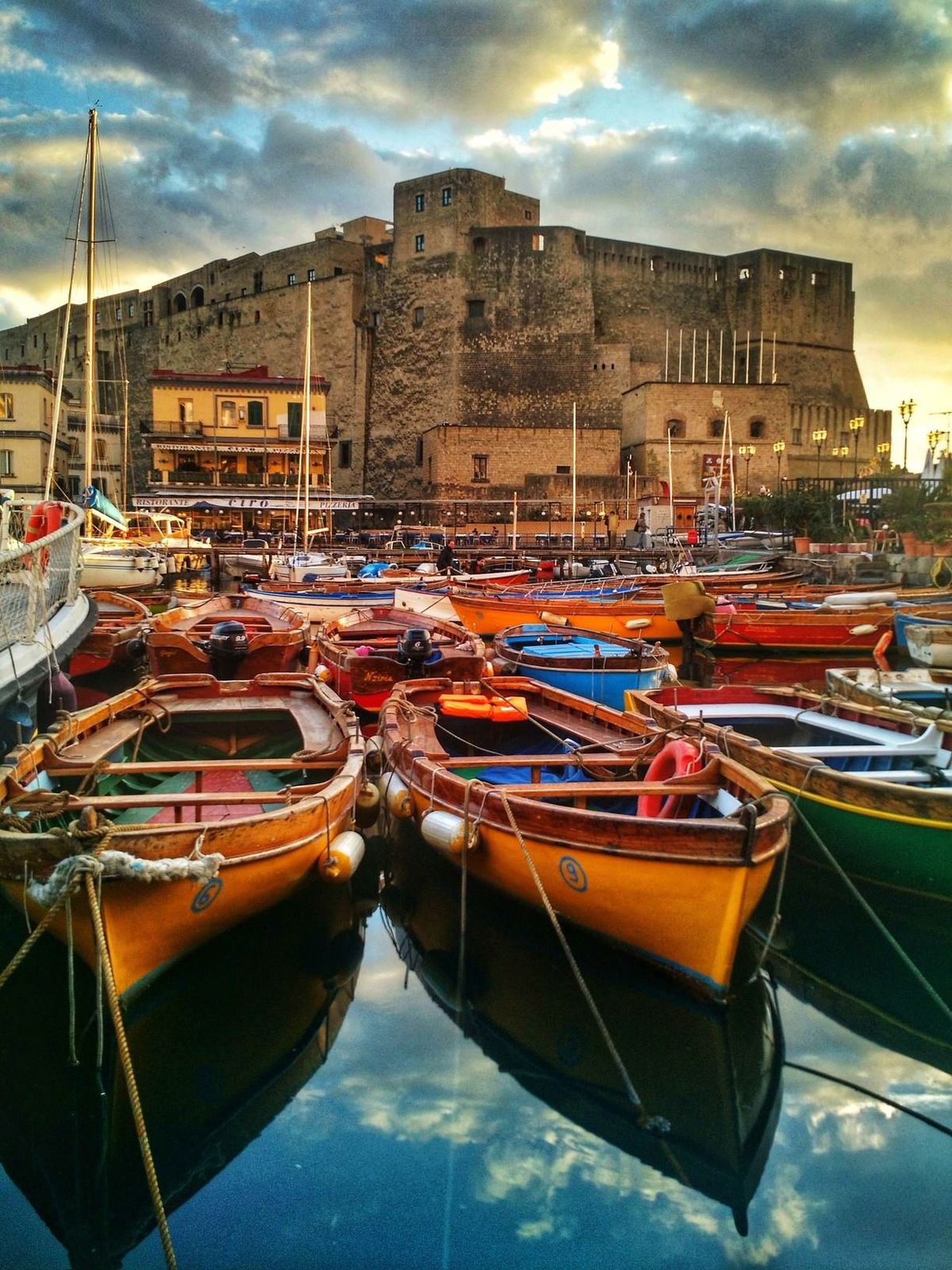
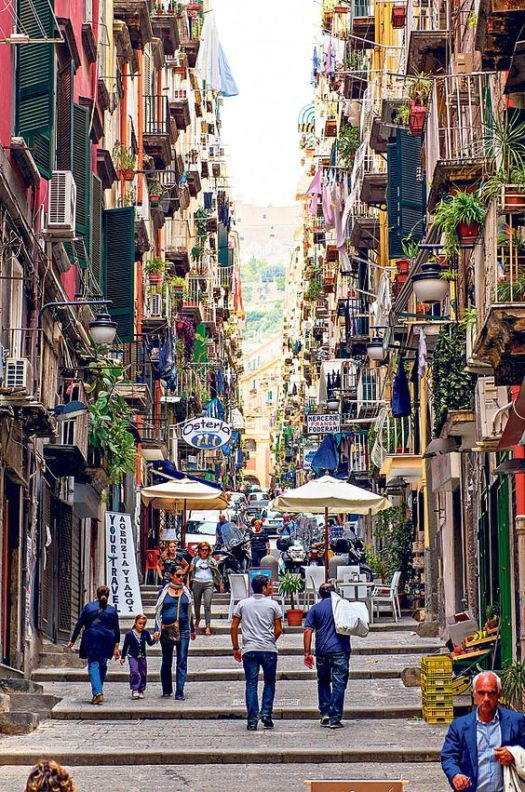
 You have heard the warnings. Naples is chaotic. Naples is noisy. Naples is not for the faint of heart. The warnings are not wrong, but they miss the point entirely. The chaos of Naples is not a defect to be tolerated; it is the city's essential nature, the source of its energy and its magic. The scooters that weave through the narrow streets, the laundry that hangs between the buildings like the rigging of ships, the voices that rise from every window and every piazza, the smell of frying pizza dough that drifts down every alley. This is not a city that has been preserved for tourists. This is a city that lives, that works, that fights, that loves, that cooks, that sings. And if you surrender to it, it will give you experiences that no other city in Italy can match. Here are three places where the surrender begins.
1. Antica Pizzeria Port'Alba: The Birthplace of Pizza
You are standing at the corner of Via Port'Alba and Via della Costituzione, in the heart of Naples' historic centre. The building in front of you does not look like the birthplace of a global culinary phenomenon. It is modest, slightly worn, exactly the kind of place you might walk past without stopping. But stop you must. Antica Pizzeria Port'Alba opened its doors in 1738, and by most historical accounts, it is the first pizzeria in existence.
The pizza that was sold here in the 18th century was not the pizza you know today. It was a simple flatbread, topped with lard, salt and herbs, sold from a hole in the wall to the street vendors and working people of the city. Customers ate standing up, the pizza wrapped in paper to protect their hands from the heat. The modern pizza with tomato sauce and mozzarella did not emerge until the late 19th century, when the pizza Margherita was created for Queen Margherita of Savoy, but the tradition of selling pizza through a hole in the wall persisted for generations. You can still see that hole in the wall at Port'Alba: a small window from which pizza is served directly onto the street, exactly as it was nearly three centuries ago.
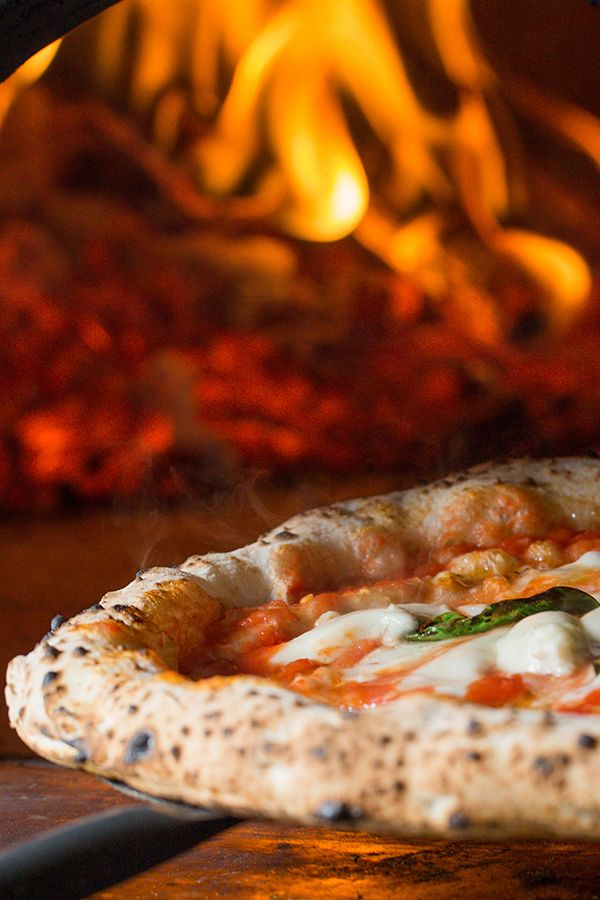
Inside the restaurant, the atmosphere is pure Neapolitan. The walls are covered with photographs of celebrities who have eaten here. The pizza oven is ancient, wood-fired, its interior black with decades of use. The pizzaioli, the pizza makers, work with a speed and a grace that looks like choreography. You should order a Margherita, the classic: San Marzano tomatoes, buffalo mozzarella from the plains of the Sele River, fresh basil, olive oil. The crust will be blistered from the heat of the oven, soft in the centre, crispy at the edges. It will be the best pizza you have tasted, not because it is more sophisticated than the pizza you have eaten elsewhere, but because it is the original, the ancestor of all pizza, served in the place where the pizza began.
Do not make the mistake of ordering pizza with pineapple or chicken or any other modern abomination. The Neapolitan pizzaioli will not refuse to serve it, but they will judge you silently. The classic Margherita is the only pizza that belongs in this place. And if the queue is long, order it from the window and eat it standing in the street, as the original customers did. That is not a compromise. That is authenticity.
Insider Secret: The best pizza in Naples is not at the tourist-famous pizzerias like Sorbillo or Da Michele, though those are excellent. The secret is to follow the office workers. At lunchtime, the Neapolitans who work in the historic centre leave their offices and crowd into the small pizzerias that tourists never find. Any pizzeria that is full of men in suits at 1:00 PM is a pizzeria worth eating at. Port'Alba is famous for a reason, but when you return for a second pizza, look for the queues of locals.
2. Pompeii: The Roman City Frozen in Time
You have seen the photographs of Pompeii since you were a child: the casts of bodies twisted in their final agony, the chariot ruts worn deep into the stone streets, the frescoes that have not faded in two thousand years. But no photograph, no documentary, no history book prepares you for the scale of the place. The archaeological site of Pompeii covers approximately 170 acres. You will walk for kilometres. Your feet will hurt. And you will not want to leave.
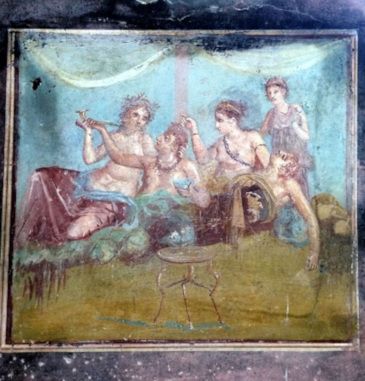
Pompeii was a prosperous Roman city of approximately 12,000 people when Mount Vesuvius erupted in August of 79 AD. The eruption had been preceded by days of earthquakes, which the Pompeiians interpreted as the angry stirrings of the gods. But the eruption itself was catastrophic: a column of ash and pumice that rose twenty kilometres into the atmosphere, collapsing in a series of pyroclastic surges that buried the city under several metres of volcanic material. The city was preserved exactly as it had been at the moment of destruction: the loaves of bread still in the oven, the wine still in the amphorae, the frescoes still bright on the walls of the houses, the bodies of those who could not escape frozen in their last positions.
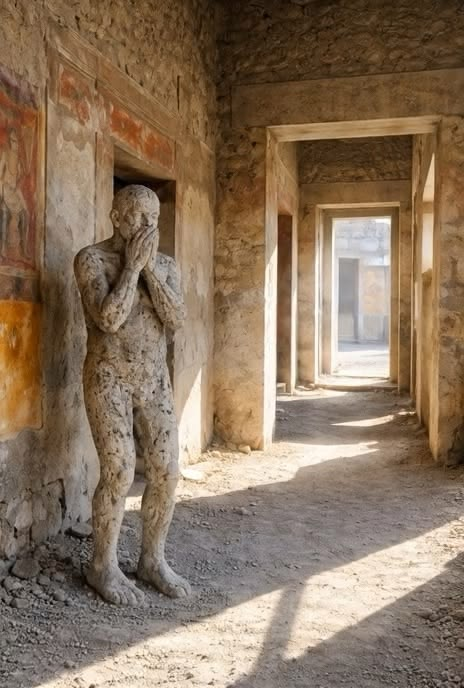
The experience of walking through Pompeii is unlike any other archaeological experience in the world. The ancient street plan is entirely intact. You walk on the same stones that the Pompeiians walked on. You enter houses and see the remains of the furniture, the kitchen utensils, the children's toys. The Forum, the theatre, the amphitheatre, the baths, the brothel, the market, the bakeries, the temples: all of them are still standing, or enough of them is standing for you to understand how the city worked. The most moving part of the visit is the display of the plaster casts: modern archaeologists poured plaster into the cavities left by the decomposed bodies in the volcanic ash, producing perfect reproductions of the men, women and children who died here. A family huddled together. A slave still wearing his chains. A dog curled up in a doorway. You should take a moment of silence. These were real people, and their city was destroyed in a single afternoon.
The Code to Surviving Pompeii: The sun in Pompeii is relentless. There is almost no shade. Bring a hat, sunscreen, and at least two litres of water per person. The site has only two drinking fountains, and they are often crowded. Do not attempt to see the entire site in one visit unless you are an athlete. Choose the highlights: the Forum, the amphitheatre, the House of the Vettii (with its extraordinary frescoes), the Lupanar (the brothel), and the Villa of the Mysteries (outside the main gate). And whatever you do, do not visit in August. The heat is dangerous, and the crowds are unbearable. April, May, September and October are the months for Pompeii.
3. Teatro San Carlo: Europe's Oldest Opera House
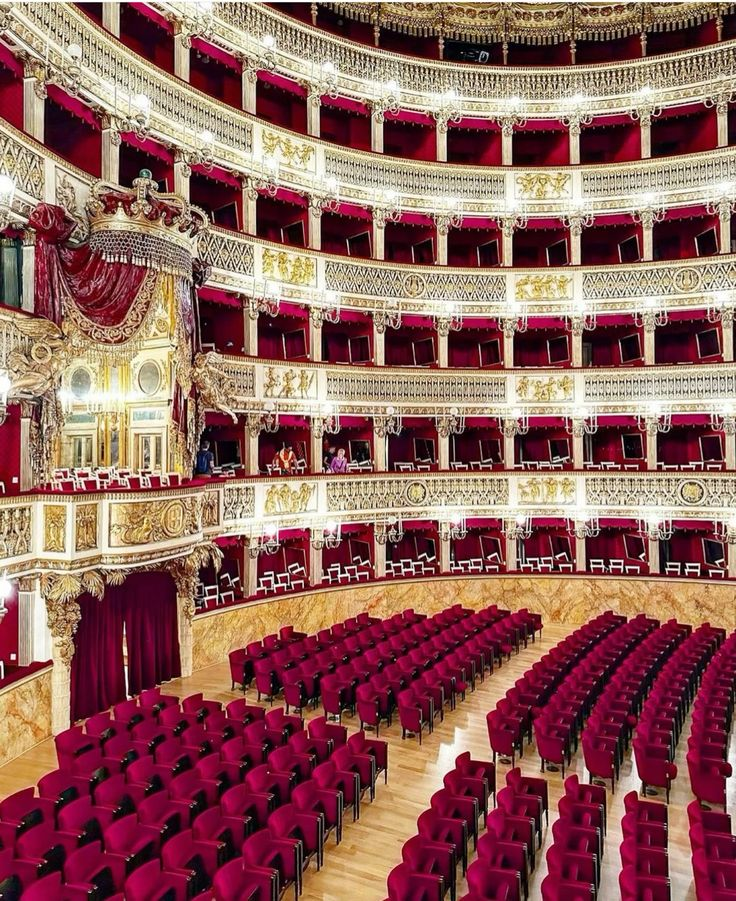
Most visitors to Naples never set foot inside the Teatro San Carlo. They walk past it on their way to the Royal Palace or the Piazza del Plebiscito, glance at the neoclassical facade, and continue on. This is a profound error. The interior of the San Carlo is one of the most spectacular theatrical spaces in the world, and it is the oldest continuously active opera house in Europe, predating La Scala in Milan by forty years and La Fenice in Venice by fifty-five years. The composer Gioachino Rossini once said that the San Carlo 'has preserved more perfectly than any other theatre in Italy the original secret of its acoustic perfection.'
The theatre was commissioned by King Charles of Bourbon, who also built the Royal Palace of Caserta, and it opened on November 4, 1737, with a performance of Domenico Sarro's opera 'Achille in Sciro'. The interior was designed in the shape of a horseshoe, with six tiers of boxes rising to a spectacular ceiling fresco painted by Giuseppe Cammarano. The original colour scheme was blue and gold, the colours of the Bourbon monarchy. After the fire of 1816, which destroyed the theatre almost completely, the rebuilt interior was redesigned in the red and gold that you see today. But the blue and gold has been restored in the royal box, which remains the most lavish box in the house, reserved for the President of the Republic and the Mayor of Naples.
You do not need to understand opera to appreciate the San Carlo. The guided tour takes you through the foyer, into the auditorium and onto the stage. You will stand at the centre of a space that has hosted the greatest voices in the history of music: Enrico Caruso, Maria Callas, Luciano Pavarotti, Placido Domingo. You will look up at the fresco of Apollo presenting poetry to the world. You will understand why the San Carlo was described by the composer Stendhal as 'the greatest theatre in Europe for the beauty of its music, the excellence of its orchestra and the splendour of its productions.' If you can attend a performance, do so. The cheapest seats are in the gallery, the 'loggione', and the fans who sit there are among the most knowledgeable and passionate in the world. They have been known to boo a mediocre tenor and to shower a great soprano with rose petals. To sit among them is to understand that in Naples, opera is not entertainment. It is a form of public devotion.
How to Get Tickets for the San Carlo: Tickets for performances go on sale approximately two months in advance and sell out quickly. Book online through the official Teatro San Carlo website. If performances are sold out or beyond your budget, the guided tour is an excellent alternative and does not require advance booking except during peak tourist season. The tour includes the auditorium, the boxes, the royal box and the backstage area, and it takes approximately 45 minutes.
Where to Eat and Drink in Naples Beyond the Pizzeria
You will eat pizza more than once in Naples, and you should. But the city has a rich culinary tradition beyond the Margherita. The cuisine of Naples is the cuisine of the poor made royal: simple ingredients raised to extraordinary heights by technique and tradition.
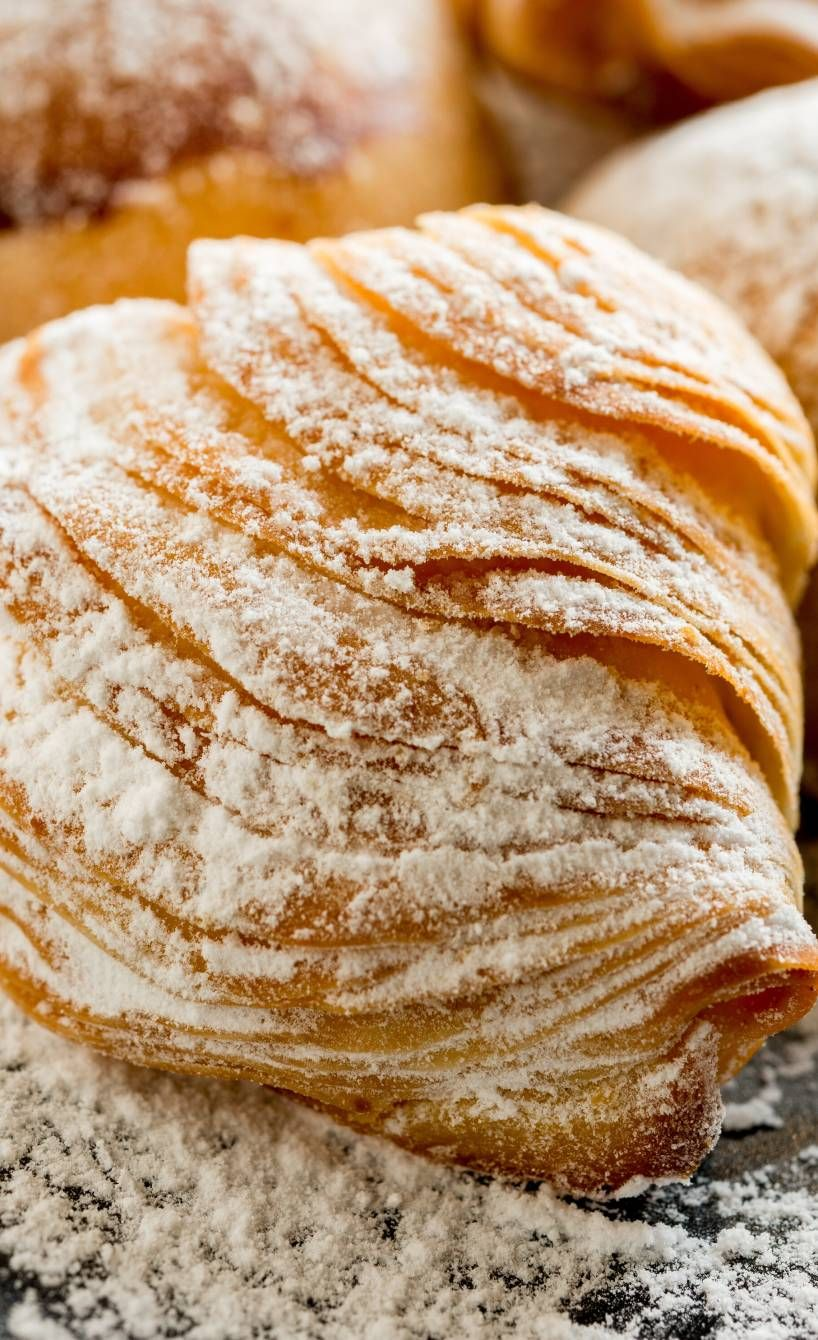
Sfogliatella: A shell-shaped pastry filled with ricotta, semolina, sugar and candied fruit. The best sfogliatella in Naples is at Attanasio (Vico Ferrovia, 1-4), a bakery near the central station that has been making the pastry for more than a century. There are two versions: the 'riccia' (curly, crispy and layered) and the 'frolla' (smooth and softer). Try both.
Ragù Napoletano: Not the quick ragù of the north. This is a slow-cooked meat sauce that simmers for six to eight hours, flavoured with pork ribs, sausage, beef and tomato. The pasta that accompanies it is traditionally 'ziti', a long hollow pasta broken by hand. Where to eat it: Trattoria da Nennella (Vico Lungo Teatro Nuovo, 103) in the Spanish Quarters, a neighbourhood that was once dangerous and is now one of the most vibrant and authentic in the city.
Rum Babà: A small mushroom-shaped cake soaked in rum syrup, invented in Naples in the 18th century and still beloved. The best babà are at Pasticceria Poppella (Via Santa Brigida, 69), which also invented the 'Fiocco di Neve', a sweet ricotta-filled pastry that is worth travelling for.
Caffè: Coffee in Naples is a religion. The espresso is strong, dark and served in a small cup that has been heated before the coffee is poured. The tradition of the 'caffè sospeso' (suspended coffee) is uniquely Neapolitan: a customer pays for two coffees but drinks only one, leaving the second to be claimed by someone who cannot afford it. It is a small act of generosity that captures something essential about the city.
'Naples is not just a city of pizza and mandolin. It is a city of the impossible made possible. The San Carlo burns to the ground and rises again more beautiful than before. Vesuvius buries Pompeii, and two thousand years later it gives us a window into the Roman world. The Neapolitans have been surviving catastrophes for three millennia. They have learned to celebrate while the volcano smokes.'
Common Tourist Mistakes and How to Avoid Them
Mistake 1: Renting a car in Naples. Do not do this unless you are an expert driver and have nerves of steel. The traffic in Naples is legendary for a reason. The narrow streets, the scooters emerging from alleys, the apparent absence of traffic rules. The best way to get around Naples is on foot, by metro, or by private transfer. If you need to reach Pompeii or the Amalfi Coast, take the train or a guided tour.
Mistake 2: Visiting Pompeii without a plan. The site is enormous, and the sun is brutal. Do not wander aimlessly. Buy a map at the entrance, or download a map to your phone, and decide in advance which buildings you most want to see. The Forum, the amphitheatre, the House of the Vettii, the Lupanar, the Villa of the Mysteries. Focus on three or four highlights rather than trying to see everything.
Mistake 3: Believing the warnings about crime. Naples has a reputation for pickpocketing and petty crime. The reputation is not entirely undeserved, but it is exaggerated. Take the same precautions you would take in any major European city: keep your wallet in a front pocket, keep your bag zipped and in front of you, avoid empty streets after dark, and trust your instincts. The people of Naples are among the warmest and most welcoming in Italy.
Mistake 4: Eating only pizza. Pizza is magnificent, but Naples has a rich culinary tradition that extends far beyond the Margherita. Try the seafood, the pastries, the coffee, the street food (cuoppo: fried seafood eaten from a paper cone). Your stomach will thank you for the variety.

Practical Information for Your Visit
Getting to Naples: Naples International Airport (Capodichino, NAP) is served by most European airlines and several intercontinental carriers. The airport is approximately 7 kilometres north of the city centre. The Alibus shuttle connects the airport to the central station (Piazza Garibaldi) and the port (Piazza Municipio) in about 20 minutes. A private airport transfer is the most comfortable option, especially if you have luggage or are travelling with family.
Getting to Pompeii: The Circumvesuviana train from Naples (Napoli Centrale or Napoli Porta Nolana) to Pompei Scavi Villa dei Misteri station takes approximately 35 to 40 minutes. The archaeological site is a short walk from the station. A private transfer or guided tour is more comfortable and can include a driver who waits while you explore.
Getting to the Teatro San Carlo: The opera house is on Piazza del Plebiscito, in the heart of the historic centre. The nearest metro station is Municipio (Line 1). The theatre is a 10-minute walk from the central station, or you can take a taxi.
Suggested Itinerary for a Perfect Neapolitan Day: Start your morning with a sfogliatella and an espresso at a local bar, then visit the Teatro San Carlo for the guided tour. Walk through the Piazza del Plebiscito and the Royal Palace. Have lunch at Antica Pizzeria Port'Alba or one of the local pizzerias in the historic centre. In the afternoon, take the Circumvesuviana train to Pompeii and spend four hours exploring the ruins. Return to Naples for dinner at a trattoria in the Spanish Quarters, and end the evening with a rum babà and a glass of Lacryma Christi wine. If you have a second day, take the train to Sorrento or the Amalfi Coast.

Comments
No comments yet. Be the first to share your thoughts!
Leave a Comment
Your comment will appear after moderation.