 Michelle
 Imagine standing before a creature that is not supposed to exist. It has the powerful body of a bull, the soaring wings of an eagle, and the face of a wise, bearded man. Above its eyebrows, a horned cap marks it as divine. It stands ten feet tall, carved from a single block of alabaster, and it has been watching over the same spot for twenty-seven centuries. This is a shedu, also known as a lamassu. The ancient Assyrians believed that these colossal guardian spirits protected their cities from evil, their palaces from enemies, and their kings from the wrath of the gods. In the spring of 2015, Islamic State militants took sledgehammers and jackhammers to the shedu of Nimrud and Mosul. They filmed the destruction and posted it online for the world to see. But in Moscow, a museum refused to let the guardians die. This is the story of the #savetheshedu campaign, and why it still matters today.
The Destruction of Nimrud: What Was Lost in 2015
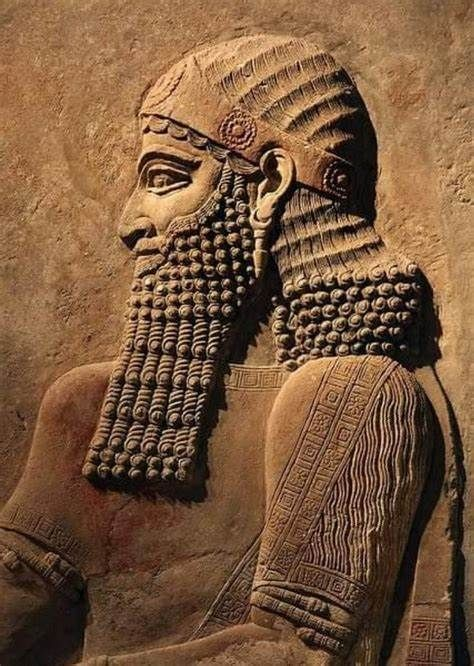
The ancient city of Nimrud, known in the Bible as Calah, was once the capital of the Assyrian Empire. It was founded in the 13th century BC and reached its height under King Ashurnasirpal II in the 9th century BC. The palaces of Nimrud were decorated with some of the finest reliefs ever carved in the ancient world: hunting scenes, battle scenes, and the ubiquitous figures of winged genies and protective deities. In the spring of 2015, ISIS militants seized control of the site. They brought bulldozers, sledgehammers, and explosives. They smashed the colossal shedu that had guarded the entrance to the palace of Ashurnasirpal II. They destroyed the famous reliefs of the lion hunts. They reduced the ziggurat, a step pyramid that had stood for three thousand years, to a pile of rubble. The destruction was filmed and broadcast as propaganda.
Rauf Munchayev, the head of the Archaeology Institute of the Russian Academy of Sciences, had led excavations in Iraq from 1969 to 1980 and again from 1984 to 1985. He had walked through the gates guarded by those shedu. He had run his hands over those reliefs. When he saw the videos, he wept. 'This is not a loss only for Iraq,' he told reporters. 'This is a loss for all humanity. These monuments were the witnesses to the birth of civilisation.'
The destruction of Nimrud was not an isolated event. In February 2015, ISIS released footage of militants destroying artifacts in the Mosul Museum with sledgehammers and drills. In March, they bulldozed the ancient Assyrian city of Nimrud. In April, they razed the Parthian city of Hatra. In August, they blew up the monastery of Mar Elian near Palmyra. And in September, they destroyed the Temple of Bel in Palmyra, one of the best-preserved Roman-era temples in the world. The systematic destruction of cultural heritage was not a byproduct of war. It was a deliberate strategy: to erase history, to break the connection between the present and the past, and to assert a totalitarian vision of the future.
A Parallel Tragedy: Rauf Munchayev drew a direct comparison to the destruction of the Bamiyan Buddhas in Afghanistan in 2001. Those two colossal statues, carved into a cliff face in the 6th century AD, were the largest standing Buddha figures in the world. The Taliban considered them false idols and dynamited them. The world condemned the act, but the Buddhas were never rebuilt. 'This was not a long time ago,' Munchayev said, 'but we seem to be forgetting already. We need to remember these important artifacts so they are not completely lost to us.'
The Shedu: Mythological Guardians of Ancient Mesopotamia
The shedu, or lamassu, is one of the most iconic figures in Mesopotamian art. The name comes from the Sumerian word 'lamma', which referred to a protective female deity. The Assyrians adapted the figure, giving it the body of a bull or a lion, the wings of an eagle, and the head of a human king. The bull body represented strength and fertility. The wings represented speed and divine power. The human head represented intelligence and wisdom. Together, these elements created a creature that was more than the sum of its parts: a guardian so powerful that no evil could pass it.
Shedu were typically carved in pairs and placed at the entrances of cities and palaces. The most famous examples stood at the gates of the palace of King Sargon II at Khorsabad, built between 717 and 707 BC. They were enormous, often ten to fifteen feet tall, and they were carved with five legs. Why five legs? Because the sculptor intended the creature to be seen from both the front and the side. From the front, standing still, the shedu appears to have two legs. From the side, in motion, it appears to have four. The fifth leg is a clever illusion, a trick of perspective that makes the guardian seem both stationary and striding, both watching and moving toward the intruder.
In Mesopotamian belief, the shedu were not merely decorative. They were living beings, or at least they became living beings through ritual. The 'ritual of the mouth' involved priests opening the statue's mouth and washing it with water from the Tigris and Euphrates rivers. Incense was burned. Prayers were recited. The stone figure was believed to come alive, to breathe, to watch, and to protect. This is not superstition, or not only superstition. It is a profound understanding that objects can carry meaning, that stone can hold memory, and that a statue, properly venerated, can become a guardian in the minds of those who see it.
The Pushkin Museum's Response: #savetheshedu
As the images of destruction spread across the world, most people watched in horror and then turned away. The staff of the Pushkin State Museum of Fine Arts in Moscow did something different. They decided to fight back with the only weapon they had: attention. They launched a social media campaign under the hashtag #savetheshedu.
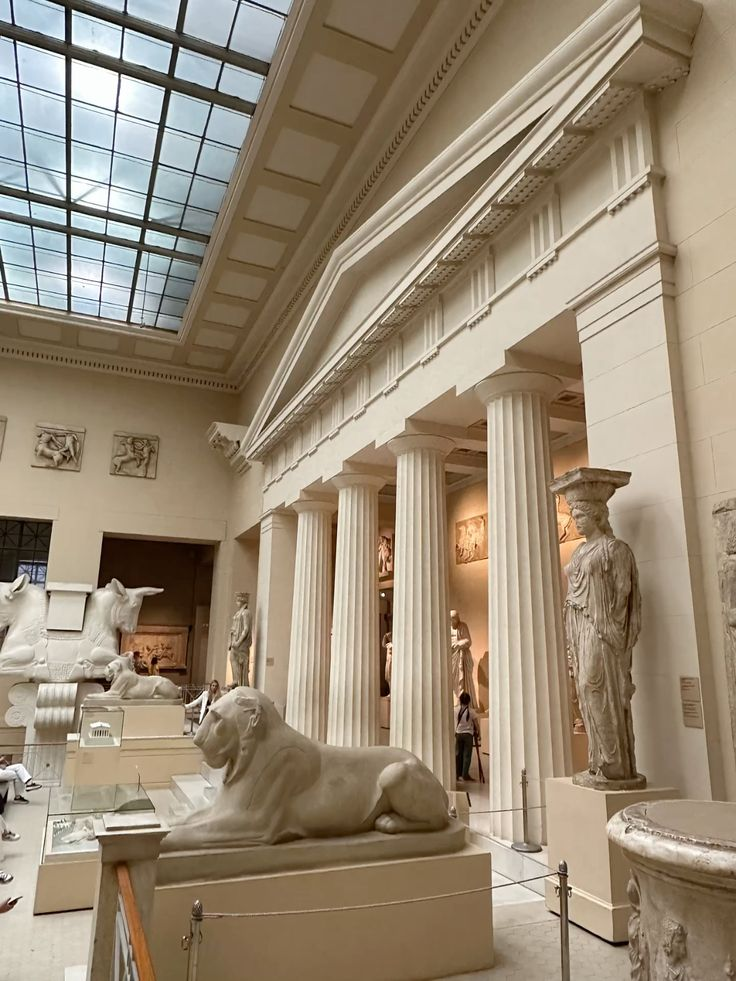
The Pushkin Museum holds a remarkable collection of Mesopotamian art. Most of it is not original; the originals of the massive shedu are housed in the Louvre Museum in Paris and the British Museum in London. But the Pushkin has exquisite plaster casts of the shedu from Khorsabad, casts that were made in the 19th century when the originals were still intact. The museum also holds original Assyrian reliefs from the palace of Nimrud, including a stunning alabaster panel showing a winged genius pollinating the sacred tree, a fertility symbol that dates to the 9th century BC.
The campaign was simple and brilliant. The museum invited visitors to take photographs of their shedu and share them on social media with the hashtag #savetheshedu. The act of photographing a plaster cast and posting it online was, on one level, trivial. But on another level, it was an act of defiance. Each photograph said: 'These guardians still exist. They have not been erased. Their memory lives on.' The campaign went viral, at least within the world of museum lovers and archaeology enthusiasts. People from all over the world began sharing their own photographs of shedu from other museums, from the British Museum, from the Louvre, from the Oriental Institute in Chicago, from the Metropolitan Museum of Art in New York. The hashtag became a global archive of images of a creature that ISIS had tried to destroy.
Anastasia Yainovskaya's Words: The head of the Department of the Ancient East at the Pushkin Museum, Anastasia Yainovskaya, explained the urgency of the campaign in words that still resonate: 'If we do not respect our common history, then we have no hope.' She was not speaking metaphorically. She was speaking about the deep connection between remembering the past and building a humane future. Museums, she said, are not tombs for dead objects. They are places where the past continues to speak to the present. When we destroy a statue, we do not only destroy stone. We destroy the conversation.
Rauf Munchayev and the Russian Archaeological Expeditions
Rauf Munchayev is a legend in Russian archaeology. Born in 1926, he devoted his life to the study of the ancient Near East. Between 1969 and 1985, he led Soviet excavations in northern Iraq, at sites that included the ancient city of Tell Shemshara. His team discovered a level of habitation dating to 7000 BC, a period previously unknown to archaeology. They found clay ovens from the 5th century BC, pottery, tools, and the remains of ancient structures. Five of the artifacts discovered during those expeditions are now displayed in the Hermitage State Museum in St Petersburg, a testament to the long history of Russian interest in Mesopotamia.
When Munchayev saw the videos from Nimrud, he was not just an archaeologist mourning the loss of data. He was an old man mourning the loss of old friends. He had walked through the gates of Ashurnasirpal's palace. He had looked into the faces of the shedu. He had touched the reliefs with his own hands. 'This wasn't a long time ago,' he said, 'but we seem to be forgetting already.' His voice cracked as he spoke. 'We need to remember these important artifacts so they are not completely lost to us.' At the age of eighty-nine, he became an unlikely spokesman for the cause of cultural heritage. He gave interviews. He wrote articles. He pleaded with the international community to do more. He is gone now, but his words remain.
The Role of UNESCO: Cultural Heritage as a War Crime
In the aftermath of the 2015 destruction, the Director General of UNESCO, Irina Bokova, issued a statement that was widely quoted. 'We cannot remain silent about these destructive acts,' she said. 'The deliberate destruction of cultural heritage is a war crime.' These were not empty words. Under the 1954 Hague Convention for the Protection of Cultural Property in the Event of Armed Conflict, and its 1999 Second Protocol, the intentional destruction of cultural heritage can be prosecuted as a war crime. The International Criminal Court has jurisdiction over such acts. In 2016, the ICC prosecutor opened an investigation into the destruction of cultural heritage in Mali, where Islamist militants had destroyed the mausoleums of Timbuktu. In 2021, the court convicted Ahmad al-Faqi al-Mahdi of war crimes for leading the destruction of those mausoleums. It was the first time an international court had convicted someone for the destruction of cultural heritage alone.
The prosecution of al-Mahdi was a landmark. But the destruction in Iraq and Syria has not yet been addressed at the international level, in part because of the difficulty of gathering evidence from active war zones. The shedu of Nimrud are gone. The Temple of Bel is rubble. The monasteries of Mosul are empty shells. But the campaign to bring the perpetrators to justice continues. And the campaign to remember what was lost continues. #savetheshedu was not a solution. It was a gesture. But gestures can be powerful. They remind us that we are not powerless. We can photograph. We can share. We can remember.
Why Mesopotamia Matters: When asked why the world should care about the destruction of Mesopotamian artifacts, Rauf Munchayev gave a simple answer: 'This territory was the location of the earliest forms of human civilisation, including the first cities, written language, government, and state education.' The invention of writing in Sumer around 3400 BC. The Code of Hammurabi, the first written legal code. The Epic of Gilgamesh, the oldest surviving work of literature. The destruction of Mesopotamian heritage is not an attack on stone. It is an attack on the very idea of civilisation itself.
Visiting the Pushkin Museum Today
If you are in Moscow, the Pushkin State Museum of Fine Arts is an essential visit. It is not as famous as the Tretyakov Gallery, which holds the world's finest collection of Russian icons. It is not as overwhelming as the Hermitage in St Petersburg. But it is one of the most beautifully curated museums in Russia, and its collection of ancient art is extraordinary.
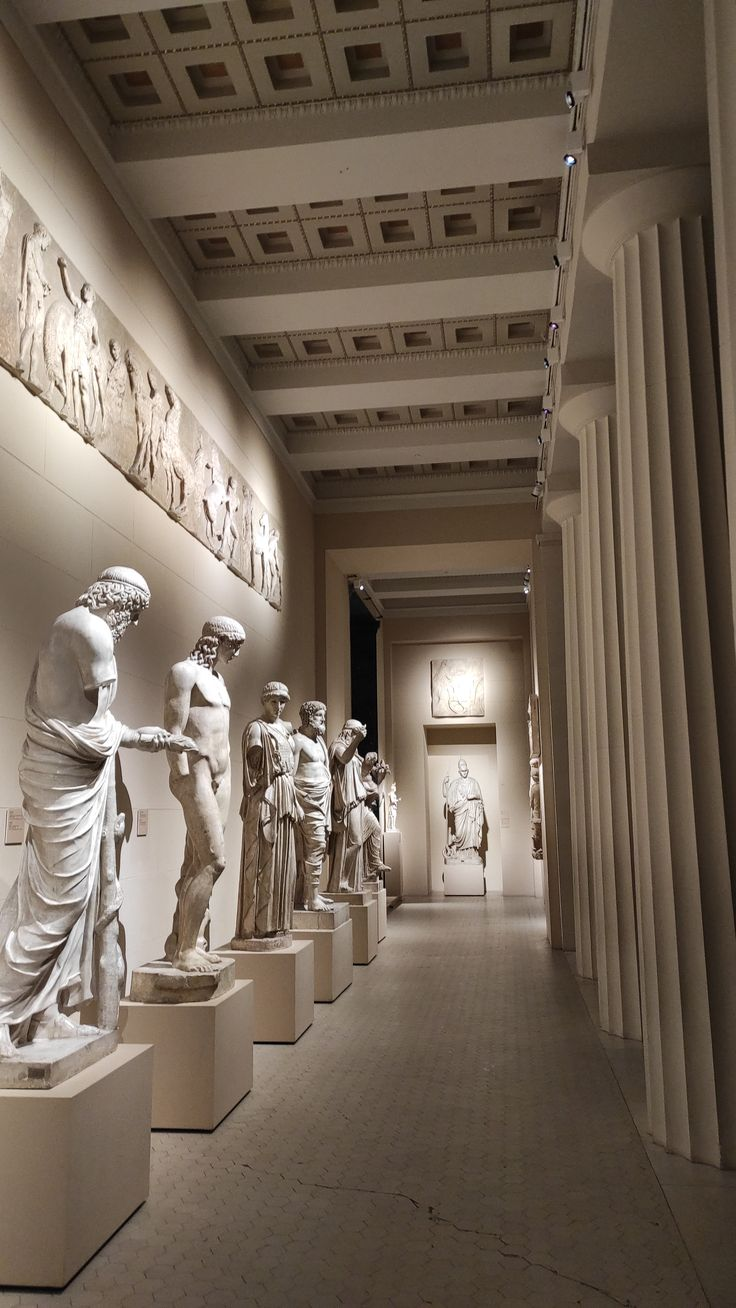
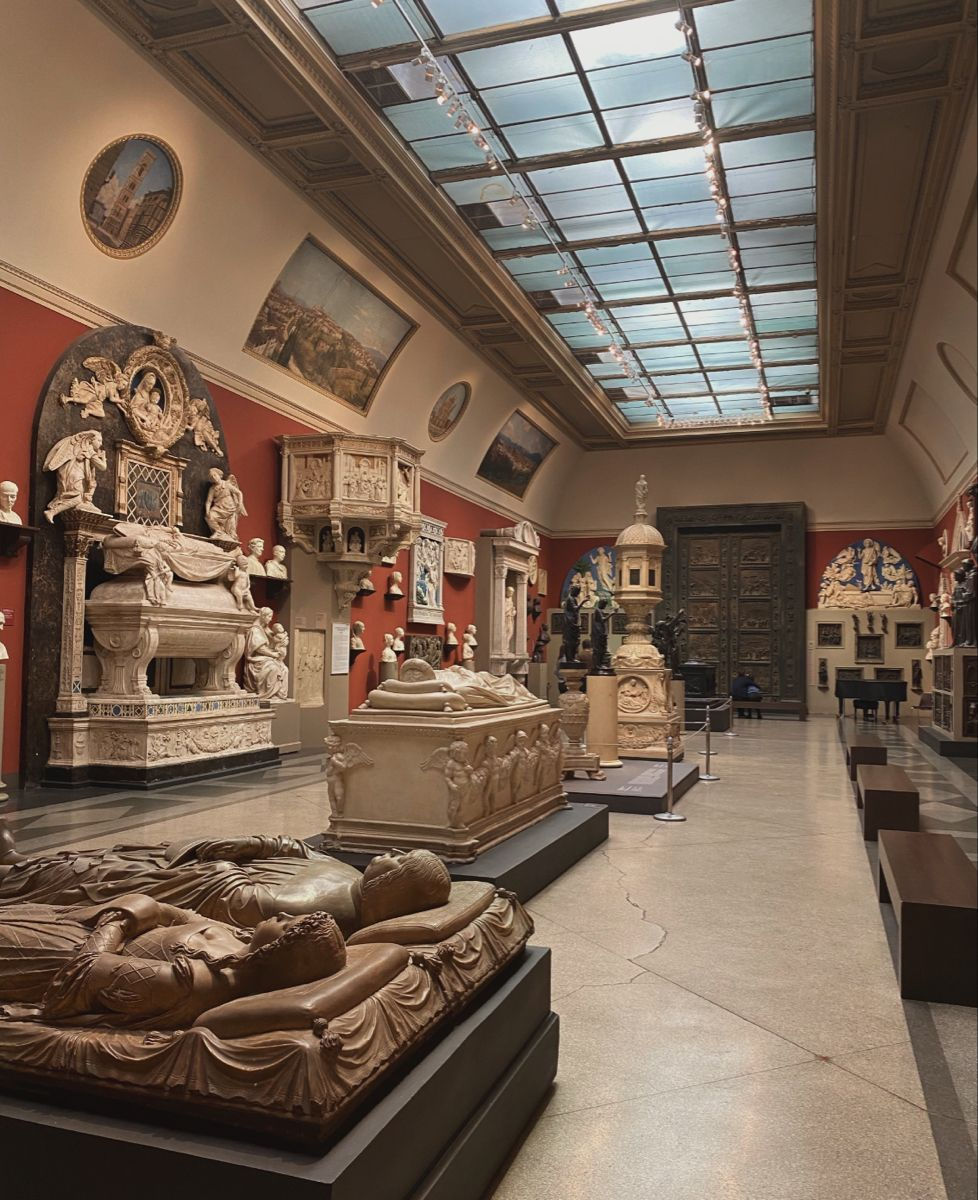
The museum's full name is a clue to its origins. It was founded in 1898 by Ivan Tsvetaev, the father of the poet Marina Tsvetaeva, as a museum of plaster casts. Tsvetaev believed that Russian students and artists should have access to the great sculptures of the past, even if the originals were in Paris, London or Rome. He commissioned exact plaster casts of masterpieces from the ancient world: the Parthenon sculptures, the Venus de Milo, the Laocoön, and the shedu of Khorsabad. The plaster casts are not fakes; they are historical documents in their own right, moulded from the originals before the originals were damaged or destroyed. The museum also has a magnificent collection of original art: ancient Egyptian artifacts, Greek and Roman vases, and the Assyrian reliefs from Nimrud.
To stand before the museum's shedu today is to understand the power of the #savetheshedu campaign. The plaster cast is not the original that ISIS destroyed. But it is faithful to that original. It carries the same proportions, the same fierce serenity, the same impossible combination of human intelligence and animal strength. When you photograph it and share the image, you are doing what the museum asked visitors to do a decade ago. You are keeping the memory alive. You are saying, with a small gesture, that the guardians still watch.
'The intentional destruction of cultural heritage is a war crime. It is not a byproduct of war. It is a strategy of war. And it is a crime against all of humanity, because when we erase the past, we steal the future from those who are not yet born.' — Irina Bokova, UNESCO Director General (2015)
Practical Information for Your Visit to Moscow
If this story has moved you to visit the Pushkin Museum and pay your respects to the shedu, you will need to know how to get there. The museum is located at Ulitsa Volkhonka, 12, a short walk from the Cathedral of Christ the Saviour and the Patriarch's Bridge. The nearest metro station is Kropotkinskaya on the red line (Sokolnicheskaya). From the station, it is a three-minute walk.
Moscow has three main international airports: Sheremetyevo (SVO), Domodedovo (DME) and Vnukovo (VKO). The most convenient way to reach the city centre is by Aeroexpress train, which departs every 30 minutes and takes approximately 35-50 minutes depending on the airport. From the train station, you will need to transfer to the metro. If you have luggage or are travelling with family, a private airport transfer is the most comfortable option, taking you directly from arrivals to your hotel or directly to the museum.
The best time to visit the Pushkin Museum is weekday mornings, when the crowds are smaller. The museum is closed on Mondays. Allow at least two to three hours to see the ancient collection properly, and consider purchasing a ticket to the main building and the private collection annex, which houses the Impressionist masterpieces.


Comments
No comments yet. Be the first to share your thoughts!
Leave a Comment
Your comment will appear after moderation.