 Michelle
 There is a version of Milan that you already know. It is the Milan of Giorgio Armani and Prada, of glass skyscrapers and the frantic rush of the stock exchange. It is the Milan of the Galleria, where tourists crane their necks at the mosaic vaults while pickpockets work the crowds. But there is another Milan, and it is the one that will break your heart in the best possible way. It is the Milan of a bone chapel hidden behind an unmarked door. It is the Milan of a 4 AM bakery where the scent of fresh panettone fills the cobblestone alley. It is the Milan of a medieval canal where, if you know where to look, you can still see the marks left by Leonardo da Vinci's lock system. This guide is for the traveller who wants to find that Milan. Let us begin.
1. The Duomo: Beyond the Postcard
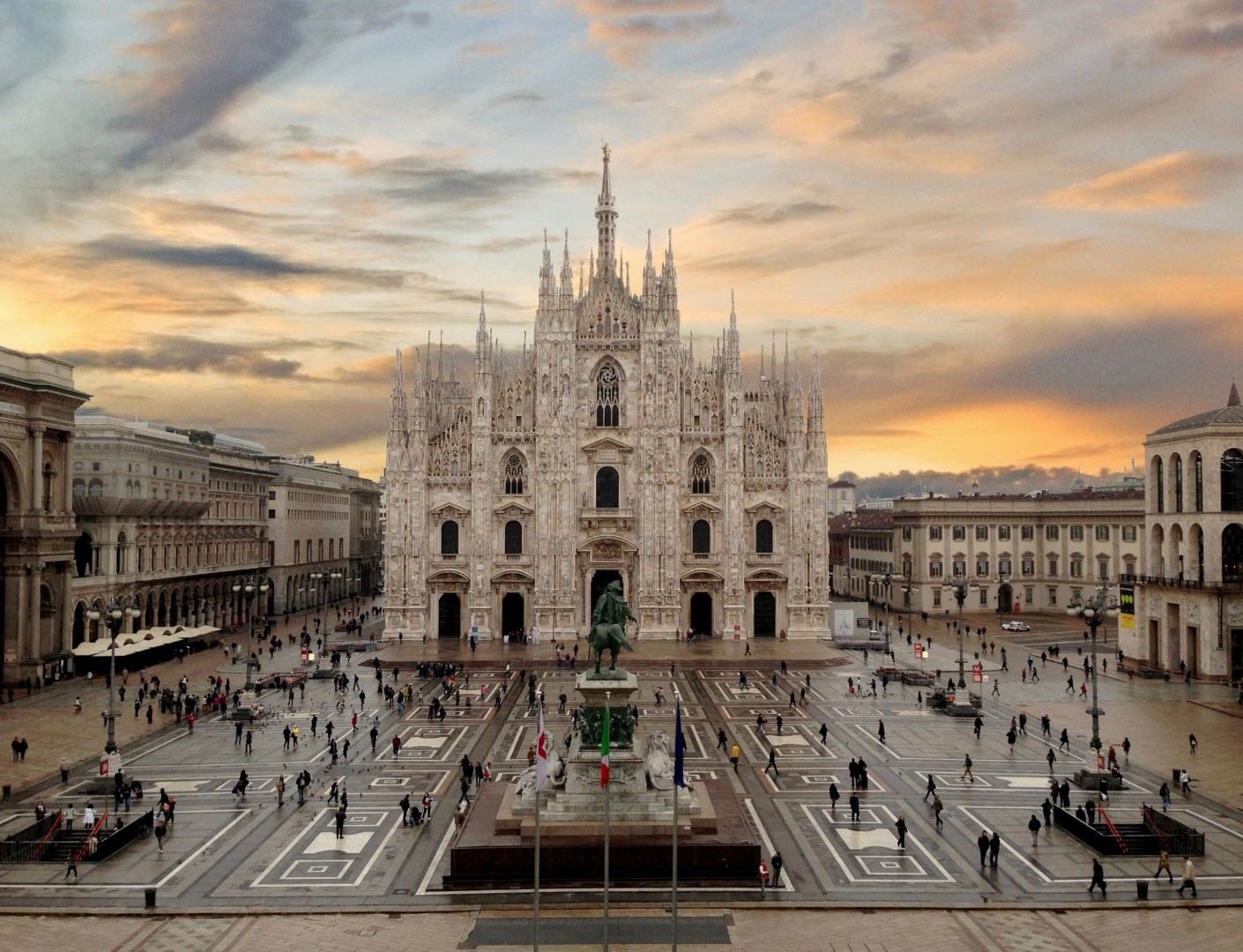
You have seen the photographs. You know it is the fourth largest church in the world, that it took nearly six centuries to complete, that it has 135 marble spires and more than 3,400 statues. But standing in Piazza del Duomo for the first time, you will realise that no photograph has ever truly captured the absurd, overwhelming, magnificent excess of this building. It does not sit in the square. It erupts from it, a mountain of Candoglia marble that shifts from pink to white to gold as the sun moves across the sky.
Here is what the guidebooks do not tell you. The most extraordinary part of the Duomo is not the interior, though the stained glass windows are among the finest in the world. It is not even the rooftop, though you should absolutely climb it. The most extraordinary part is the statue of Saint Bartholomew Flayed, which you will find near the sacristy. The saint is depicted holding his own skin, which drapes over his shoulder like a cloak. The sculptor, Marco d'Agrate, signed his work with a line that translates to 'I was not born with a bronze art, but I was made by divine grace.' It is a masterpiece of anatomical precision and theological audacity, and most tourists walk right past it.
When you climb to the rooftop, take the stairs if you can. The lift is faster, but the stairs allow you to emerge gradually into the forest of spires. And when you reach the top, look for the small holes in the marble floor. They were used by the ancient workers to lift the massive stone blocks using a system of pulleys and ropes. Some of those ropes left grooves in the stone, grooves that are still visible today. You are touching the same marble that the original medieval sculptors touched. Let that sink in.
The Code to Skip the Queues: The Duomo has two separate tickets: one for the church interior and one for the rooftop. Buy the 'Duomo Pass' online in advance. It includes both, plus the archaeological area and the museum. The queues are longest between 11:00 AM and 2:00 PM. Arrive at 9:00 AM or after 3:00 PM. And dress appropriately. The guards at the entrance will refuse entry to anyone with bare shoulders or knees, no exceptions.
2. The Mysterious Ossuary of San Bernardino alle Ossa
Now we leave the crowds behind. A five-minute walk from the Duomo, on a street you would never notice, stands a small, unassuming church. The Church of San Bernardino alle Ossa is not in most guidebooks. It is not on the typical tourist itinerary. And inside, behind a simple wooden door, lies one of the most extraordinary and macabre places in all of Italy.
The ossuary is a small side chapel whose walls are decorated entirely with human skulls and bones. Femurs are stacked in geometric patterns. Pelvises form arches. Skulls stare out from every surface, arranged in intricate designs that are simultaneously beautiful and unsettling. The story is this: in the 13th century, the hospital next door ran out of space in its cemetery. The monks exhumed the bones and, rather than discarding them, created this chapel as a meditation on mortality. In the 18th century, a small Baroque chapel was built around the ossuary, and more bones were added. Today, more than 4,000 skeletons are interred in these walls.
You will probably have the chapel entirely to yourself. Stand in the centre. Look at the ceiling, where a fresco of angels carries the souls of the dead toward heaven. The contrast between the cheerful Baroque angels and the grinning skulls below is jarring and profound. You will not forget this place. It is free to enter. It is open every day. And almost no tourists know about it. That is the real Milan.
Photography Note: Photography is permitted in the ossuary, but please be respectful. This is a place of contemplation, not a tourist attraction. No flash. No selfies. The local parishioners come here to pray. A quiet, reflective visit is not just polite; it is the only appropriate way to experience this place.
3. Sforza Castle: Michelangelo's Last Masterpiece
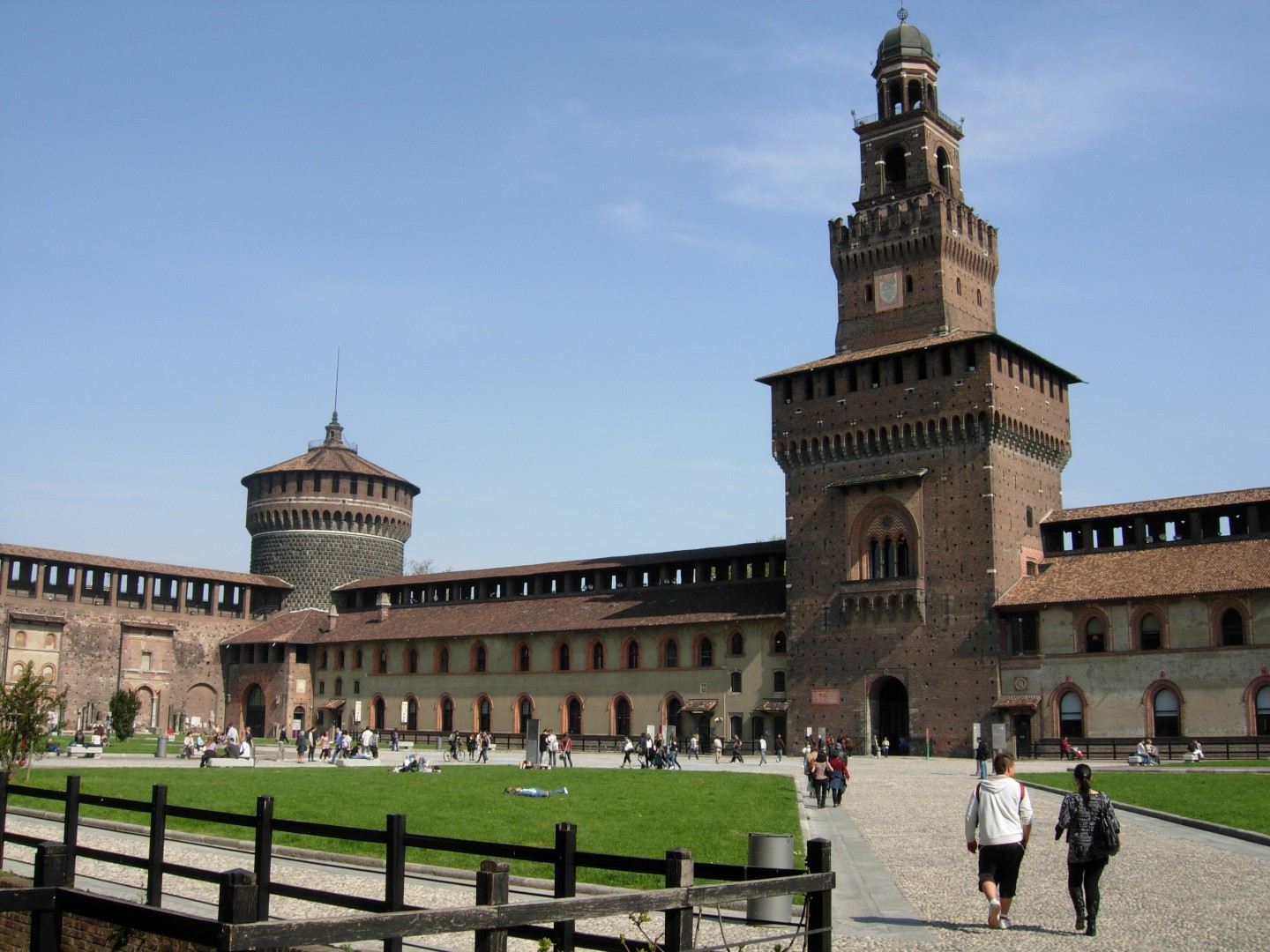
The Sforza Castle is one of the most impressive brick fortresses in Europe. It was built in the 14th century by the Visconti family, then rebuilt in 1450 by Francesco Sforza, the mercenary commander who married into the family and became the Duke of Milan. Leonardo da Vinci worked here. Bramante worked here. The castle's walls contain some of the greatest art produced in the Italian Renaissance.
But here is the secret that transforms a visit to the castle from pleasant to unforgettable. In the Museum of Ancient Art, on the ground floor of the Rocchetta, you will find Michelangelo's last work. It is called the Pietà Rondanini, and it is unlike anything else the master ever created. Michelangelo worked on this sculpture in the weeks before his death in 1564, at the age of 88. He knew he was dying. And the sculpture reflects that knowledge. The figures of the Virgin Mary and the dead Christ are elongated, ethereal, almost dissolving into the stone. It is unfinished. You can see the chisel marks. You can see where Michelangelo changed his mind and carved the figures a second time, leaving ghostly traces of the earlier version behind. It is not beautiful in the way the Pietà in St. Peter's is beautiful. It is haunting. It is raw. It is a window into the mind of a genius facing his own mortality. You should stand before it in silence for as long as you can. You will not regret it.
The castle also contains the Museum of Decorative Arts, the Armoury (with an extraordinary collection of medieval weapons), the Egyptian Museum, and the Picture Gallery with works by Bellini, Correggio and Mantegna. But the Pietà Rondanini is the reason you came. The rest is a magnificent bonus.
4. Sant'Ambrogio: The Church That Predates the City
Most visitors to Milan never make it to Sant'Ambrogio. They are drawn to the Duomo, and the Duomo is spectacular. But Sant'Ambrogio is older, stranger and in many ways more beautiful. The church was founded in 379 AD by Saint Ambrose himself, the bishop of Milan who converted Saint Augustine. That is not a typo. This church has been standing, in one form or another, for more than 1,600 years.
The current building dates mostly from the 11th and 12th centuries, and its Romanesque architecture is a masterclass in simplicity and power. The brick facade is unadorned. The two bell towers, one called the 'Tower of the Monks' and the other the 'Tower of the Canons', rise like sentinels above the courtyard. But the interior is where the magic happens. The altar is made of gold, a masterpiece of Carolingian metalwork from the 9th century. The crypt below contains the tombs of Saint Ambrose, Saint Gervase and Saint Protase. Pilgrims have been coming here for more than a millennium to kneel at this spot.
And here is the hidden detail that almost no one notices. In the floor of the church, near the entrance, there is a circular stone with a serpent carved into it. The legend says that this marks the spot where Saint Ambrose, while building the church, drove away a dragon that had been terrorising the neighbourhood. The serpent is the dragon. The stone has been worn smooth by the feet of a thousand years of worshippers. It is a small, strange, wonderful thing to discover.
Local Tip: After visiting Sant'Ambrogio, walk five minutes to the Università Cattolica and find the small garden behind the library. It is one of the most peaceful spots in central Milan. Students sit on the grass reading philosophy. The noise of the city fades away. You will feel like you have discovered a secret, because you have.
5. La Scala: More Than an Opera House
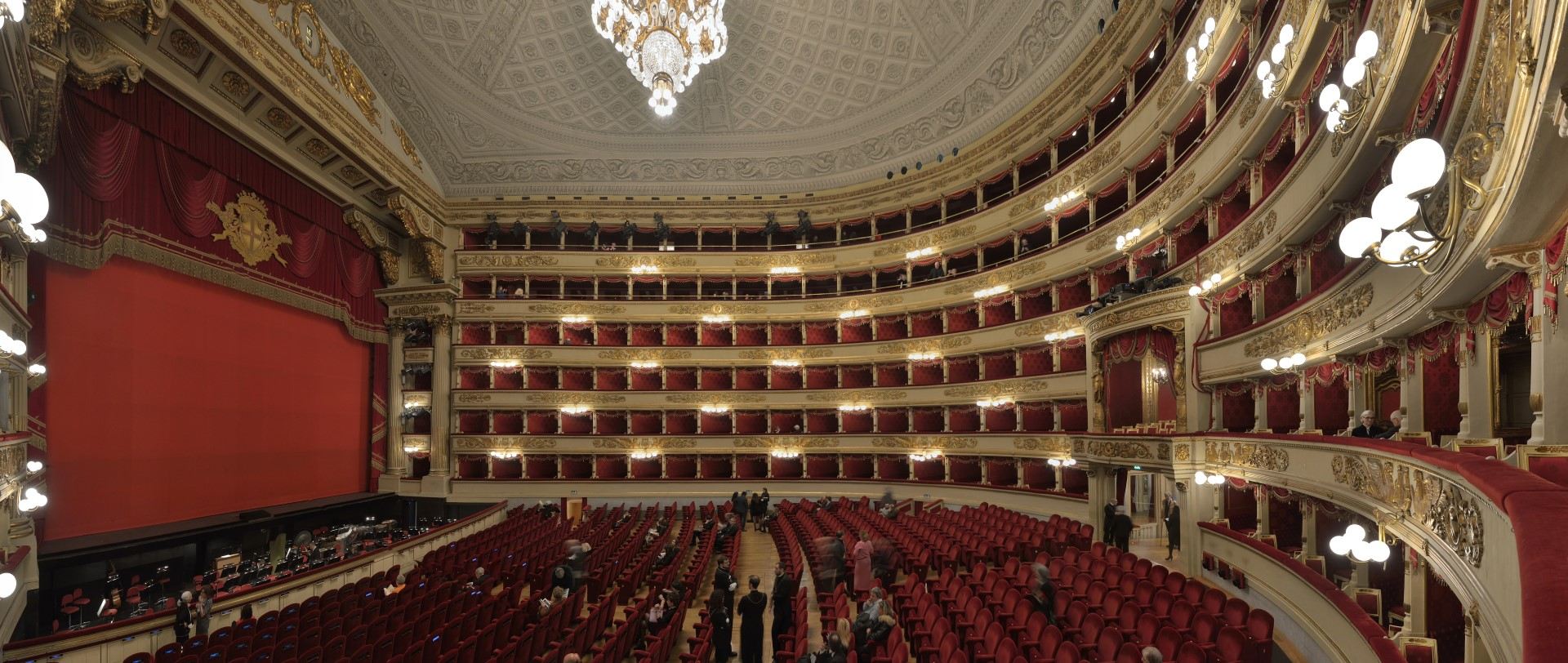
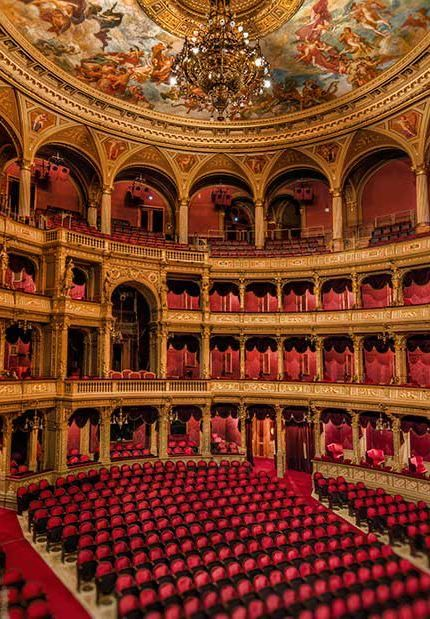
Teatro alla Scala is the most famous opera house in the world. It opened in 1778, built on the site of a former church, Santa Maria della Scala, which gave the theatre its name. Maria Callas sang here. Pavarotti sang here. Toscanini conducted here. The acoustics are legendary. The chandelier is magnificent. The red velvet boxes are exactly as opulent as you imagine.
But here is what changes everything: you do not need to attend a performance to experience La Scala. The theatre offers guided tours throughout the day. You will walk through the foyer, into the auditorium, and then into the museum. The museum is the hidden treasure. It contains a stunning collection of costumes, musical instruments and portraits. You will see the original piano that Verdi used to compose 'Aida'. You will see a lock of Rossini's hair. You will see the death mask of Beethoven and the cast of Toscanini's hands. It is a cabinet of curiosities dedicated to the greats of opera, and most tourists skip it because they do not know it exists.
If you want the true Milanese experience, however, buy a ticket to an actual performance. The cheapest seats are in the gallery, the famous 'loggione', which is so high up that you cannot see the orchestra. But the fans in the loggione are the most knowledgeable and passionate in the world. They have been known to boo a mediocre tenor and to shower a great soprano with rose petals. To sit among them is to understand that in Milan, opera is not entertainment. It is a religion.
How to Get Tickets for La Scala: Tickets for performances go on sale approximately two months in advance and sell out quickly. Book online through the official La Scala website. If you cannot get performance tickets, the museum and guided tour are excellent alternatives and do not require advance booking except on busy days.
6. The Navigli: Milan's Secret Canals
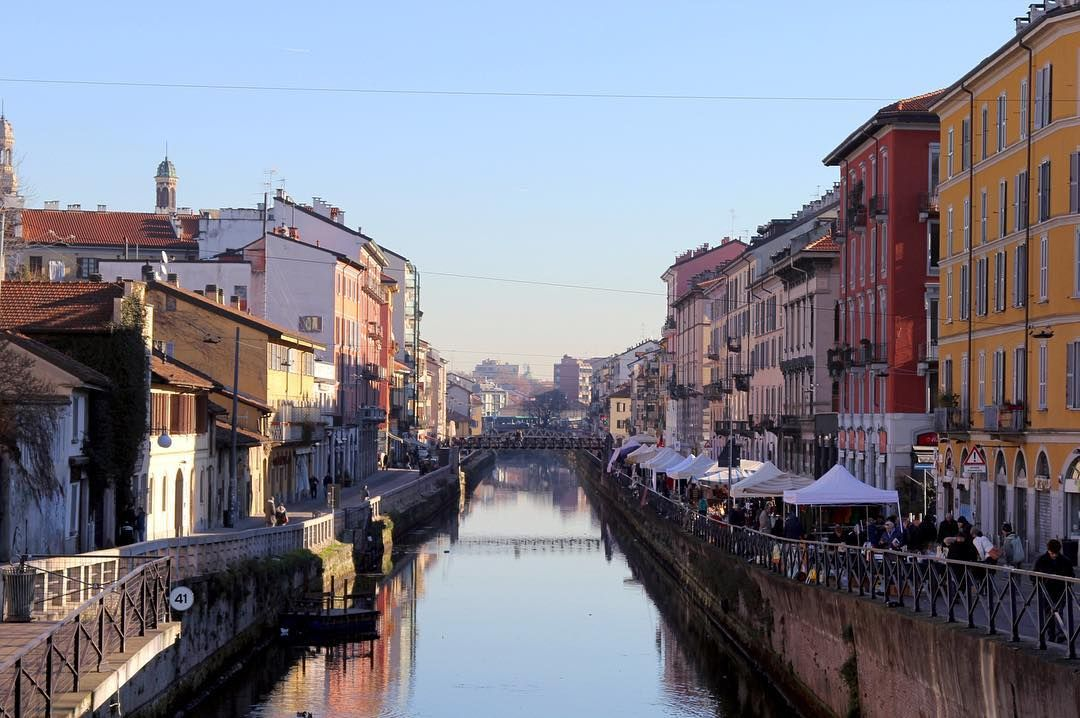
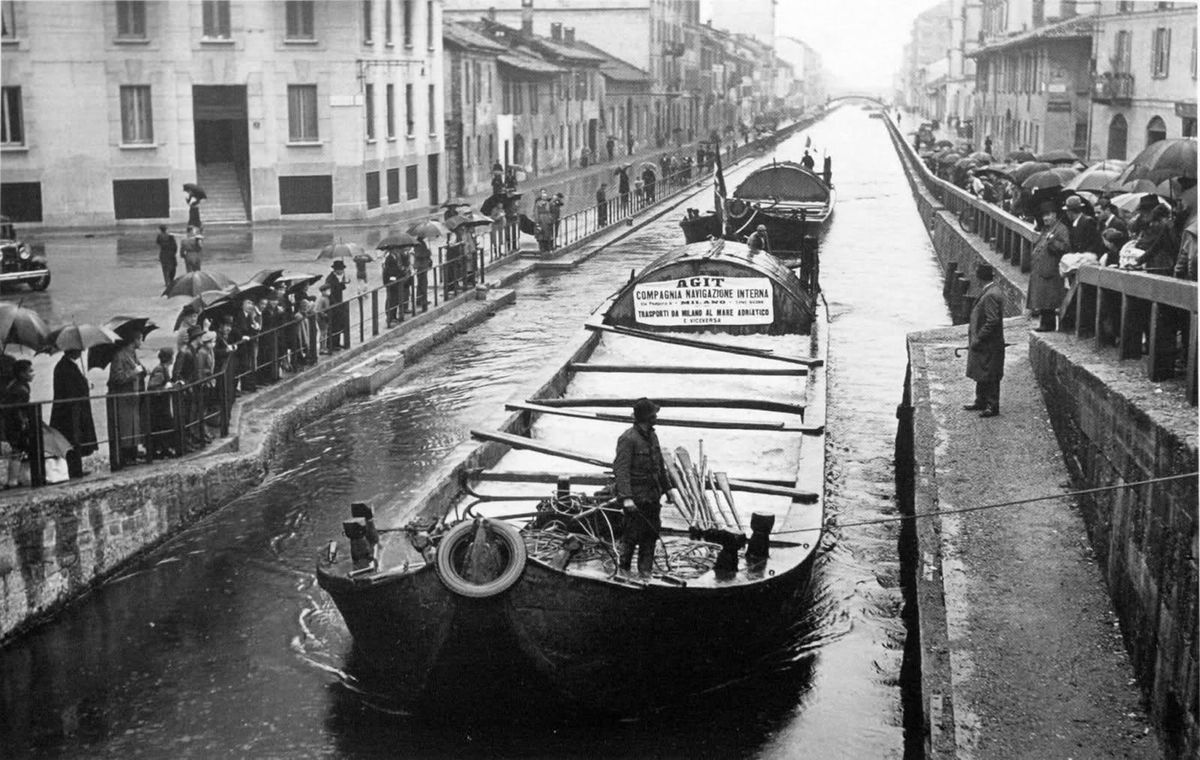
You might not know that Milan was once a city of canals, a kind of northern Venice. The Navigli district is what remains of that waterborne past. Two canals, the Naviglio Grande and the Naviglio Pavese, still flow through the southern part of the city. And they are beautiful in a way that is completely different from the polished elegance of the city centre.
Come here in the late afternoon. The light turns golden. The water, dark and slow, reflects the pastel facades of the old washhouses and artisan workshops. Walk along the Naviglio Grande from the Darsena, the old docks, to the Vicolo dei Lavandai. This is the last surviving public washhouse in Milan. Women used to kneel on the stone slabs and beat their laundry clean in the canal water. The wooden structure is preserved exactly as it was, a humble monument to the Milan that existed before the skyscrapers.
But the real magic of the Navigli happens at dusk. This is where the Milanese come for aperitivo. You order a drink, and for the price of that drink, you have unlimited access to a buffet of pasta, risotto, cheeses and cold cuts. The tradition is sacrosanct. Do not eat a big lunch; save your appetite. The best aperitivo is not in the bars on the main canal, which cater to tourists. Walk one block inland to the smaller streets. Look for a bar with a handwritten menu and a crowd of Milanese standing outside. That is where you want to be. Order a Negroni. Then eat until you cannot eat any more. This is not a tourist activity. This is daily life in Milan.
Insider Tip: The most common mistake tourists make in the Navigli is coming too early. Aperitivo starts around 6:00 PM and runs until 9:00 PM. Come at 5:00 PM and the district is quiet. Come at 7:00 PM and it is alive. Also, avoid the bars directly on the main bridge. They charge double for the same drink and the food is worse. Walk ten minutes in any direction and you will find better options.
Where to Eat Like a Milanese (And What to Order)
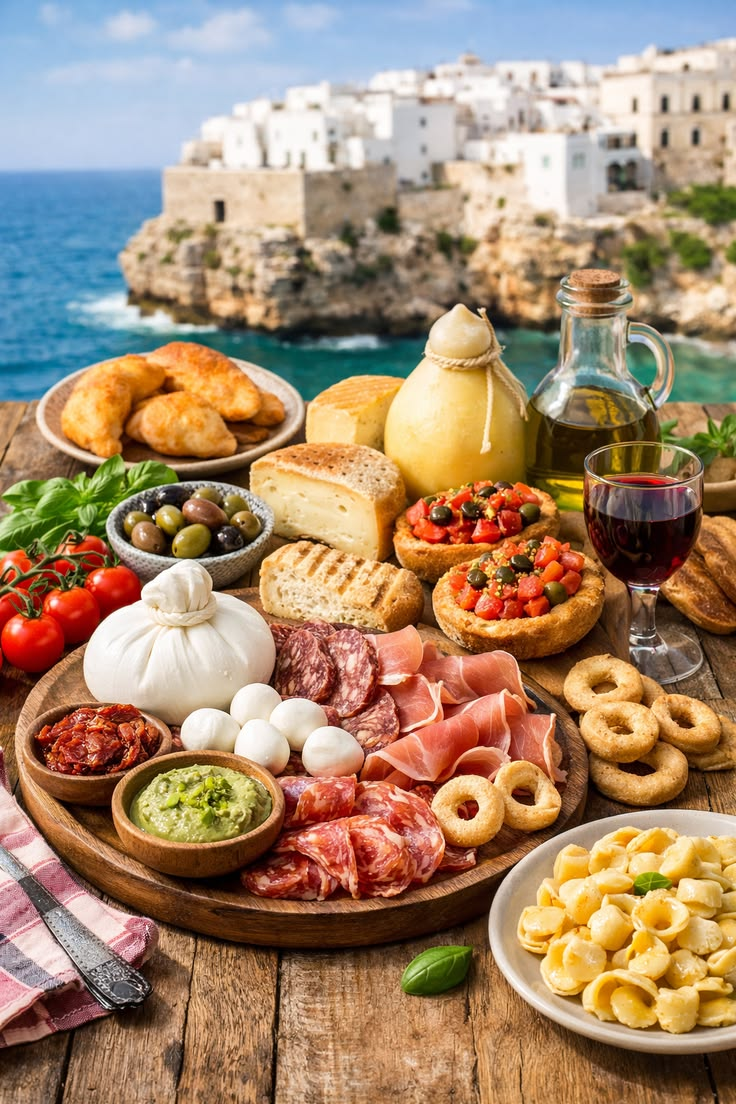
Milan has its own culinary tradition, distinct from the Roman pastas and Neapolitan pizzas. You owe it to yourself to eat properly here. Here are the dishes you cannot miss and the places where locals eat them.
Risotto alla Milanese: This is the soul of Milanese cooking. Creamy arborio rice is infused with saffron, which gives it a brilliant golden colour and a subtle, almost floral flavour. The legend says that a stained-glass artist in the Duomo, a man known for his extravagant use of saffron, added it to his daughter's wedding feast. The guests were delighted, and a tradition was born. Where to eat it: Trattoria Masuelli San Marco (Via Castel Morrone, 2) or Ratanà (Via Gaetano de Castillia, 28). Both are beloved by locals.
Cotoletta alla Milanese: A breaded veal cutlet, fried in butter until it is crisp and golden. It is similar to a Wiener schnitzel but richer, more decadent. The bone is left in, which is the traditional Milanese way. Where to eat it: Osteria del Binari (Via Tortona, 1) near the Navigli, or Al Matarell (Via Melchiorre Gioia, 33).
Panettone: Milan's Christmas bread, a domed cake studded with candied fruit and raisins. It is available year-round in the city's best pasticcerie. Where to buy it: Marchesi (Galleria Vittorio Emanuele II) or Pavé (Via Felice Casati, 27).
Panzerotti: A fried pizza pocket, like a calzone but much lighter and crispier. The most famous panzerotti in Milan are sold at Luini (Via Santa Radegonda, 16), a tiny shop near the Duomo. There will be a queue. The queue is worth it.
'Milan is a city where people work and produce. But they also know how to enjoy themselves at the table. A Milanese will work ten hours without complaint, but woe betide anyone who interrupts his risotto.' — Anonymous Milanese saying
Hidden Gems and Practical Tips for the Curious Traveller
The Chiostro dei Morti: Hidden inside the Basilica of San Simpliciano is a small cloister where the monks once buried their dead. The columns are carved with skulls and bones. It is peaceful, haunting and almost entirely unknown. Entrance is free, but you must ask the sacristan to unlock the door.
The Last Supper's Restored Copy: Tickets for Leonardo's Last Supper are notoriously difficult to obtain. But few tourists know that a full-scale, meticulously restored copy of the painting hangs in the Church of San Maurizio al Monastero Maggiore. The setting is a beautiful cloister, and there is no queue. Is it the original? No. But it is a worthy substitute if you cannot get tickets, and the church itself is a hidden masterpiece of Renaissance art.
The Secret Bakery: At 4:00 AM, the scent of fresh bread and pastries fills the alley near Via Victor Hugo. A tiny bakery called Martesana opens its doors to the night workers of Milan's markets. If you happen to be awake, you can buy a chocolate cornetto that has just come out of the oven. It will be the best pastry you have ever eaten.
The Chiaravalle Abbey: Fifteen minutes by train from Milan's centre lies a Cistercian abbey from the 12th century. It is surrounded by fields and farmhouses. You will feel like you have travelled back in time. The monks still grow saffron here, the same saffron that flavours the city's risotto. Visit on a weekday morning for the most peaceful experience.
Getting Around: Milan's metro is efficient, safe and easy to navigate. The best ticket for tourists is the 24-hour pass (€7.60) or the 72-hour pass (€15.50). Download the ATM Milano app for maps and real-time updates. Avoid the metro between 8:00 AM and 9:00 AM and 5:00 PM and 7:00 PM; the trains are packed with commuters.
Comments
No comments yet. Be the first to share your thoughts!
Leave a Comment
Your comment will appear after moderation.