 Michelle
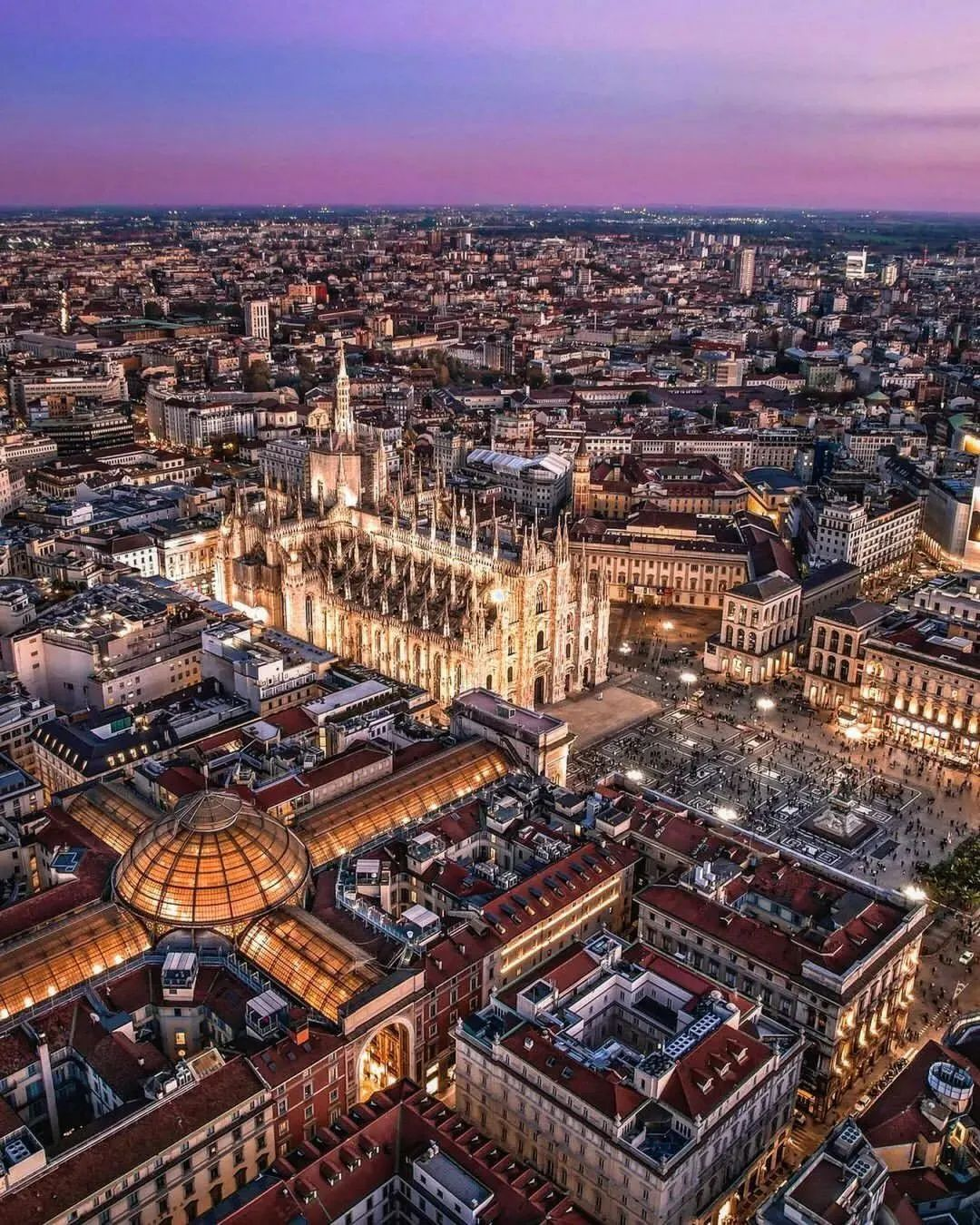
 You have heard the judgments before. 'Milan is only for shopping.' 'Milan is grey and industrial.' 'Milan has no soul.' The people who say such things have never stood on the rooftop of the Duomo as the sun sets behind the Madonnina. They have never stood in front of Leonardo's Last Supper and felt their breath leave their body. They have never wandered the Navigli canals at dusk, when the lights begin to reflect in the dark water and the sound of a cello drifts from an open doorway. Milan does not shout its beauty like Rome or Florence. It whispers. And if you know where to listen, you will hear one of the most extraordinary stories in all of Italy. Here are three places to begin.
The Duomo: A Cathedral Carved from Light
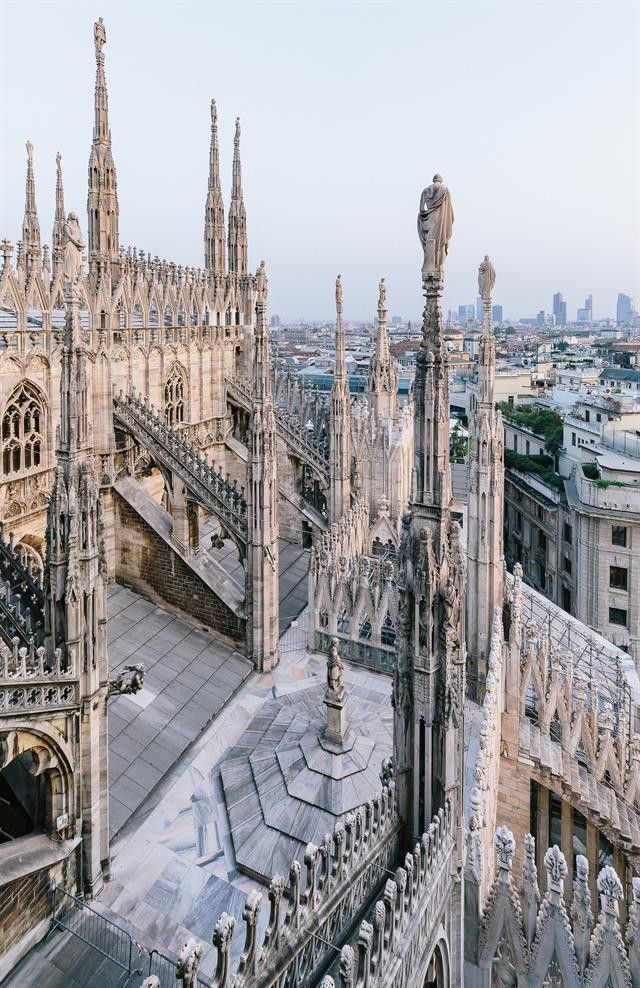
Imagine a mountain of white marble, carved not by nature but by the hands of six centuries of sculptors, architects and madmen. That is the Duomo di Milano. It is the largest Gothic cathedral in Italy and the third largest in the world, but numbers do not prepare you for the reality. You will emerge from the narrow streets of the city centre and suddenly there it is, so vast and so detailed that your eyes do not know where to look first. You should begin, as the Milanese do, by looking up. At the highest point of the cathedral, 108 metres above the piazza, stands the Madonnina, a golden statue of the Virgin Mary sheathed in more than 700 sheets of gold leaf. When the sun hits her just right, she blazes like a second sun. The Milanese have a saying: no building in the city may be taller than the Madonnina. It is a law, and it is still obeyed. Even the modern skyscrapers of the Porta Nuova district have their rooftops lowered out of respect for her.
Do not simply walk inside and leave. The interior, with its fifty-two pillars representing the weeks of the year and its stunning stained glass windows, is magnificent. But the true magic of the Duomo is on the rooftop. You can take the lift or, if your legs are strong, climb the 250 steps. Either way, you will emerge onto a forest of spires and statues, 135 of them reaching toward the sky. From this vantage point, you can see the snow-capped Alps on a clear day. You can trace the curve of the Galleria Vittorio Emanuele II, the world's most beautiful shopping arcade. And you can look down at Piazza del Duomo, teeming with life, knowing that you have found the one place in Milan where the noise of the city falls silent. The most common mistake tourists make is not knowing that the rooftop and the cathedral have separate tickets. You must book both unless you only wish to visit the interior. And the queues for the lift can be ferocious; book your tickets online in advance.
Insider Insight: The legend of the Madonnina is not the only curiosity hiding on the Duomo's roof. Look closely at the statues. Among the saints and martyrs, you will find a statue of Mussolini, placed there during the Fascist era and never removed. You will also find a statue of the first woman to obtain a degree in Italy, a small but significant act of rebellion carved in marble. The Duomo is not just a cathedral; it is a history book written in stone.
Santa Maria delle Grazie and The Last Supper: A Masterpiece on a Wall
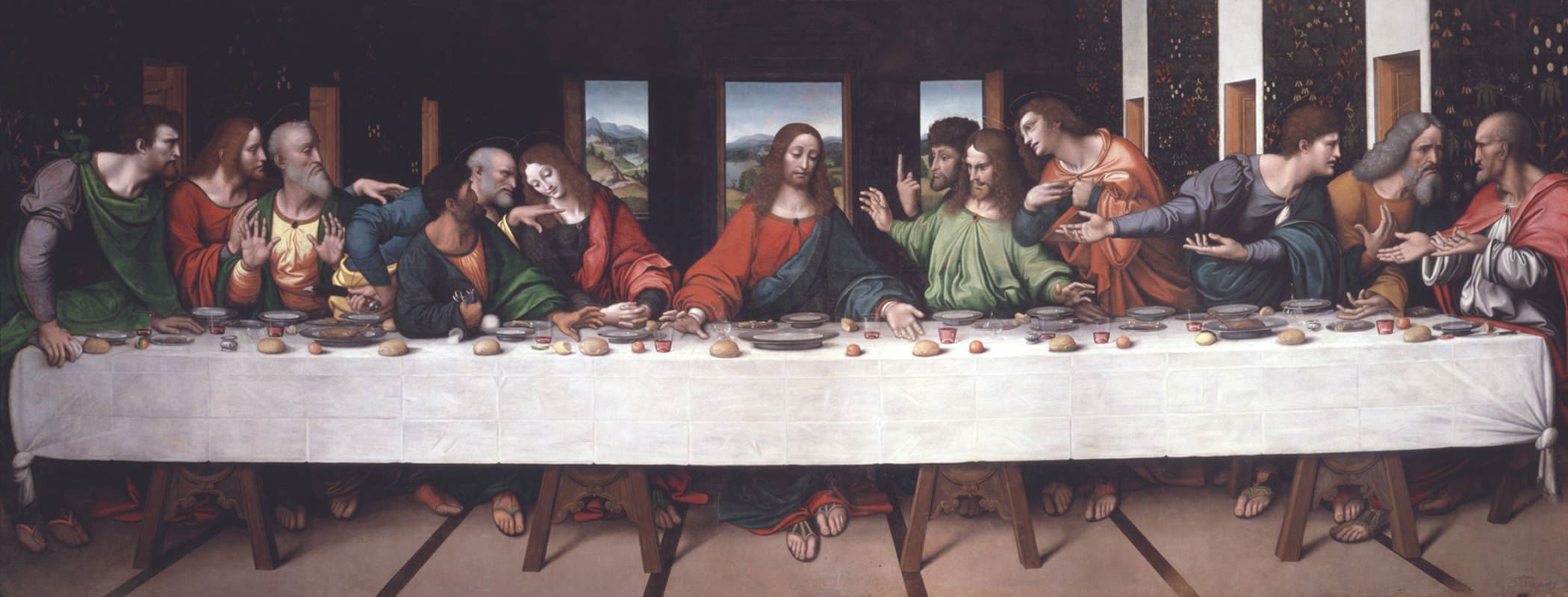
A short walk west from the Duomo, through the elegant streets of the fashion district, brings you to a seemingly unremarkable church. Santa Maria delle Grazie is beautiful, certainly, but it is not one of Italy's great cathedrals. What makes it one of the most visited sites in the country is the refectory, the dining hall attached to the church. On the north wall of this refectory, Leonardo da Vinci painted 'The Last Supper' between 1495 and 1498. You have seen reproductions a thousand times. Nothing prepares you for the original.
The painting is enormous, nearly nine metres wide and four and a half metres high. It is also extraordinarily fragile. Leonardo, ever the experimenter, did not use traditional fresco techniques. He painted on a dry wall with a mixture of tempera and oil, a method that proved disastrous for longevity. Within fifty years, the paint was already flaking. Over the centuries, it has survived a direct bomb hit during the Second World War, the Napoleonic Wars, and the neglect of generations. The restoration completed in 1999 was one of the most painstaking in art history. Today, you are permitted to stand before it for only fifteen minutes, and you must book your ticket months in advance. This is not arrogance on the part of the museum. It is protection. The climate-controlled room allows only a limited number of visitors each day to preserve what remains of Leonardo's genius.
When you enter the refectory, you will notice something strange. The room itself is bare. There is nothing to distract you from the painting. And then it hits you. The apostles are not frozen in pious contemplation. They are exploding. Leonardo chose the moment when Christ says, 'One of you will betray me.' The apostles react as real people would, with shock, with denial, with fear. Judas, clutching a small bag of silver, recoils backwards. Peter, impulsive as always, reaches for a knife. Thomas raises a finger to the heavens, a gesture that will echo through art history. You should stand in silence. You should look at their faces, each one a portrait of a different human emotion. You should know that you are standing in the presence of one of the greatest achievements of the Western imagination.
The Most Important Advice in This Article: Book your ticket for The Last Supper the moment you know you are going to Milan. Tickets are released approximately three months in advance and sell out within hours. Do not wait. If you cannot find a ticket, look for guided tours that include entry. They cost more, but they are often the only way to see the painting at short notice.
The Navigli: Milan's Hidden Canal District
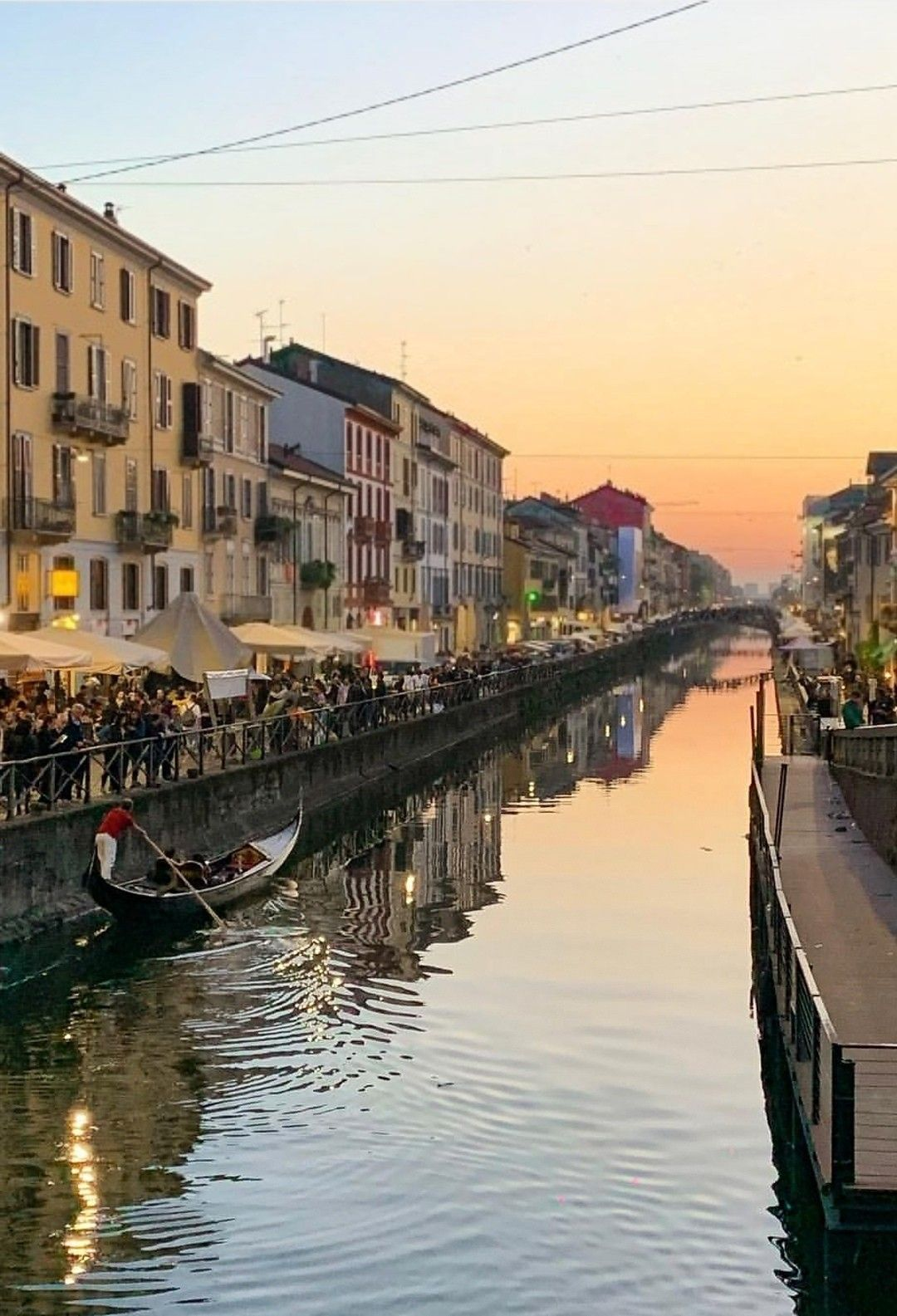
You might not know that Milan was once a city of canals, a northern Venice built on a network of navigable waterways. The name 'Navigli' itself means 'canals'. Leonardo da Vinci, who spent nearly two decades in Milan in the service of Duke Ludovico Sforza, was commissioned to design a system of locks and canals that would connect Milan to the rivers of the Po Valley. Some of his designs were built. Most were not. But the two canals that remain, the Naviglio Grande and the Naviglio Pavese, still flow through the southern part of the city, lined with old wash houses, artisan workshops and some of the best aperitivo bars in Italy.
You should arrive in the Navigli district in the late afternoon. The light is soft and golden. The canal water, dark and slow, reflects the pastel facades of the buildings. Walk along the Naviglio Grande from the Darsena, the old docks, all the way to the Vicolo dei Lavandai, the last surviving washhouse where the women of the neighbourhood once beat their laundry clean on stone slabs. The wooden structure is preserved exactly as it was. It is a small, humble monument to the Milan that existed before the skyscrapers. As evening falls, the district transforms. The aperitivo begins. The tradition is simple: you order a drink, and you receive unlimited access to a buffet of pasta, risotto, cheeses and cold cuts. For the price of a Negroni, you can eat dinner. The locals sit on the canal's edge, their feet dangling over the water, and watch the world go by. This is not the Milan of fashion week. This is the Milan of real people, of artists and students and old men who remember when barges carried wood and wine along these same canals. It is, in its own quiet way, unforgettable.
The Aperitivo Code: The most common mistake tourists make in the Navigli is not understanding how aperitivo works. The food is not free. It is included in the price of your drink, but you are expected to order a drink first. Aperitivo usually runs from 6:00 PM to 9:00 PM. Choose a bar away from the main bridge for better prices and fewer tourists. And do not be shy; the Milanese are friendly once you sit down next to them.
Where to Eat Like a Local in Milan
You cannot visit Milan without eating. The city has its own distinct culinary traditions, different from the heavy Roman pastas of the south. Milan is the capital of risotto. The most famous dish is risotto alla Milanese, a creamy rice dish made golden by the addition of saffron. The legend says that a stained-glass artist in the Duomo, a man known for his love of saffron, added it to his daughter's wedding feast. The guests were so delighted that the dish became a tradition. You should also try cotoletta alla Milanese, a breaded veal cutlet fried in butter until it is crisp and golden. It is similar to a Wiener schnitzel but richer, more decadent. For dessert, panettone is the Christmas bread of Milan, but you can find it year-round in the city's best pasticcerie. And do not leave without a glass of Franciacorta, Lombardy's answer to Champagne, produced using the same traditional method.
The best food in Milan is not found in the tourist restaurants around the Duomo. Walk a few blocks north to the Brera district, or south to the Navigli, and you will find trattorias where the Milanese have been eating for generations. Look for handwritten menus, no photographs of the food outside, and a wine list that features local Lombard producers. That is where you want to eat.
Comments
No comments yet. Be the first to share your thoughts!
Leave a Comment
Your comment will appear after moderation.