 Michelle
 No other city in Europe carries its history as openly, as heavily and as honestly as Berlin. Walk almost anywhere in the German capital and history is not behind museum glass or at a respectful distance: it is in the street beneath your feet, in the texture of the walls around you, in the gaps where buildings were and never rebuilt, in the memorials that sit in the middle of busy urban spaces refusing to be peripheral. Berlin is a city that has been the capital of the Prussian Empire, the Weimar Republic, the Third Reich, a divided city of Cold War confrontation, and finally a reunified democratic European capital, and the traces of all of these identities are still present and legible to the attentive visitor. It is a city that rewards attention, preparation and a willingness to feel things that are not always comfortable.
Why Berlin Is Unlike Any Other European Capital
Berlin is the largest city in Germany, with a population of approximately 3.7 million people, and it is by some distance the most physically spread-out major city in central Europe. Its area is nearly nine times larger than Paris and almost six times larger than London, a fact that becomes immediately apparent when you begin navigating it. The city was divided between East and West from 1961 to 1989 by the Berlin Wall, and the traces of that division are still visible in the urban fabric: the different architectural styles on either side of what was the border, the gaps in the building stock where the death strip ran, the memorials that mark the places where people died trying to cross.
This physical complexity is matched by an equally complex cultural identity. Berlin has been, at various points in the twentieth century, the most glamorous, the most dangerous, the most oppressive and the most creatively free city in Europe. The Berlin of the Weimar Republic in the 1920s was a centre of artistic and intellectual innovation of extraordinary fertility. The Berlin of the Nazi period became the administrative heart of a system of industrial murder. The divided Berlin of the Cold War was a city of genuine physical danger and of remarkable artistic tension on both sides of the Wall. The Berlin that emerged from reunification in 1990 became, and remains, one of the most dynamic and creative cities on the continent. All of these Berlins are still present, and visiting the city without understanding at least something of this layered history is to miss most of what makes it extraordinary.
Before you visit Berlin: Read something about the city's history before you arrive. The physical experience of standing at the Brandenburg Gate, walking along the East Side Gallery or sitting in the Holocaust Memorial is profoundly different when you understand the context of what you are encountering. Any good one-volume history of Berlin, or the specific histories of the Nazi period, the division and the reunification, will transform your visit from a collection of impressive sights into a genuinely meaningful engagement with one of the defining stories of the twentieth century.
1. The Brandenburg Gate, the Reichstag and Unter den Linden
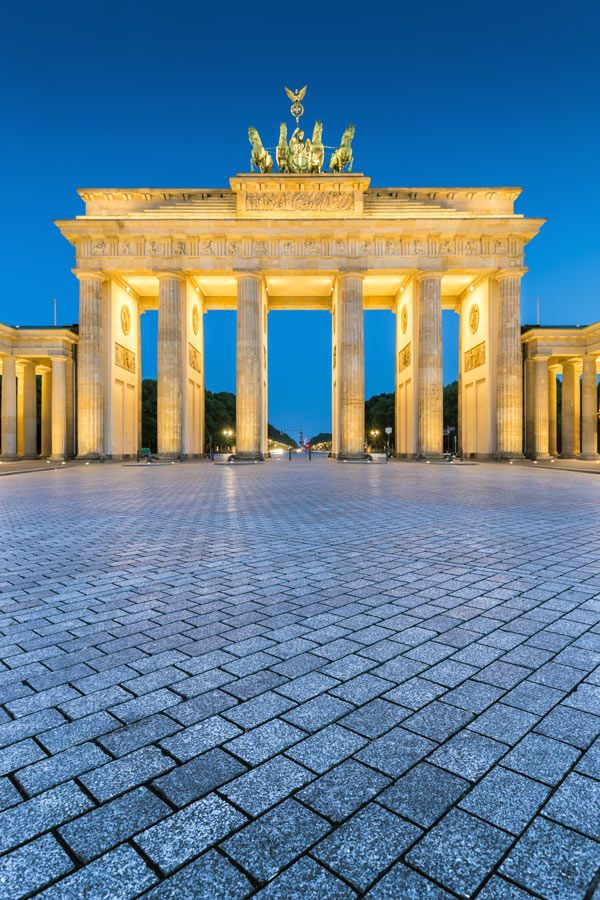
The Brandenburg Gate (Brandenburger Tor) is the most recognisable symbol of Berlin and one of the most symbolically loaded structures in modern European history. Built between 1788 and 1791 in the Neoclassical style by Carl Gotthard Langhans as a monumental gateway at the western end of the Unter den Linden boulevard, it was the ceremonial entrance to the city for two centuries before it became, in 1961, a symbol of something else entirely: the divided city, standing as it did in the death strip between East and West Berlin, inaccessible and surrounded by the Wall for twenty-eight years. When the Wall fell on the night of 9 November 1989 and the crowds gathered here in a moment of euphoria that was watched by the entire world, the Brandenburg Gate became something else again: the symbol of reunification, of the end of the Cold War, of the possibility that even the most violently imposed divisions could, in the end, be overcome. Standing here, understanding all of this, is genuinely moving in a way that photographs have never managed to convey.
A short walk north of the Brandenburg Gate, on the banks of the Spree, the Reichstag building is the seat of the German federal parliament and one of the most architecturally remarkable government buildings in Europe. The original building, completed in 1894, was severely damaged by fire in 1933 (an arson attack that the Nazis used as a pretext to suspend civil liberties and consolidate their grip on power) and suffered further damage in the battle for Berlin in 1945. After reunification, the building was extensively renovated by the British architect Sir Norman Foster, who added the famous glass dome that now crowns the building. The dome, an extraordinary structure of glass and steel with a mirrored cone at its centre and a ramp that spirals upward around the interior to a platform at the top, offers one of the finest panoramic views over Berlin and is entirely free to visit, though registration in advance through the Bundestag website is mandatory. The symbolic resonance of a transparent dome built over the parliamentary chamber, through which citizens can look down on their elected representatives, is entirely intentional and entirely appropriate for a country whose recent history gives it good reasons to value democratic transparency.
The Unter den Linden, the grand boulevard that runs eastward from the Brandenburg Gate through the Mitte district, is Berlin's most historically significant street. Lined with lime trees (from which it takes its name), its neoclassical buildings, embassies and cultural institutions, it passes the Humboldt University, one of Germany's oldest and most prestigious academic institutions, and the Bebelplatz, where in May 1933 Nazi students burned some twenty thousand books in a public bonfire. A small glass-covered window set into the paving of the Bebelplatz reveals an underground installation of empty white bookshelves: a memorial by the Israeli artist Micha Ullman that is one of the most quietly devastating public art works in the city. Nearby, a plaque bears a passage from an 1820 play by Heinrich Heine: "Where they burn books, they will ultimately burn people also." He wrote this sentence one hundred and thirteen years before the night of the burning.
2. The Holocaust Memorial and Berlin's Culture of Remembrance
The Memorial to the Murdered Jews of Europe, designed by the American architect Peter Eisenman and located on a five-acre site immediately south of the Brandenburg Gate, is one of the most remarkable and most discussed public memorials in the world. Completed in 2005, it consists of 2,711 concrete stelae of varying heights arranged in a grid on an undulating ground plane, so that the ground rises and falls between the blocks as you walk among them. The experience of the memorial is entirely unlike the experience of looking at photographs of it: from the outside, it appears to be a simple grid of concrete blocks. Once inside, walking between the stelae as they rise above your head and the ground dips away beneath you, the disorientation is genuine and carefully calculated. The sounds of the city recede. The stelae crowd close. The sky appears as a narrow strip above. It is an experience of isolation and unease that is entirely intentional and entirely appropriate to what the memorial commemorates.
Beneath the memorial, the Information Centre (Ort der Information) provides the human context that the abstract structure above cannot: detailed documentation of the persecution and murder of Jewish people across Europe, with individual family stories, photographs, letters and documents that give faces and names and voices to the six million people the memorial honours. The Information Centre is free to enter and should not be skipped. The abstraction of the memorial above is necessary and powerful; the human particularity of the documentation below is equally necessary, and the two work together in a way that neither could achieve alone.
Berlin has several other extraordinarily significant memorials and documentation centres that any serious visitor to the city should engage with. The Topography of Terror, built on the site of the former SS and Gestapo headquarters in the Niederkirchnerstrasse, is a documentation centre of exhaustive historical depth that traces the development, the functioning and the crimes of the SS, the Gestapo and the SD throughout the Nazi period. Entry is free. The Jewish Museum Berlin, designed by Daniel Libeskind and one of the most architecturally significant museum buildings in the world, presents the history of Jewish life in Germany from the medieval period to the present with extraordinary intelligence and sensitivity. The building itself, with its deliberately disorienting zinc-clad exterior, its voids and its constricted corridors, is as much a part of the museum's content as the objects it contains.
Approaching Berlin's memorials: Berlin's culture of remembrance is serious, mature and deeply considered, and the memorials and documentation centres that engage with the Nazi period and its crimes deserve to be approached with the same seriousness. Allow more time than you think you need. The Holocaust Memorial requires at least an hour if you visit the Information Centre, which you should. The Topography of Terror can easily occupy two to three hours for anyone who reads the documentation carefully. These are not places to rush through. They are places that change the way you think, and that change requires time.
3. Museum Island: Five World-Class Museums in One Complex
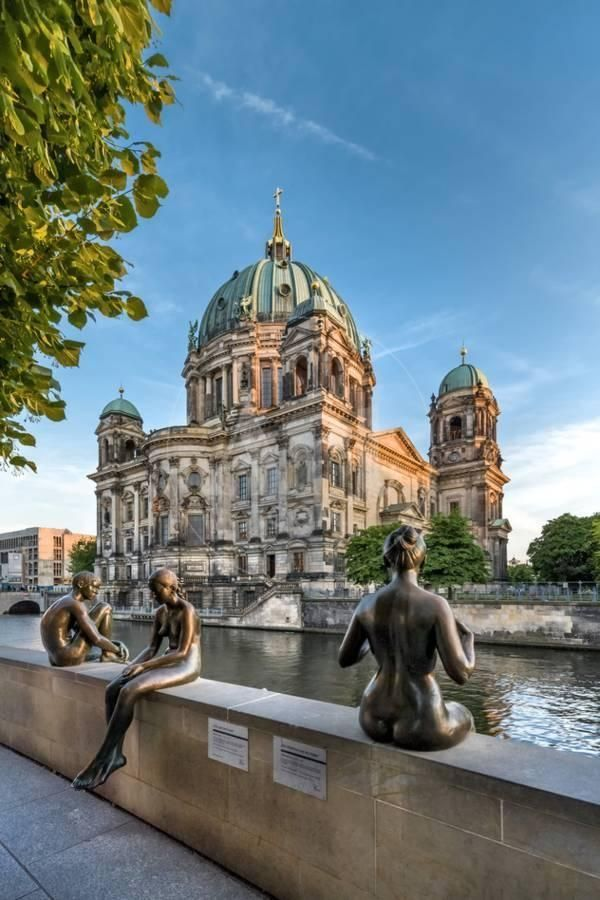
Museum Island (Museumsinsel), the northern tip of the island in the Spree on which the Mitte district was founded, is one of the most extraordinary concentrations of museum culture in the world. A UNESCO World Heritage Site since 1999, it contains five major museums built between 1830 and 1930 that together hold one of the finest collections of art, antiquities and cultural artefacts assembled by any institution in European history. The museums share a combined ticket (the Museumsinsel Day Pass) and a central visitor centre, and a serious engagement with all five could occupy an experienced museum-goer for the better part of three full days.
The Pergamon Museum
The Pergamon Museum is the most visited museum in Germany and, for many visitors to Berlin, the most overwhelming cultural experience the city provides. Named after the Pergamon Altar that forms its centrepiece, a monumental Greek altar from the second century BC whose carved frieze depicting the battle between the Olympian gods and the Giants is one of the greatest sculptural achievements of the ancient world, the museum also contains the Market Gate of Miletus, a Roman gateway from the second century AD reassembled to its full height of 17 metres within the museum building, and the Ishtar Gate of Babylon, the ceremonial gateway built by Nebuchadnezzar II in the sixth century BC, reconstructed from the original glazed blue and yellow bricks and standing to the full height of its surviving sections. Walking through a reconstructed gateway of ancient Babylon in the middle of Berlin is one of those experiences of cultural vertigo that reminds you why museums matter.
Note that the Pergamon Altar itself is currently behind scaffolding for major restoration work that is expected to continue until the early 2030s. The altar is not fully visible during this period, but the remaining collections of the museum are entirely intact and accessible, and the Market Gate and Ishtar Gate are fully displayed. Check the current situation before your visit.
The Neues Museum and the bust of Nefertiti
The Neues Museum, restored by the British architect David Chipperfield in a project of extraordinary sensitivity that preserved the bomb damage and the traces of the building's history alongside the restored rooms, houses the Egyptian Museum and Papyrus Collection and the Collection of Prehistoric and Early History. Its most famous single object is the bust of Nefertiti, the painted limestone portrait of the Egyptian queen created approximately 1345 BC and one of the most beautiful and most recognisable objects in the ancient world. The bust was excavated in Egypt by a German team in 1912, brought to Berlin, and has been the subject of official Egyptian requests for repatriation for decades. Standing in front of it in person, its colours still vivid after 3,300 years, is one of those museum experiences that stops you completely.
The Alte Nationalgalerie and the other museums
The Alte Nationalgalerie presents nineteenth-century European painting, including a remarkable collection of German Romantic painting and French Impressionist works, in a beautifully restored Neoclassical building. The Bode Museum, at the northern tip of the island, houses Byzantine art, coin collections and sculpture from the medieval to the Baroque period. The Altes Museum, the oldest of the five buildings, contains Greek and Roman antiquities and is one of the finest examples of Neoclassical museum architecture in Europe. All five are worth time, and the combination ticket represents genuine value for anyone planning to visit more than two of them.
4. The Berlin Wall: the East Side Gallery and the Bernauer Strasse Memorial
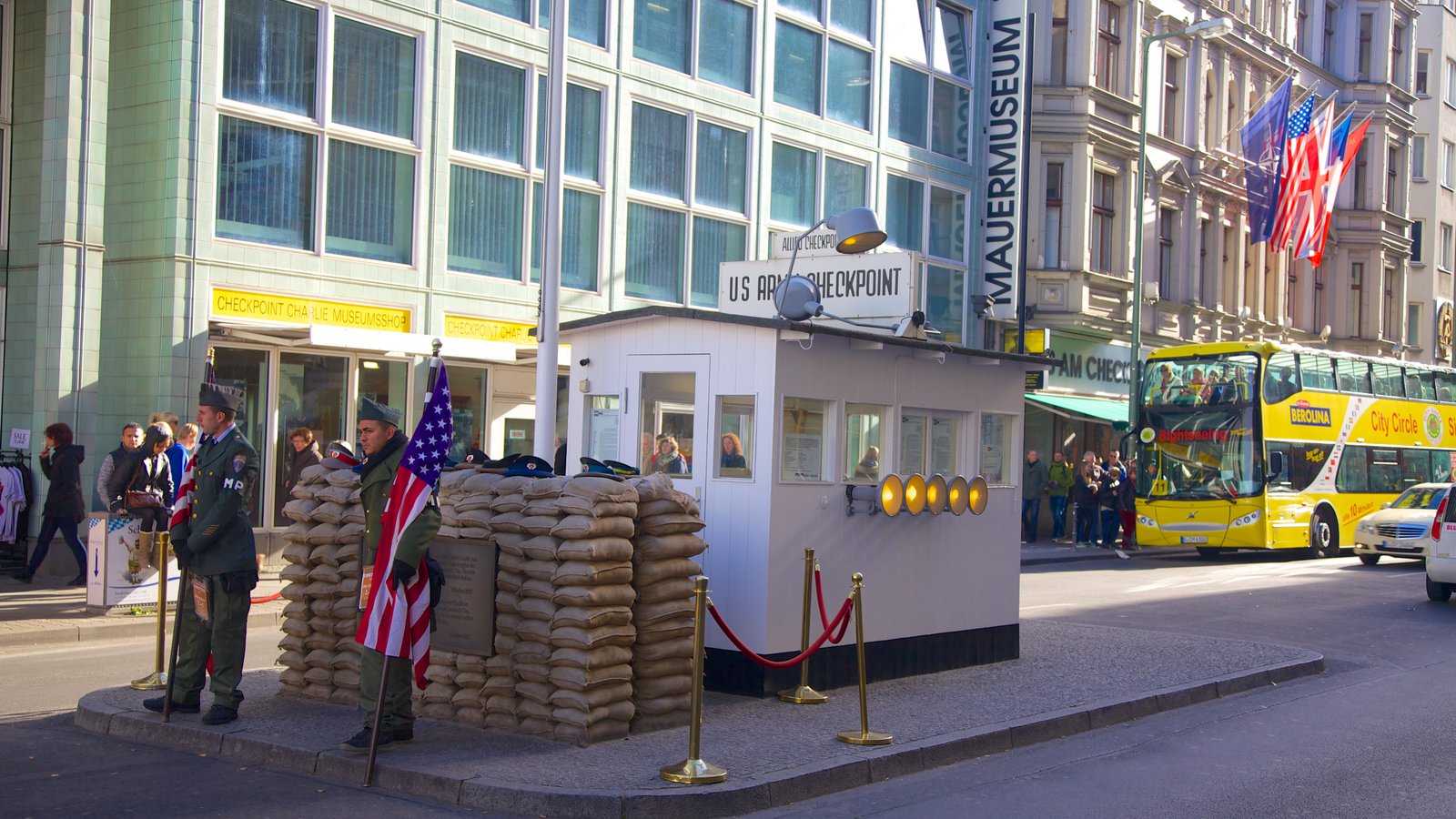
The Berlin Wall was constructed beginning on 13 August 1961 by the government of the German Democratic Republic (East Germany) to prevent the mass emigration of its citizens to the West that was threatening the economic and political stability of the regime. It eventually consisted of two parallel walls separated by a "death strip" of 30 to 160 metres, with watchtowers, guard dogs, anti-vehicle ditches and automatic firing devices. At least 140 people are confirmed to have died at the Wall while attempting to cross it, though the actual figure may be higher. The Wall was 155 kilometres long in total and encircled West Berlin completely. It stood for twenty-eight years before it was opened on the night of 9 November 1989.
The East Side Gallery, on the Mühlenstrasse in the Friedrichshain district, is the longest surviving section of the Berlin Wall: 1.3 kilometres of concrete that was transformed after reunification into an open-air gallery of murals by artists from around the world. The paintings, executed on the eastern face of the former inner wall in 1990 and subsequently restored, represent a remarkable and genuinely international artistic response to the fall of the Wall, ranging from Dmitri Vrubel's iconic painting of the fraternal kiss between Brezhnev and Honecker to hopeful, joyful images of liberation and unity. The gallery is entirely free and is one of the most powerful and most popular outdoor art experiences in Berlin. Walk the full length of it, and understand as you do that the strip of ground between the wall and the Spree behind it, now a cycle path, was once the death strip.
For the most historically comprehensive and emotionally complete engagement with the story of the Wall, the Berlin Wall Memorial (Gedenkstätte Berliner Mauer) on the Bernauer Strasse is the essential site. An 1.4-kilometre section of the original border strip has been preserved here in its full complexity, with sections of the original walls, watchtowers, searchlight installations and sections of the terrain of the death strip maintained as they were. The documentation centre alongside the memorial provides detailed historical context, including the stories of specific people who died at this location trying to cross. Entry is free. It is the most complete and most sobering encounter with the physical reality of the Wall that Berlin offers.
Berlin does not look away. It does not soften its history or make it comfortable or tuck it away in archives where it can be safely ignored. It places its memorials in the middle of its city, on busy streets and in central squares, and it insists that the past be acknowledged as a condition of the present. This is an unusual and, in the context of European history, a genuinely extraordinary quality. It is one of the most important things that Berlin has to teach.
5. Beyond the Historical Sites: Berlin's Neighbourhoods and Food Culture
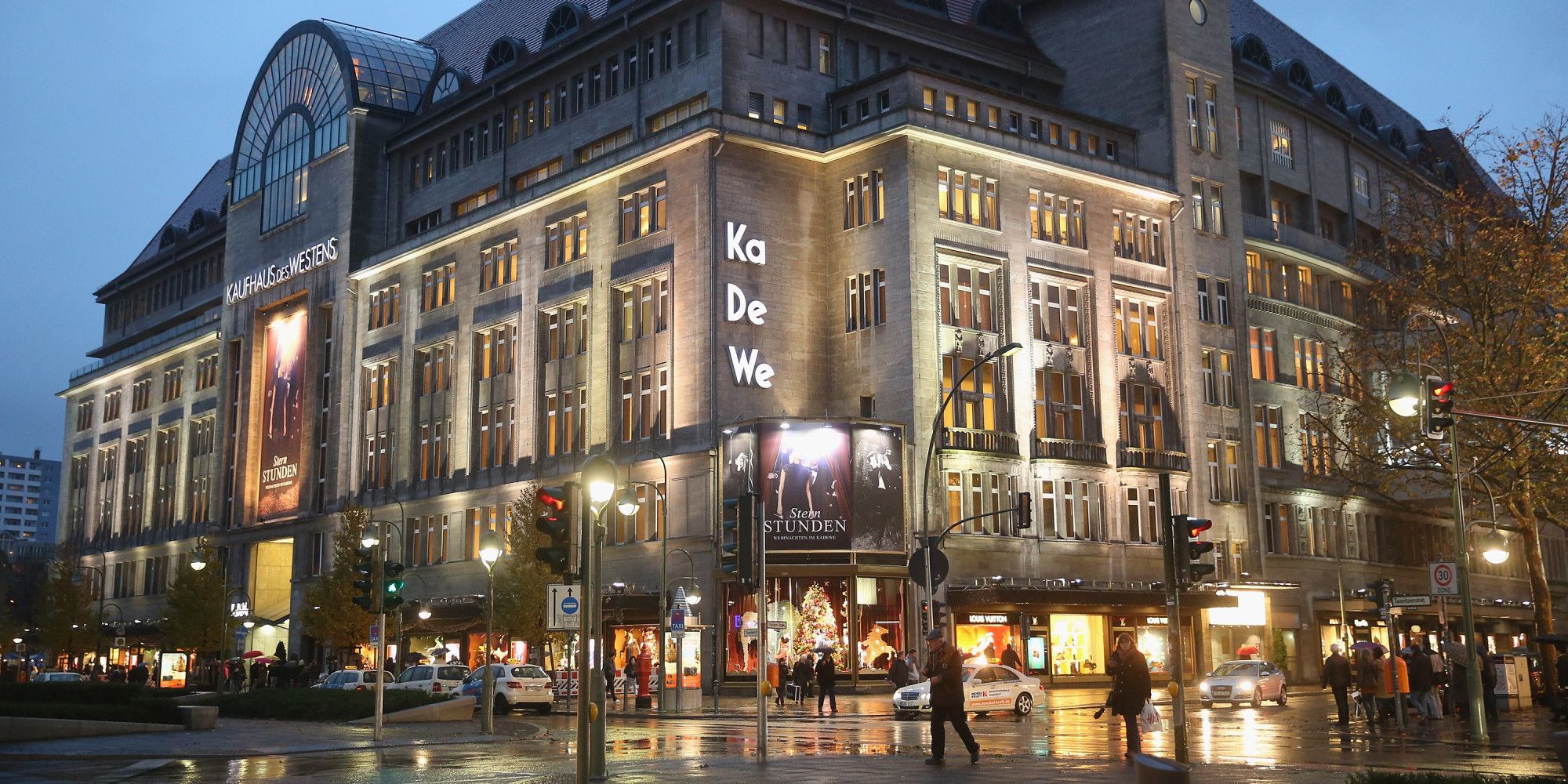
Berlin's history is inexhaustible, but the city is also, and equally, a living, working, endlessly creative contemporary metropolis with an extraordinary neighbourhood culture, a food scene of growing international reputation and a nightlife that has been one of the defining reference points for electronic music and club culture worldwide for thirty years. The visitor who spends all their time at the historical sites misses something essential about what Berlin is now, which is just as interesting as what it was then.
Prenzlauer Berg, the former East Berlin district that became the first neighbourhood to gentrify after reunification and is now one of the most desirable residential areas in the city, has excellent cafes, restaurants and Saturday and Sunday markets along the Mauerpark that are among the most enjoyable informal outdoor experiences the city offers. The Mauerpark flea market, held on Sundays on the former death strip, is one of the great Berlin institutions: thousands of sellers and buyers in a space that was once literally a killing ground, enjoying themselves with a freedom that would have seemed impossible thirty-five years ago. Kreuzberg and Neukölln, south of the Spree, are the most culturally diverse and gastronomically interesting neighbourhoods in the city, with excellent Turkish, Vietnamese, Middle Eastern and contemporary European restaurants that represent some of the best value eating available anywhere in Germany.
Berlin's food culture has undergone a transformation in the last decade and is now far more interesting than its reputation as a city of döner kebab and currywurst (both of which remain excellent and should be eaten) would suggest. The neighbourhoods of Mitte, Prenzlauer Berg and Kreuzberg have a growing number of genuinely excellent restaurants at various price points, and the natural wine bar and contemporary bistro scene that has developed in Neukölln and the areas around the Schönhauser Allee is one of the most exciting in Germany. The street food scene remains one of the best in Europe: the currywurst (sliced pork sausage served with a spiced tomato sauce and curry powder) from a dedicated stand is a Berlin institution that must be experienced at least once, and the döner kebab as made in Berlin is a genuinely different and better object than the version sold in most other cities.
Common mistakes visitors make in Berlin: Trying to cover the entire city in two or three days, which is structurally impossible given its size. Not registering in advance for the Reichstag dome, which is free but requires pre-booking and cannot be done on arrival. Spending all available time in Mitte and missing the neighbourhood character of Prenzlauer Berg, Kreuzberg and Friedrichshain. Not allowing enough time at the major memorials and documentation centres, which reward slow and careful engagement rather than a quick pass-through. And visiting Berlin in deep winter without adequate preparation for the cold, which in January and February can be genuinely severe.
Getting to Berlin: Arriving and Getting Around
Berlin Brandenburg Airport (BER), opened in 2020 after a legendarily prolonged series of delays and construction problems that became a minor international symbol of German bureaucratic complexity, is located approximately 25 kilometres southeast of the city centre. The Airport Express (FEX) train service connects the airport directly to Berlin Hauptbahnhof, the city's central station, in approximately 30 minutes, with trains running every 15 minutes during the day. The S-Bahn S9 line also serves the airport with a slightly longer journey time and connects to the urban rail network at several points.
For the most comfortable arrival, particularly with luggage, after long-haul flights or when travelling in a group, a private airport transfer to your hotel takes approximately 40 to 50 minutes at a fixed price and eliminates any navigation challenges at the end of a journey. Within the city, Berlin's public transport network, operated by the BVG, is comprehensive, frequent and efficient: the U-Bahn (underground), S-Bahn (urban rail), trams and buses cover the city thoroughly and a day pass or 7-day pass represents excellent value for anyone planning to move around extensively. Cycling is also excellent in Berlin, which has one of the most extensive urban cycling infrastructure networks in Germany, and bicycle rental is available throughout the city at very reasonable prices.
Comments
No comments yet. Be the first to share your thoughts!
Leave a Comment
Your comment will appear after moderation.