 Michelle
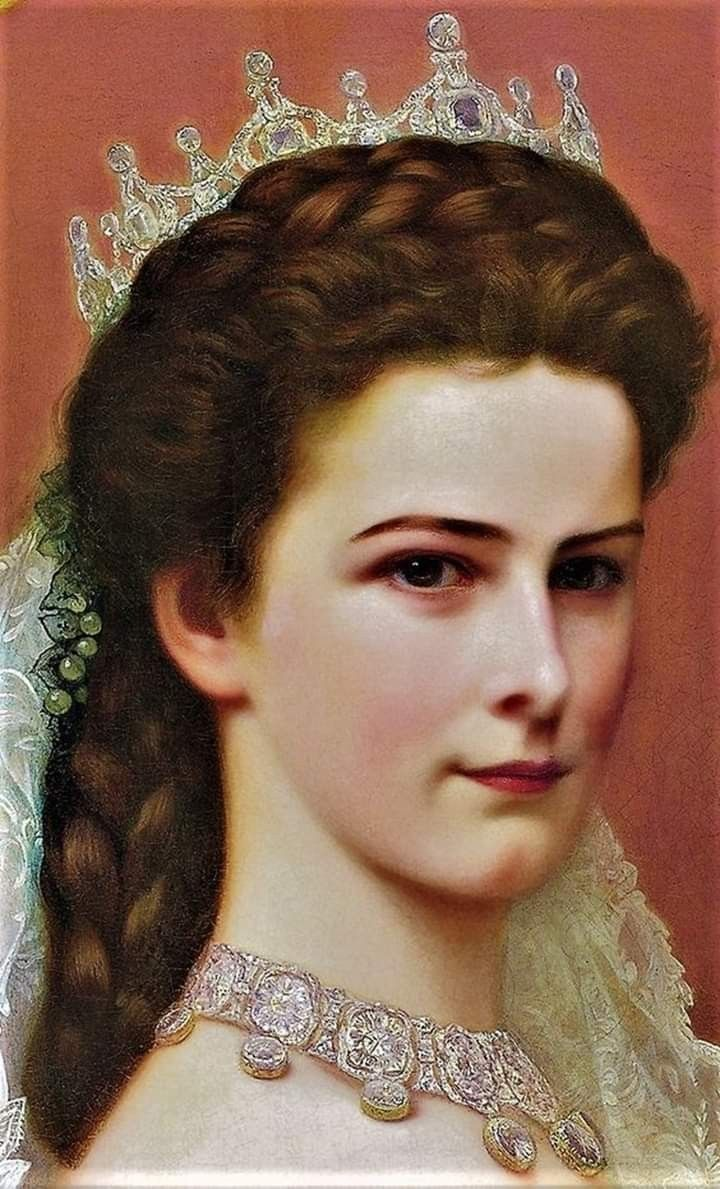
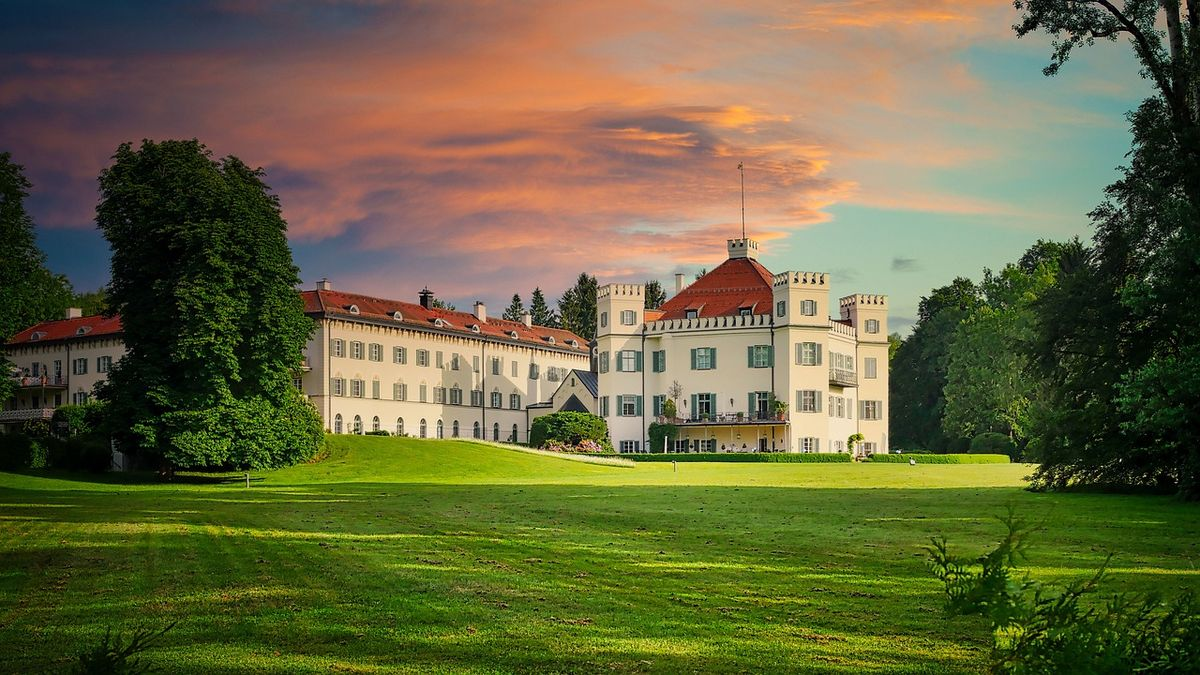
 There are certain figures in history who become so wrapped in legend that the woman herself seems almost to disappear. She becomes a silhouette in a grand ballgown, a cascade of impossibly long hair, a whisper of a sugar-frosted wedding. This is the fate of Elisabeth, Empress of Austria, Queen of Hungary. But close your eyes for a moment. Imagine you are not reading a guidebook. Imagine you have stepped through a crack in time. You are standing in the damp, earthy courtyard of Possenhofen Castle in the autumn of 1837. You can smell the woodsmoke from the kitchen chimneys and hear the whicker of a horse in the stables. A young girl, no more than ten years old, runs past you, her brown hair flying loose, her boots caked with mud. She is laughing. She is free. Her name is Elisabeth, but her family calls her Sisi. And you are about to watch her become the most beautiful, the most tragic, and the most unwilling Empress Europe has ever known.
The Free Spirit of Possenhofen: Sisi's Childhood
You are walking beside her now, through the meadows that slope down to the shores of Lake Starnberg. The water is the colour of slate under a low Bavarian sky. She is riding a grey mare, bareback, her dress hitched up to her knees. She does not see you. She sees only the horizon. This is Elisabeth Amalie Eugenie, born on Christmas Eve in 1837, the fourth child of Duke Maximilian Joseph in Bavaria and his wife, Princess Ludovika. Her home is not a grand, stuffy court. Possenhofen is a rambling, slightly wild castle where the formalities of royal life are treated with cheerful contempt. Her father, whom everyone calls 'Max in Bayern', is an eccentric dreamer who prefers circus performers and poetry recitals to state banquets. You can see him now, over there, walking back from the stables with a falcon on his wrist, ignoring the letters from his Viennese relatives.
You follow Sisi into the castle kitchen. The cook is pulling loaves of dark rye bread from the stone oven. The smell is deep and nutty. Sisi steals a radish from a wooden bowl, dips it in salt, and eats it with a grin. This is her world. Not a world of etiquette and obligation, but of nature, of books, of long silences and sudden bursts of wild laughter. Her older sister Helene is the pious, obedient one, destined for a grand marriage. But Sisi, they whisper, is 'different'. She is dreamy. She is melancholic even in her happiest moments. She writes poetry in hidden notebooks and she hates, with a quiet and absolute passion, the very idea of being told what to do. You watch her run up the stairs to her small bedroom. You wonder, already, what the world will do to a girl like this.
Insider Insight: The first error travellers make is seeking Sisi only in the grand palaces of Vienna. You must go to the source of her soul. A day trip from Munich to the shores of Lake Starnberg is essential. Possenhofen Castle is now a private residence, so you cannot enter. But you can stand at the water's edge where she fished as a girl. You can walk the forest paths where she rode her horse. You can feel the same wind on your face. That is where she still lives.
The Food of the Empress: A Rebellion on a Plate
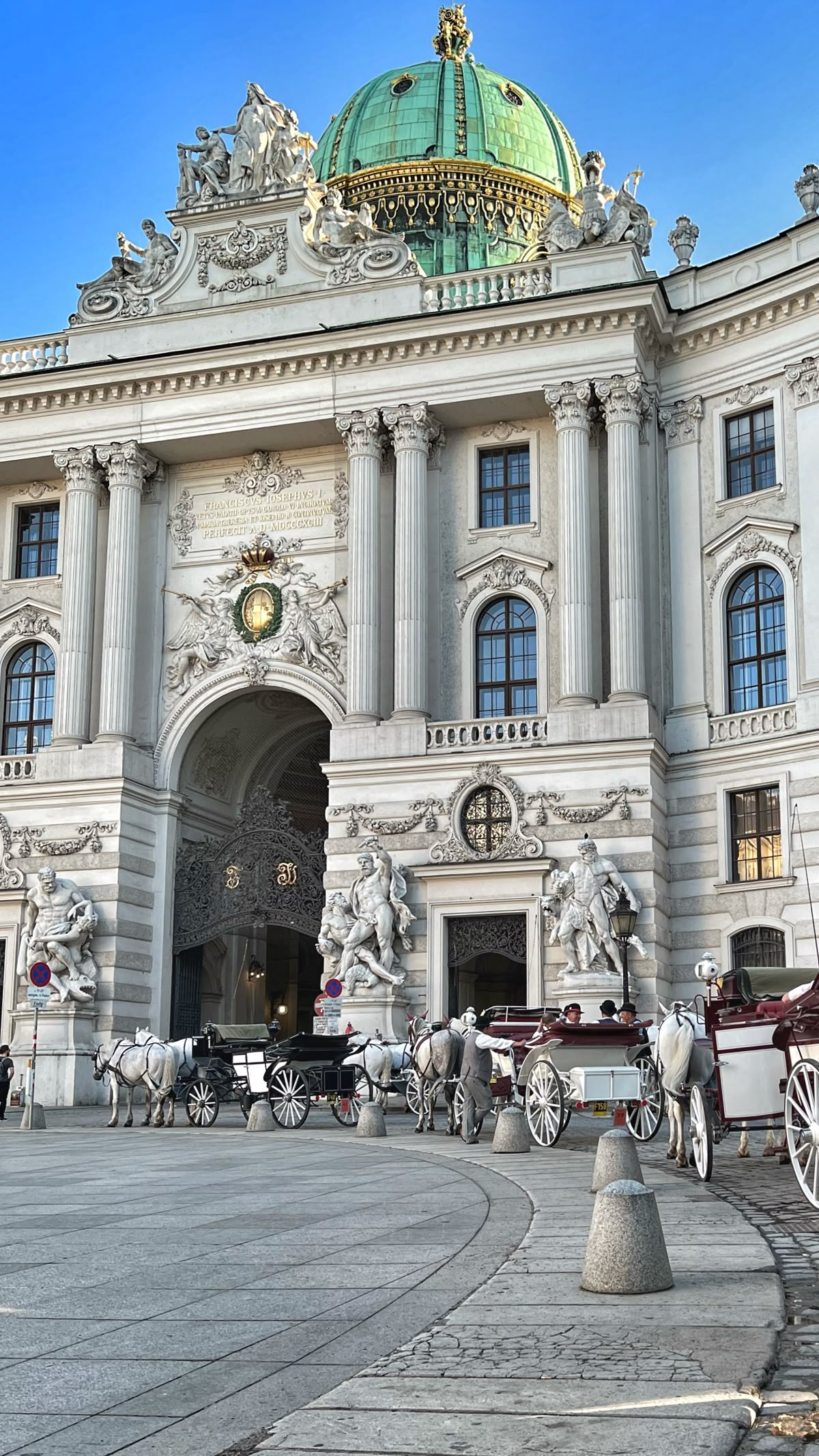
Now travel forward in time with me. You are no longer in Bavaria. You are in the Hofburg Palace in Vienna. The year is 1860. You are standing in the corner of the Imperial Dining Hall, invisible, watching. The table is a river of silver and crystal. A thousand candles flicker. The courtiers are dressed in black and gold, their faces rigid with protocol. At the head of the table sits Emperor Franz Joseph, eating with mechanical discipline. Beside him sits his wife, the Empress Elisabeth. She is forty-three centimetres around the waist. That is just seventeen inches. Her chestnut hair, which takes three hours to dress each morning, is woven with diamond stars. She is, by every account, the most beautiful woman in Europe. And she is not eating.
You watch as the first course arrives: a consommé with tiny dumplings. She lifts her spoon. She lowers it. The soup cools. A footman removes the bowl, untouched. The second course: roasted pheasant in a Madeira sauce, with caramelised chestnuts. She moves the pheasant from one side of the plate to the other. She wraps a piece of meat in her napkin and hands it, discreetly, to the lady-in-waiting behind her chair. The third course: a Sachertorte, dense and dark and glistening with apricot jam. She does not even look at it. She drinks a glass of ice-cold lemonade, the juice of two oranges, and a single raw egg white. That is her dinner. That is every dinner.
But listen closely. The court whispers a secret. What she would not eat in public, she craved in private. You follow her, in your imagination, to a small Gasthaus on the outskirts of Vienna. She is wearing a veil. No one recognises her. She orders a bowl of thick liver dumpling soup. She eats a slice of dark rye bread with radishes and salt, just as she did as a child in Possenhofen. And then, with a guilty, almost childish smile, she asks for a portion of Kaiserschmarrn — a shredded, caramelised pancake served with plum compote. 'Kaiser' means Emperor. The Empress who starved herself to escape her Imperial role loved the food named for her husband. The irony is so perfect it breaks your heart.
Food Tip for the Traveller: Do not eat only in the tourist restaurants on the Graben. Find a traditional Wiener Beisl in the side streets of the Seventh District. Order Tafelspitz, the boiled beef that Franz Joseph loved. Order a bowl of Frittatensuppe. And then, for the love of history, order a large portion of Kaiserschmarrn for two. Eat it slowly. Eat it with joy. It is the taste of a secret rebellion.
The Unlikely Empress: A Fairy Tale That Became a Gilded Cage
You are in Bad Ischl now. The year is 1853. The spa town is buzzing with anticipation. Archduchess Sophie of Austria, the formidable mother of the young Emperor Franz Joseph, has arranged a meeting. Her son needs a bride. The chosen candidate is Helene, the sensible, obedient elder daughter of Duke Max in Bavaria. Sisi is fifteen years old, still in mourning black for a recent family death. She has been brought along only as a chaperone. You watch her slip away from the formal reception. She is standing by a window, looking out at the mountains, humming a folk song. She does not know she is about to be seen.
Franz Joseph walks into the room. He is twenty-three years old, handsome in his white military tunic, already weighed down by the burdens of an empire in crisis. He looks at Helene. He nods politely. Then his eyes find the girl by the window. The girl in the simple black dress. The girl with the melancholic eyes and the cascade of chestnut hair. You can see the moment it happens. His face softens. He forgets where he is. He crosses the room and speaks to her. She looks up at him, surprised, a little frightened. Five days later, they are engaged. The court is in shock. An Emperor choosing for love over duty is a scandal.
On April 24, 1854, you stand on the banks of the Danube in Vienna. The river is crowded with boats, seventy of them, decorated with flowers and golden eagles. Sisi is carried into the city on a wave of adoration. The cannons roar. The crowds scream her name. But look at her face, there, in the open carriage. She is not smiling. She is terrified. She has just left her horses, her books, her father, her freedom. She has entered a world of Spanish court etiquette where even the way she drinks a glass of water is dictated by protocol. Her mother-in-law, Archduchess Sophie, will take her children from her. She will control her schedule. She will decide which friends she may see. Sisi is no longer a person. She is a symbol. And symbols, you are about to discover, do not eat, or laugh, or ride horses without permission.
A Mother's Grief and a Hungarian Soulmate
You are standing in the children's wing of the Hofburg Palace. It is 1857. Sisi has given birth three times: to Sophie, to Gisela, and to the long-awaited heir, Crown Prince Rudolf. But you see the door to the nursery is locked. Archduchess Sophie has decided that the 'immature and unstable' young Empress is not fit to raise the future of the Habsburg Empire. The children are kept in a separate wing. Sisi is permitted to visit them for one hour each day, always accompanied by a chaperone. She is their mother in name only. Watch her press her palm against the wooden door. She is not weeping. She has forgotten how. She is simply hollow.
Then the tragedy comes. You are on a royal visit to Hungary. Both daughters fall ill with fever. The doctors are summoned too late. Two-year-old Sophie dies in her mother's arms. Sisi blames Archduchess Sophie for the delay in treatment. The grief is immense and permanent. She refuses to eat for days. Her relationship with her surviving daughter, Gisela, remains cold and distant for the rest of her life. She retreats into a shell of obsessive exercise, fasting, and melancholy poetry. But from this darkness, a new figure emerges. You see him for the first time at a state banquet in Budapest: Count Gyula Andrássy. He is tall, dark-bearded, with the eyes of a revolutionary. Hungary has been brutally crushed by the Habsburgs, and Andrássy is a man in exile in his own country. Sisi looks at him, and you see something flicker in her face. Recognition. A kindred spirit.
She learns Hungarian. She speaks it fluently, with a soft Bavarian accent that the Hungarians find charming. She advocates for Hungarian autonomy with a passion she has never shown for Austria. In 1867, she persuades Franz Joseph to compromise, creating the dual monarchy of Austria-Hungary. You are in Matthias Church in Budapest on the day of her coronation as Queen of Hungary. The crown is placed on her head. And for a brief, shining moment, she smiles. A real smile. The Hungarian people adore her. They call her 'our Elisabeth'. In Hungary, she is not the weird, melancholic Empress. She is a heroine, a liberator, a woman who chose them.
'You cannot imagine how much I love this country,' she writes to a friend. 'Here, for the first time in my life, I feel that I am not entirely useless.' The Viennese court mocks her for her Hungarian friends and her love of goulash and paprika chicken. And that, perhaps, is her quiet revenge: to love, openly and defiantly, the people and the foods that Vienna considers beneath her.
The Wandering Empress: Escape on the High Seas
Now you must travel fast. The years slip by like water through your fingers. It is the 1870s and 1880s. Sisi is rarely in Vienna anymore. You follow her to Madeira, where she rides mules up mountain paths. You follow her to Corfu, where she builds a magnificent white palace on a hillside overlooking the Ionian Sea. She names it the Achilleion, after her beloved Homeric hero, Achilles. You walk with her through the gardens. She is wearing a simple black dress, a black parasol shielding her face from the sun. She stops to read a passage from 'The Iliad' in ancient Greek. Her pronunciation is flawless. Her voice is quiet and hollow.
She travels with an extraordinary cargo. In her staterooms on the steam yacht Miramar, she has installed a set of parallel bars for gymnastics. She has a wall-mounted weighing scale that she uses three times a day. She has a small kitchen where her personal chef prepares her meals: raw meat juice, milk, the juice of four oranges, and the white of a single egg. Her luggage is vast, not for gowns and jewels, but for her exercise equipment and her Hungarian books. You watch her step onto the scale one morning. She is forty years old. She weighs fifty kilogrammes. She whispers to her lady-in-waiting, 'Disgusting. I am so disgustingly large.' You want to shake her. You want to feed her a slice of bread. But you are invisible. You can only watch.
She writes poetry in her cabin, bitter, melancholic poems about death, about escape, about the futility of existence. She sends them to her friend, the Hungarian actor and poet, without signing her name. 'You do not know me,' she writes. 'And it is better that way. I am nothing. I am no one. I am a ghost in an empty palace.' You realise, standing there in the swaying cabin of the yacht, that the most beautiful woman in Europe is also one of the loneliest women who has ever lived.
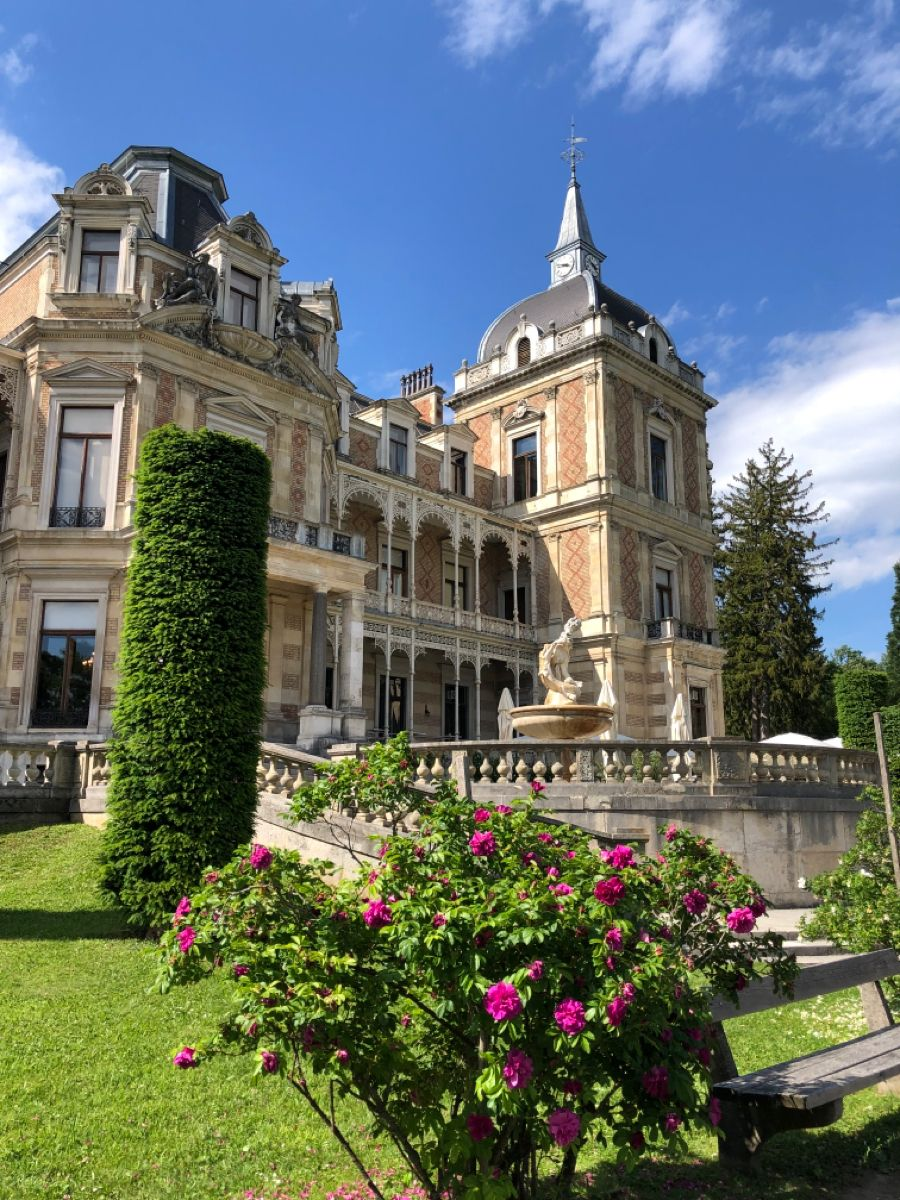
The Code to Skip the Lines: One common error tourists make is trying to see all the Sisi sites in a single day. You will collapse from exhaustion. Book your 'Sisi Ticket' online before you leave home. This gives you a timed entry to the Sisi Museum and the Imperial Apartments at the Hofburg. The queues can exceed an hour in summer. For a truly immersive experience, take a half-day private transfer to the Hermesvilla in the Lainzer Tiergarten. It is far less crowded, and you can walk the same forest paths where Sisi walked, accompanied only by the sound of your own footsteps and the calling of deer in the woods.
The Mysterious Death in Geneva: The Anarchist's File
You are on the promenade of Lake Geneva. The date is September 10, 1898. The time is just after one o'clock in the afternoon. The sun is warm, the water is blue, and the chestnut trees are beginning to turn gold. Sisi is walking towards the pier, where the steamship 'Genève' is waiting to take her to Montreux. She is travelling incognito, using the pseudonym 'Countess of Hohenembs'. She wears a black floor-length dress, a black parasol, and a small black hat. Her face is hidden behind a leather fan. She is sixty years old, but she has the figure of a woman half her age. Her hair is still thick, though now streaked with grey.
You see a man step out from the crowd. He is young, poorly dressed, with wild eyes. He is holding something in his right hand, hidden in a folded newspaper. His name is Luigi Lucheni. He is an Italian anarchist who came to Geneva with the express intention of killing a royal. His original target was the Duke of Orléans, but the Duke changed his plans at the last moment. Lucheni simply chose the next noble he saw. He saw Sisi.
He lunges forward. The object in his hand is not a knife, but a triangular file, a tool for sharpening industrial blades. He thrusts it into her chest with such force that it shatters a rib and pierces the lining of her heart. Sisi staggers backwards. She does not fall. She does not cry out. She asks, in a calm, almost curious voice, 'What happened?' Her corset is so tightly laced that it compresses the wound and prevents immediate bleeding. She walks for another hundred metres. Then her legs buckle. A boat captain helps her to her feet. She is carried back to the Hôtel Beau-Rivage. The hotel director loosens her corset. The moment the pressure is released, the blood flows freely. She is dead within minutes.
You stand there, invisible, watching the hotel staff weep. Franz Joseph receives the news the following morning. He is said to have wept for hours, whispering to a valet, 'You do not know how much I loved that woman. You do not know. No one will ever know.' Lucheni is arrested at the scene. When asked if he regrets the murder, he replies, 'I came to kill a royal. Any royal. I do not even know who she was.' The Empress of Austria, Queen of Hungary, the woman who had once been the most famous and beautiful figure in Europe, dies anonymous and unmourned by the man who killed her. It is the final, cruelest irony of her life.
Walking in Her Footsteps: The Essential Sisi Itinerary
You have seen her life. Now you must walk where she walked. You are no longer invisible. You are a traveller in Vienna, and the ghost of Sisi walks beside you. Dedicate at least two full days to this pilgrimage. Do not rush. She would not have approved of hurry.
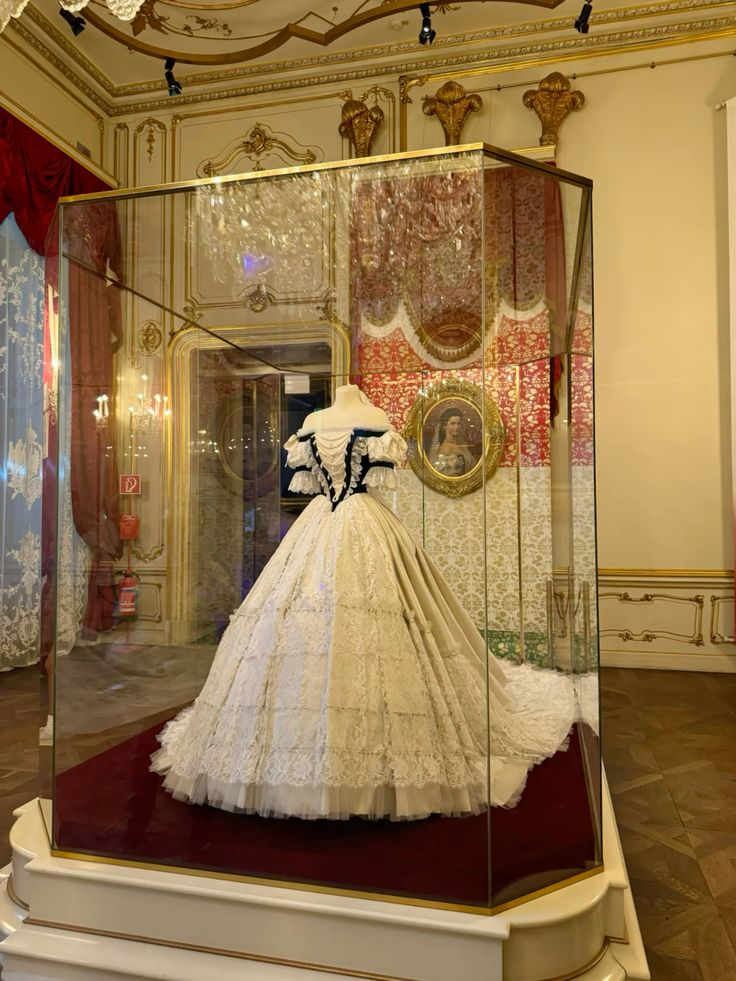
Day One: The Imperial Heart. Begin at the Sisi Museum inside the Hofburg Palace. This is not a sentimental collection of pretty dresses. It is a forensic examination of the legend. You will see her original mourning clothes, so small they seem to belong to a child. You will see the jewelled diamond stars she wore in her hair, the grooming tools that maintained her extraordinary beauty, and, most hauntingly of all, the original death mask taken in Geneva. Look at it closely. The eyes are closed. The mouth is slightly parted. She looks peaceful. She looks, for the first time in her life, free. After the museum, walk through the Imperial Apartments. Stand in her small, spartan bedroom. Look at the gymnastic rings still attached to the door frame. She installed them herself. She used them every morning at five o'clock, for an hour, before the rest of the palace woke up.
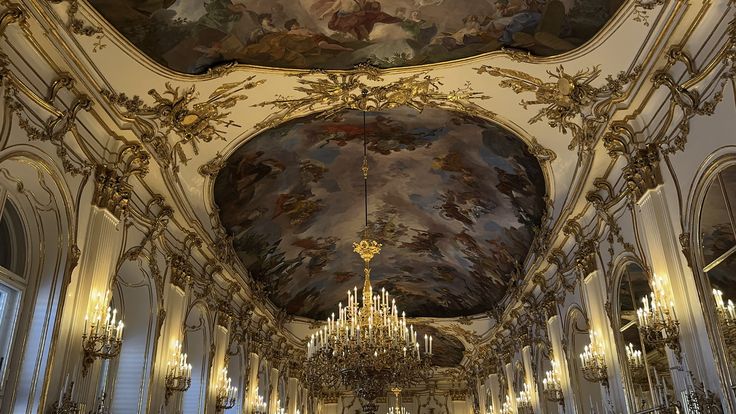
Day Two: The Palaces of Escape. In the morning, take a private transfer or the U-Bahn to Schönbrunn Palace. The grand public rooms are impressive, but you are not here for the tourists. You are here for the private apartments of Franz Joseph and Elisabeth, on the eastern wing of the palace. The wallpaper in her sitting room is original. The furniture is as she left it. There is a small writing desk by the window. She sat there, you realise, watching the gardens, composing her melancholic poetry. Then, after lunch, travel to the Hermesvilla in the Lainzer Tiergarten. Franz Joseph built this elaborate hunting lodge for her as a summer residence, hoping it would persuade her to stay closer to Vienna. She called it 'the castle of the dreams'. She lived in it for only a few weeks. But the gymnasium is still there, the parallel bars, the wall bars, the vaulting horse. It is a monument to her obsessions, and it will break your heart.
The Final Resting Place. Conclude your journey at the Imperial Crypt, the Kaisergruft, beneath the Capuchin Church on the Neuer Markt. Climb down the stone stairs into the low, vaulted chambers. The air is cool and smells of incense. To your left, in a simple double sarcophagus of bronze and marble, lies Empress Elisabeth of Austria. Her effigy is carved in white stone, a book in her hands, her hair flowing down her back. Beside her lies Franz Joseph, in his military uniform. Their son, Crown Prince Rudolf, who died by suicide at Mayerling in 1889, lies in a separate crypt nearby. Lay a flower on the stone, if you wish. Say a quiet goodbye. Then walk back up the stairs into the Vienna sunshine. Find a traditional coffee house. Order a slice of Sachertorte and a large portion of Kaiserschmarrn. Eat it slowly. Eat it with joy. She would hate that you are eating so much. But it is the most honest way to remember her. Not as a dieting saint or a martyred princess. But as a complicated, tragic, brilliant human being who simply wanted, more than anything in the world, to be allowed to be free.
Comments
No comments yet. Be the first to share your thoughts!
Leave a Comment
Your comment will appear after moderation.